



Antique Brass Table Vessel
These antique brass table vessels are decorative and functional metalware pieces, offering practical utility and period character for a table setting.
Antique Brass Table Vessel
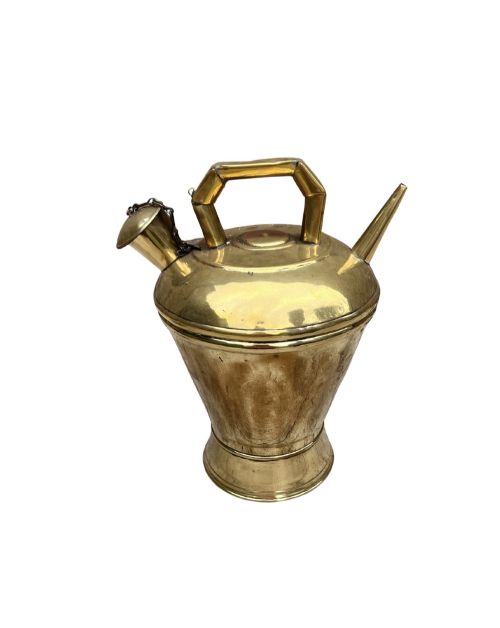
An antique brass table vessel covers a diverse group of metal containers designed for tabletop use across various historical periods. These items range from nineteenth-century planters and jardinières to oil lamps and spirit kettles.
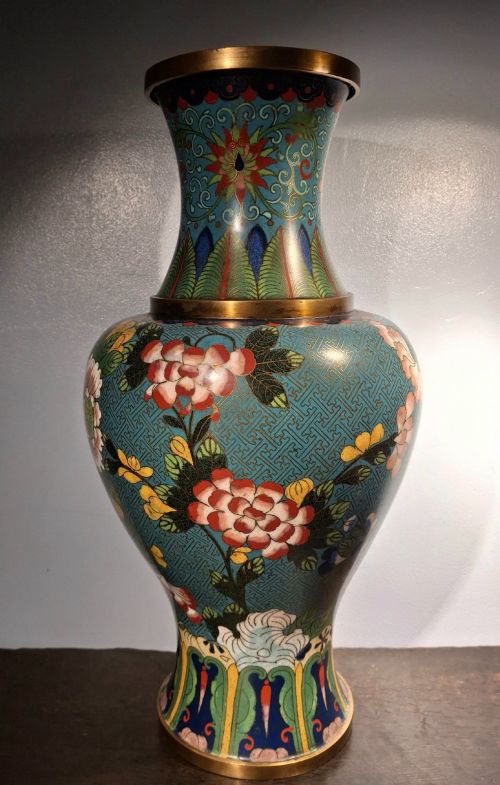
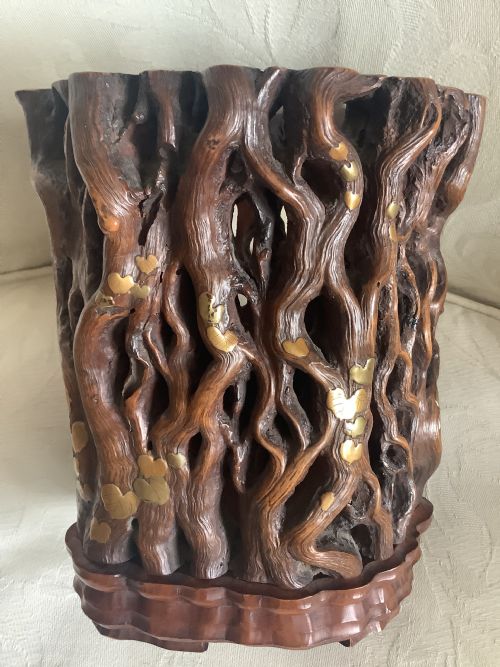
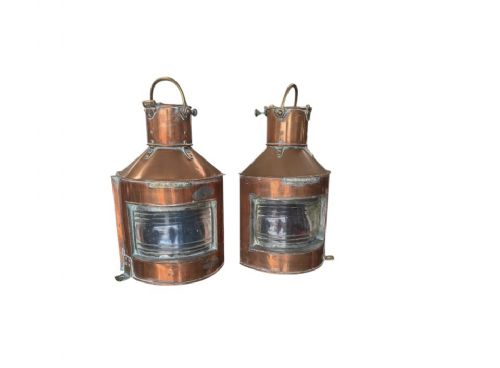
The selection frequently includes items fashioned from brass alongside mixed metals like copper and bronze. Forms span from Victorian planters and French urns to maritime lanterns and Chinese brush pots.
Buyers encounter objects originating from diverse stylistic traditions, including Victorian domestic metalwork, Chinoiserie pieces, and French Empire designs. Each vessel reflects the distinct domestic or utilitarian requirements of its original era.
How They Were Made
Makers utilised cast and sheet brass, frequently combining copper, bronze, and glass elements within a single piece. Surfaces often display chased floral decoration or intricate cloisonné enamel work.
Construction techniques involve traditional metalworking methods such as riveting, soldering, and casting. Secondary materials like hardwood, horn, and fabric appear alongside the primary metal structures.
Antique Brass Table Vessel Retail Price Guide 2026
Typical asking prices for brass table vessel among the pieces listed under this phrase on Sellingantiques today, from the lower quarter to the upper quarter. They describe what is for sale here now, not the wider market.
Listings feature items spanning the eighteenth, nineteenth, and twentieth centuries, incorporating brass, copper, bronze, glass, and wood.
What Varies In Quality
The standard of an antique table vessel depends upon the crispness of its chased decoration and the integrity of its construction. Heavier gauge metalwork and well-executed joinery distinguish superior examples from standard production.
The complexity of surface ornamentation, such as detailed enamel work or finely mounted horn, elevates the distinction of a piece. Original components and unified materials enhance the integrity of the object.
Alderson & Gyde Ltd
The Antique Brass Table Vessel Glossary
- Jardiniere
- An ornamental pot or stand designed to hold plants or flowers upon a table. These vessels appear in brass, copper, and ormolu.
- Samovar
- A heated metal container traditionally used to boil water for tea. Regency examples showcase refined form and metalwork.
- Cloisonne
- An ancient technique for decorating metal object surfaces with coloured enamel separated by strips of metal. This method appears on vessels and lamp bases from nineteenth-century traditions.
- Spirit kettle
- A portable kettle mounted on a stand with an integrated spirit burner for heating water at the table. Victorian examples often combine brass and copper.
Antique Brass Table Vessel: Frequently Asked Questions
What is an antique brass table vessel?
An antique brass table vessel is a decorative or functional container designed for placement on a table surface. These objects include planters, urns, lamps, and kettles.
They originate from periods spanning the eighteenth century through to the mid-twentieth century. Their forms reflect domestic habits and decorative arts of their respective eras.
How do I clean a brass vessel?
Cleaning antique brass requires gentle methods to preserve the patination accumulated over decades or centuries. Harsh commercial polishes can strip the surface of desirable age characteristics.
Instead, use a soft cloth to remove dust and light debris. Specialist metal care advice depends upon whether the surface has an applied lacquer or exposed metal.
Where were these vessels placed?
These vessels functioned primarily within domestic interiors upon dining tables, sideboards, and scholar's desks. Items like jardinières and planters decorated reception rooms and drawing rooms.
Other vessels served practical purposes during meals or provided illumination through oil and spirit mechanisms. Their placement combined utility with decorative display in period homes.
How are different periods identified?
Periods are identified through stylistic cues, manufacturing techniques, and material combinations typical of specific decades or centuries. For example, Regency pieces exhibit distinct neoclassical influences compared to later Victorian items.
Markings, construction methods, and decorative motifs provide further evidence for dating an object. Comparing known examples helps establish the likely era of manufacture.