

Antique Brass Stationery
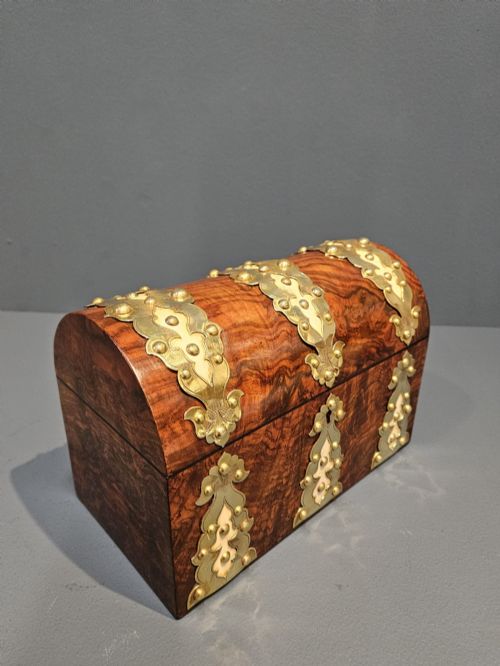
Antique brass stationery items bring functional desk organisation into a room through heavy brass mounts, fitted woods, and period craftsmanship.
Antique Brass Stationery
When searching for antique brass stationery, collectors encounter items designed for correspondence and desk management across the Georgian, Victorian, and Edwardian periods.
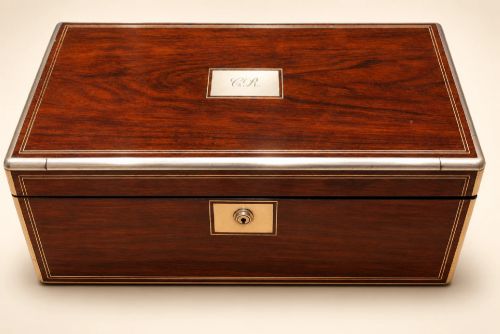
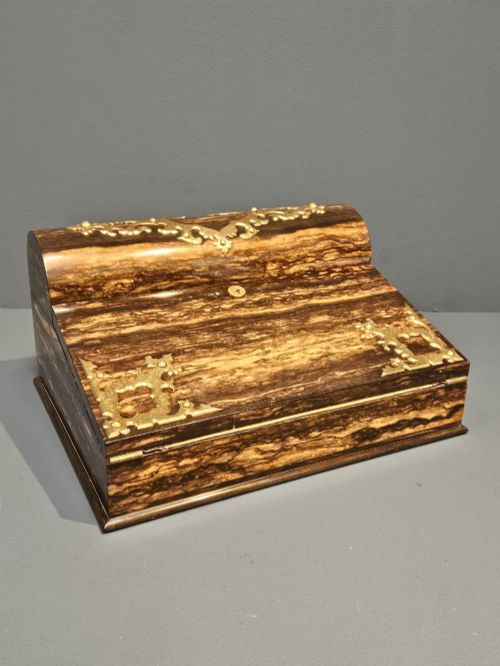
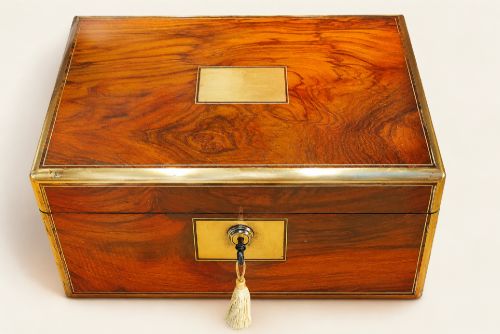
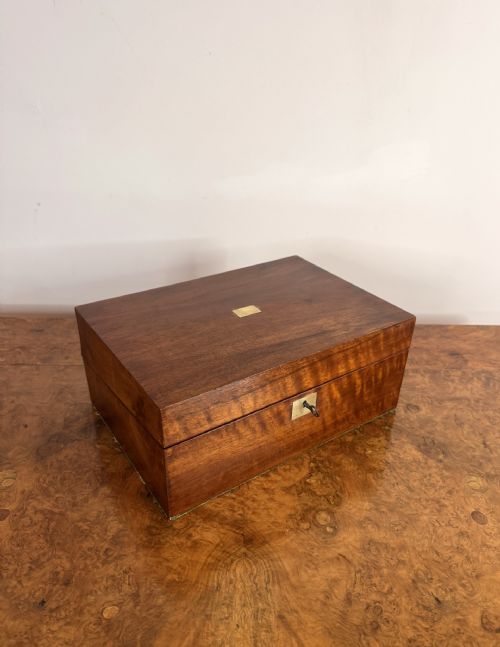
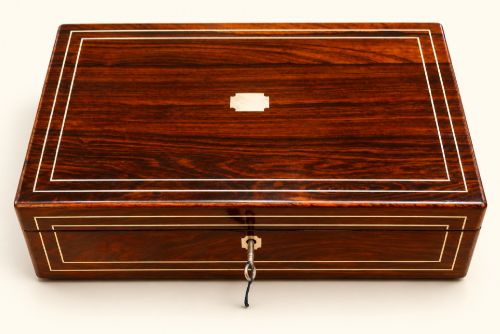
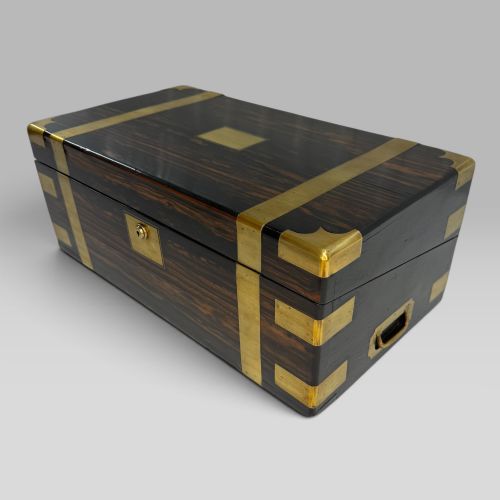
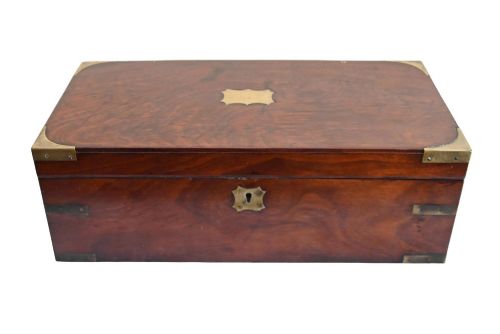
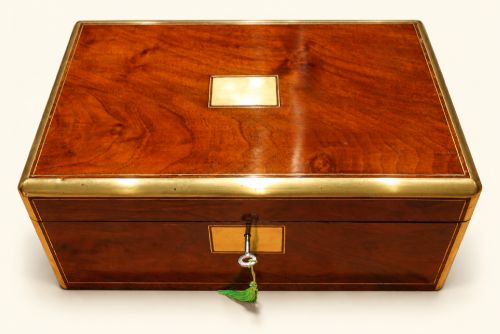
The selection on this page centres primarily on writing slopes, lap desks, and correspondence boxes constructed from timbers like mahogany, walnut, and rosewood.
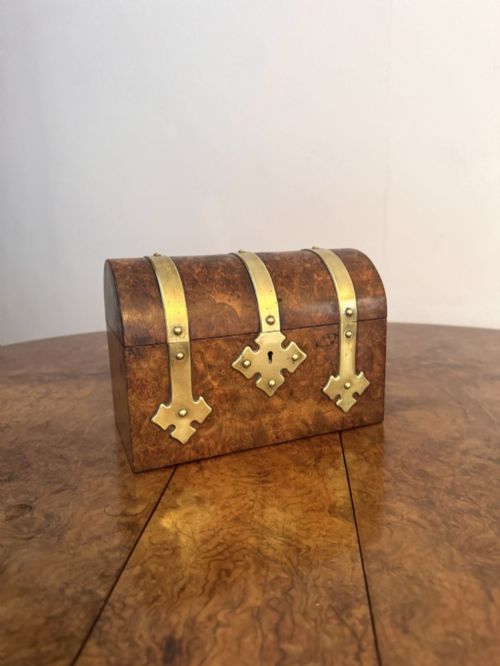
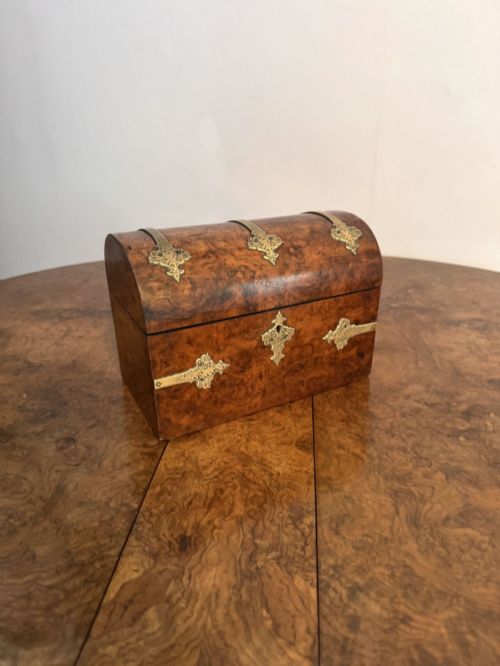
These desktop accessories incorporate brass banding, hinges, and escutcheons, alongside fitted stationery cabinets and letter boxes originating from the nineteenth and early twentieth centuries.
Materials and construction
Cabinet makers utilised dense hardwoods including mahogany, walnut, rosewood, and oak as the foundational bodies for writing boxes and stationery cabinets.
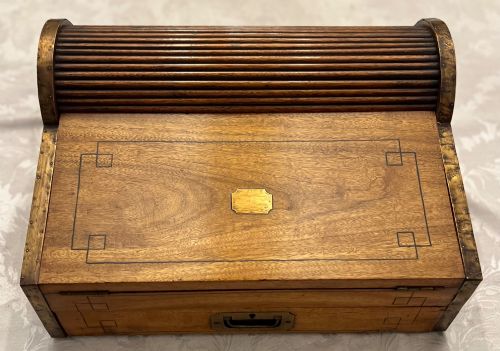
Metalworkers applied cast and chased brass for corner brackets, carrying handles, perpetual calendars, and structural reinforcement on campaign and stationary pieces.
Interiors frequently combine leather writing surfaces, glass inkwells, and velvet linings alongside precision-cut wood compartments for paper and pens.
Antique Brass Stationery Retail Price Guide 2026
Typical asking prices for brass stationery among the pieces listed under this phrase on Sellingantiques today, from the lower quarter to the upper quarter. They describe what is for sale here now, not the wider market.
A parrot sits on guard over your stamps in the form of a cast brass desktop tape dispenser from the turn of the century.
Judging quality
Superior examples demonstrate meticulous joinery in the timber carcasses and precise fitting of brass banding, flush with the surrounding wood surfaces.
The integrity of internal fittings, such as secret drawers, complete glass inkwells, and intact tooled leather writing slopes, elevates the standard of a piece.
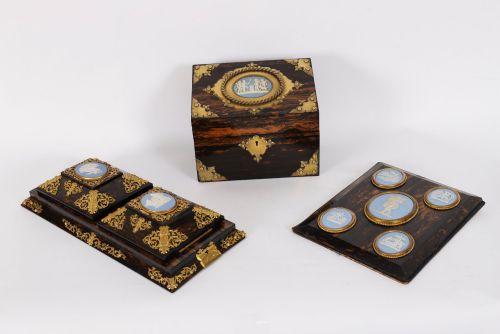
Finer items feature decorative enhancements like ormolu mounts, enamel work, agate cabochons, or documented maker attribution rather than plain utilitarian construction.
Edwards & Jones·William Tonks of Birmingham
The Antique Brass Stationery Glossary
- Writing slope
- A portable desk with a hinged sloping lid that opens to reveal compartments for paper, pens, and ink.
- Campaign box
- A sturdy portable chest or writing box built with reinforced brass corners and flush handles for travel.
- Ormolu
- Gilded bronze or brass applied as decorative mounts and ornamentation on furniture and desk accessories.
- Stationery box
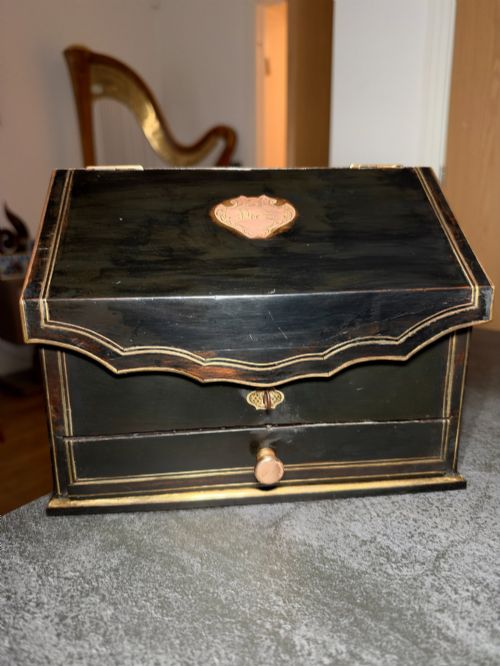
- A tabletop cabinet featuring tiered slots or a fall front designed to hold letters and writing paper.
- Inlay
- A decorative technique where contrasting materials like brass or lighter woods are inserted into recesses in the primary timber surface.
Antique Brass Stationery: Frequently Asked Questions
What is an antique writing slope?
A writing slope is a portable desk featuring a slanted lid that folds down to provide an angled surface for writing letters.
Inside, these boxes contain dedicated compartments for inkwells, pens, stamps, and stationery papers.
How do I identify a campaign box?
Campaign boxes are characterised by heavy brass corner brackets, strapwork, and recessed drop handles designed for military transport.
They utilise sturdy timbers like mahogany, camphor wood, or teak to withstand travel.
Where were stationery cabinets used?
Stationery cabinets stood on desks in country houses and town residences to keep writing paper and envelopes organised.
They often feature fall-front doors or tiered compartments designed for upright document storage.
What materials are common on desk sets?
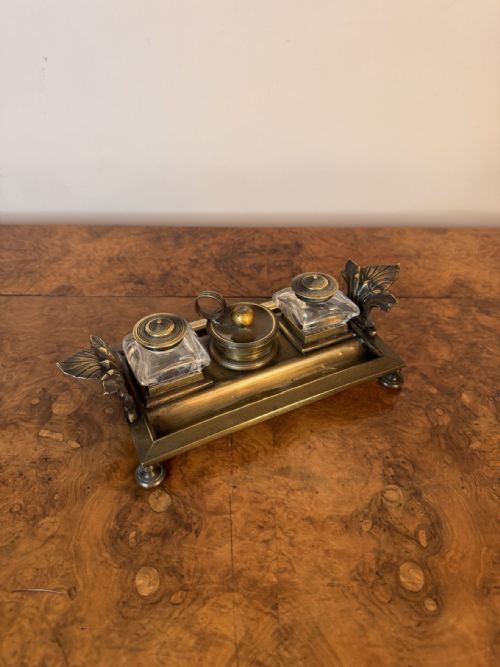
Desk sets incorporate cast brass frames holding glass inkwells, alongside letter racks and perpetual calendars.
Many examples integrate decorative elements such as enamel, agate cabochons, or rococo revival brass castings.
How do I care for wooden desk boxes?
Keep wooden boxes away from direct heat sources and sudden humidity changes to protect the timber and brass inlays.
Apply a traditional wax polish occasionally to nourish the polished mahogany, walnut, or rosewood surfaces.