


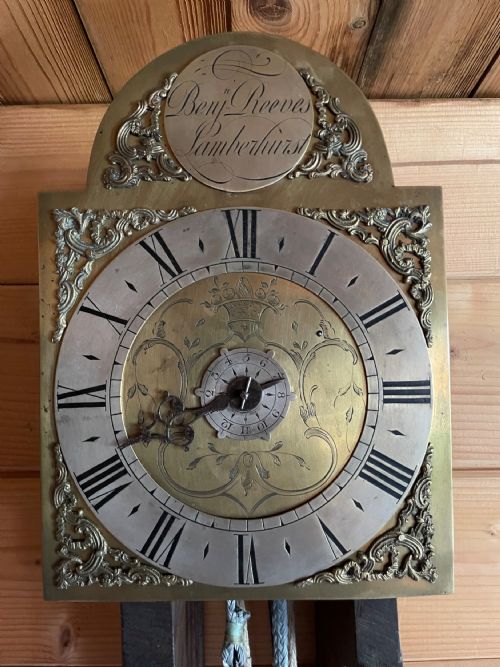


Antique Brass Rings
These antique brass rings appear primarily as hardware mounts, structural accents, or hanging fixtures on furniture and household objects from the Georgian through the Edwardian periods.
Antique Brass Rings
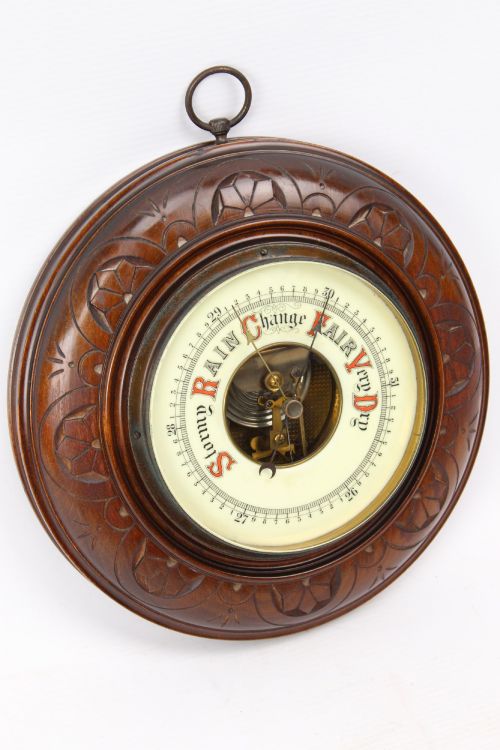
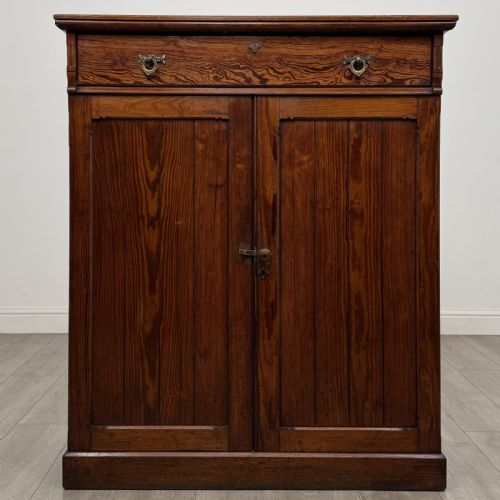
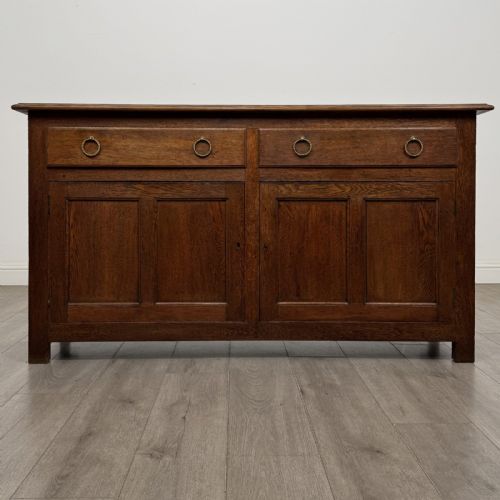
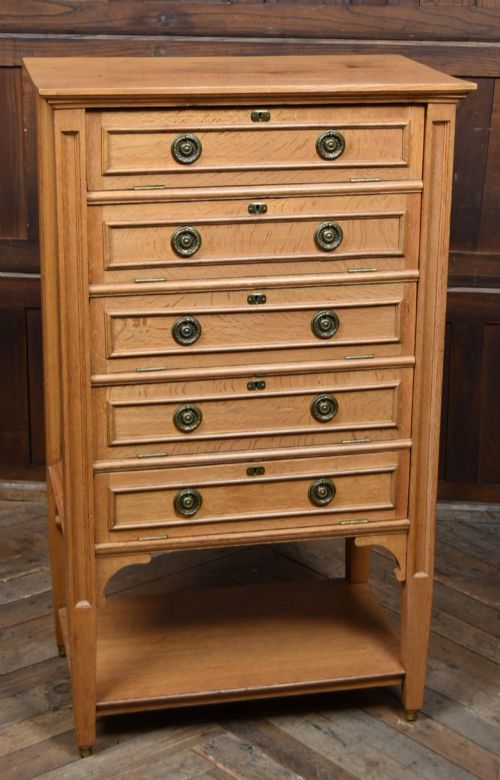
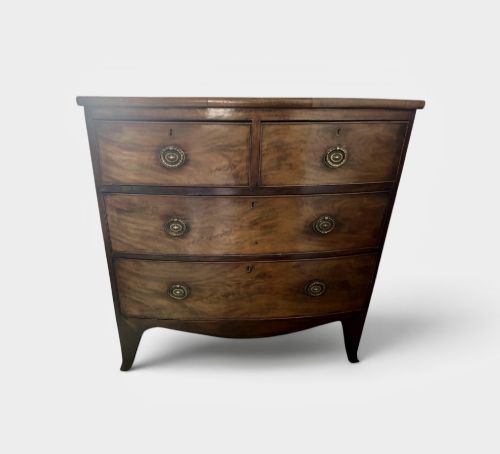
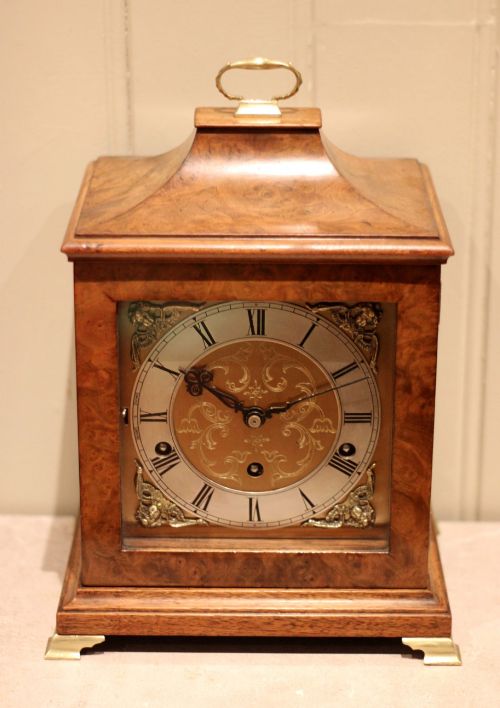
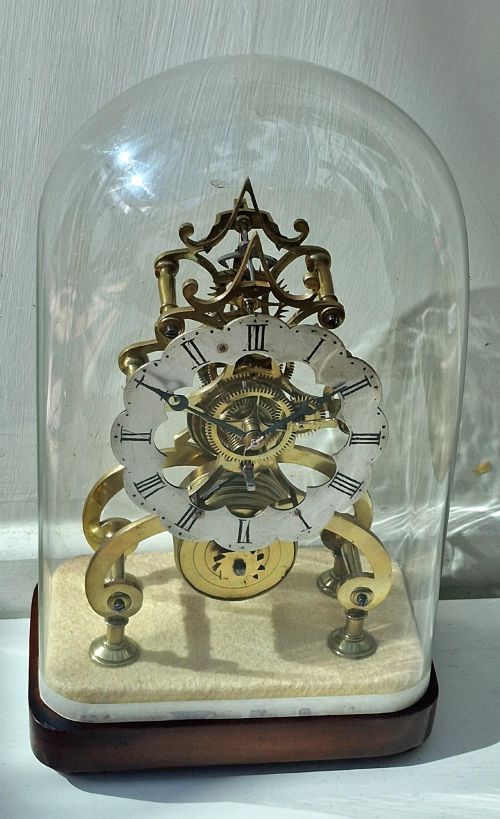
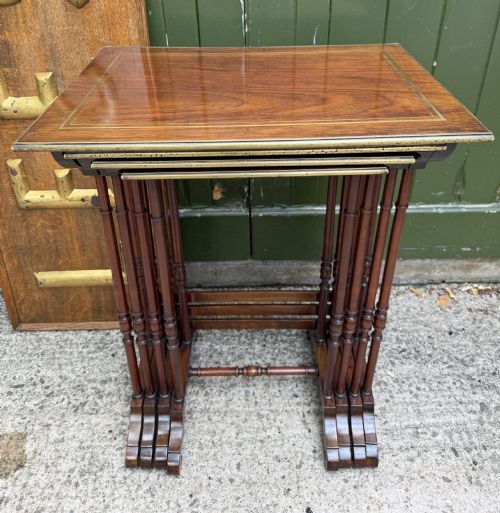
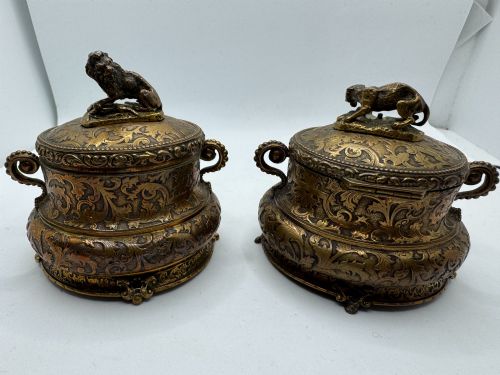
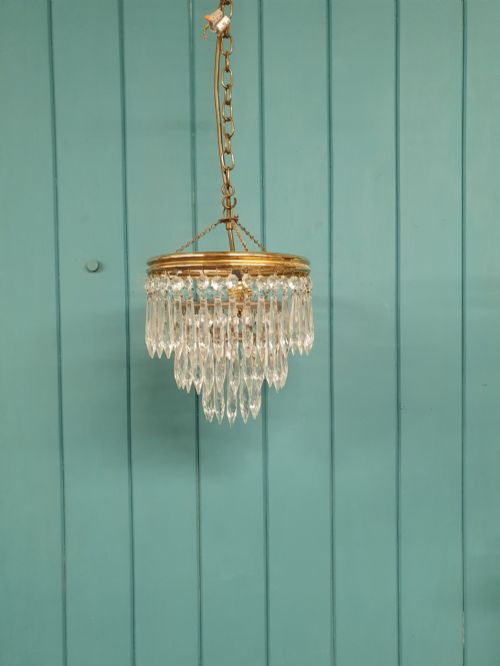
When you search for antique brass rings, you encounter metal fittings that mostly serve functional roles on larger pieces rather than standing alone as independent items. They appear fastened to drawer fronts on cylinder desks and chests of drawers, or incorporated into lighting fixtures, chamber sticks, and decorative boxes.
The material surface ranges from polished bright brass to darker patinated tones influenced by age and handling. They belong to pieces spanning the 18th century, Victorian era, and early 20th century.
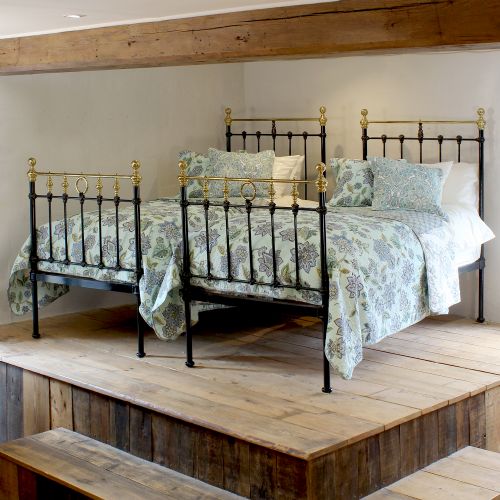
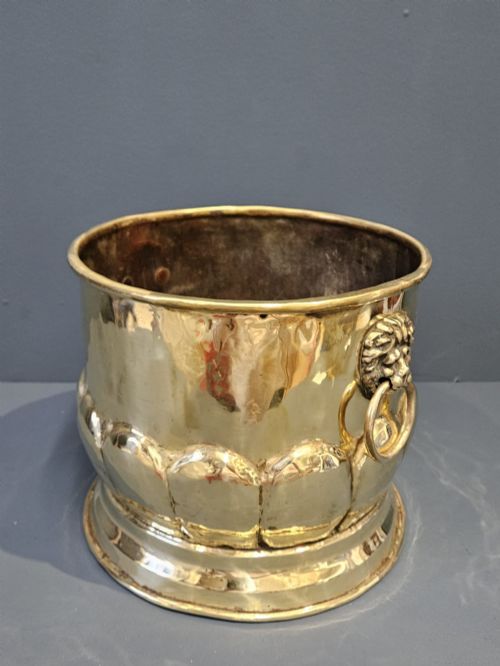
The selection here includes hardware attached to larger furniture items, alongside specialised objects where brass rings function as handles, grips, or hanging loops.
How they were made
The metal components rely on traditional casting and hammering techniques executed in brass, sometimes complemented by silvered brass or related copper alloys. Makers shaped the metal to withstand daily physical interaction, securing the rings through backplates or drop-handle mounts.
Wood elements such as mahogany, oak, ebony, and walnut frequently provide the backing or primary structure to which these brass rings are affixed. Inlaid details in ebony or rosewood often accompany the metal hardware on period furniture pieces.
Antique Brass Rings Retail Price Guide 2026
Typical asking prices for brass rings among the pieces listed under this phrase on Sellingantiques today, from the lower quarter to the upper quarter. They describe what is for sale here now, not the wider market.
Listings featuring brass rings span the 18th century, 19th century, and early 20th century, appearing on furniture, clocks, and decorative boxes in mahogany, oak, and walnut.
What varies in quality
Quality rests in the crispness of the casting and the proportional harmony between the ring and its mounting plate. Finer examples display careful filing, clean junction points, and an original patination that indicates decades of careful maintenance.
The integrity of the surrounding wood or material holding the ring matters significantly. Pieces retain higher merit when the original brass fixtures remain undisturbed alongside the primary structure of the desk, cabinet, or box.
Erhard and Sohne·Thwaites of London·Mappin and Webb·Winterhalder and Hofmeier
The Antique Brass Rings Glossary
- Brass
- An alloy of copper and zinc used extensively for decorative hardware, clock movements, and furniture mounts due to its durability and warm golden tone.
- Patina
- The surface sheen and darkening developed on metal and wood through oxidation, handling, and age over many decades.
- Ring handle
- A circular metal pull attached to a backplate, commonly found on drawers and cabinet doors from the Georgian and Regency periods.
- Inlay
- A technique where contrasting materials such as ebony or lighter woods are embedded into the primary surface of a piece of furniture or box.
- Backplate
- The flat metal plate fixed directly to a drawer or door surface that anchors the movable ring handle in place.
Antique Brass Rings: Frequently Asked Questions
How are brass rings attached to antique furniture?
Brass rings on period furniture generally hang from a fixed backplate secured directly into the wood face of a drawer or door. The ring itself swings freely to allow a hand to grip it for pulling.
In many instances, a bolt or post passes through the drawer front and is secured at the interior with a nut or cotter pin, ensuring stability during regular use.
Can I clean tarnished antique brass?
Most collectors prefer to leave the natural dark patina on antique brass rather than polishing it to a bright shine. This accumulated oxidation indicates age and protects the metal surface.
If cleaning is necessary, use a mild, non-abrasive solution designed specifically for antique metals, avoiding harsh chemical dips that strip away historical character.
Are these rings usually original to the piece?
Determining whether a brass ring is original involves examining the screw or fastening types and looking for ghost impressions in the wood behind the backplate. Older fixings often show hand-filing marks or period-appropriate threading.
Replacement hardware is common on older furniture due to centuries of heavy use, so inspecting the surrounding wood grain for filled screw holes provides valuable clues.
What periods do these items come from?
The items featuring brass rings span multiple eras, beginning in the late 17th century and extending through the Georgian, Regency, Victorian, and Edwardian periods.
Stylistic shifts in the shape of the backplate and the weight of the ring often help date the hardware alongside the primary furniture piece or object.