

Antique Brass Ornament
An antique brass ornament brings domestic history into a room, spanning doorstops, animal figures and desk accessories cast to last centuries.
Antique Brass Ornament
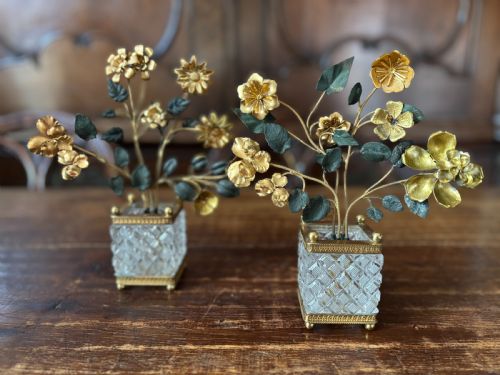
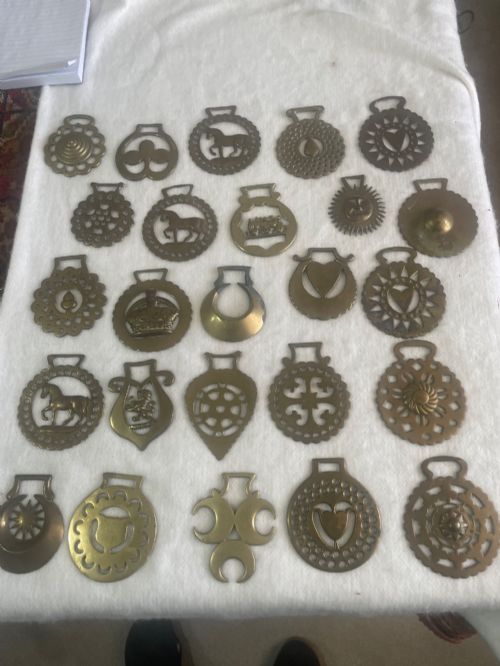
When you search for an antique brass ornament, you encounter a diverse gathering of functional items and decorative figures spanning several centuries of British, European and Asian metalwork. The forms range from heavy doorstops and chimneypiece figures to desk accessories, candlesticks and scale models.
The objects originate from varied eras including the Georgian, Regency and Victorian periods, alongside Edwardian and Art Deco iterations. Many pieces served practical daily roles in domestic interiors before transitioning entirely into decorative display objects.
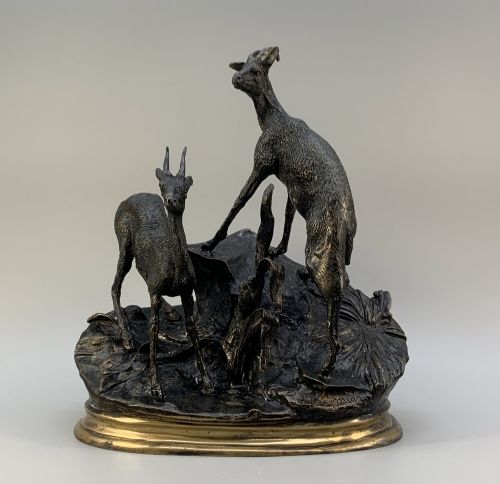
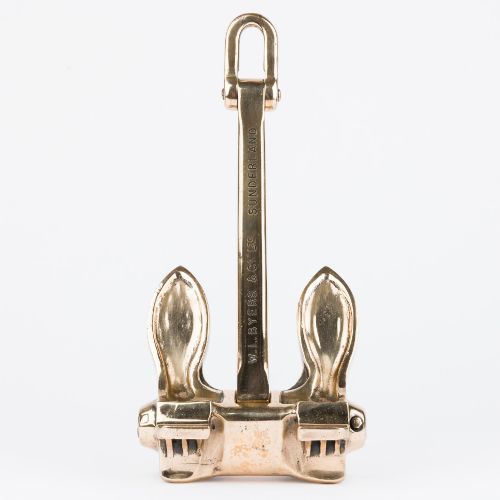
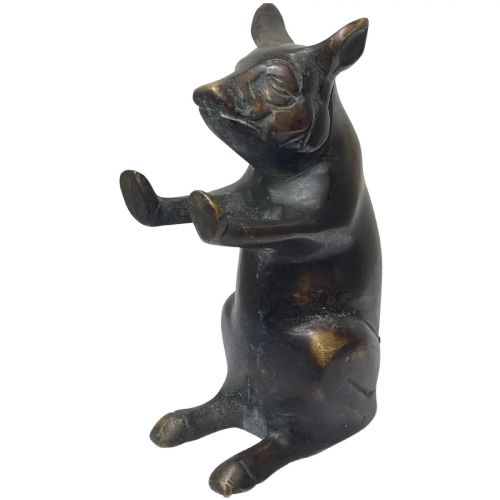
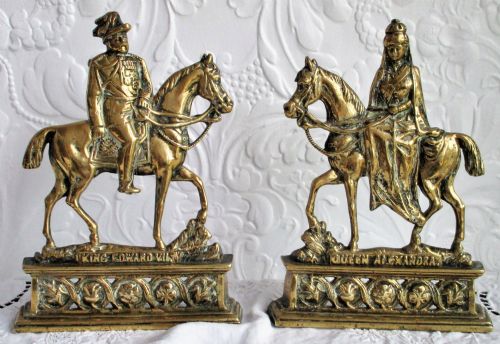
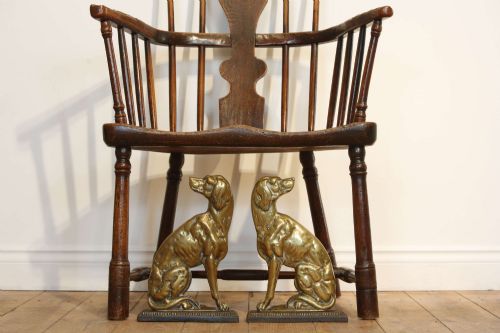
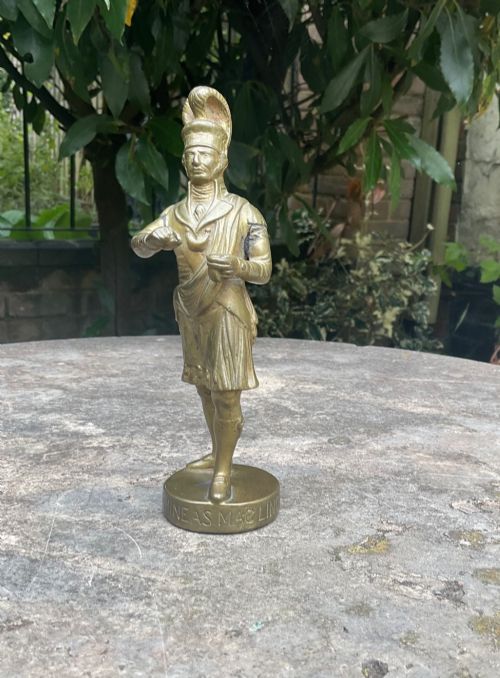
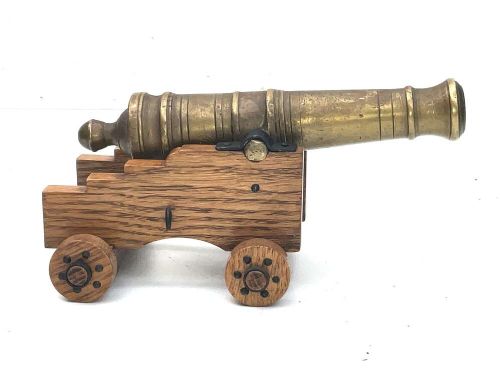
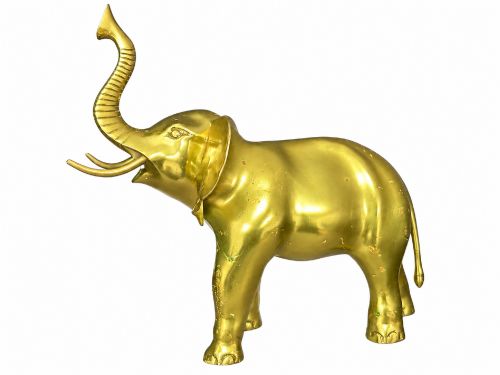
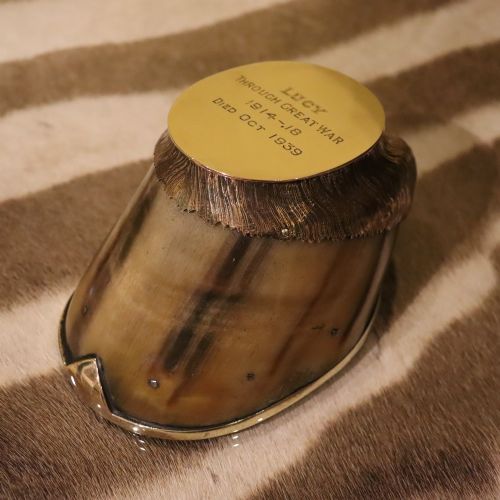
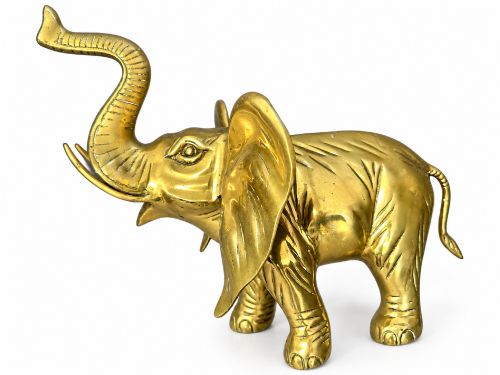
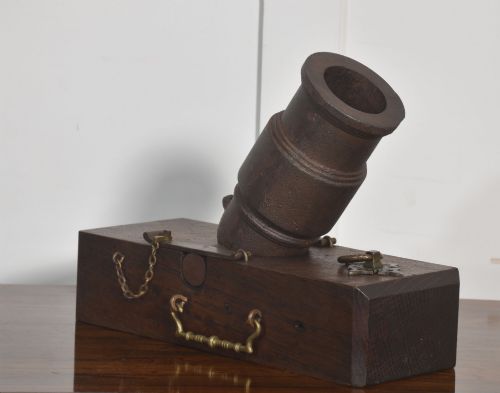
Animal figures prove particularly prevalent among surviving examples, with dogs, lions and horses cast in solid metal. Human figures, architectural models and maritime items like cannons and anchors also appear frequently across the inventory.
Materials and casting methods
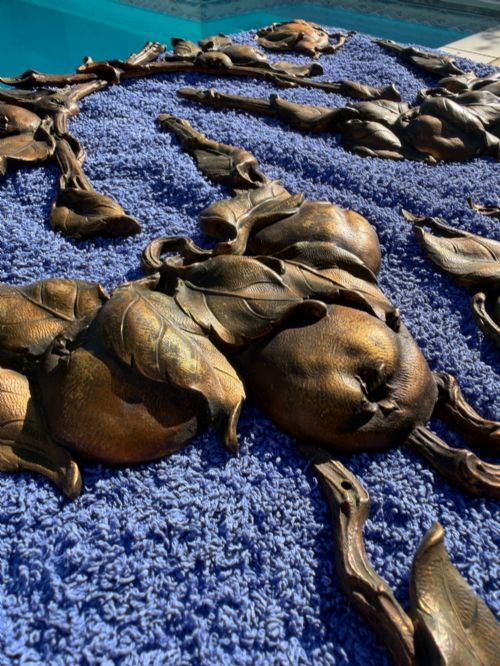
Makers primarily utilised brass, bronze and gilt bronze, often combining the metalwork with supporting elements of wood, marble or cast iron. Solid casting and piercing techniques created both weighty structural pieces and intricate decorative screens or vases.
Finishes varied from polished golden metal to patinated surfaces and fire gilding, while some items incorporated applied porcelain or hand-carved wooden components. Construction methods relied on traditional foundry practices suited to durable utilitarian and ornamental goods.
Antique Brass Ornament Retail Price Guide 2026
Typical asking prices for brass ornament among the pieces listed under this phrase on Sellingantiques today, from the lower quarter to the upper quarter. They describe what is for sale here now, not the wider market.
Listings feature items spanning the eighteenth, nineteenth and twentieth centuries, utilising brass, bronze, wood and marble.
Distinctions in craftsmanship
Original matching pairs and retained patination elevate a piece above standard domestic utilitarian ware. Superior examples maintain their structural integrity without heavy wear to the mounting fixtures or decorative surfaces.
Rowland Ward Ltd·Poix Blin·Josef Lorenzl·George Philips and Son Ltd·Emile-Coriolan Guillemin
The Antique Brass Ornament Glossary
- Brass
- An alloy composed primarily of copper and zinc, valued for its warm golden tone and durability. It formed the staple material for domestic hardware and decorative items throughout the nineteenth century.
- Bronze
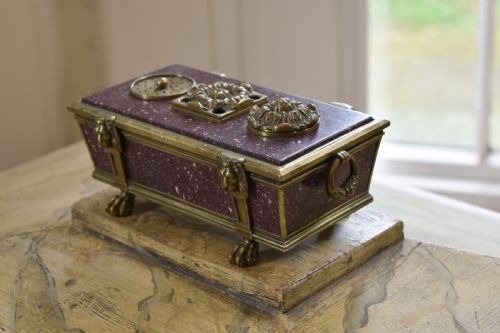
- A copper alloy typically mixed with tin, capable of holding extremely fine detail when cast. It appears frequently in sculptural figures and grand tour desk accessories.
- Gilt bronze
- Bronze that has been coated with a thin layer of gold or gold amalgam to create a bright, rich surface finish. This technique is also known as ormolu on nineteenth-century decorative pieces.
- Andiron
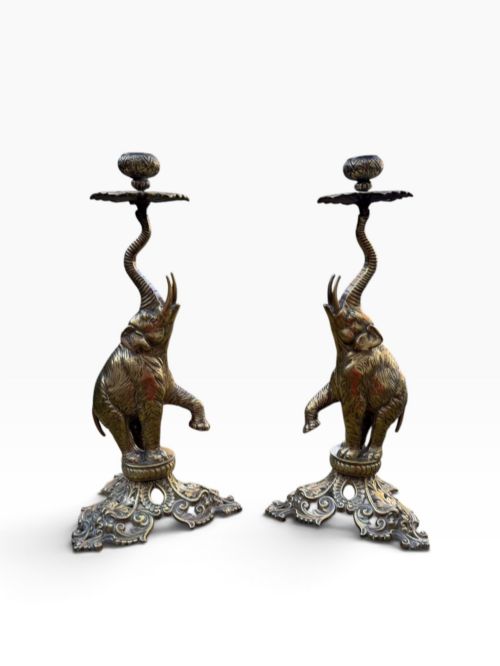
- A horizontal metal support raised on legs, used to hold logs in an open hearth. Pairs of these often doubled as heavy ornamental figures beside the fireplace.
- Grand tour
- A period of European travel undertaken by wealthy young men to collect classical antiquities and souvenirs. This practice generated a market for small bronze sculptures and architectural models.
Antique Brass Ornament: Frequently Asked Questions
What is an antique brass ornament?
These items comprise decorative and functional objects cast from copper alloys during past centuries. They include figures, doorstops, and desk items designed for household use or display.
Craftsmen utilised traditional foundry methods to produce durable pieces that functioned as both practical tools and interior decoration.
How were these brass objects used?
Many pieces served specific domestic tasks such as propping heavy doors, holding fireplace logs, or lighting rooms with candles. Others functioned purely as desk accessories, paperweights, or mantelpiece decorations.
Over time, utilitarian objects like doorstops and cannons transitioned into purely decorative items valued for their historical aesthetic.
How do I clean an antique brass ornament?
Preserving the original surface requires minimal intervention, as harsh polishing removes historical patination and decreases character. Dusting with a soft cloth generally suffices for everyday maintenance.
Avoid chemical dips or abrasive cleaners that strip the aged metal surface and damage the underlying alloy composition.
How can I tell the period of a brass piece?
Dating relies on stylistic clues, casting techniques, and material combinations characteristic of specific eras like the Regency or Victorian periods. Heavier sand-casting marks and tool finishes often indicate older nineteenth-century production.
Comparing the design motifs with documented examples helps establish whether an item originates from the Georgian era or later periods.