




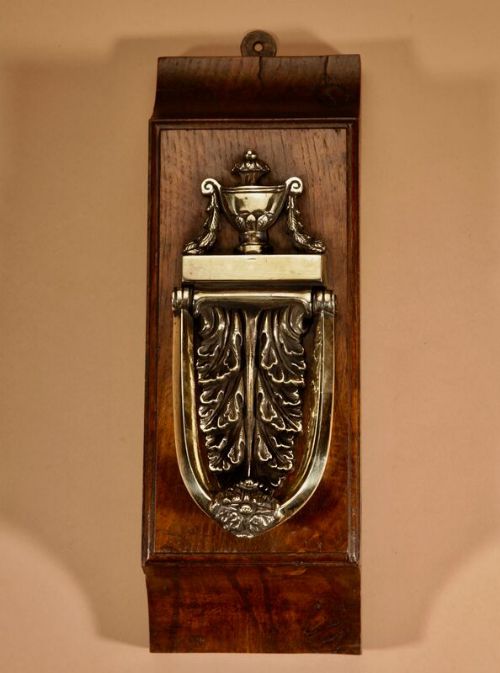

Antique Brass Knocker
An antique brass knocker brings character to an entrance, and these solid pieces combine functional weight with sculptural detail.
What an antique brass knocker is
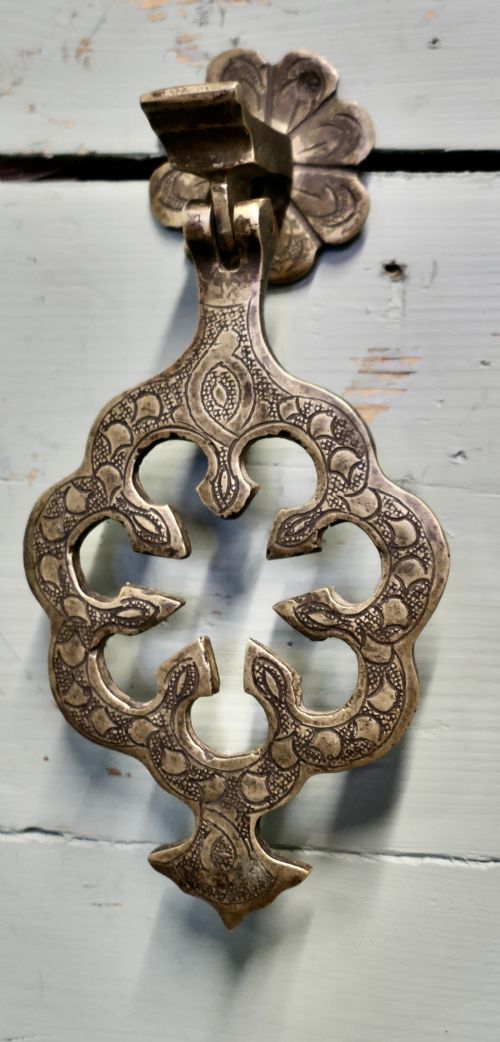
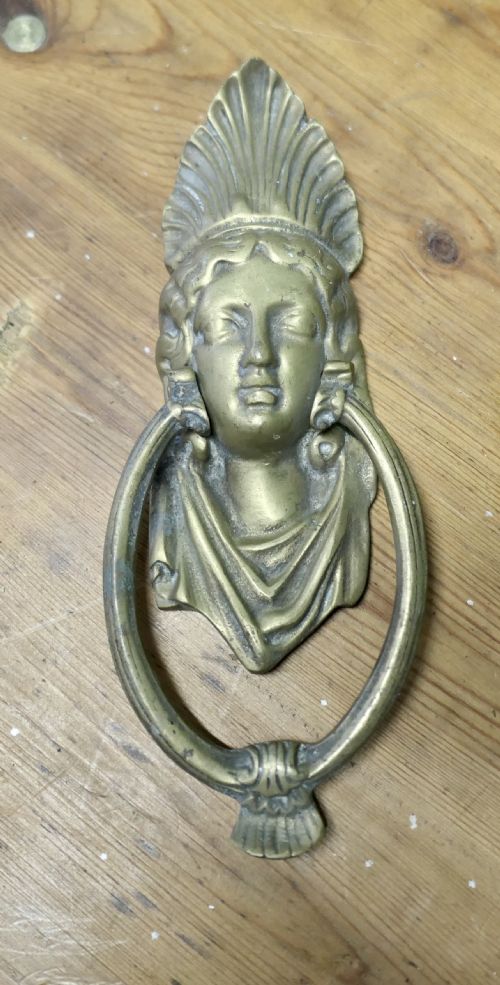
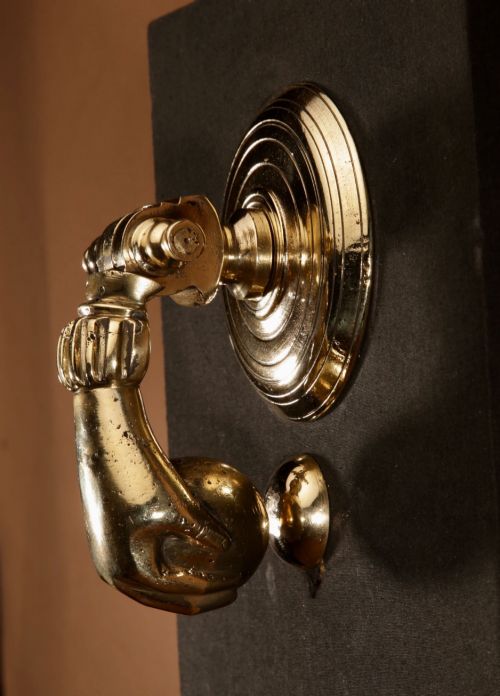
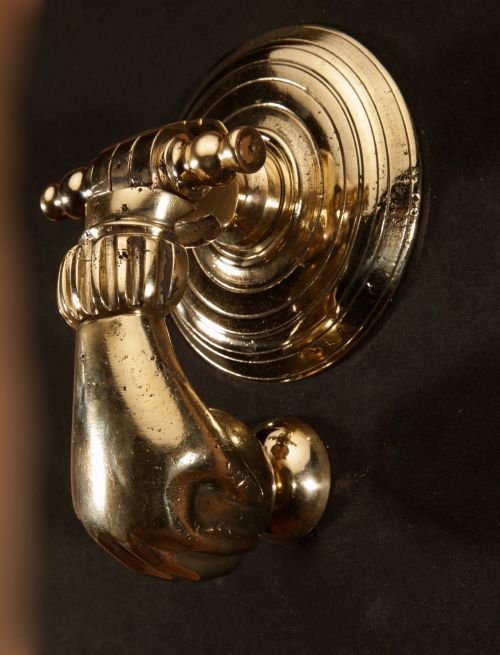
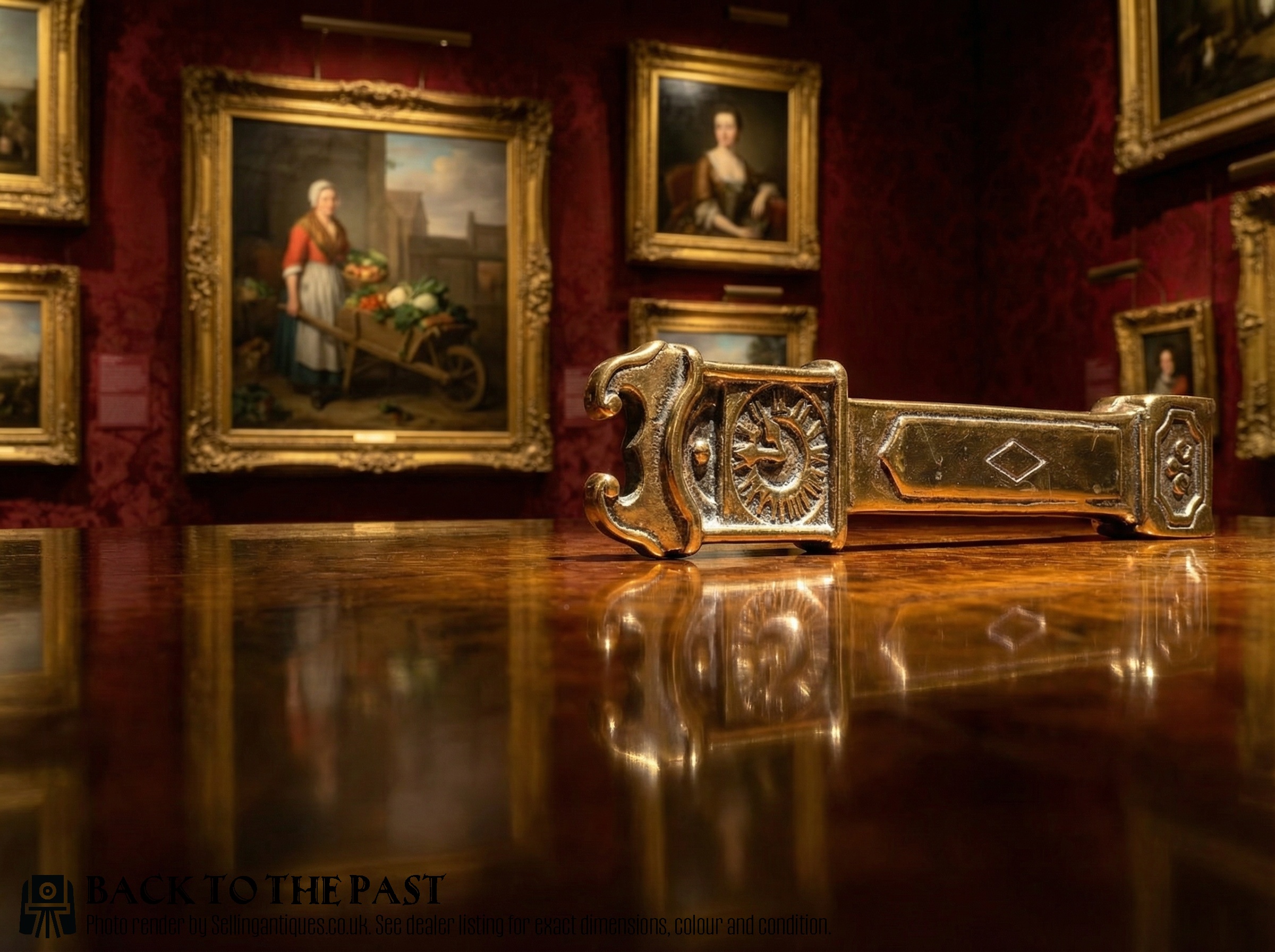
When you search for an antique brass knocker, you encounter a variety of forms spanning the Victorian, Edwardian, and 19th-century periods. These include figural designs, maritime anchors, and architectural motifs intended for front doors.
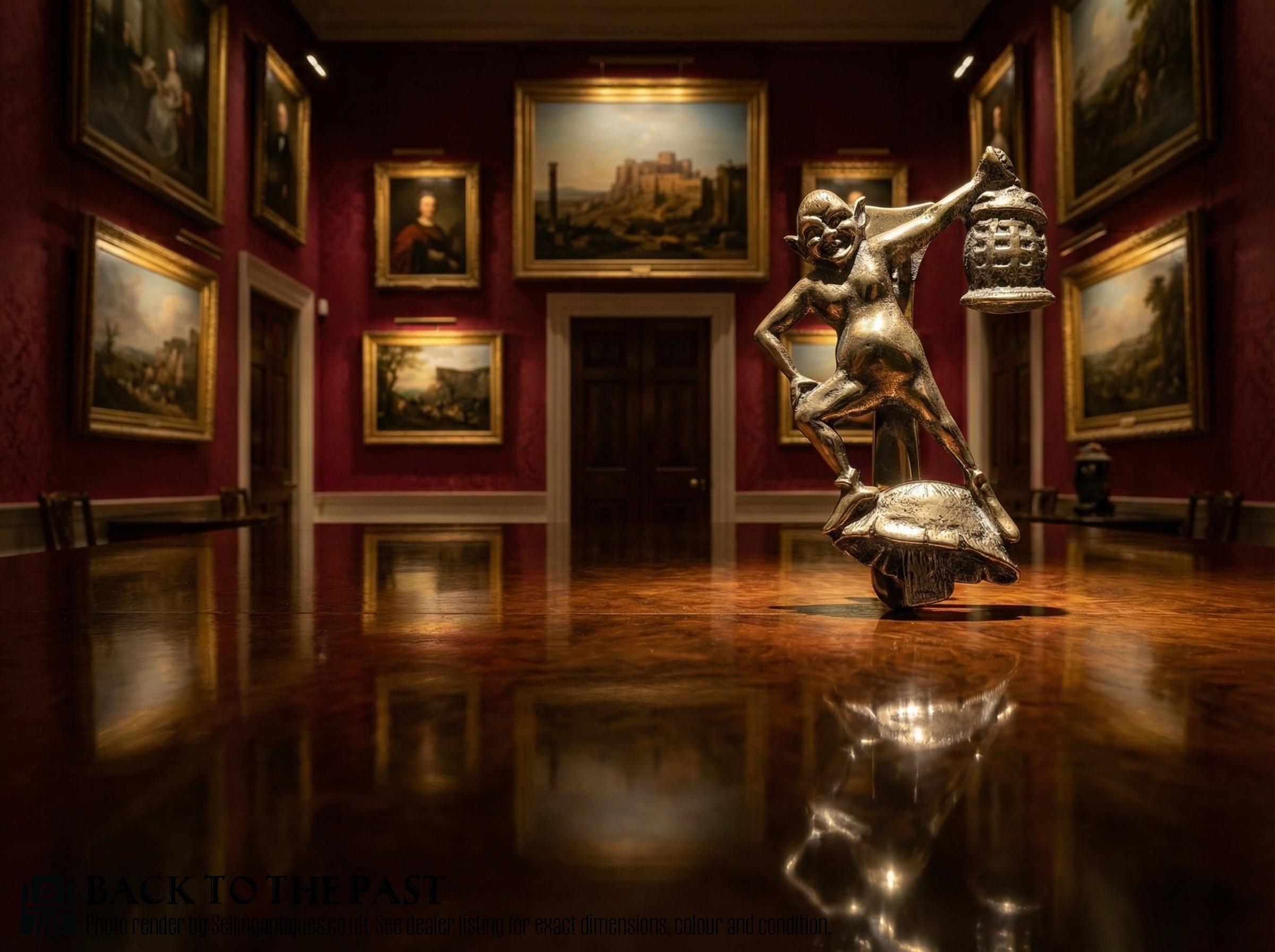
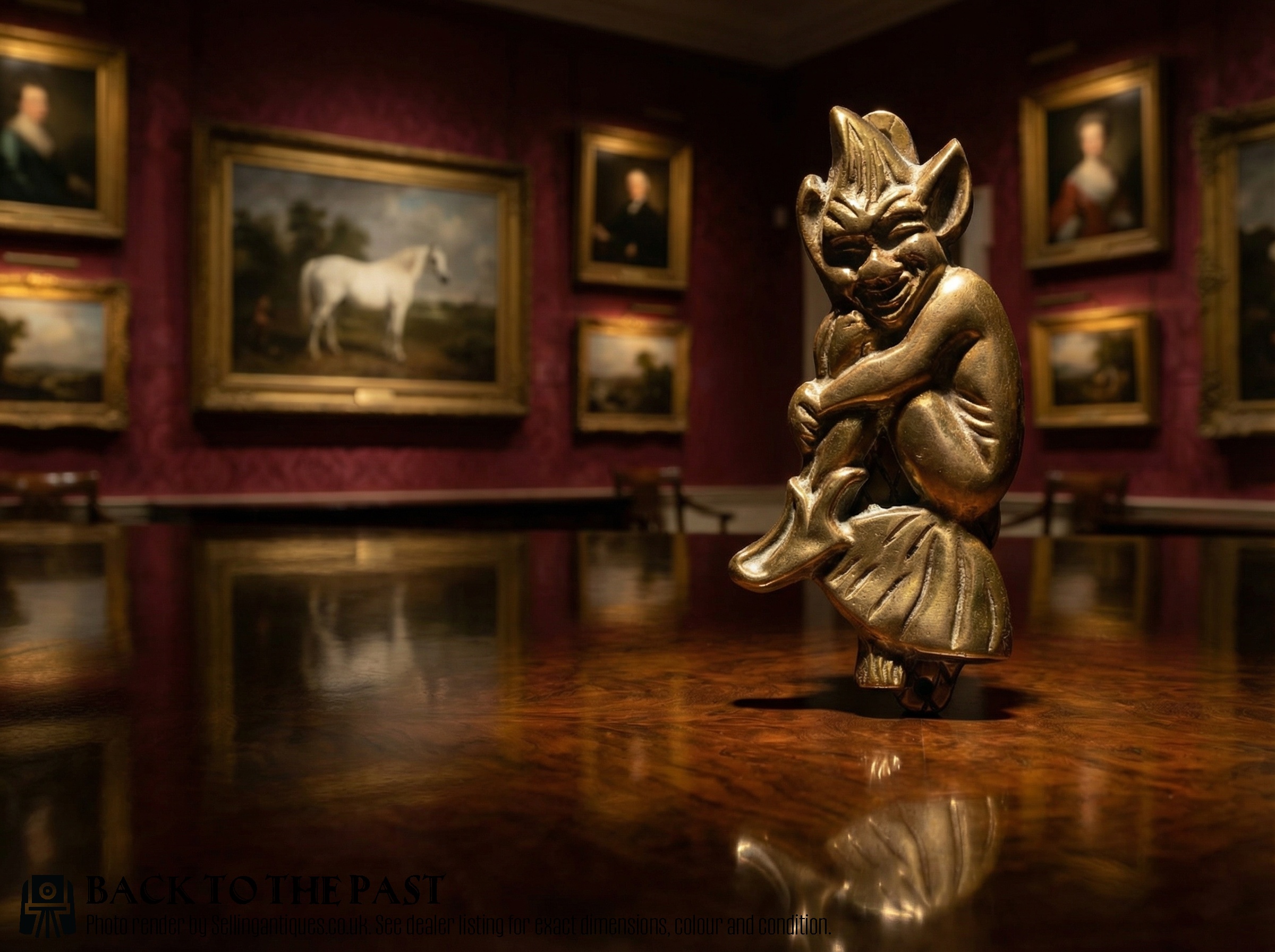
The pieces on this page range from small novelty items to very large, pierced examples. Common pictorial subjects encompass historical figures, mythical creatures, and animals.
Victorian Gothic and novelty styles predominate among the selections. Every piece serves as both a practical door furniture item and a decorative accent.
How they were made
These items are produced from brass and cast brass, utilising traditional founding methods to achieve solid construction. Metal is poured into moulds to create defined figural shapes and structural elements.
Retail Price Guide 2026
Typical UK retail prices for brass knocker, calculated from the Sellingantiques database of over a million retail prices indexed since 2003. This retail price guide relies exclusively on Sellingantiques data; no external sources or auction records are used, so the figures do not describe the wider market.
Listings feature brass and cast brass across Victorian, Edwardian, and 19th-century periods.
What varies in quality
Quality in these objects lies in the crispness of the casting and the depth of the relief work. Finer pieces display distinct facial expressions on figures like imps or historical portraits.
Scale and proportion also define the range, with larger, heavier knockers requiring more substantial metalwork. Pierced and detailed designs demand greater skill from the maker than plain forms.
The Antique Brass Knocker Glossary
- Caryatid
- A sculpted female figure serving as an architectural support. In door knockers, this form often frames the pivot point.
- Striking plate
- The metal plate mounted on the door where the knocker falls. It protects the wood from impact.
- Pierced brass
- Metalwork cut through to create openwork patterns. This technique lightens heavy designs and adds visual complexity.
- Novelty
- An object made in a whimsical or unusual shape. Victorian examples frequently depict folklore characters or animals.
- Maritime
- Pertaining to the sea or shipping. Nautical motifs such as anchors are typical of this design category.
Frequently Asked Questions
How do I fix a door knocker?
Most antique brass knockers attach using threaded bolts that pass through the door from the inside. Ensure the spacing matches the existing holes or drill new ones carefully.
Tighten the nuts gently on the interior side to secure the piece without cracking the metal or damaging the door surface.
Can I polish my brass knocker?
Polishing depends on personal preference and the desired appearance of the metal. Many collectors prefer to leave an aged patina intact.
If you choose to clean it, use a mild brass cleaner and a soft cloth to avoid removing fine casting details.
What periods do these knockers come from?
The pieces available span the 19th century, the Victorian era, and the Edwardian period up to 1920. Styles reflect the aesthetic preferences of these respective decades.
Victorian examples often feature Gothic revival influences or whimsical figure designs.
Are all antique knockers made of solid brass?
The listings consist of brass and cast brass construction. Solid casting gives these objects their notable weight and durability.
Hollow or plated alternatives appeared later, but period pieces rely on heavy metal for function and longevity.