

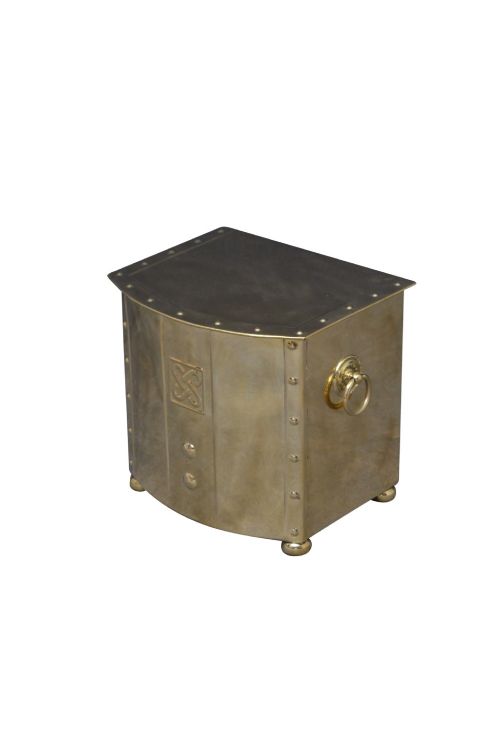


Antique Brass Handle Bin
An antique brass handle bin brings practical fireside utility and rich metallic texture into a room, serving as a handsome container for coal, logs, or plants.
Antique Brass Handle Bin
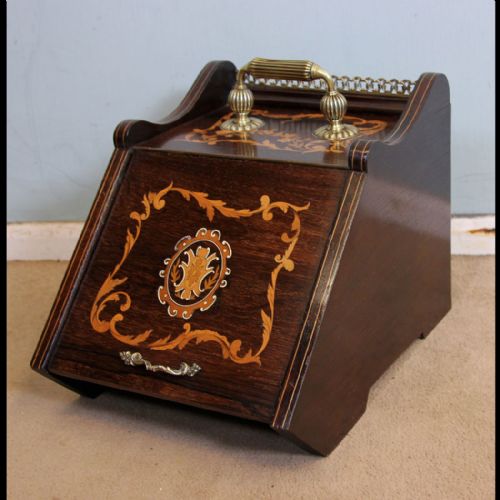
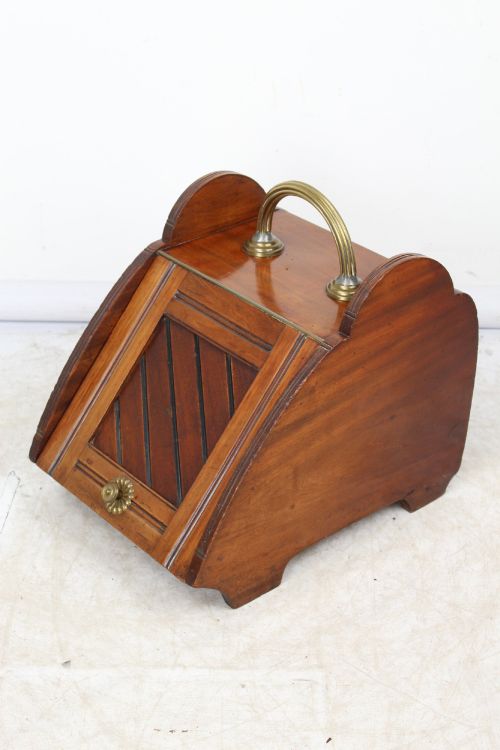
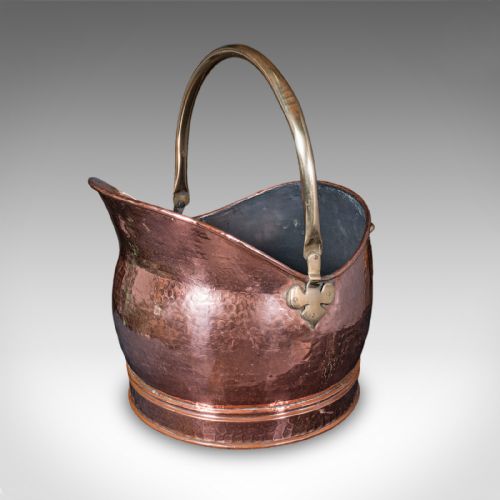
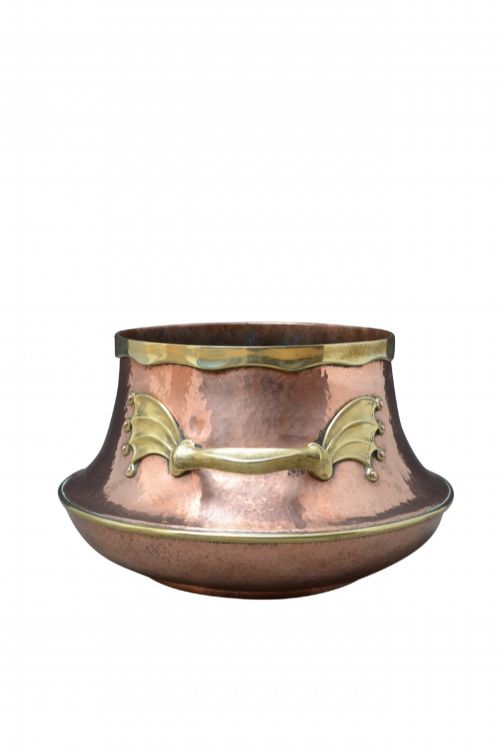
An antique brass handle bin is a utilitarian fireside vessel or container, most frequently encountered here as a Victorian or Edwardian coal scuttle, log bin, or planter made of copper and brass combined with timbers like oak and mahogany. These functional items were designed for daily domestic use beside the fireplace, storing fuel or holding indoor plants.
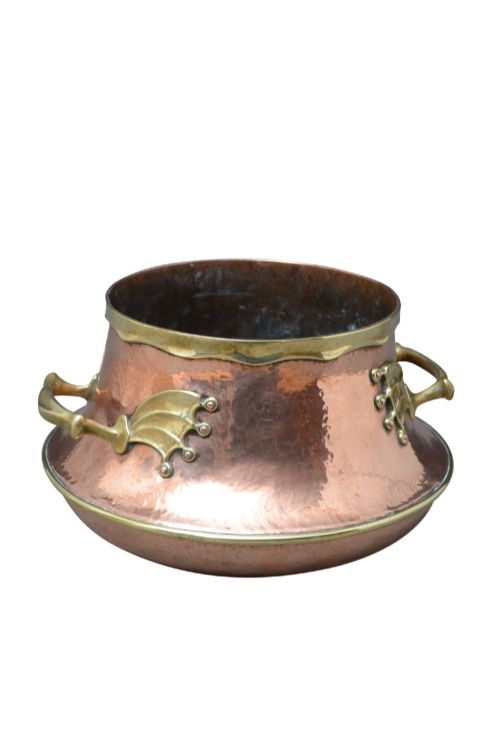
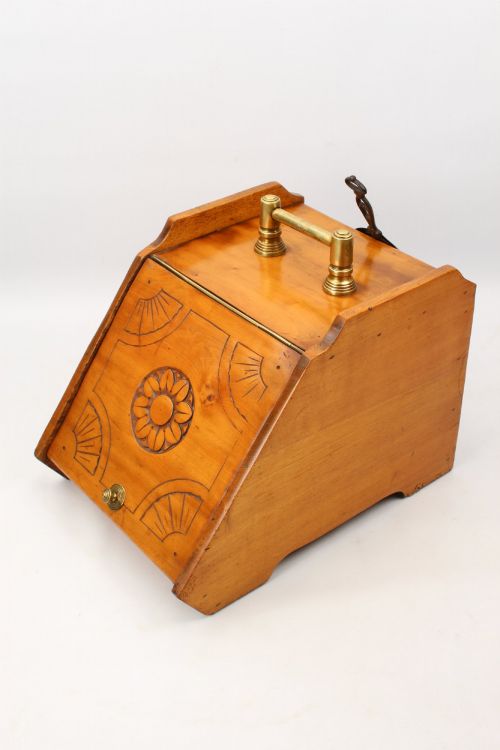
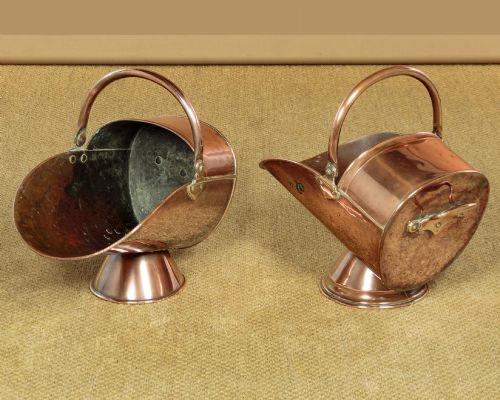
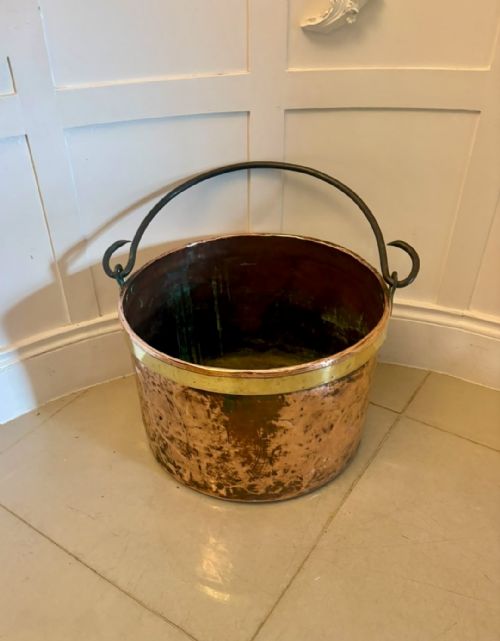
The selection ranges from traditional helmet-shaped coal scuttles and wooden coal boxes with brass carrying handles to large hammered copper cauldrons and water barrels from the nineteenth century. Variations span geometric Art Deco designs and rustic Scandinavian country pieces, all unified by durable metal fittings intended for heavy lifting.
Buyers seeking an antique brass handle bin will find pieces that double as decorative storage chests, umbrella stands, or large jardinieres. The form adapts readily to modern living rooms, where these vessels hold firewood or act as striking floor-standing planters.
How they were made
Makers constructed these bins by combining sheet metals such as copper and brass with solid hardwoods like oak, mahogany, walnut, and pine. Metal bodies often feature hand-hammered surfaces, embossed detailing, or dinanderie work, joined with sturdy brass handles, hinges, and bindings.
Wooden coal boxes and purdoniums utilise traditional cabinet-making techniques, displaying carved fronts, inlays, and panelled construction to house metal liners safely. Planters and buckets frequently employ riveted seams to ensure watertight integrity when holding soil or water.
Antique Brass Handle Bin Retail Price Guide 2026
Typical asking prices for brass handle bin among the pieces listed under this phrase on Sellingantiques today, from the lower quarter to the upper quarter. They describe what is for sale here now, not the wider market.
Some nineteenth-century water barrels found a second life hauling coal, proving that a sturdy metal bucket cares little about its job title.
What varies in quality
Quality rests in the substantial gauge of the metal and the integrity of the timber framing rather than surface wear alone. Thicker copper and heavy brass handles indicate superior craftsmanship that withstood decades of hearthside hauling.
Carved wooden coal boxes show distinction through crisp detailing on panels, solid dovetail joinery, and intact interior metal liners. Inferior examples rely on thin plating and loose joints that fail under the weight of heavy fuel.
William Soutter & Sons
The Antique Brass Handle Bin Glossary
- Coal scuttle
- A fireside container designed with a wide mouth and a hinged handle for carrying coal to the hearth. These vessels often take a helmet or bucket shape.
- Purdonium
- A specialised type of cabinet or box designed to store coal neatly indoors, usually featuring a sloping drop-front and an integrated shovel compartment.
- Dinanderie
- A medieval term revived for decorative brass and copper objects, describing vessels worked into intricate shapes through hammering and embossing.
- Jardiniere
- An ornamental pot or stand, typically made of metal or ceramic, intended to hold large indoor plants or flowers.
- Barge ware
- Highly decorative folk art painted on metalware and tin, originating from canal boats and featuring bright floral motifs.
Antique Brass Handle Bin: Frequently Asked Questions
How do I clean copper and brass bins?
Maintenance depends on whether you prefer a deep historic patina or a bright polished finish. Most collectors simply dust the surface and apply a gentle wax to preserve the aged metal.
Avoid harsh chemical abrasives that strip away centuries of character and thin the original metal sheets.
Can I use these bins for logs?
Many of these vessels were originally made as log buckets, coal bins, or water barrels, making them ideal for holding firewood beside a modern hearth. Sturdy construction in copper, brass, and thick oak ensures they handle heavy logs without structural damage.
For damp wood, ensure the interior metal liner remains sound to protect surrounding floors.
How do I tell Victorian bins apart from earlier ones?
Victorian pieces often display heavier machine-pressed embossing, eclectic stylistic revivals, and standardised brass hardware. Earlier pieces from the Georgian period tend to feature simpler, heavier timber construction with hand-forged iron or brass bindings.
Examining the fixings, interior construction, and wood species helps determine the correct era.