

Antique Brass Globe
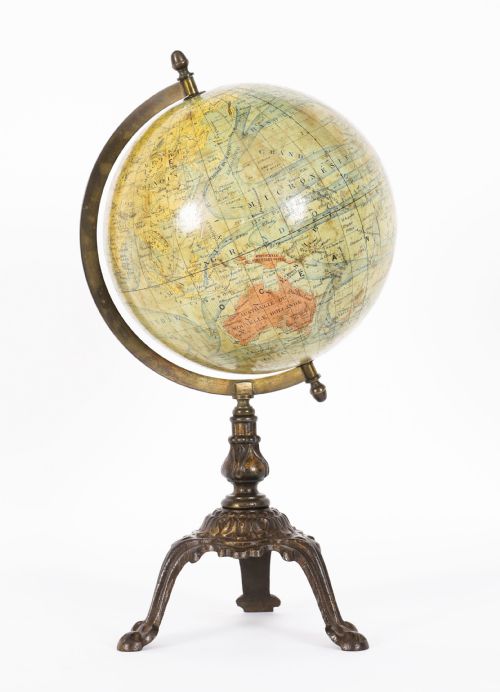
An antique brass globe combines geographical history with metalwork, bringing physical maps and scientific instruments into a room as decorative objects.
Antique Brass Globe
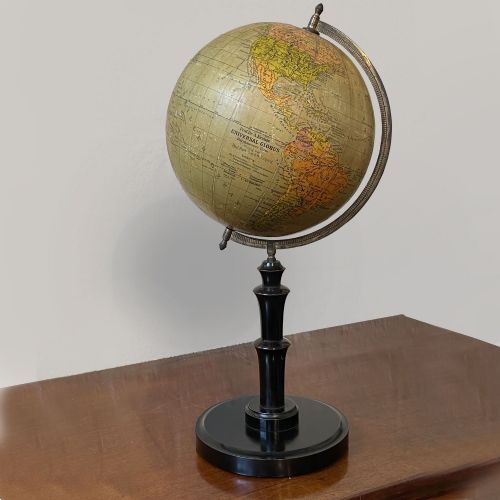
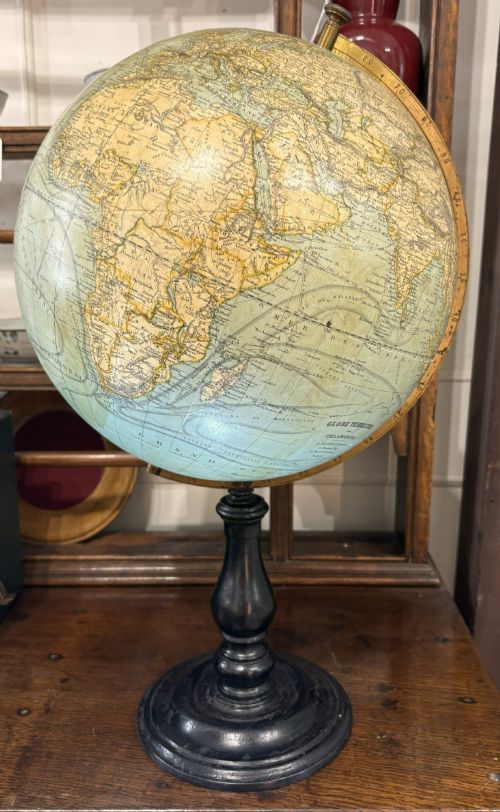
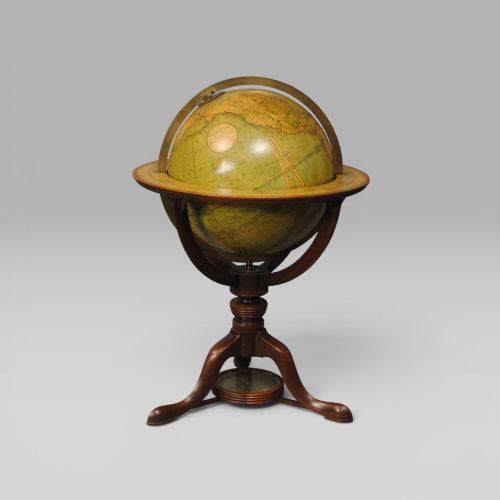
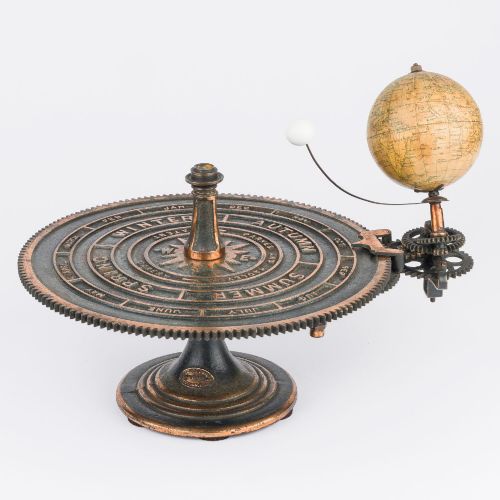
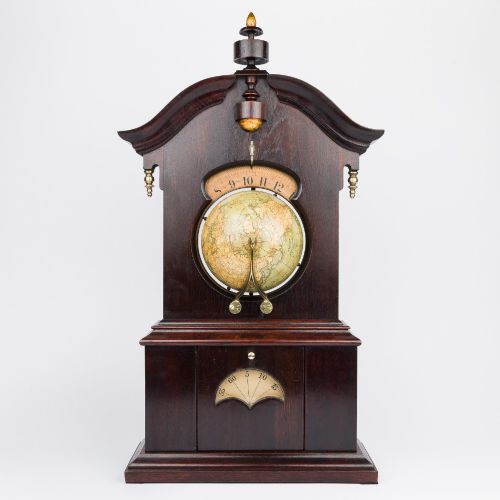
An antique brass globe typically presents geographical or celestial details mounted on metal stands, often appearing alongside related brass lighting and scientific instruments from the nineteenth and early twentieth centuries. These pieces encompass table globes, floor-standing globes, and pocket instruments that record changing world boundaries and cartographic conventions over decades.
Materials and construction methods
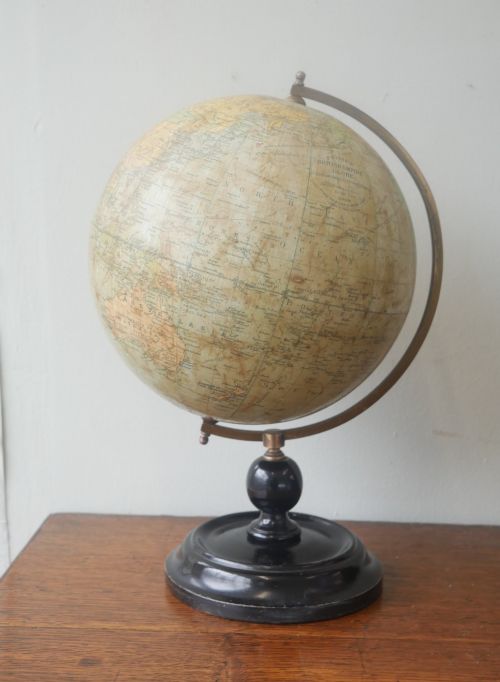
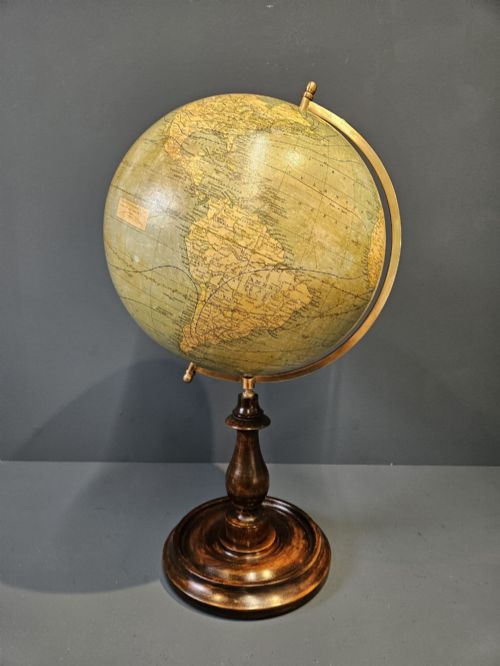
Craftsmen built these globes using layered paper gores printed with cartographic details, applied over spherical plaster cores or papier-mâché bases. The resulting spheres rested on cast brass mountings, meridian rings, and wooden or walnut feet that allowed rotational movement.
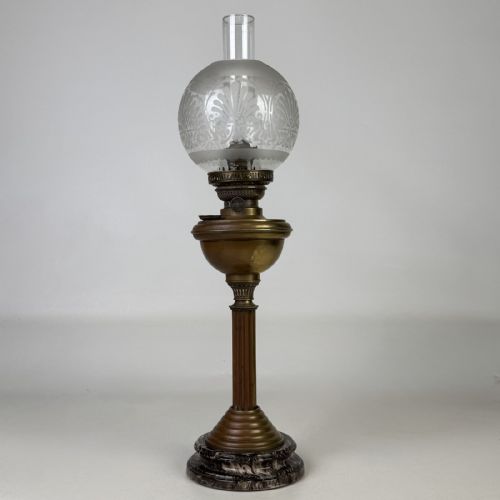
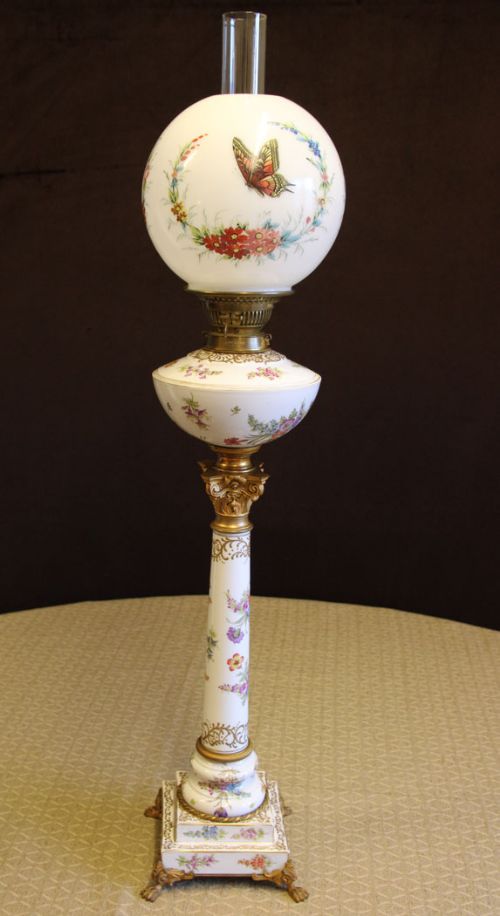
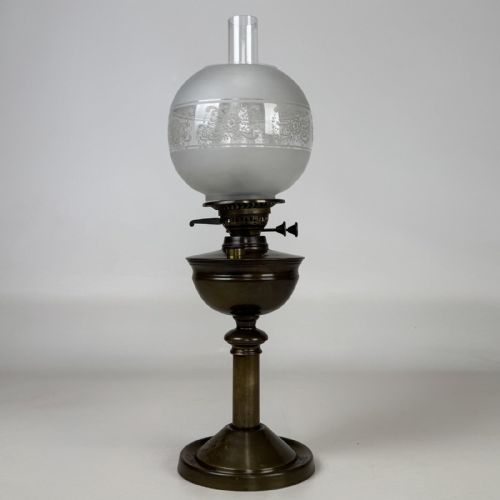
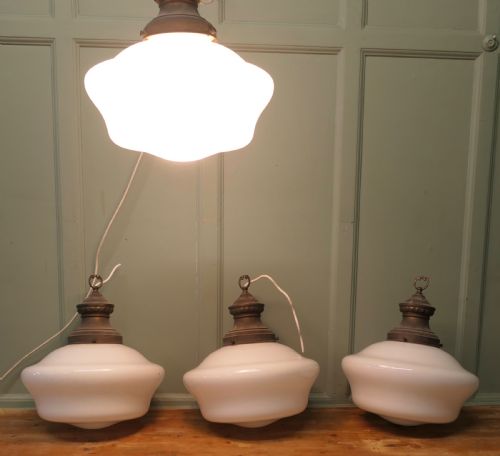
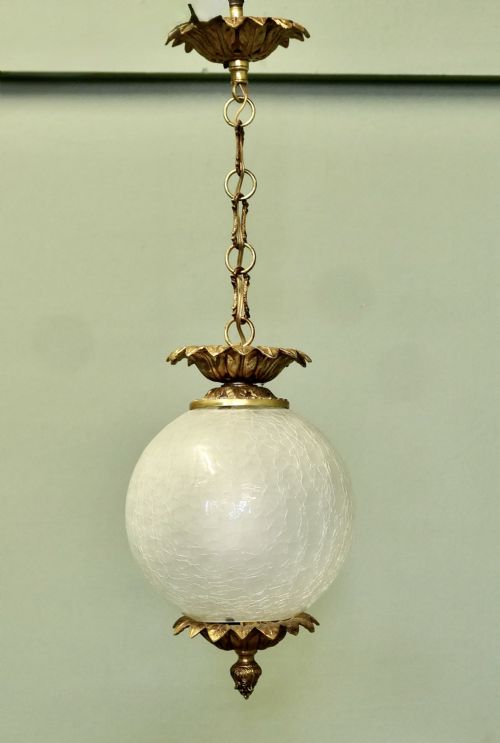
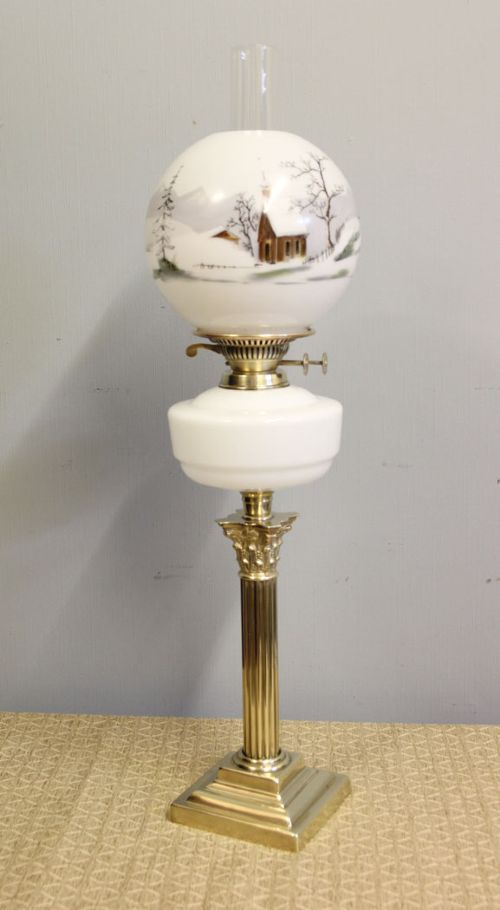
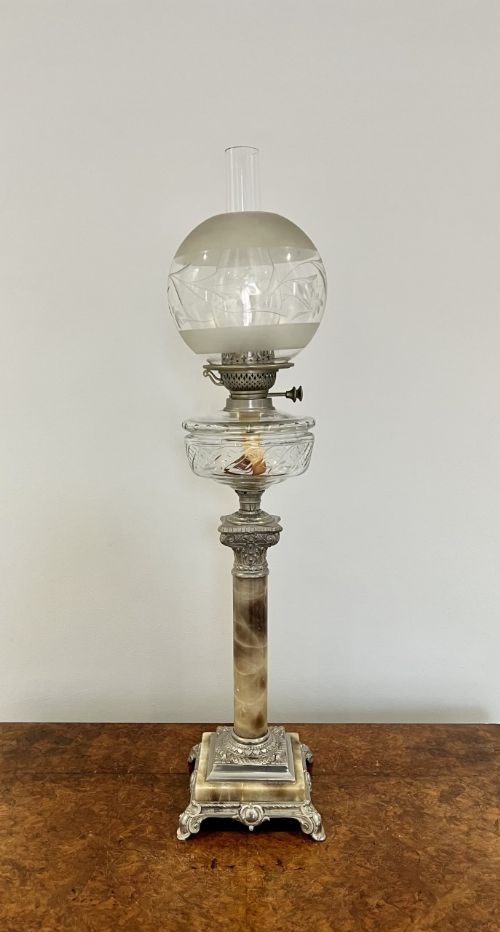
Lighting variants combined solid brass collars and fonts with glass components, including frosted, opaline, moonstone, and etched shades. Metalworkers utilised turning, casting, and polishing techniques to finish the structural brass elements and associated scientific mountings.
Antique Brass Globe Retail Price Guide 2026
Typical asking prices for brass globe among the pieces listed under this phrase on Sellingantiques today, from the lower quarter to the upper quarter. They describe what is for sale here now, not the wider market.
Listings feature brass globes and scientific instruments alongside Victorian oil lamps utilising opaline, frosted, and etched glass shades.
Assessing quality in construction and cartography
Quality rests in the crispness of the cartographic printing on the paper gores and the precision of the brass meridian rings and mountings. Finer examples maintain legible place names, intact paper surfaces without extensive losses, and sturdy, well-cast metal components.
The weight and finish of the brass base distinguish finer pieces, as do the materials used for secondary supports, such as turned mahogany, walnut, or marble feet. Superior items retain their original mechanical parts, such as working compasses in portable instruments or original matching glass shades on oil lamps.
Cary·Lebegue and Cie·Phillips·George Philips and Son Ltd·Hinks of Birmingham·Hughes and Son·Malby·J Forest
The Antique Brass Globe Glossary
- Terrestrial globe
- A spherical map representing the earth, detailing continents, oceans, and political boundaries. These objects frequently date from the nineteenth and early twentieth centuries.
- Celestial globe
- A sphere mapping the stars, constellations, and astronomical coordinates relative to Earth. They often appear paired with terrestrial equivalents in library settings.
- Gores
- Printed paper strips shaped like liques that cartographers pasted onto spherical plaster cores to form a complete map. Their alignment indicates the precision of the manufacturing process.
- Meridian ring
- The graduated brass semi-circle holding the globe, allowing it to rotate along an axis. This metal component supports the weight of the sphere.
- Armillary sphere
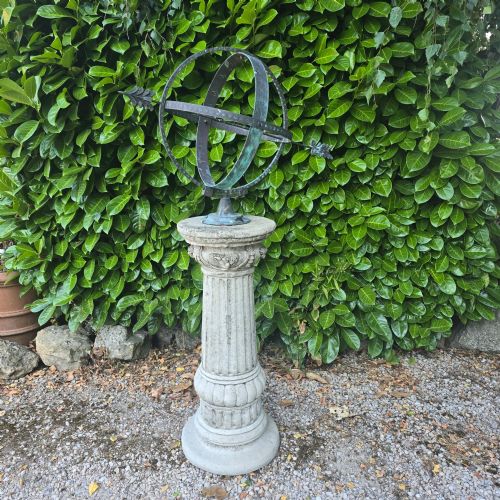
- An astronomical model of objects in the sky, consisting of a skeletal framework of rings centred on Earth or the sun. These brass and metal instruments function as scientific devices or garden sundials.
Antique Brass Globe: Frequently Asked Questions
How do I date an antique globe?
Dating relies on the geographical boundaries, political names, and shipping routes printed on the paper gores. Cartographers often updated these details, allowing comparison with known historical maps from periods like the Victorian era or the 1920s.
Additional clues appear in the typography, the style of the brass base, and any manufacturer stamps or publication dates printed directly on the cartouche.
What is the difference between a terrestrial and celestial globe?
A terrestrial globe depicts the earth's surface, showing countries, oceans, and cities as understood at the time of printing. A celestial globe maps the night sky, illustrating constellations and stars from an outward-looking perspective.
Library sets historically paired these two types together on matching wooden and brass stands to serve both geographical and astronomical studies.
How should I clean a brass and paper globe?
Dust paper gores gently with a soft, dry microfibre cloth, avoiding any liquids, moisture, or chemical cleaners that can dissolve the old adhesives and inks. Keep these pieces away from direct sunlight to prevent the paper from fading and the plaster core from drying out.
Clean exposed brass elements with a dry cloth or specialised metal polish, taking care to prevent cleaning agents from touching the paper map surfaces or wooden bases.
What materials were used to make antique globes?
Makers constructed the spherical bodies using plaster or papier-mâché covered in printed paper gores. These spheres mounted into cast brass meridian rings and stood on turned wooden bases made from materials like mahogany, walnut, or oak.
Associated scientific instruments and lighting pieces incorporate similar brass elements combined with glass, marble, copper, and iron components.