


Antique Brass Footed Cabinet
An antique brass footed cabinet brings structural elegance and fine timber to a room, offering practical storage grounded by distinctive metal mounts.
Antique Brass Footed Cabinet
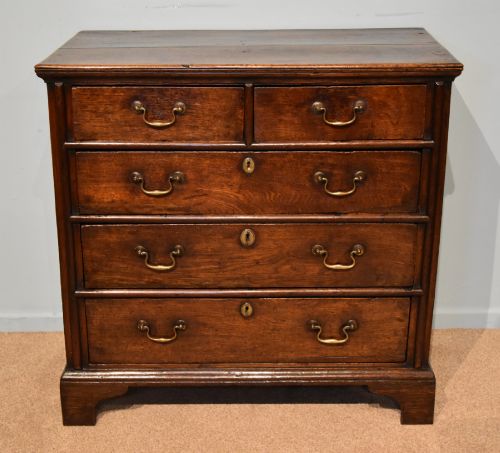
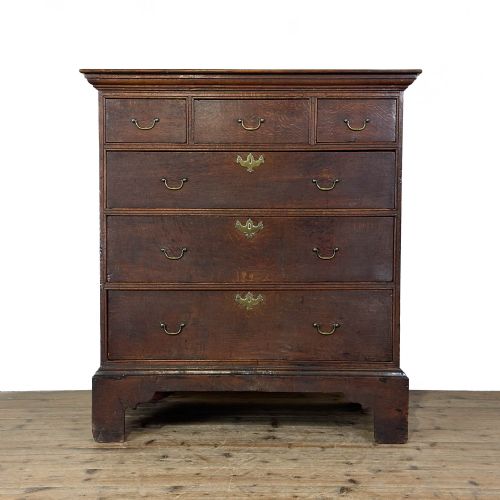
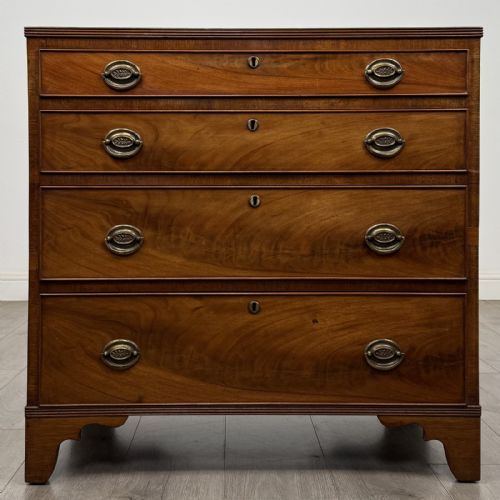
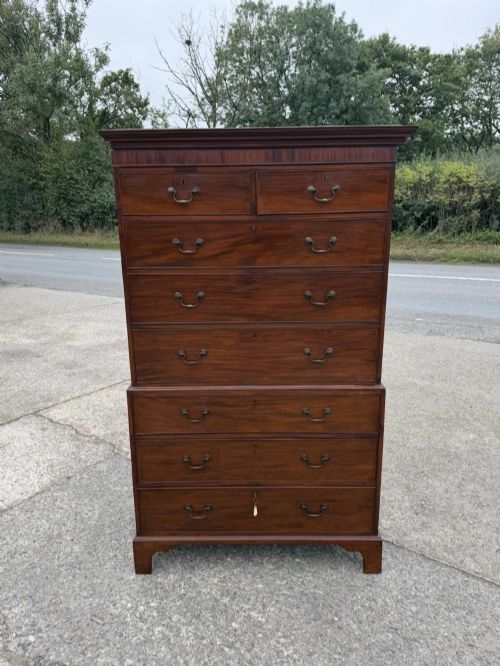
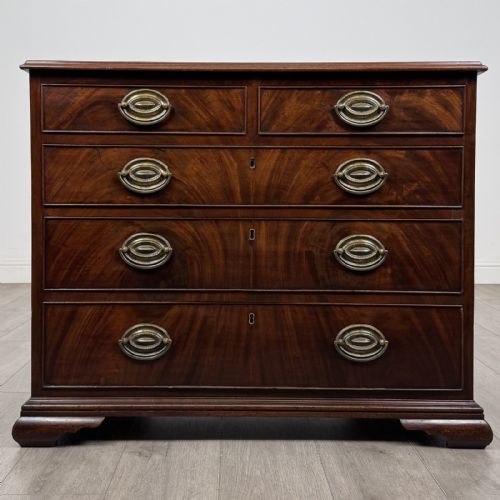
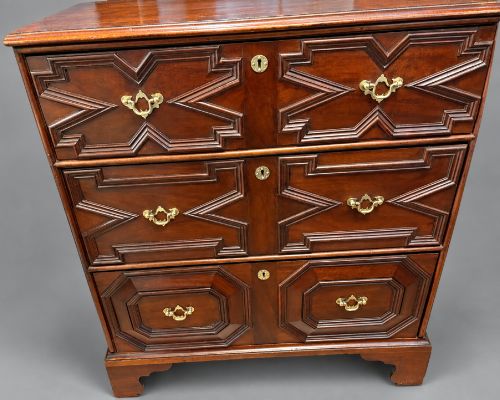
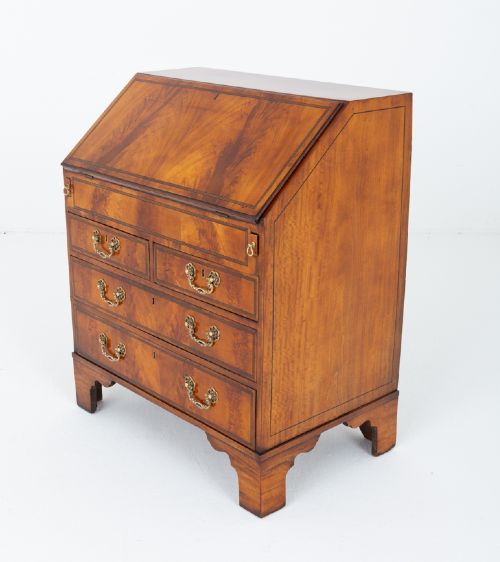
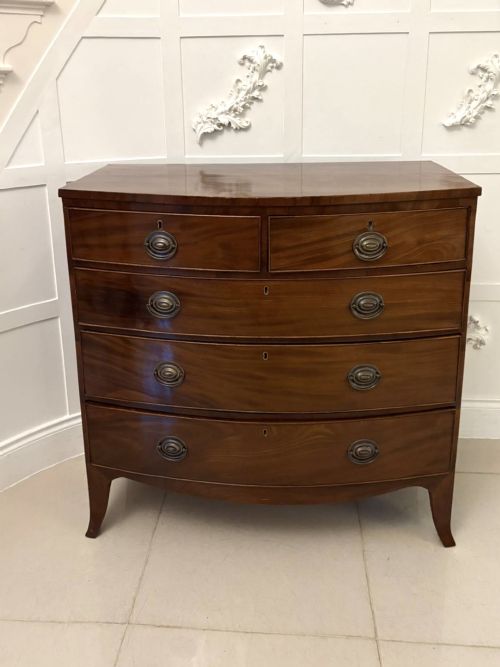
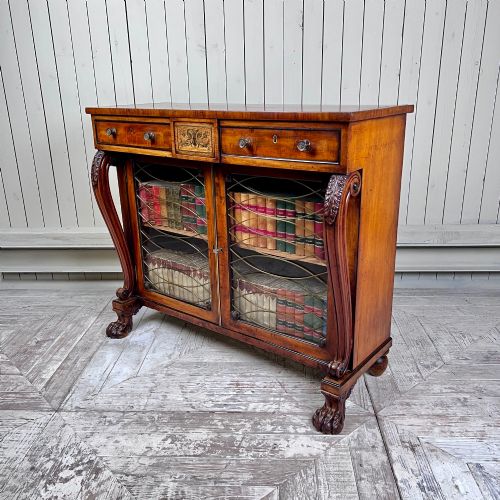
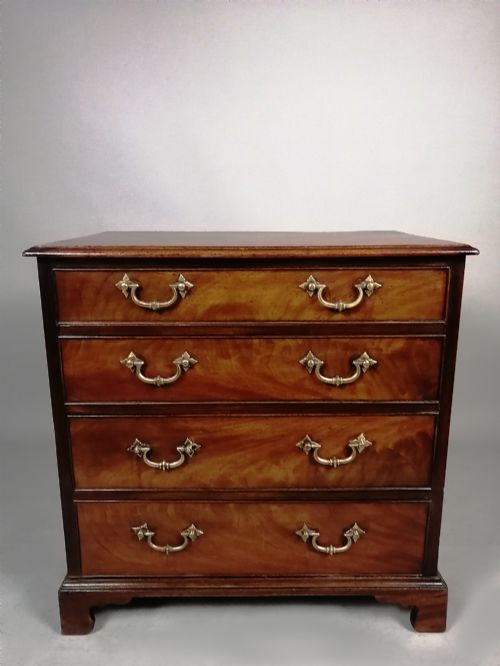
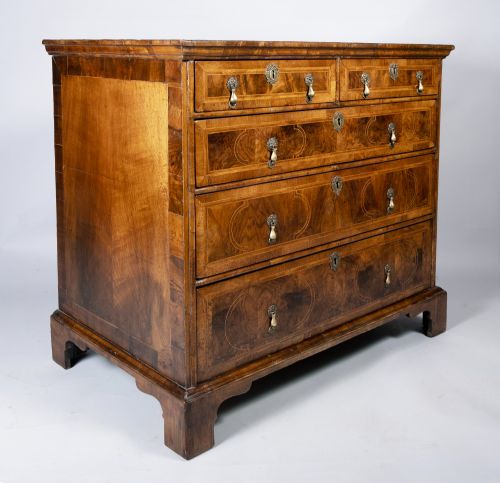
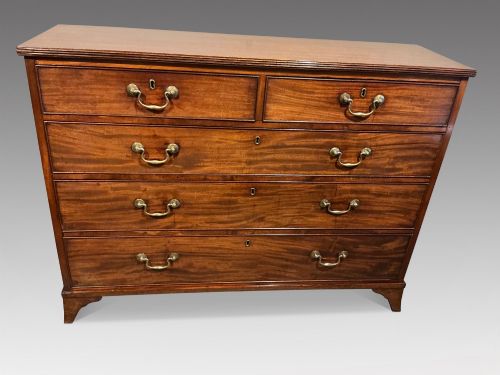
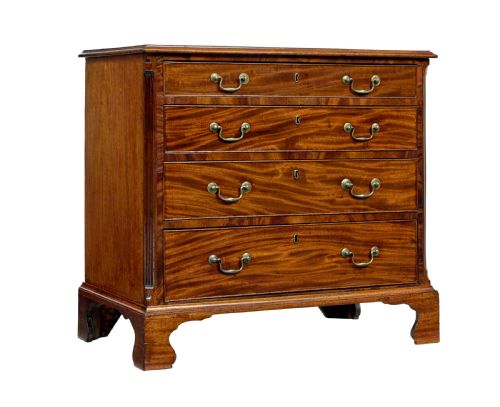
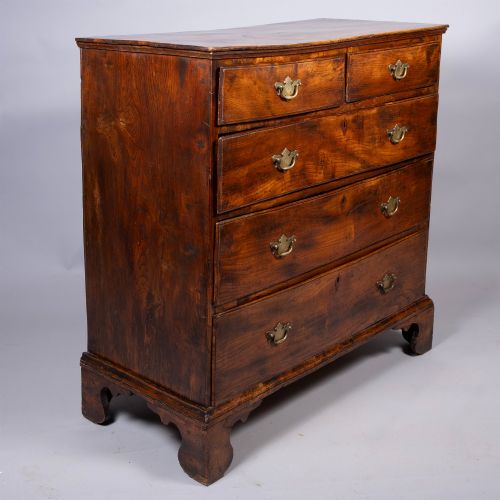
When searching for an antique brass footed cabinet, buyers encounter a diverse selection of storage furniture primarily spanning the eighteenth and nineteenth centuries. The evidence shows that these pieces frequently manifest as chests of drawers, side cabinets, bookcases, and chiffoniers rather than dedicated single-form display units. Georgian, Regency, and Victorian periods dominate the inventory, bringing substantial cabinet-making traditions into domestic spaces.
How they were made
Cabinet-makers constructed these pieces using dense hardwoods like mahogany, oak, and walnut, frequently applying figured veneers to principal surfaces. Timber frames were joined using traditional methods to ensure longevity, while secondary woods were utilised for internal drawer linings and back panels.
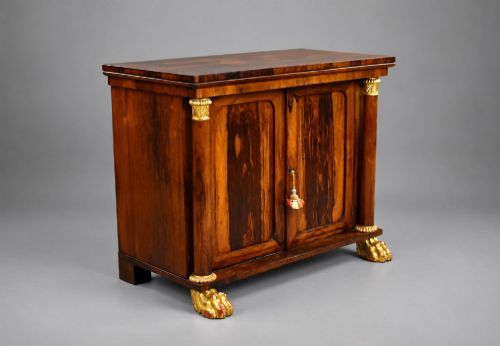
Metalwork played a crucial structural and decorative role, with cast or chased brass used for feet, handles, and inlay details. Ebony stringing and pen-work occasionally supplemented the primary timbers to create crisp linear contrasts across Regency and Georgian surfaces.
Antique Brass Footed Cabinet Retail Price Guide 2026
Typical asking prices for brass footed cabinet among the pieces listed under this phrase on Sellingantiques today, from the lower quarter to the upper quarter. They describe what is for sale here now, not the wider market.
Listings span four centuries of cabinet-making, featuring prominent eighteenth-century walnut and mahogany alongside nineteenth-century rosewood and elm.
What varies in quality
The degree of figuration in the timber and the precision of veneer matching distinguish finer examples from standard production. Cabinet-makers who selected highly figured burr walnut, Cuban mahogany, or patterned elm achieved surfaces with greater visual depth.
Originality of mounts, feet, and surface patination heavily influences the standing of a piece. Cabinets retaining contemporary brass paw feet and undamaged period handles demonstrate superior preservation compared to those altered by later restorations.
William Gomm
The Antique Brass Footed Cabinet Glossary
- Chiffonier
- A low sideboard or cabinet, typically featuring shelves or drawers, popular during the Regency and Victorian periods.
- Pedestal cabinet
- A freestanding single-door cupboard resting on a plinth base, often designed to match larger suite furniture.
- Brushing slide
- A pull-out wooden shelf integrated into the upper section of a chest of drawers for writing or folding garments.
- Stringing
- A thin inlay of contrasting timber used to outline panels and drawers on finer Georgian and Regency furniture.
- Bowfront
- A convex curved cabinet front that projects outward in a smooth arc, frequently seen on late eighteenth-century chests.
Antique Brass Footed Cabinet: Frequently Asked Questions
What rooms suit an antique cabinet?
These cabinets suit living rooms, hallways, and bedrooms where enclosed storage and display surfaces are required. Their compact proportions allow them to function effectively as side pieces without dominating a room.
The diverse forms, ranging from tall bookcase cabinets to low bedside tables, integrate easily into varied domestic layouts.
How do I identify a Georgian piece?
Georgian cabinets often display rich mahogany or walnut timbers, traditional bracket feet, and proportioned drawer arrangements. Look for construction details such as hand-cut dovetails and period brass hardware.
Stylistic shifts across the era move from simple walnut forms to refined mahogany and satinwood pieces with subtle inlay work.
What is a chiffonier?
A chiffonier is a compact sideboard style that emerged during the Regency period, often fitted with enclosed lower cupboards. They provide convenient surface space combined with concealed shelving.
Many examples feature decorative brass grilles or fine timber veneers that mark them out as sophisticated reception room furniture.
Are brass feet common on cabinets?
Brass feet, particularly cast paw designs, frequently appear on Regency and late Georgian writing desks and cabinets. They provide a crisp metallic contrast to dark woods like mahogany and rosewood.
These mounts serve both a decorative purpose and protect the lower timber extremities from floor moisture and wear.