







Antique Brass Entrance Knocker
An antique brass entrance knocker meets every visitor at the threshold with a satisfying weight and a rich patina.
Antique Brass Entrance Knocker
An antique brass entrance knocker serves as both a practical door fitting and a striking decorative statement for an exterior door. When you search for an antique brass entrance knocker, you encounter heavy cast metal hardware designed to announce visitors with authority.
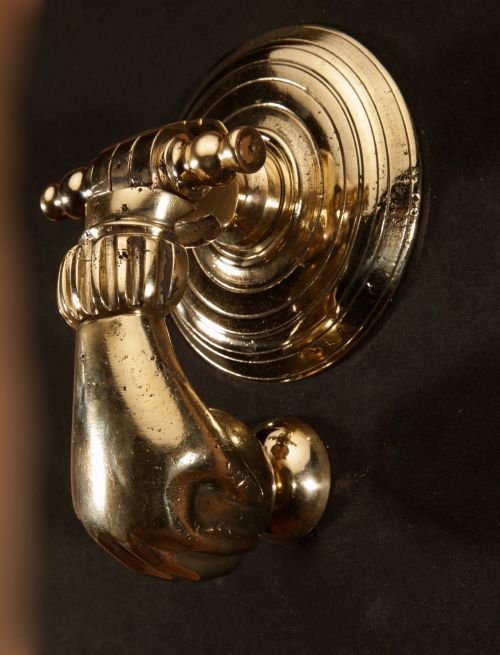
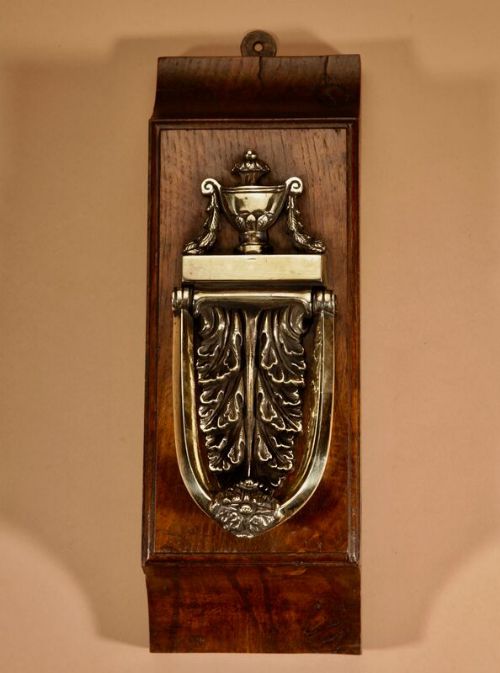
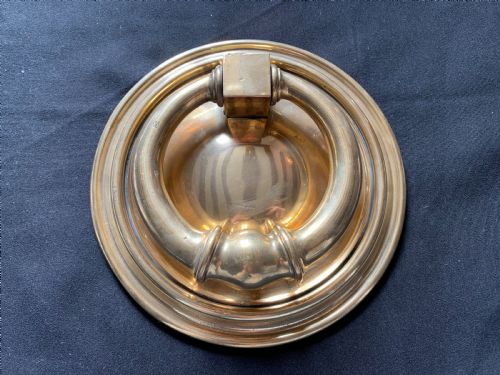
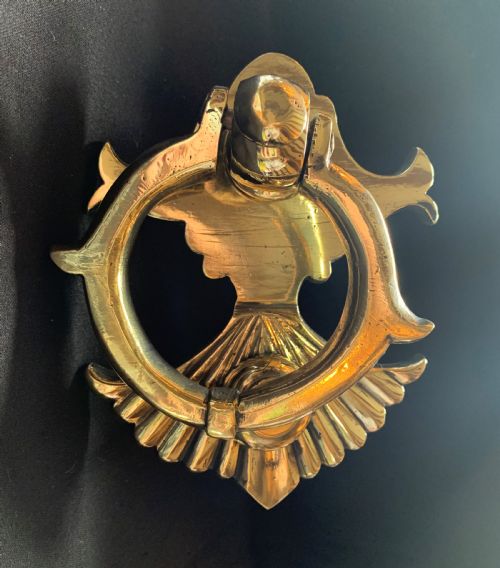
The pieces on this page span several distinct periods, including the Victorian era, the Georgian period, and the early twentieth century. You will find standard door knockers alongside specific forms such as anchors, hands, doctors knockers, and Maltese dolphins.
Origins range from domestic British examples to continental pieces executed in the Louis Seize style and Renaissance Revival forms. Each object reflects the aesthetic preferences and architectural demands of its original period.
How they were made
Makers utilised casting techniques to shape molten brass and bronze into intricate three-dimensional forms like hands, dolphins, and anchors. Solid brass and heavy gauge bronze provided the necessary heft to produce a clear, resonant sound when dropped against a striking plate.
Certain examples incorporate secondary materials such as iron for fixing mechanisms or are mounted upon oak backplates. Finishing work involved polishing the metal surface to varying degrees, allowing oxidation to develop naturally over decades of exposure to the elements.
Listings feature items dated from the Georgian period through to nineteen forty, encompassing solid brass, bronze, and oak.
What varies in quality
Proportion and architectural harmony also separate standard hardware from superior examples. A well-balanced composition ensures that the pivoting mechanism operates smoothly while maintaining a commanding presence on the door.
The Antique Brass Entrance Knocker Glossary
- Brass
- An alloy of copper and zinc, valued for its durability and warm golden colour. It forms the primary material for the majority of these knockers.
- Bronze
- A copper alloy typically containing tin, offering enhanced strength and a darker natural patina. Bronze is frequently utilised in heavier sculptural knockers.
- Doctors knocker
- A distinct door knocker style featuring a fixed upper bar and a pivoting lower hammer. Traditionally associated with medical practitioners so patients could identify their door.
- Striking plate
- The metal plate secured to the door directly beneath the knocker head. It protects the timber surface from repeated impact.
Antique Brass Entrance Knocker: Frequently Asked Questions
How do I clean an antique brass knocker?
Remove surface dust with a soft cloth and warm soapy water without harsh abrasives.
Avoid aggressive metal polishes that strip away the aged patina accumulated over the centuries.
Are these knockers suitable for exterior use?
Solid brass and bronze naturally resist corrosion, making them robust enough for outdoor entrance doors.
Ensure that the original fixing screws match the metal weight to support the heavier models securely.
How do I date an antique knocker?
Examine the casting method, fastener types, and stylistic indicators such as Victorian ornamentation or Georgian symmetry.
Heavier gauge metals and hand-filed components generally point toward earlier nineteenth-century production.