


Antique Brass Drinks Stand
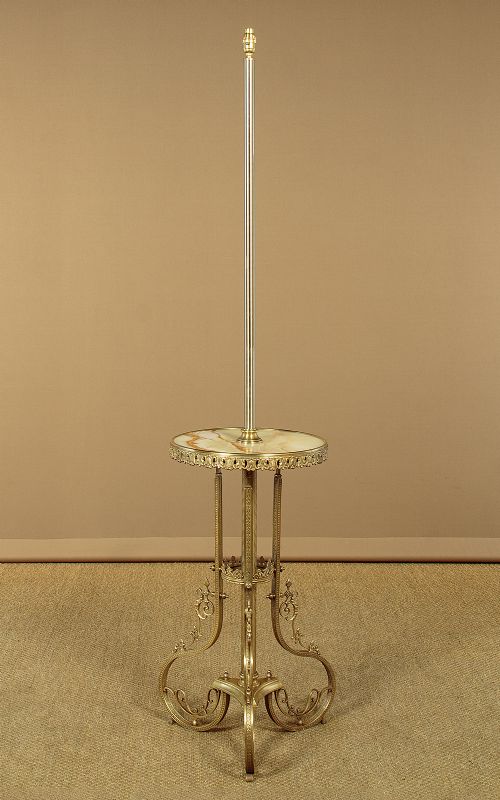
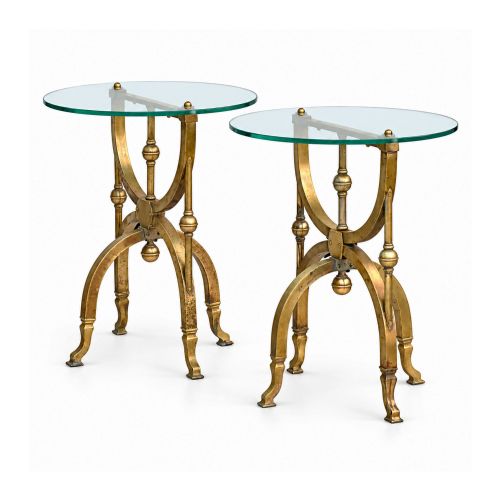
An antique brass drinks stand brings period hospitality into a room, offering a sturdy surface for decanters and glassware.
Antique Brass Drinks Stand
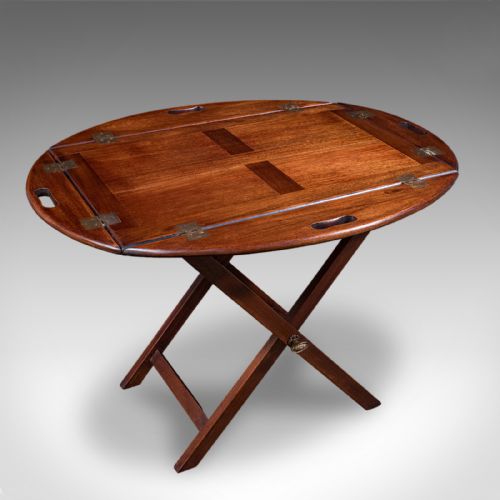
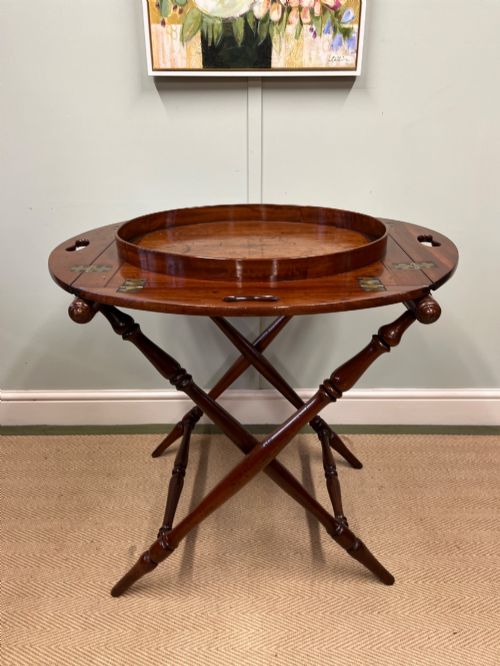
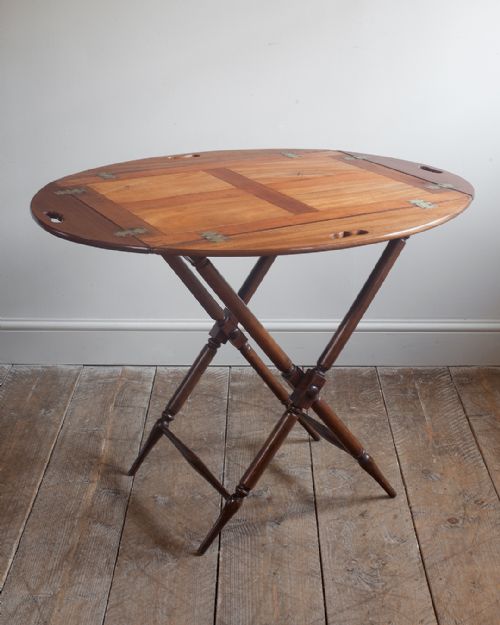
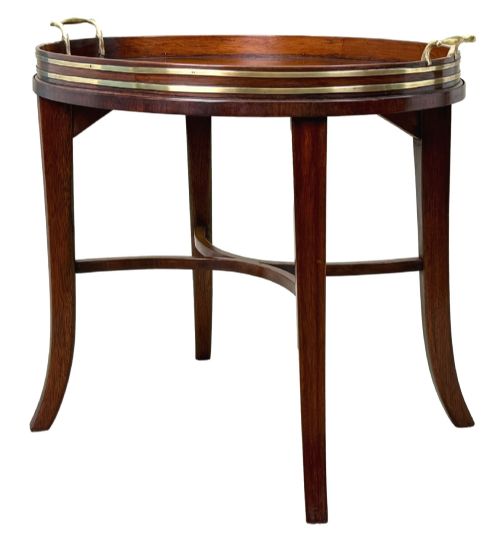
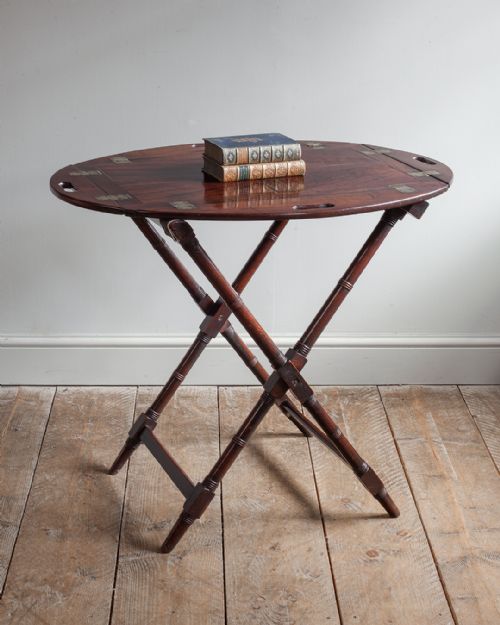
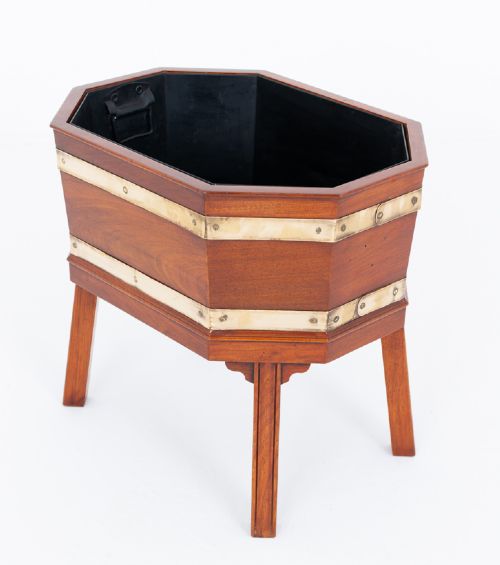
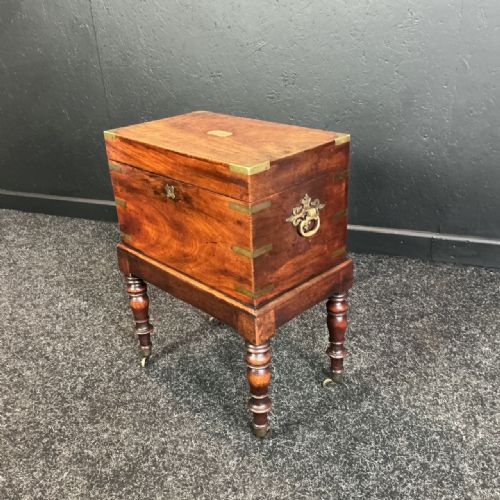
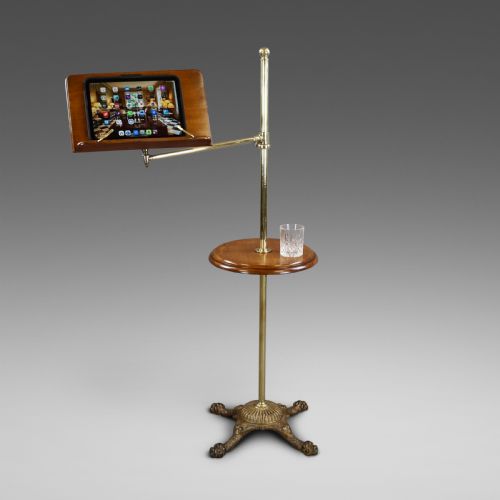
An antique brass drinks stand typically takes the form of a butler's tray on a folding stand, a wine cooler with brass-bound decoration, or a dedicated drinks table. These pieces serve the practical purpose of holding bottles, glasses, and serving equipment during social gatherings.
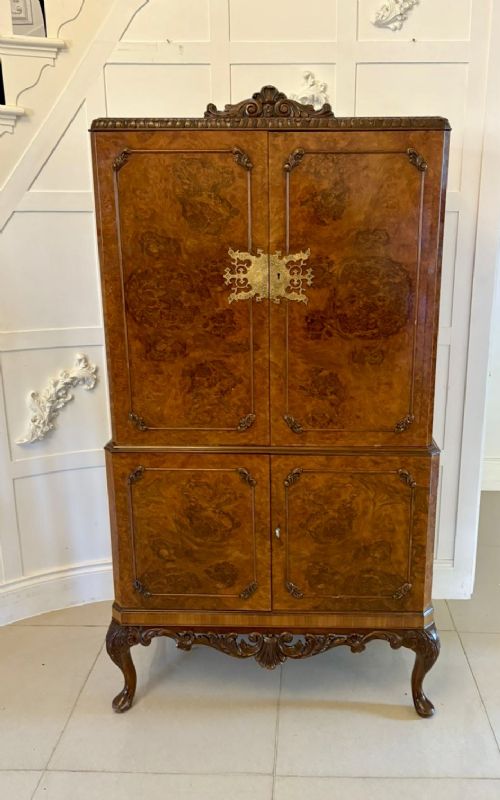
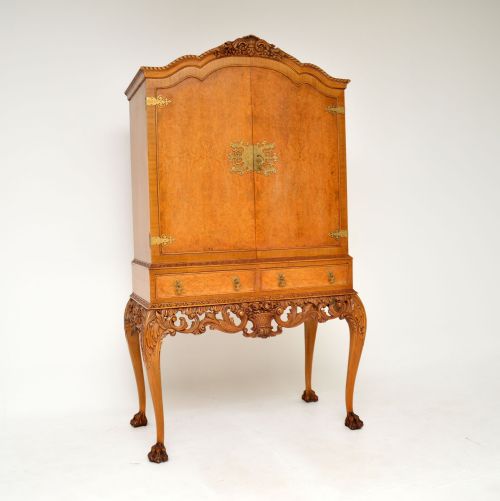
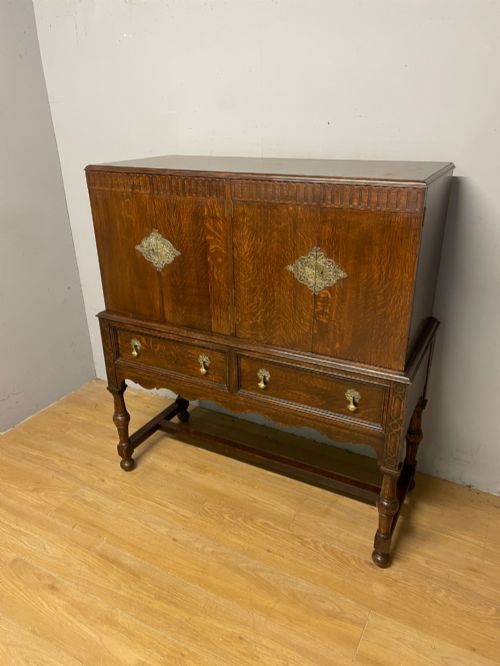
The versions most commonly met on this page span from Georgian and Victorian periods through to the Edwardian era and the 1920s and 1930s. Buyers encounter forms ranging from simple tray tables to elaborate cocktail cabinets and cellarettes.
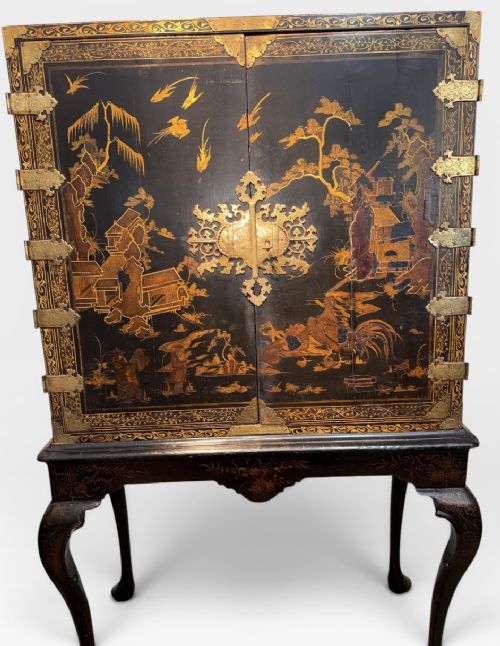
Materials vary across these forms, combining brass fittings with timbers such as mahogany, oak, burr walnut, and walnut. Some examples incorporate glass and lacquer to achieve specific decorative effects.
Assessing quality
The standard of a piece rests on the depth of the timber's grain, particularly in burr walnut and mahogany examples, alongside the crispness of brass-bound decoration. Superior items demonstrate precise joinery in folding stands and cabinet carcases.
Proportion and structural integrity separate standard utility pieces from finer examples. Well-balanced stands and well-figured wood indicate a higher grade of craftsmanship from the workshop.
Some Edwardian stands arrived paired with games compendiums, ensuring guests could transition seamlessly from a gin and tonic to chess.
Halls Patent
The Antique Brass Drinks Stand Glossary
- Butler's tray
- A removable wooden tray with hinged or fixed sides, designed to sit upon a folding stand for serving drinks or food. These trays often feature integral handgrips cut into the sides.
- Cellarette
- A fitted wooden container or chest used to hold bottles of wine and spirits, frequently mounted on legs or fitted with brass bands. Georgian examples often display fine mahogany construction.
- Tantalus
- A locked wooden frame holding decanters that prevents access to the contents without a key, usually ornamented with brass mounts. They became popular in the late Victorian and Edwardian periods.
- Wine cooler
- A large vessel or table-height piece designed to chill bottles, commonly bound in brass and fashioned from mahogany. These items often feature lead linings or specialised interior compartments.
- Marquetry
- The art of applying pieces of veneer to a structure to form decorative patterns and pictures. It appears on the surfaces of select tables and cabinets.
Antique Brass Drinks Stand: Frequently Asked Questions
What is an antique brass drinks stand used for?
These stands provide a dedicated surface for holding bottles, decanters, and glassware in a principal room. Historically, they allowed servants to transport drinks or provided a portable station for hospitality during gatherings.
Today, they serve a similar functional purpose in domestic interiors while acting as focal points that display vintage glassware and barware.
How do I date an antique drinks table?
Dating relies on observing the timber species, construction methods, and stylistic cues present in the piece. Georgian examples frequently employ solid mahogany with hand-cut dovetails and brass banding, while 1920s and 1930s pieces often feature burr walnut veneers and cocktail cabinet designs.
Hardware styles, leg forms, and the presence of patents provide additional clues to the era of manufacture.
Where should I place a drinks stand at home?
A drinks stand suits reception rooms, studies, or dining spaces where hospitality takes place. Tray tables and folding stands work well near seating areas to hold glasses and bottles within easy reach.
Cabinet versions function effectively against interior walls, where their burr walnut or lacquered surfaces complement surrounding furniture.
What is the difference between a cellarette and a wine cooler?
A cellarette is typically a enclosed chest or box designed to hold individual wine bottles securely, often fitted with internal partitions. A wine cooler can take the form of a larger freestanding vessel or a table designed to accommodate bottles and ice.
Both forms frequently incorporate brass binding and fine mahogany timbers across the Georgian and Regency periods.