






Antique Brass Desk Tray
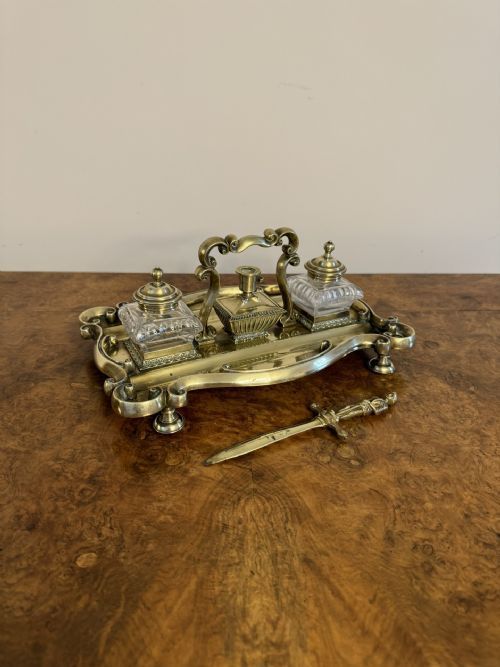
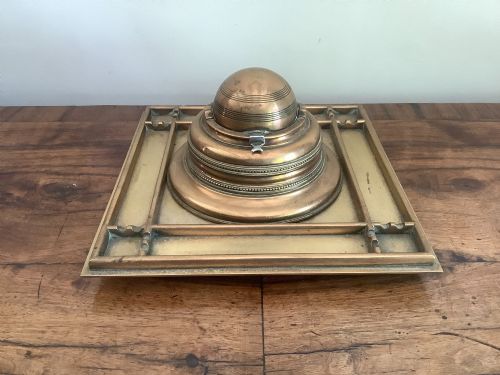
An antique brass desk tray organises a writing table, combining functional metalwork with period materials from the Victorian and Regency eras.
Antique Brass Desk Tray
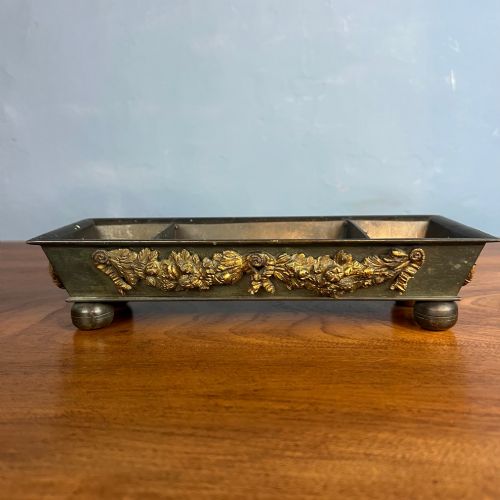
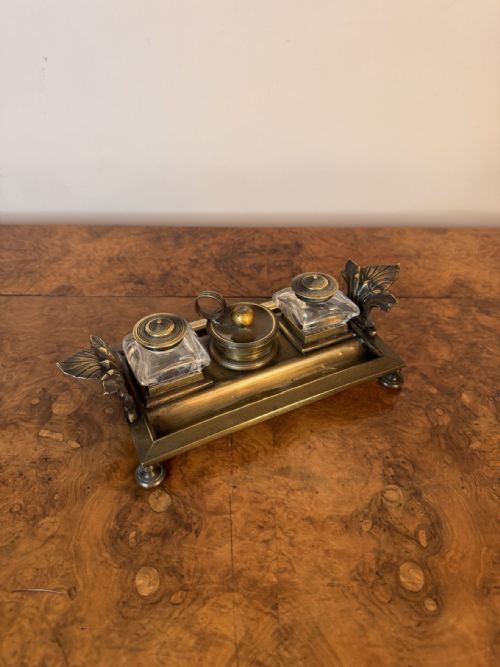
An antique brass desk tray serves as a container for writing implements, inkwells, and correspondence on a library or writing table. These pieces frequently appear combined with inkstands, letter racks, and vide poche units.
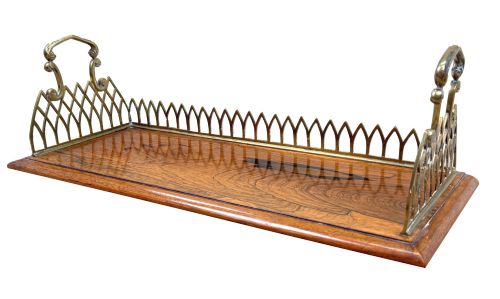
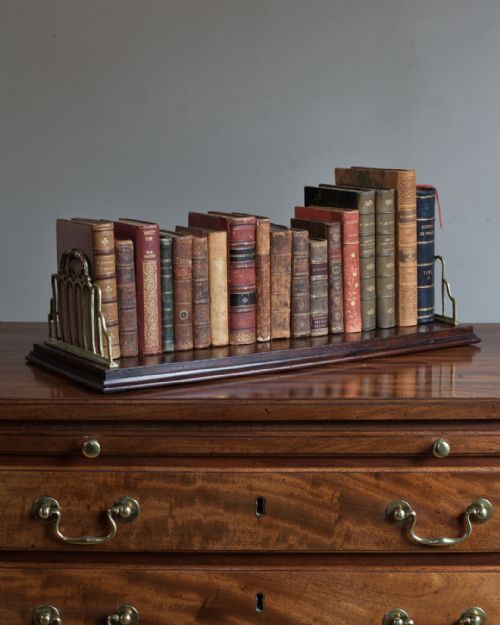
The selections span the Regency period through the late Victorian and Edwardian eras, encompassing English and Continental workshops. Examples range from simple cast metal channels to elaborate multi-piece sets mounted with wood or stone.
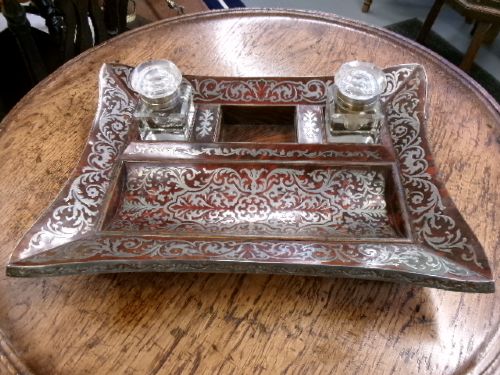
Common variations include combination stands featuring glass inserts, porcelain vessels, and pivoting lids. Walnut, coromandel, and oak provide the chassis for many brass-mounted configurations found in this category.
Materials and Technique
Foundry work dominates construction, utilising cast brass, gilt bronze, and ormolu shaped through sand-casting and chased by hand. These metal components provide a durable framework often paired with exotic hardwoods or glass.
Inlaid pieces incorporate brass stringing into coromandel, rosewood, and walnut bases, sometimes accented with mother-of-pearl or tortoiseshell. Champlevé enamel and porcelain elements are integrated into the metal chassis to add decorative colour.
Antique Brass Desk Tray Retail Price Guide 2026
Typical asking prices for brass desk tray among the pieces listed under this phrase on Sellingantiques today, from the lower quarter to the upper quarter. They describe what is for sale here now, not the wider market.
The archive demonstrates forms ranging from simple pen trays to complex double-sided desk sets.
Evaluating Execution
The crispness of the cast ornamentation dictates the standard of execution, separating sharp, hand-chased metalwork from soft, mass-produced industrial output. Superior examples retain defined detail in scrollwork, figural motifs, and hinge fittings.
Material integration defines the better tier of objects, where wood veneers, marble bases, and glass inserts fit flush within the metal framework. Heavy gauge brass and well-secured mounts indicate deliberate construction rather than hasty assembly.
James Cartland and Sons
The Antique Brass Desk Tray Glossary
- Standish
- A portable desk tray or stand fitted with inkwells, pen holders, and sanders for writing materials. These portable units kept writing tools organised on communal tables.
- Vide poche
- A small tray designed for emptying pockets or holding loose desk items. This French term translates literally to empty pocket.
- Ormolu
- Gilded bronze applied to decorative metalwork and desk furniture. The technique involves fusing gold amalgam to a bronze base through heat.
- Champlevé
- An enamelling technique where troughs are dug into a metal surface and filled with vitreous enamel before firing. This method creates patterned bands of colour across the brass ground.
- Coromandel
- A dense, dark timber from Southeast Asia featuring contrasting dark grain. Makers paired this exotic wood with brass mounts for luxury desk accessories.
Antique Brass Desk Tray: Frequently Asked Questions
What is an antique brass desk tray used for?
These trays hold pens, inkwells, and correspondence to keep a writing surface tidy. They sat upon library tables and partner desks in Victorian and Georgian studies.
Beyond basic utility, they served as decorative accessories that matched the inkstands and letter racks of the room.
How do I date a brass desk tray?
Dating relies upon the surrounding materials, fastener types, and stylistic indicators such as Art Nouveau curves or Regency symmetry. Oak and mahogany point toward earlier periods, while ebonised woods and cast brass frequently align with Victorian production.
Examine the construction of the wells and hinges to differentiate mid-nineteenth-century work from later Edwardian reproductions.
Are these trays typically sold with inkwells?
Many examples retain their original fitted glass or porcelain inkwells, while others function as open trays or vide poche units. Desk sets and standishes generally incorporate designated recesses for ink bottles.
Replacements are common in older pieces where fragile glass inserts did not survive centuries of use.
How should I clean antique brass?
Dusting with a dry, soft cloth preserves the historic patina and protects any inlaid wood or enamel surfaces. Avoid harsh metal polishes that strip the aged coloration from the brass.
If the metal requires attention, mild soap and water applied sparingly will remove surface grime without damaging the underlying finish.