
Antique Brass Commode
An antique brass commode brings robust construction and refined metalwork together, offering practical storage grounded in centuries of cabinet-making tradition.
Antique Brass Commode
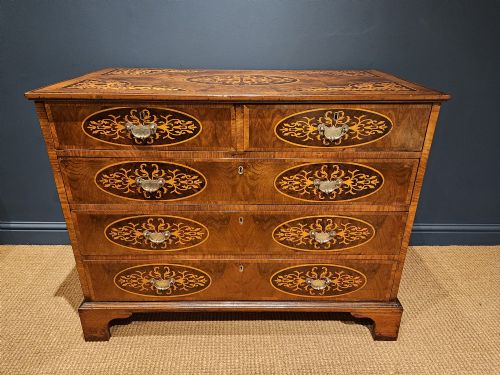
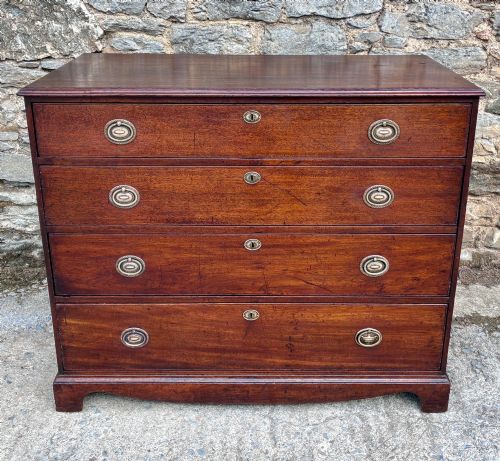
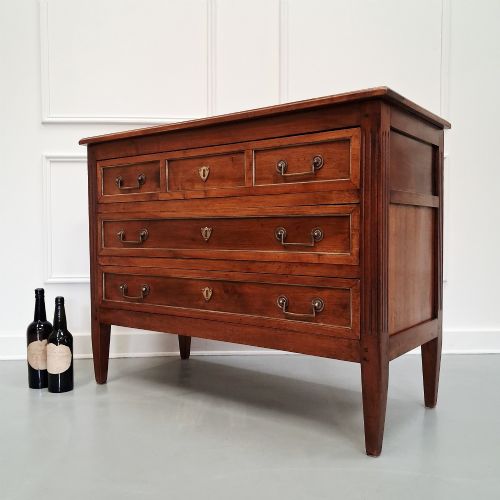
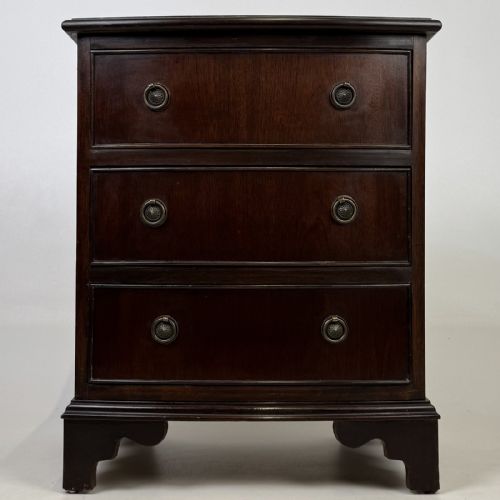
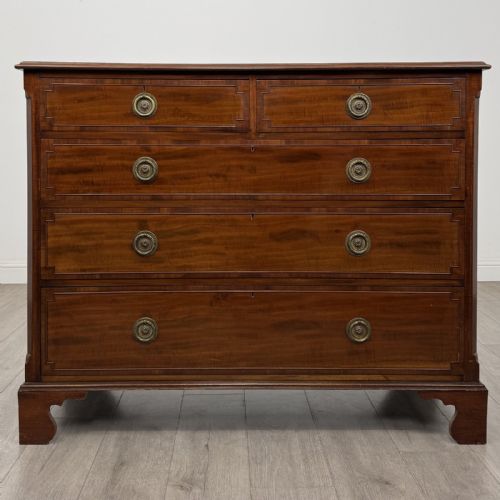
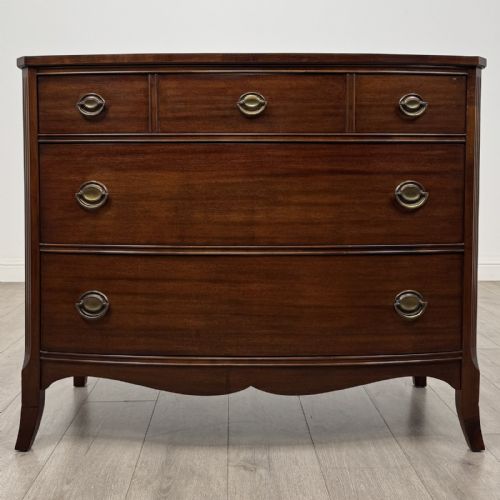
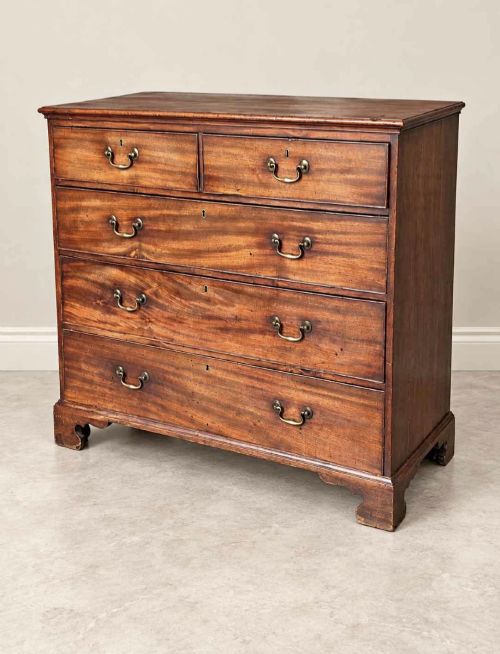
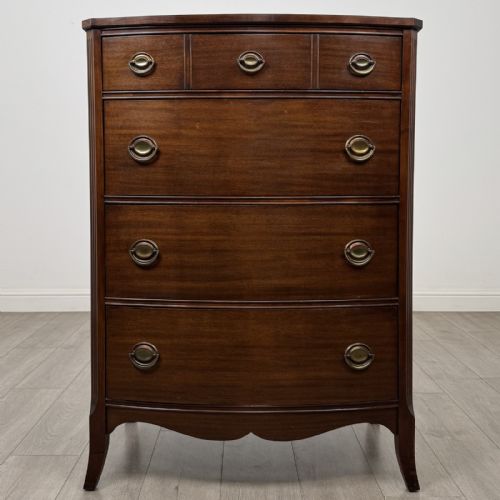
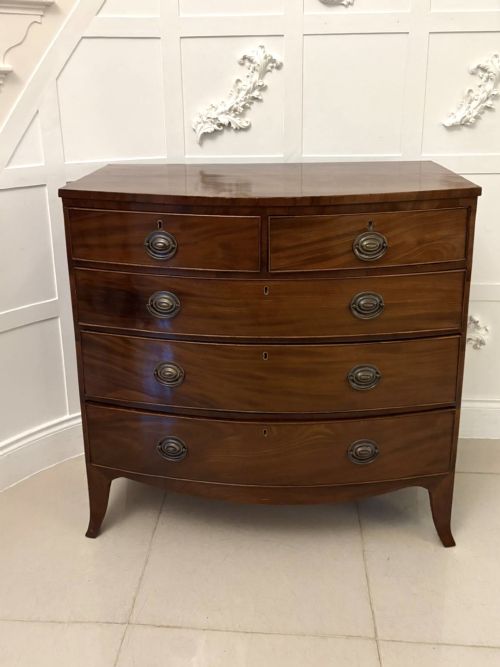
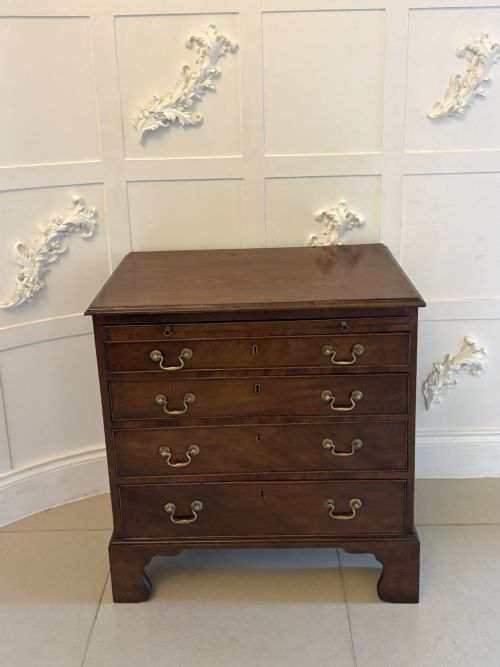
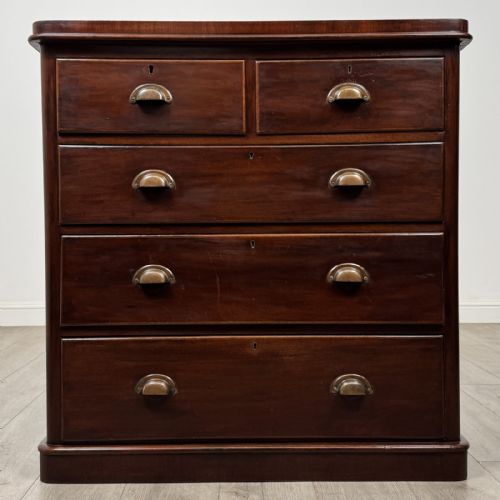
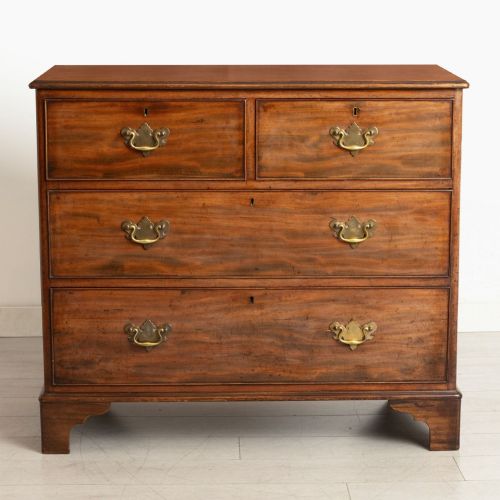
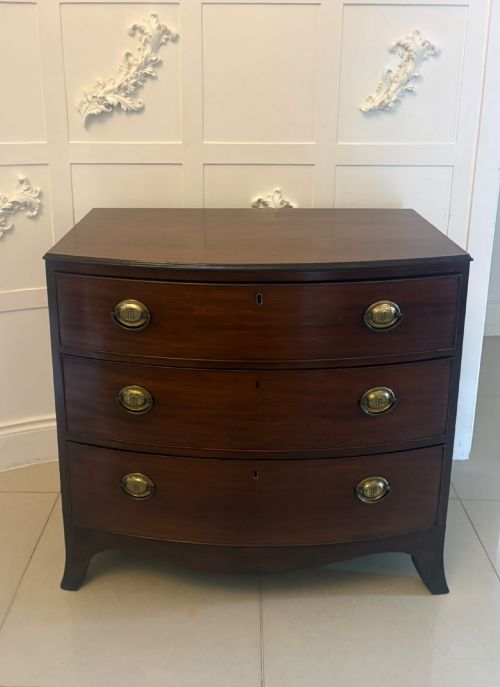
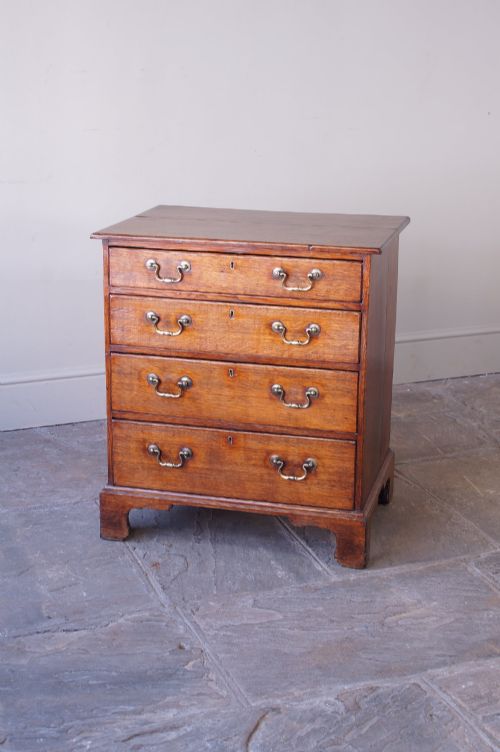
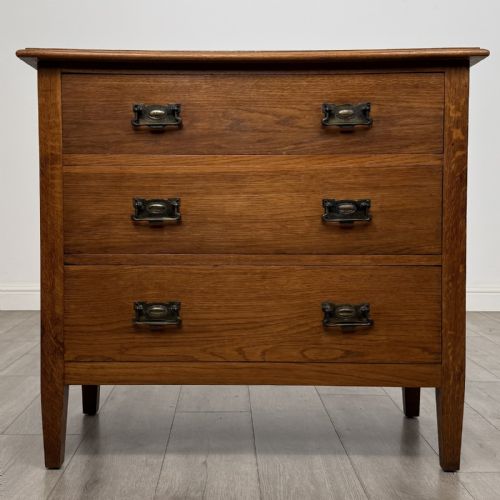
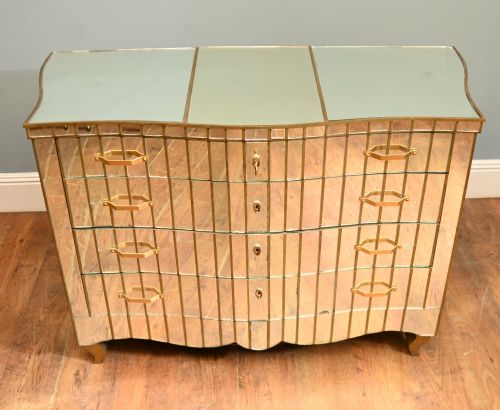
When you search for an antique brass commode, you encounter substantial timber storage units fitted with prominent metal mounts, handles, and escutcheons. These forms span multiple eras, including Georgian, Regency, and Edwardian periods, manifesting primarily as chests of drawers and side cabinets.
The pieces on this page originate from diverse workshops across England, France, and the Netherlands. They combine functional compartmentalisation with decorative timber grains, reflecting the domestic habits of past centuries.
How they were made
Cabinet-makers built these carcasses using dense timbers such as mahogany, oak, walnut, and burr walnut, frequently applying veneers like satinwood and kingwood for decorative contrast. Surfaces received meticulous hand-polishing to accentuate natural grain patterns.
Metal components, specifically brass handles, escutcheons, and ormolu mounts, were cast and chased separately before being secured to the wood by hand. Drawers utilised traditional dovetail joints to ensure structural longevity.
Many chests conceal sliding shelves once used for brushing garments before gentlemen faced the day.
What varies in quality
Quality rests heavily upon the selection of timber and the precision of the cabinet work. Superior examples display carefully matched veneer grains across drawer fronts, intact original brass hardware, and tight, stable joinery throughout the carcass.
Lesser pieces often show mismatched timber replacements, degraded secondary woods, or later-replacement metal fittings that disrupt the visual harmony of the original design.
The Antique Brass Commode Glossary
- Commode
- A low cabinet or chest of drawers designed for domestic storage, often featuring decorative mounts.
- Ormolu
- Gilded bronze applied as decorative mounts and hardware on cabinetry, particularly common in French pieces.
- Brushing slide
- A pull-out shelf integrated into the upper section of a chest, historically used for folding clothes or writing.
- Crossbanding
- A narrow strip of veneer laid around the border of a drawer front or top with the grain running at right angles to the central panel.
- Marquetry
- Elaborate decorative veneer work forming pictorial or geometric patterns using various coloured woods.
Antique Brass Commode: Frequently Asked Questions
How do I clean an antique brass commode?
Dust surfaces regularly with a dry, soft cloth to prevent particulate build-up on the timber and metalwork.
Avoid chemical polishes and abrasive cleaners, applying microcrystalline wax to wood only when the finish appears dry.
What periods do these pieces represent?
The selection spans from the late 17th century through the Georgian and Regency eras up to the Edwardian period.
Each era brings distinct proportions and timber choices, ranging from early oak and figured walnut to later flame mahogany.
Where were these cabinets placed historically?
These units served primarily in bedrooms, parlours, and grand hallways as functional storage for textiles and valuables.
Their decorative hardware and polished timber allowed them to sit in principal reception rooms rather than hidden service areas.
How do I distinguish walnut from mahogany?
Walnut displays a rich, varied grain with dark brown figuring and occasional burl patterns, common in 18th-century examples.
Mahogany exhibits a reddish-brown tone with a tighter, more uniform grain that became dominant during the Georgian and Regency periods.