
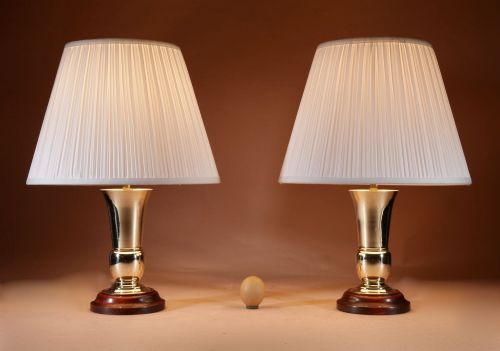
Antique Brass Column Table
When you search for an antique brass column table, you are looking at stately lighting and occasional furniture derived from classical architecture.
Antique Brass Column Table
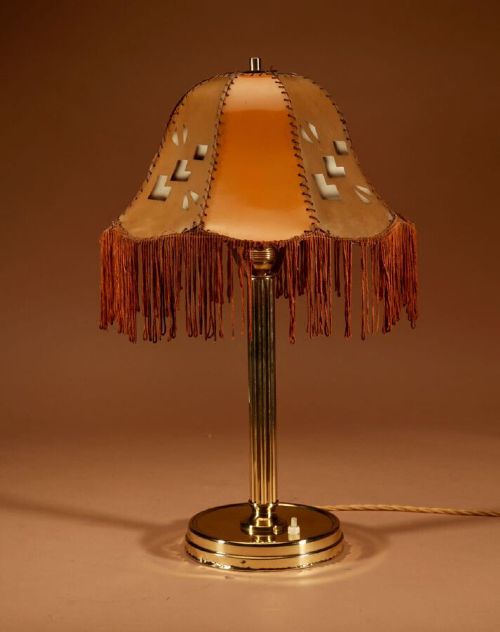
An antique brass column table search typically leads to tall lighting standards and table lamps modelled on ancient Greek and Roman orders, alongside occasional stands and étagères.
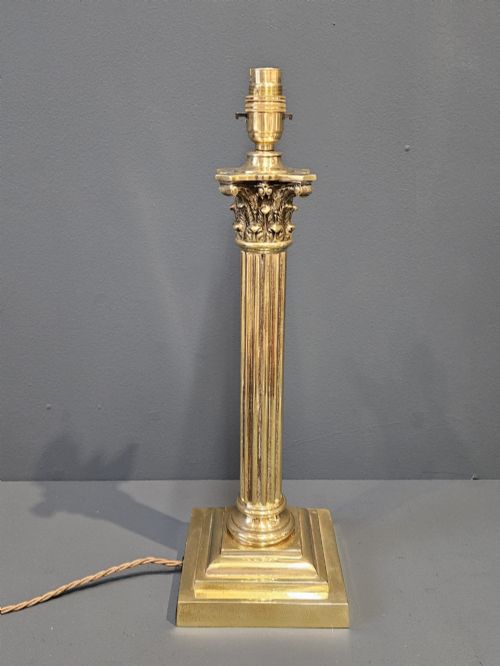
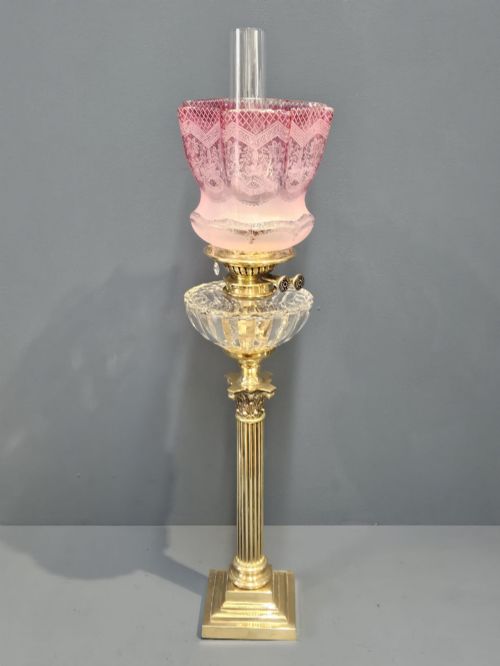
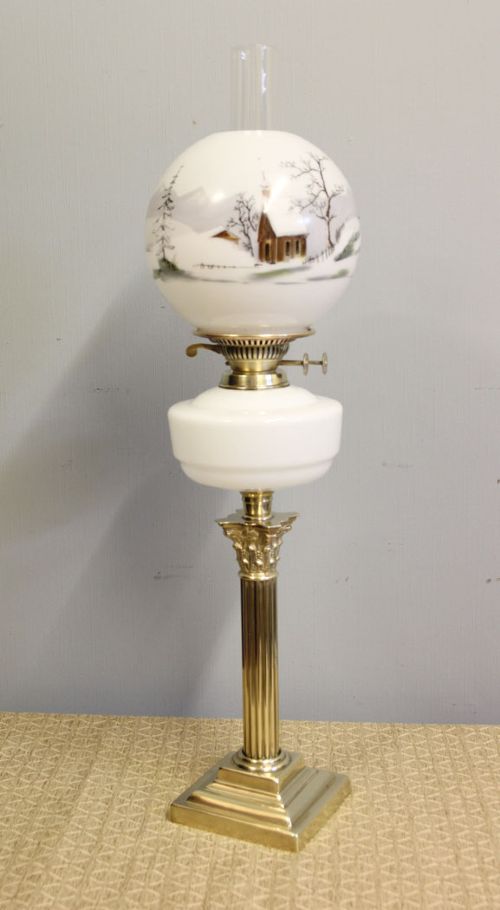
The most common examples on this page date from the Victorian and Edwardian eras, utilising the Corinthian capital design with detailed acanthus leaf decoration.
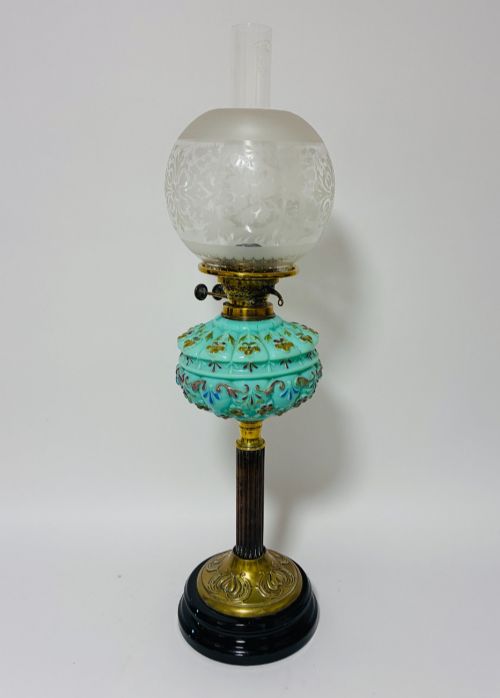
Earlier pieces from the nineteenth century often began life as oil lamps before later conversion to electricity, while others retain their original burner mechanisms and glass reservoirs.
Materials and construction
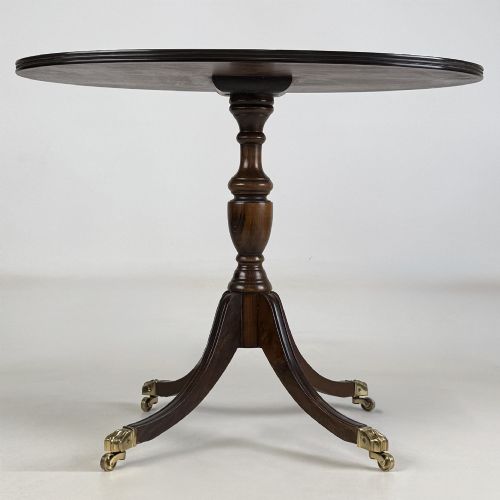
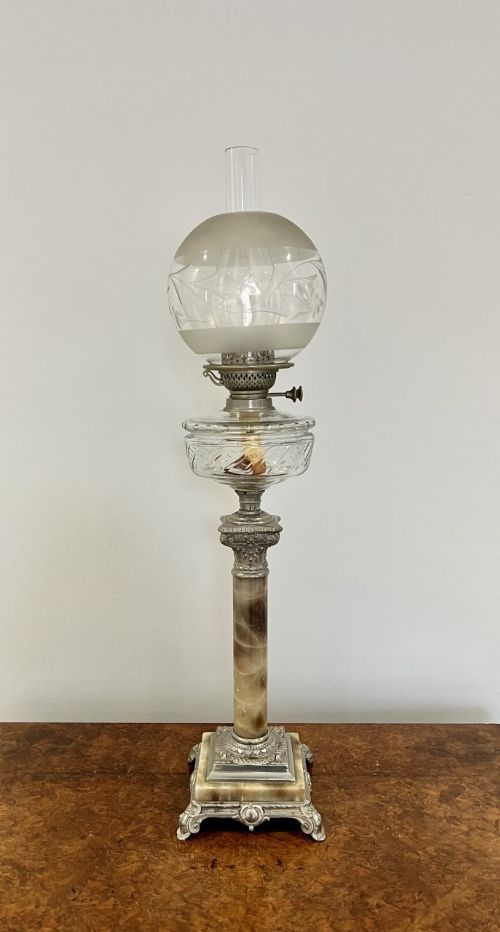
The dominant material is cast and spun brass, frequently combined with secondary elements such as marble bases, ceramic reservoirs, or mahogany and rosewood in associated furniture.
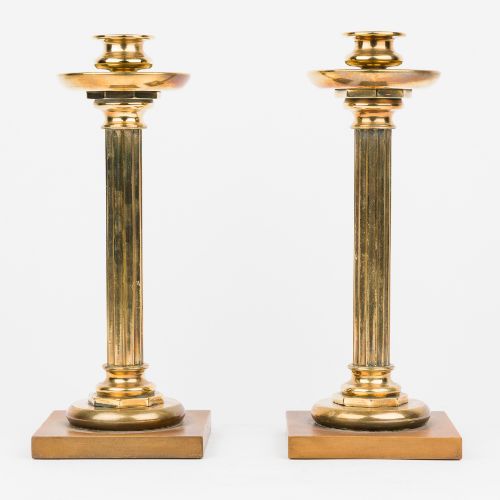
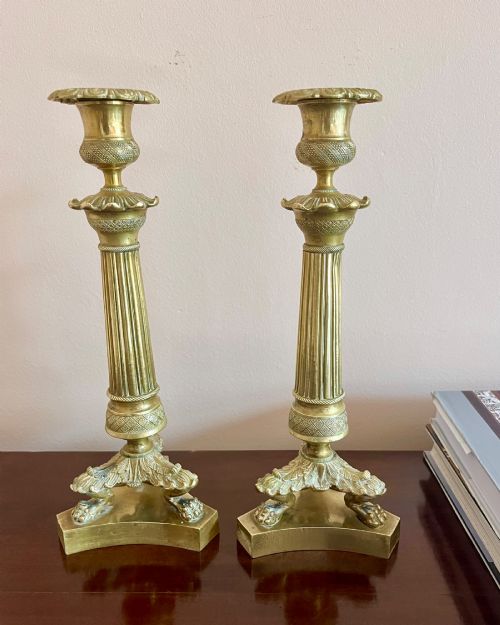
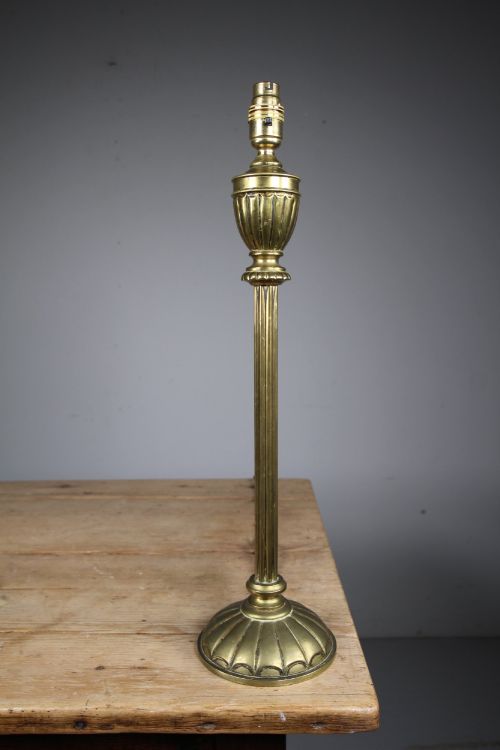
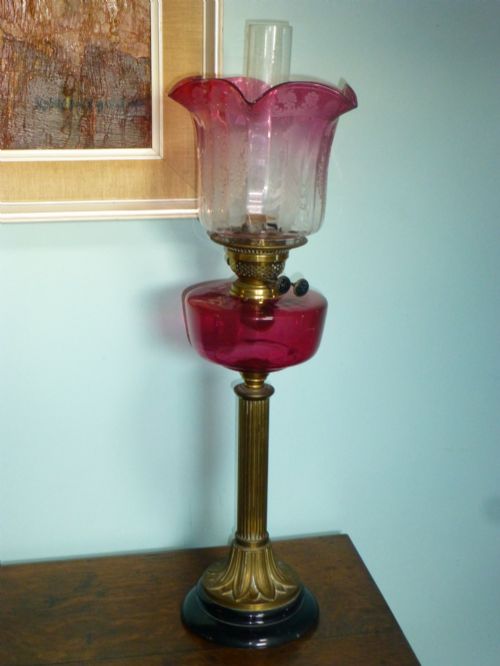
Columns are either smooth, reeded, or fluted, rising from stepped plinths that occasionally incorporate decorative feet such as lion paws or cast brass mounts.
Manufacturing methods involve heavy casting for stability at the base, paired with slender vertical shafts that require precise engineering to maintain a true vertical line.
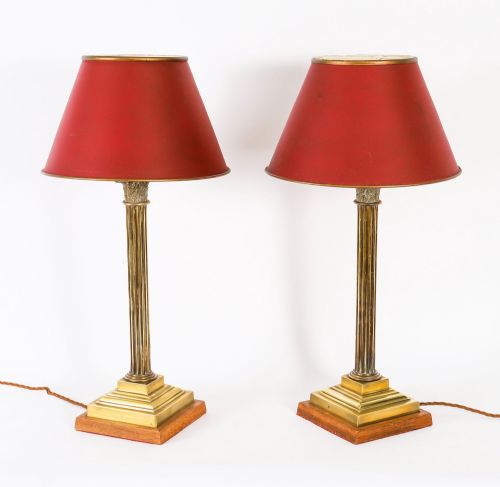
Several lamps preserve winter snow scenes painted onto their cranberry glass shades, lighting up frosty landscapes from inside.
Evaluating the standard
Quality rests upon the crispness of the casting in the capitals and the weight of the metal utilised in the base.
Superior examples display sharp, hand-finished detailing on the acanthus leaves and fluting, whereas lesser pieces show softer, worn edges from repetitive industrial casting.
The integration of materials also dictates standing; the presence of solid marble plinths, heavy gauge brass, and intact coloured glass shades elevates the piece.
The Antique Brass Column Table Glossary
- Corinthian column
- A classical architectural order defined by ornate capitals decorated with acanthus leaves and scrolls. This is the most prevalent column style found on these lamps.
- Duplex burner
- A double-wick mechanism found on nineteenth-century oil lamps designed to produce a brighter flame. Many period lamps retain this heavy brass assembly.
- Etagere
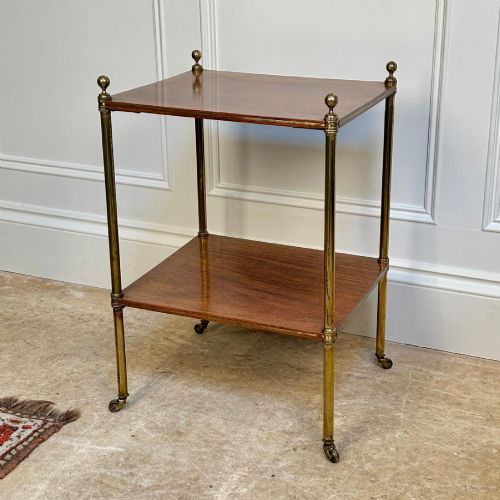
- A set of open shelves for displaying small objects, sometimes incorporating brass columns and rosewood or mahogany. These sit alongside the lighting fixtures in this category.
- Font
- The oil reservoir positioned beneath the burner on a lamp. They are frequently formed from coloured glass, opaline, or ceramic.
- Ormolu
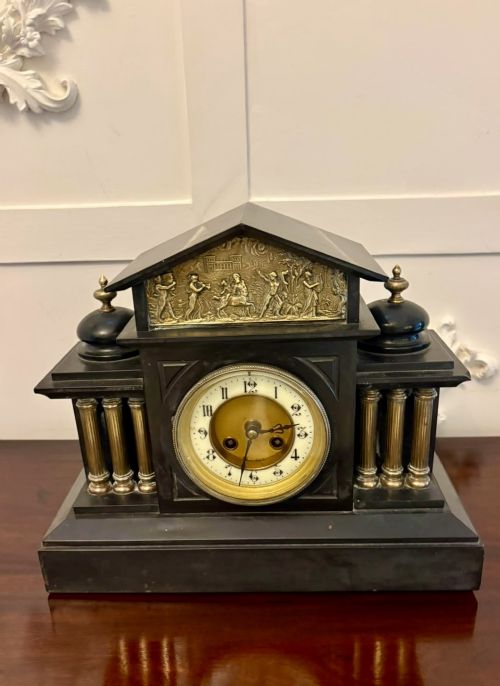
- Gilt bronze or brass finished with a gold-colored coating. It appears on French architectural clocks and column lamps from the nineteenth century.
Antique Brass Column Table: Frequently Asked Questions
Are these lamps still wired for modern use?
Many table lamps listed on this page have been rewired for contemporary electrical standards while retaining their original brass components and column structures.
Buyers should check individual listings to confirm whether the wiring is recent and PAT tested for safety.
How do I identify a Corinthian column lamp?
A Corinthian column lamp is recognised by the ornate capital at the top of the shaft, featuring carved acanthus leaves and corner volutes.
This classical design was favored by Victorian and Edwardian makers to lend architectural grandeur to domestic lighting.
Did these pieces start as oil lamps?
A large proportion of nineteenth-century brass column lamps originally functioned as paraffin or oil burners before conversion to electricity in the twentieth century.
Some retain their original double burners, glass chimneys, and coloured glass shades from the Victorian period.
What periods do these items cover?
The listings span from the early nineteenth century through the Georgian and Regency periods, up to the Edwardian era and the 1920s Art Deco movement.
Victorian and late nineteenth-century examples make up the largest portion of the available column lamps and side tables.