



Antique Brass Coin
These antique brass coin pieces range from small campaign cabinets to Victorian money boxes and games boards, offering tangible history for collectors.
Antique Brass Coin
An antique brass coin selection brings together varied objects featuring brass fittings, handles, or inlays across multiple forms. Buyers searching for an antique brass coin find items spanning the Georgian, Victorian, and Edwardian periods.
The objects take diverse shapes, including collectors' cabinets, money boxes, snuff boxes, and game boards such as shove ha'penny. Many items incorporate timber structures like mahogany, oak, and walnut alongside their brass elements.
Smaller tabletop accessories also appear under this heading, including pin trays, vide poche dishes, and scientific instruments like folding gold balances. Most pieces date from the nineteenth century up to the early twentieth century.
How they were made
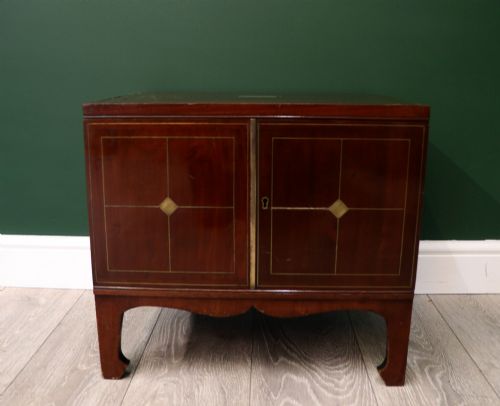
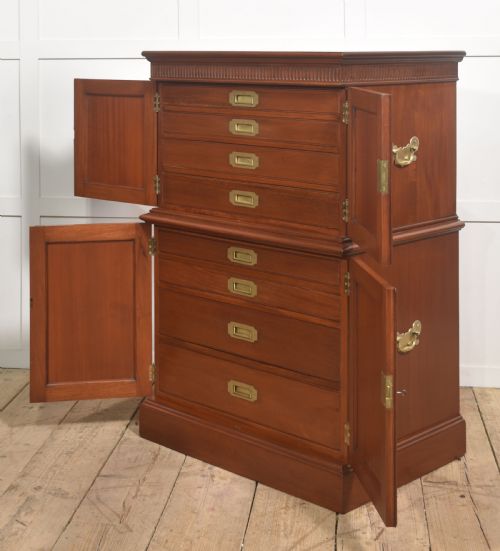
Maker construction methods rely on dense hardwoods like mahogany, oak, and walnut, frequently fitted with brass drop handles, key escutcheons, and inlaid banding. Cabinet makers built specimen chests and banks of drawers with tight tolerances suited to holding small objects.
Metalworking techniques encompass cast bronze, gilt bronze, and ormolu decoration, sometimes combined with champleve enamel work or slate surfaces. Items like barrel money boxes and folding balances demonstrate precise domestic engineering from the Georgian and Victorian eras.
Antique Brass Coin Retail Price Guide 2026
Typical asking prices for brass coin among the pieces listed under this phrase on Sellingantiques today, from the lower quarter to the upper quarter. They describe what is for sale here now, not the wider market.
A Chinese bronze money toad sits ready to hoard your small change.
What varies in quality
Quality differences emerge in the execution of timber joinery, the crispness of brass casting, and the retention of original surface patination. Superior specimens display well-figured walnut or mahogany timbers paired with heavy, original brass mounts rather than later replacements.
The intricacy of subsidiary details, such as champleve enamel inlays on trays or the precision mechanism of a gold balance, separates standard utilitarian objects from finer decorative items. Proportions and scale also influence standing, with diminutive or miniature proportions valued for cabinet work.
Stephen Houghton & Son of Ormskirk
The Antique Brass Coin Glossary
- Campaign style
- Furniture built in sections with recessed brass handles and corner brackets to facilitate transport during military travel. This design keeps metalwork flush to prevent snagging.
- Vide poche
- A small tray or dish placed near an entryway to hold pocket contents like coins and keys at the end of the day. The French term translates directly to empty pocket.
- Specimen chest
- A small cabinet featuring multiple shallow drawers designed for organising natural history samples or small collectibles. They often utilise dense timbers like mahogany and oak.
- Champleve enamel
- A technique where troughs are gouged into a metal surface, filled with vitreous enamel powder, and fired. The resulting piece shows coloured designs flush with the surrounding metal borders.
- Ormolu
- Gilt bronze ornamentation applied to furniture, clocks, and decorative objects during the eighteenth and nineteenth centuries. The finish involves applying a mercury and gold amalgam to cast bronze.
Antique Brass Coin: Frequently Asked Questions
What were small brass cabinets used for?
Cabinet makers constructed small chests and banks of drawers to house delicate specimens, medals, and small valuables. Owners kept them in studies and libraries.
The compartmentalised interior protected fragile items from dust and handling. Brass handles and mounts provided durability for transport.
How do I date an antique brass coin piece?
Dating relies on timber choice, construction techniques, and stylistic markers associated with Georgian, Victorian, or Edwardian periods. Solid walnut and mahogany indicate earlier work.
Secondary materials like slate or champleve enamel help narrow the decade of manufacture. Hardware styles, such as drop handles versus flush campaign fittings, also offer chronological clues.
Where were money boxes placed in the home?
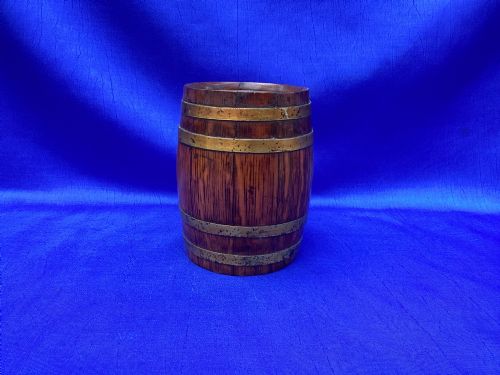
Barrel money boxes and coin receptacles sat on desks, sideboards, or mantelpieces in domestic settings. They served as functional items for daily savings.
Sturdy timber construction ensured the boxes withstood regular handling. Brass bands and padlocks secured the contents.
What is a gold balance used for?
Scientific instruments like folding gold balances weighed currency to verify metal content and value. Merchants and bankers used them during trade transactions.
Compact folding designs allowed the scales to fit inside protective wooden or leather cases. Brass construction ensured the balance arm remained rigid and accurate.