


Antique Brass Coal Holder
An antique brass coal holder brings solid utility and polished warmth to a hearth, combining metal and wood in shapes made for daily fireside service.
Antique Brass Coal Holder
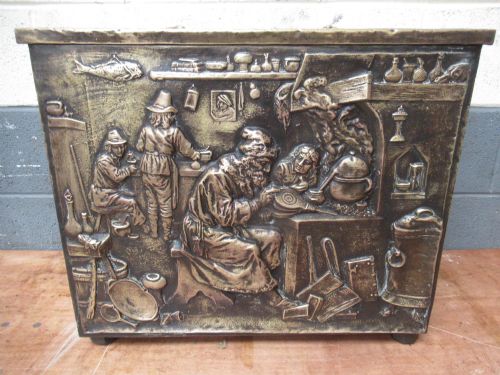
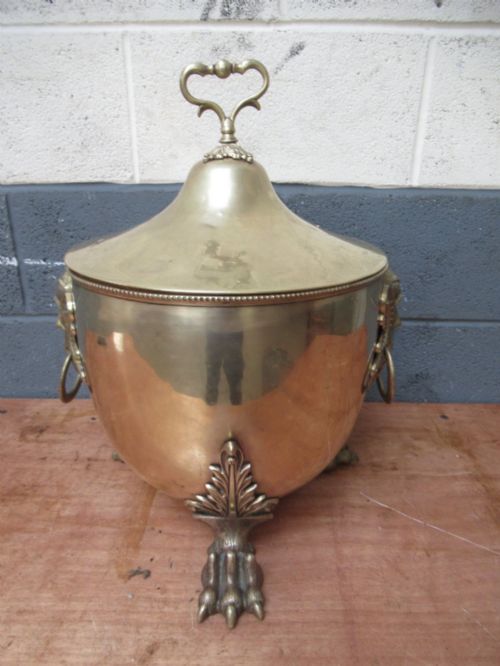
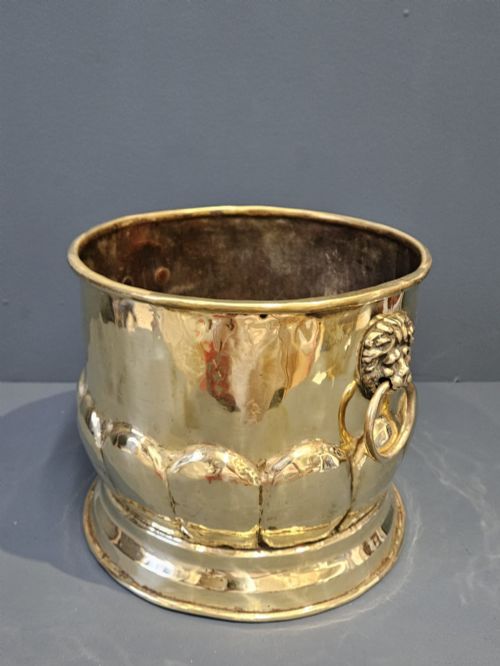
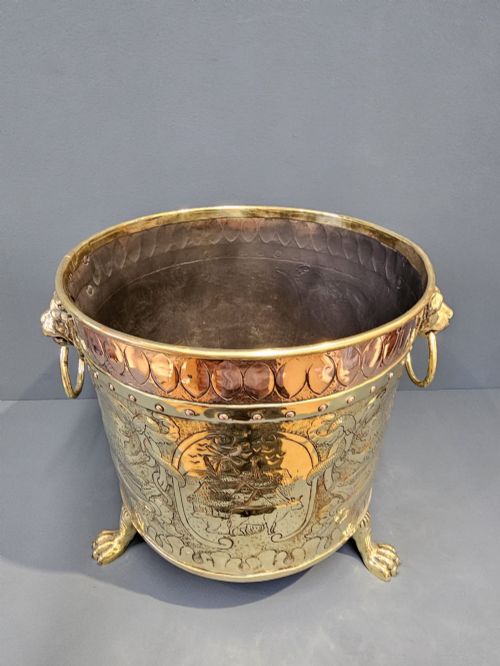
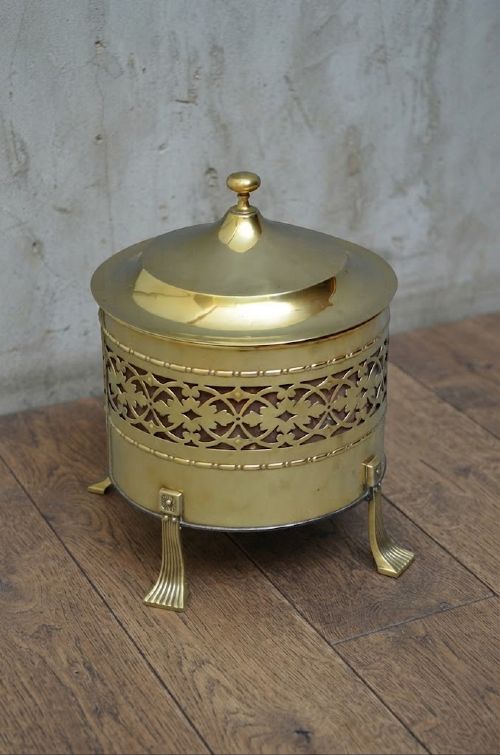
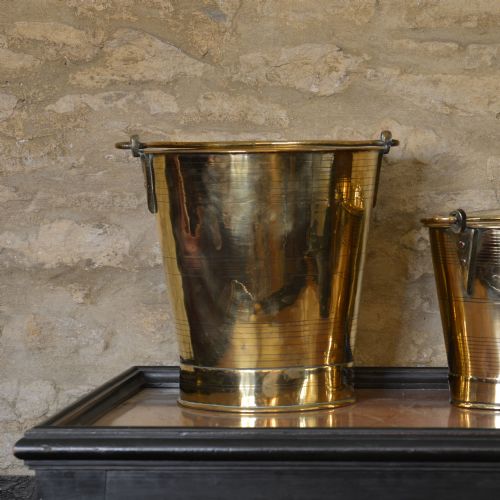
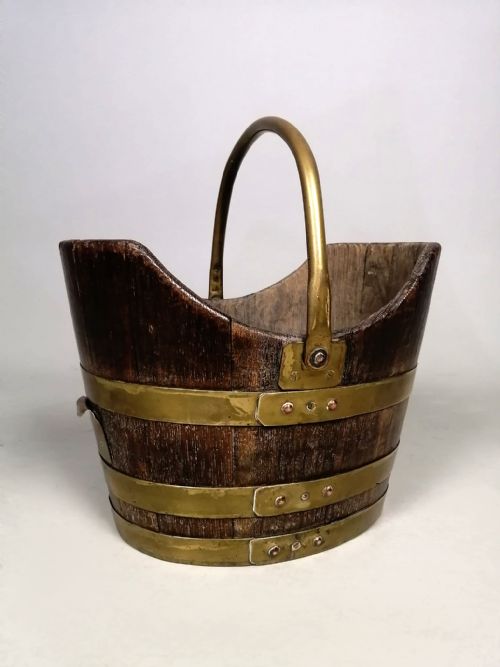
An antique brass coal holder serves as a functional fireside container, encompassing forms such as coal scuttles, log bins, buckets, and fuel baskets. These pieces sit beside the hearth to store fuel within easy reach, appearing across domestic settings from grand drawing rooms to simpler parlours.
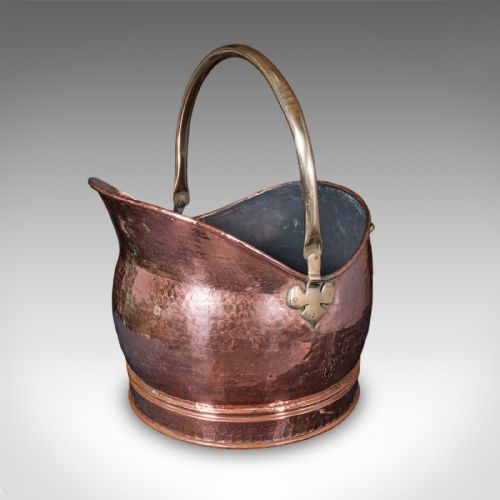
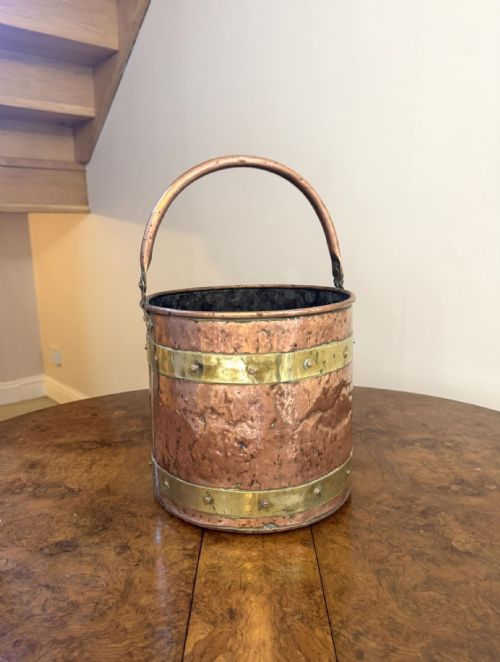
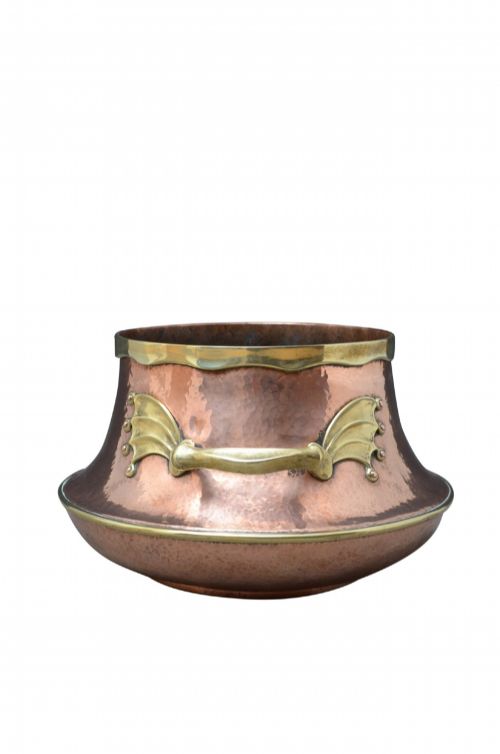
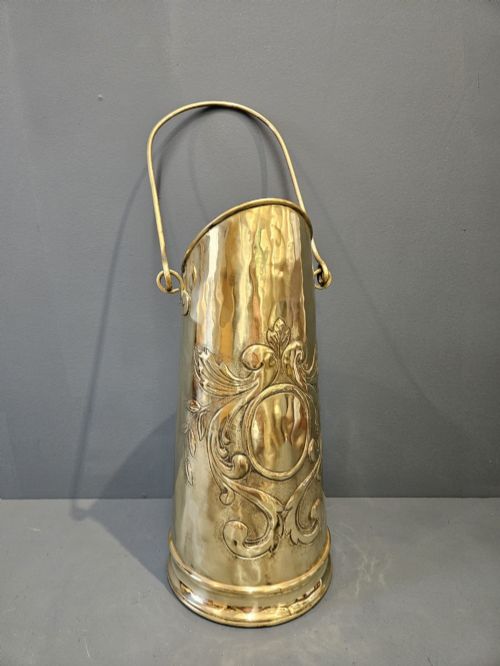
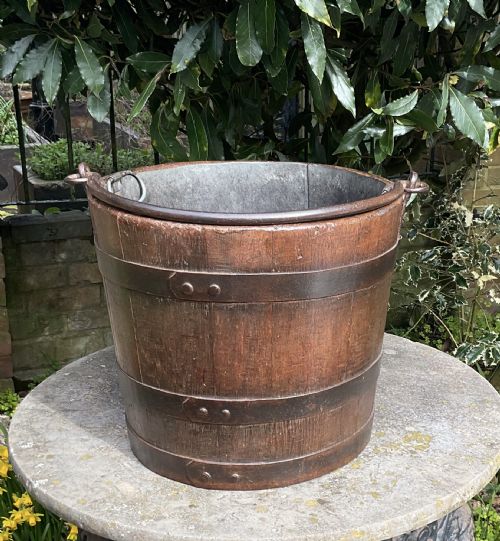
The version most commonly met on this page is the Victorian brass or copper coal bucket, often strengthened with metal bands and paired with iron handles or liners. Buyers also encounter Edwardian variants, Georgian examples, and pieces featuring Arts and Crafts or Art Nouveau styling.
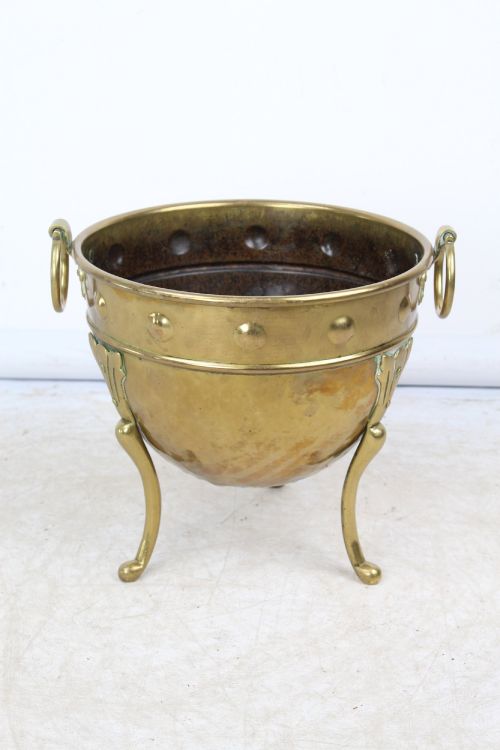
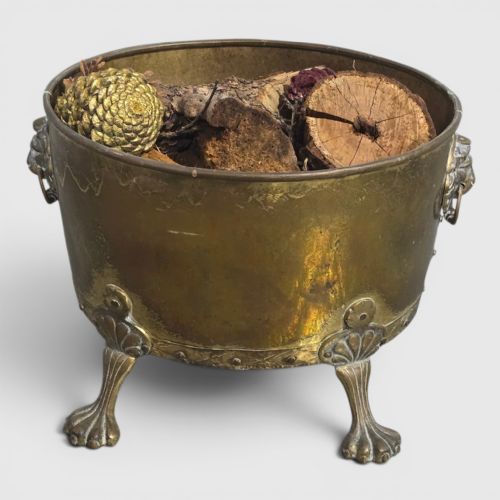
Makers produced these vessels to handle the heavy work of carrying fuel, utilising durable metals and sturdy timbers like oak and mahogany. Many double as planters, jardinières, or waste bins when not stationed beside an active grate.
Judging the standard of manufacture
Quality rests upon the weight of the metal gauge and the integrity of the construction, distinguishing robust vessels from thinner utilitarian stampings. Heavier brass and well-fitted copper bands ensure the body holds its shape under the shifting weight of logs and coal.
The distinction between standard production items and finer pieces lies in the hand-finishing of embossed details, the tightness of coopered wooden staves, and the presence of makers' marks from established workshops. Original liners, sturdy swing handles, and uncompromised rivet work elevate a piece above ordinary workshop output.
Henry Loveridge·William Soutter & Sons·Petrus Ramus
The Antique Brass Coal Holder Glossary
- Coal scuttle
- A fireside container designed for holding and transporting coal, often featuring a sloping chute, a hinged lid, or a helmet shape with a back handle.
- Coopered
- A method of construction where tapered wooden staves are joined side by side and bound with metal hoops, much like a traditional barrel.
- Dinanderie
- An old term for European brass and copper decorative metalware, encompassing beaten and embossed vessels produced by skilled metalworkers.
- Jardinière
- An ornamental pot or stand designed to hold growing plants or flowers, frequently adopted from similar forms as metal log bins.
- Embossed
- A decorative technique where a design is raised from the surface of the metal by hammering from the reverse side.
Antique Brass Coal Holder: Frequently Asked Questions
What is an antique brass coal holder?
An antique brass coal holder is a utilitarian fireside vessel designed to store coal, logs, or kindling near a fireplace. These containers combine durable metals and woods to manage fuel efficiently while adding a decorative element to the hearth.
They appear in various forms, including buckets, scuttles, and bins, produced primarily during the Victorian and Edwardian eras using traditional metalworking techniques.
How do I clean an antique brass coal holder?
Cleaning requires a soft cloth and mild soapy water to remove dust and soot accumulation from the metal surface. Avoid harsh abrasive cleaners or wire wool, which strip away the historic patina and scratch the brass or copper.
Many collectors prefer to leave a mellow, aged tarnish intact rather than polish the metal to a bright shine, as this preserves the character of the piece.
Can I use an antique coal holder for logs?
These vessels suit logs, peat, and kindling just as well as coal, provided the interior is dry and structurally sound. Many pieces sold originally as coal bins function effectively as modern log stores or fireside tidies.
It remains wise to check for internal zinc or metal liners if storing damp wood, protecting the timber staves or base from moisture damage.
How do I date an antique coal holder?
Dating relies on stylistic clues, construction methods, and materials that align with specific design movements like Georgian, Arts and Crafts, or Art Nouveau. Rivet types, handle attachments, and the gauge of the brass or copper offer further chronological indicators.
Makers' stamps or marks found on the base or rim can also help pinpoint the workshop and production period.