



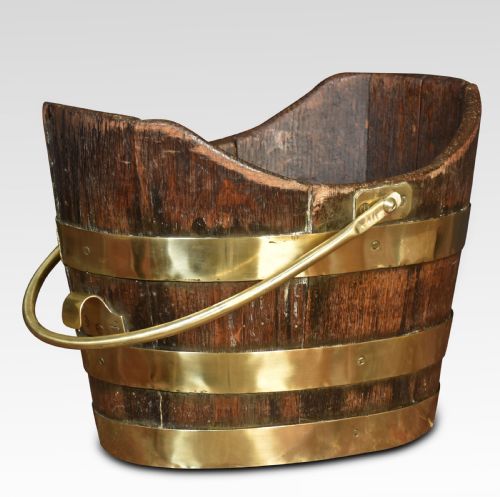


Antique Brass Bound Scuttle
An antique brass bound scuttle brings functional hearthside storage into the room through traditional timber construction and robust metalwork.
Antique Brass Bound Scuttle
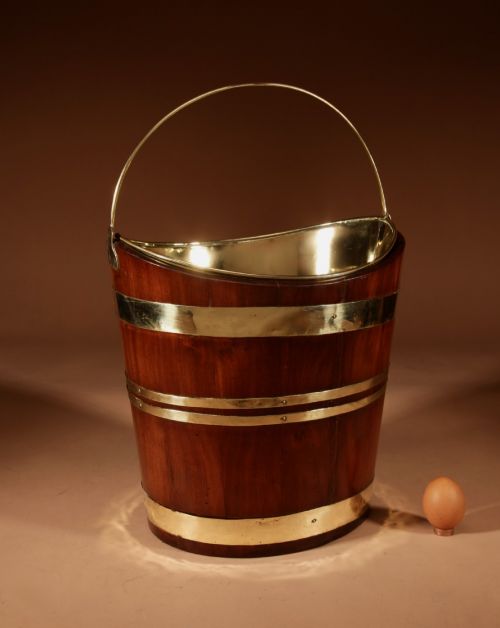
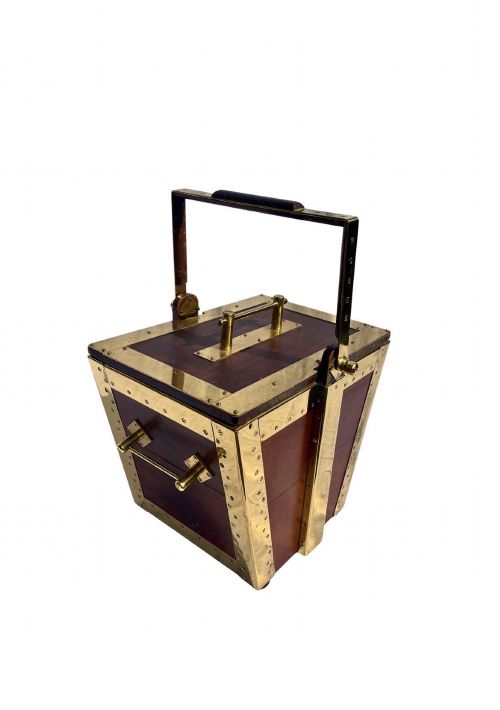
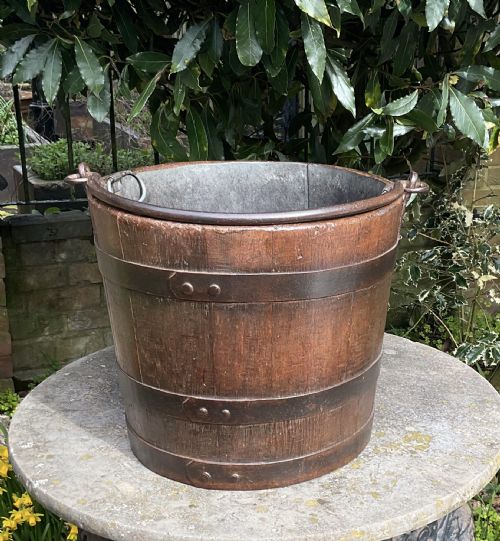
An antique brass bound scuttle serves as a fireside container for coal, peat, or logs, taking forms that range from boat-shaped vessels to coopered barrels and cylindrical buckets. These pieces originate across the eighteenth, nineteenth, and early twentieth centuries, reflecting the domestic heating needs of Georgian, Victorian, and Edwardian households.
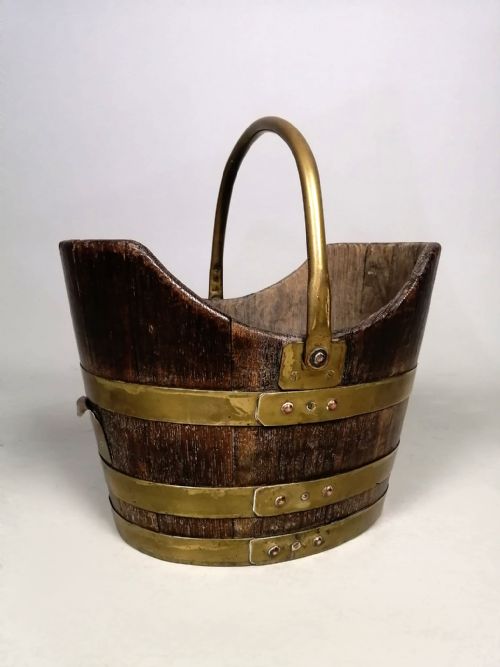
The versions most commonly met on this page include mahogany and oak bodies shaped through traditional cooperage or cabinetmaking, reinforced with heavy brass bands and swing handles. Pieces span specific regional styles such as Dutch Georgian and Edwardian Scottish, alongside standard English hearthside storage forms.
Materials and Construction
Maker construction relies heavily on durable hardwoods like mahogany, oak, and walnut, shaped into staves and secured with iron or zinc liners where fuel or moisture required containment. These wooden bodies are bound by hand-fitted brass bands, often fastened with brass tacks or rivets to maintain structural integrity under heavy loads of fuel.
Handles and fittings utilise cast or wrought brass, frequently attached via sturdy mounting plates riveted directly to the timber staves. The exterior surfaces display traditional finishing techniques that highlight the grain of the timber against polished metal reinforcements.
Antique Brass Bound Scuttle Retail Price Guide 2026
Typical asking prices for brass bound scuttle among the pieces listed under this phrase on Sellingantiques today, from the lower quarter to the upper quarter. They describe what is for sale here now, not the wider market.
Current listings demonstrate a strong presence of nineteenth-century oak and mahogany examples, alongside Georgian and early twentieth-century coopered barrels.
Evaluating Construction and Material
Quality separates along the precision of the cooperage and the gauge of the brass used for the banding and handles. Heavier timber staves, tight joints, and substantial brass mounts indicate superior workshops compared to lighter, purely decorative interpretations.
The presence of original internal components, such as metal liners or crests, distinguishes well-preserved examples. Subtleties in timber selection, such as figured mahogany or rich oak grain, further elevate the standing of an individual piece.
The Antique Brass Bound Scuttle Glossary
- Coopered
- Constructed from wooden staves joined edge to edge and bound with metal hoops, much like a traditional barrel. This technique ensures the vessel holds its shape under heavy daily use.
- Scuttle
- A metal or timber container designed for holding and carrying coal or other solid fuel to a fireplace. These domestic items combined utility with presentable hearthside appearance.
- Peat bucket
- A specialised vessel designed for holding dried peat turf used as fuel in hearths. They frequently appear in mahogany or oak with distinctive brass banding.
- Schuitje
- A boat-shaped vessel form utilised for specific bucket or jardinière designs. The curved profile requires expert cabinetmaking to achieve the characteristic silhouette.
- Jardiniere
- An ornamental pot or stand designed to hold plants or flowers. In some instances, similar vessel forms served multiple domestic functions within a room.
Antique Brass Bound Scuttle: Frequently Asked Questions
What were antique brass bound scuttles used for?
These vessels served primarily as functional containers for holding coal, logs, or peat beside the domestic fireplace. Their robust construction allowed them to withstand the daily carriage of heavy fuel.
Beyond simple utility, many examples sat prominently in the reception rooms of Georgian and Victorian homes. Their polished brass and fine timbers ensured they contributed to the overall decorative scheme of the hearth.
How do I care for the wood and brass?
Maintenance requires keeping the timber nourished with appropriate wax and gently dusting the surfaces to prevent grime accumulation. Avoid harsh chemical cleaners on the brass bands to preserve their age and patina.
Positioning the piece away from direct heat sources and extreme humidity changes protects the wooden staves from shrinking or cracking. Regular, light upkeep keeps both the metal and the hardwood stable.
How do I tell an 18th-century piece from a Victorian one?
Eighteenth-century examples often display specific timber choices like rich mahogany with hand-cut dovetails or early coopered stave arrangements. Their brass mounts tend to show hand-finished characteristics rather than uniform industrial casting.
Victorian and later pieces frequently utilise heavier oak or walnut bodies with more standardised brass fastenings. Examining the interior construction methods and wear patterns helps clarify the likely period of manufacture.
Can I use these pieces for modern firesides?
Many solid wood vessels remain entirely capable of holding logs or kindling for an active hearth today. Ensuring any interior metal liner is sound protects the historic timber from moisture and debris.
If the interior shows significant wear, placing a modern insert inside allows continued practical use without harming the original structure. They adapt readily to contemporary living spaces as functional storage.