





Antique Brass Artifacts
Antique brass artefacts span centuries of metalwork, offering striking religious and maritime pieces that bring rich historical presence to any interior.
Antique Brass Artifacts
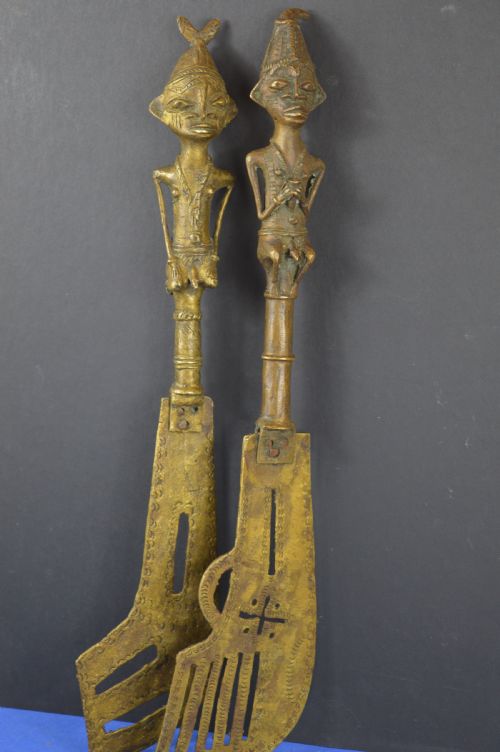
Antique brass artefacts encompass a diverse array of objects, ranging from religious iconography and ceremonial staves to nautical gear and domestic vessels. When exploring antique brass artefacts on this page, buyers frequently encounter 19th-century devotional items, industrial marine pieces, and tribal bronze sculptures.
The selection reflects global traditions, uniting European ecclesiastical metalwork with Asian devotional figures and African tribal artefacts. These pieces served various ritual, functional, and decorative roles within their original contexts.
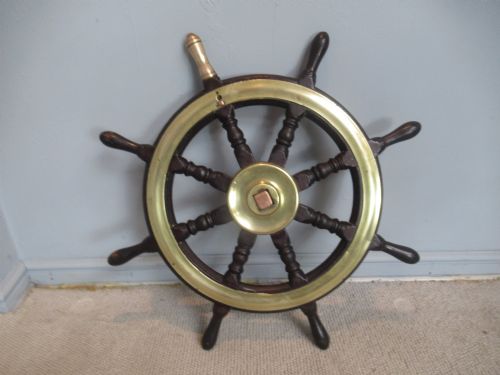
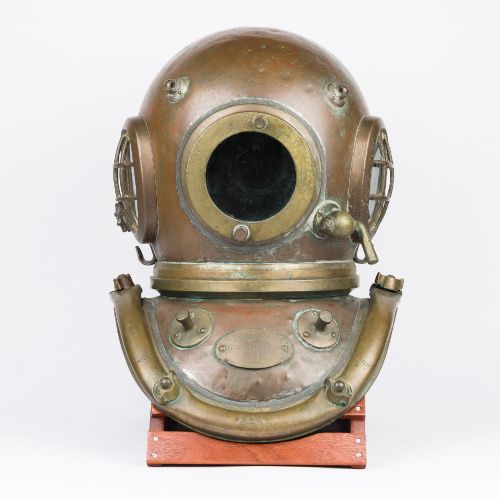
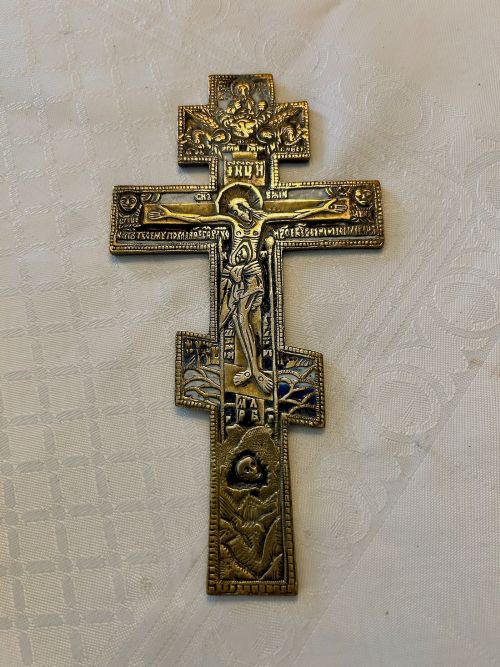
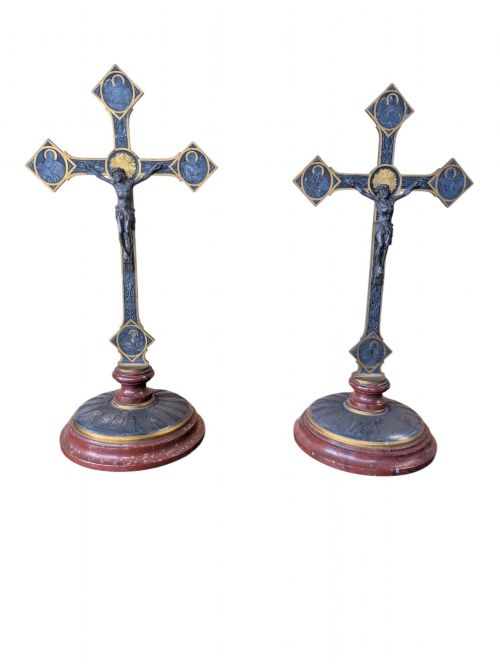
Religious items form a prominent category, including altar crucifixes, orthodox crosses, and painted icons housed within protective oklads. Alongside these sacred objects, buyers find utilitarian and decorative items such as diving helmets, ships' wheels, and ceremonial containers.
Materials and construction
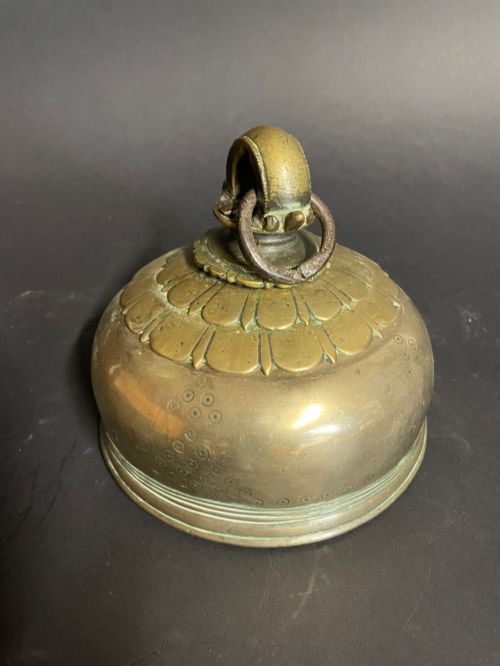
The construction of these pieces relies heavily on cast and worked metal, principally brass and bronze, often combined with secondary materials like copper, iron, wood, and glass. Artisans utilised traditional casting techniques to shape intricate figures, bells, and vessels with durable substance.
Surface decoration frequently involves applied enamel, paint, or gilding to enhance the visual depth of religious and ceremonial objects. Artisans integrated organic elements such as bone and wood into specific regional pieces, uniting different material textures within a single artefact.
Antique Brass Artifacts Retail Price Guide 2026
Typical asking prices for brass artifacts among the pieces listed under this phrase on Sellingantiques today, from the lower quarter to the upper quarter. They describe what is for sale here now, not the wider market.
Listings feature items spanning from the pre-16th century up through the 1930s, incorporating brass, bronze, wood, glass, copper, iron, marble, and enamel.
Assessing quality and execution
The integrity of surface treatments, such as original enamel work, gilding, or painted details, heavily influences the overall character of a piece. Well-preserved patination resulting from age and handling further distinguishes finer survivals from heavily altered items.
Siebe Gorman·De Grave And Co
The Antique Brass Artifacts Glossary
- Patina
- The surface sheen and colour acquired by metal through age, oxidation, and handling. A natural patina indicates uncompromised historical surface wear.
- Repoussé
- A metalworking technique where the artisan hammers the material from the reverse side to form a raised design in relief. This method appears frequently on decorative plaques and icon covers.
- Crucifix
- A cross bearing the figure of Christ, produced across various Christian traditions for liturgical or devotional use. These objects vary significantly in scale and regional artistic style.
Antique Brass Artifacts: Frequently Asked Questions
What are antique brass artifacts?
Antique brass artefacts are historical metal objects created for religious, domestic, or industrial purposes across various centuries and cultures.
They include items such as altar crucifixes, ceremonial staves, and maritime equipment, each carrying distinct historical significance.
How do I date antique brass?
Dating involves examining manufacturing techniques, stylistic markers, and material composition characteristic of specific periods.
Comparing construction methods against documented examples helps establish a reliable timeframe for each piece.
How were religious artefacts used?
Religious artefacts like icons and crucifixes served as focal points for private devotion and public worship within various Christian traditions.
They were displayed in homes or ecclesiastical settings to aid prayer and mark sacred spaces.
How do I clean antique brass?
Cleaning generally requires minimal intervention to preserve the historical surface and natural oxidation.
Harsh chemical polishes should be avoided to protect the underlying metal and its accumulated patina.