




Antique Brass Animals
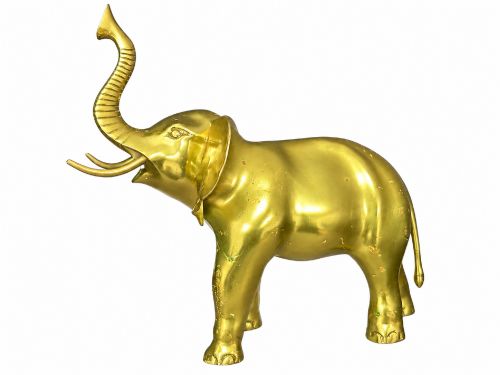
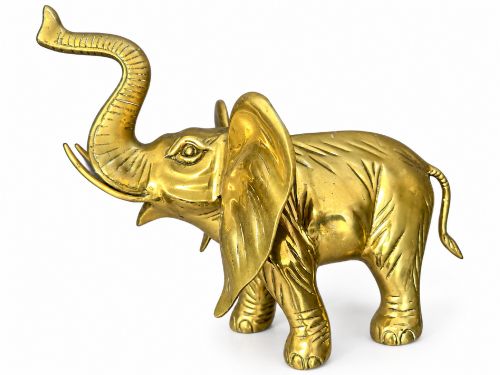
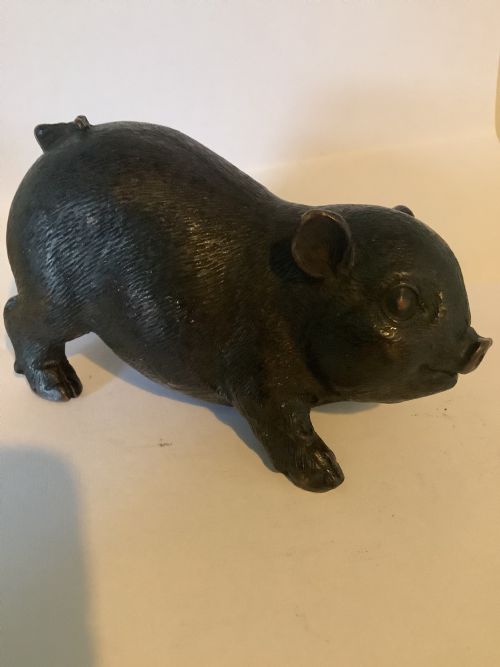
Antique brass animals bring character to a room through domestic pets, native birds and exotic beasts cast in metal.
Antique Brass Animals
When you search for antique brass animals, you encounter functional objects and decorative figures designed to sit on desks, tables and mantelpieces. The selection ranges from nineteenth-century door stops and inkwells to twentieth-century bookends and table lamps.
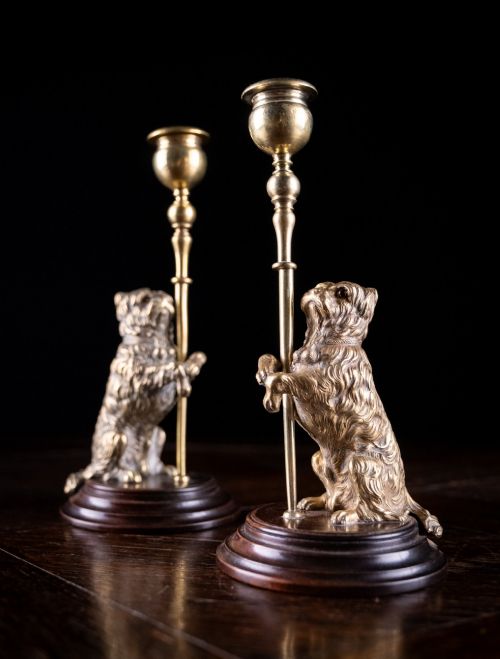
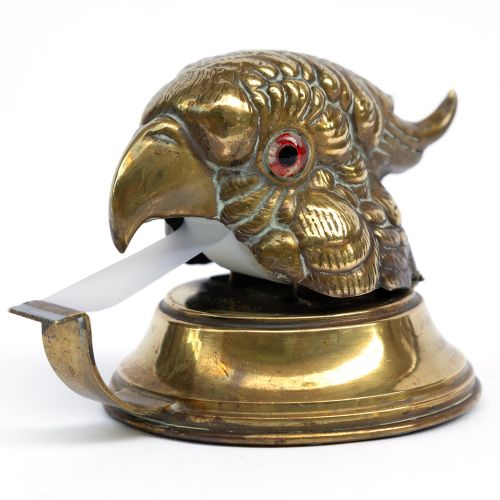
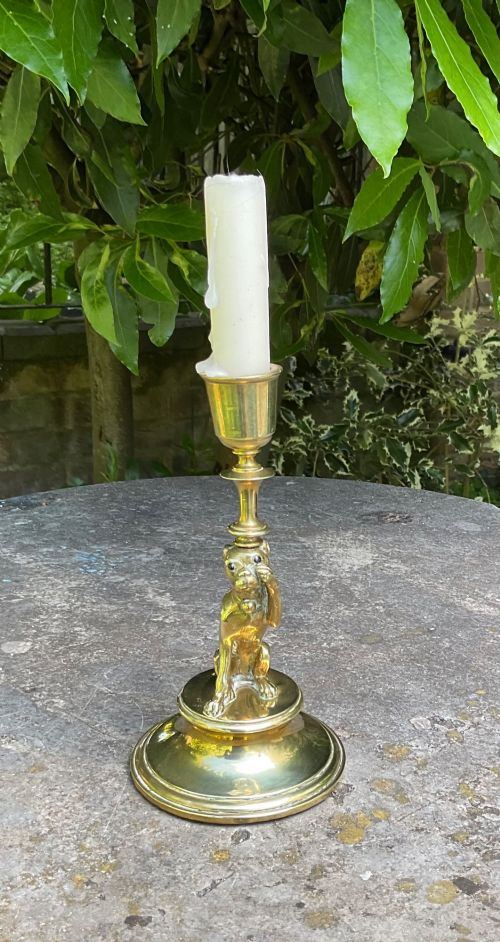
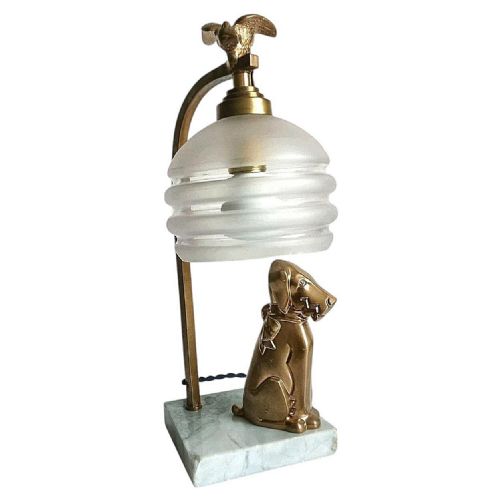
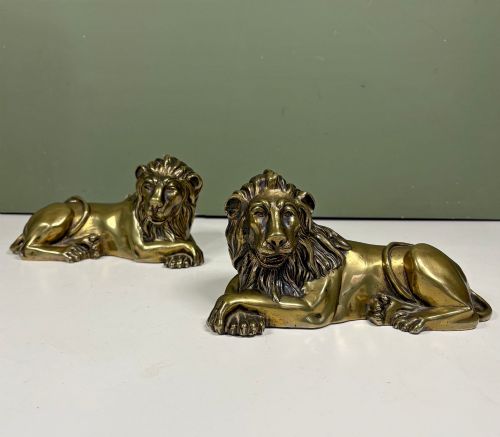
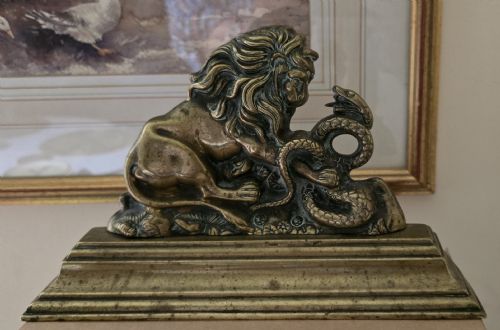
You are most likely to meet dogs, lions and birds across these listings, cast as candlesticks, tape dispensers and paperweights. Examples appear in various styles including Victorian novelty, Art Deco and Edwardian, alongside pieces incorporating glass, marble and wood.
Materials and construction methods
Foundry workers utilised cast brass and bronze to shape animal forms, sometimes combining metal with glass eyes, marble bases or porcelain components. Repoussé and hammered techniques allowed artisans to push out decorative animal motifs from thin sheets of metal on trays and planters.
Makers integrated practical functions into sculptural forms, creating hinged heads on inkwells, hollow bodies for oil lamps, and sturdy bases for doorstops and bookends. Gilded finishes and hand-coloured details were applied to enhance the texture of feathers, fur and manes.
Antique Brass Animals Retail Price Guide 2026
Typical asking prices for brass animals among the pieces listed under this phrase on Sellingantiques today, from the lower quarter to the upper quarter. They describe what is for sale here now, not the wider market.
The object types recorded here range from practical door stops and inkwells to decorative bookends and garden spout sculptures.
Distinctions in quality
Material integration also separates the tier of a piece, such as the inclusion of original glass inset eyes, solid marble plinths, or heavy cast bases rather than lighter pressed metal constructions.
Sitzendorf·C Omin·Hessen Paris
The Antique Brass Animals Glossary
- Repoussé
- A method of shaping metal by hammering it from the reverse side to form a raised design. This technique appears on planters and trays with animal motifs.
- Novelty inkwell
- A desk accessory shaped as an animal, often featuring a hinged head or body that lifts to reveal an ink pot. These frequently incorporate glass eyes.
- Door porter
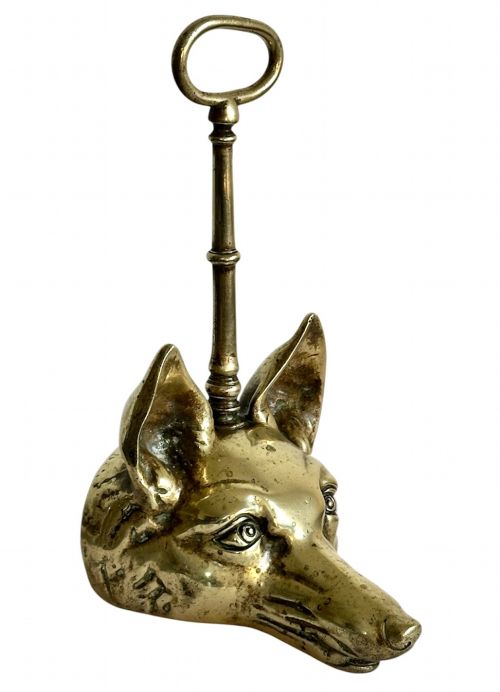
- A heavy weight designed to hold a door open, often cast as a lion or dog with an integrated handle. These pieces utilise sturdy iron and brass construction.
- Gilded bronze
- Bronze metal treated with a thin layer of gold or gold-coloured finish. This treatment adds a lustrous sheen to figural sculptures and desk ornaments.
Antique Brass Animals: Frequently Asked Questions
What were antique brass animals used for?
Many of these pieces served daily domestic purposes on writing desks and hallways as inkwells, tape dispensers, paperweights and doorstops. Others functioned as lighting fixtures including candlesticks, oil lamps and night lights.
Craftsmen also produced purely decorative figures, chargers and centrepiece bowls designed to display animal motifs within the home.
How do I tell Victorian pieces apart from Art Deco pieces?
Victorian examples tend to display ornate, naturalistic details with heavy ornamentation, particularly in novelty inkwells and doorstops featuring dogs, owls and lions. These often date from the nineteenth century through to about eighteen-eighty.
Art Deco items, emerging around nineteen-twenty and nineteen-thirty, favour streamlined silhouettes, stylised fauna such as pelicans and seagulls, and geometric pairings with granite, opaline glass or marble.
How do I clean antique brass animals?
Dust accumulated in recessed areas is best removed gently with a soft brush rather than harsh polishing agents. Preserving the dark aged patina is generally preferred by collectors over achieving a bright shine.
Avoid abrasive cleaners that can strip away original gilding, hand-coloured details or surface patination built up over decades.
Where should I place these in a room?
Small figural pieces and inkwells suit desk tops, bookshelves and side tables where their detailed casting can be viewed closely. Larger animal doorstops and bookends anchor heavier volumes or keep interior doors propped open.
Table lamps and night lights provide functional illumination while serving as sculptural focal points on mantelpieces or sideboards.