

Antique Brass and Silver
Antique brass and silver objects combine warm metal tones and bright metallic finishes across clocks, lighting, and decorative items from the Georgian era to the mid-twentieth century.
Antique Brass and Silver
When you search for antique brass and silver, you encounter items spanning functional household objects and decorative pieces from the Georgian, Victorian, and Edwardian periods. The selection ranges from intricate lighting fixtures and timepieces to small boxes and tableware, crossing several distinct historical design movements.
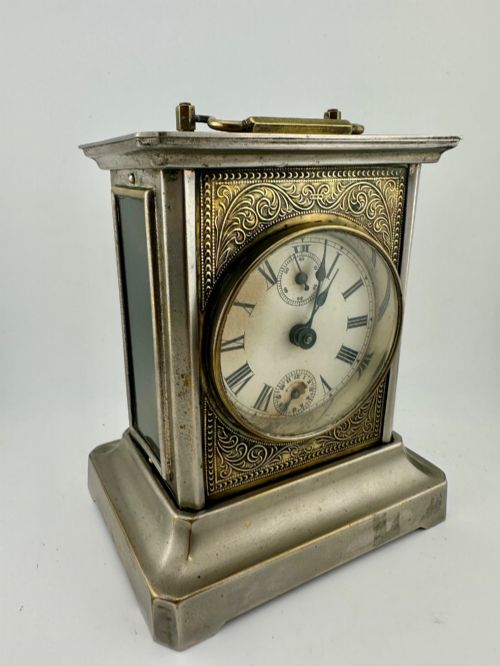
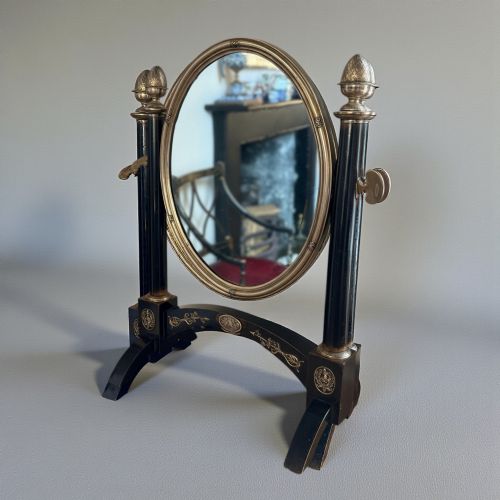
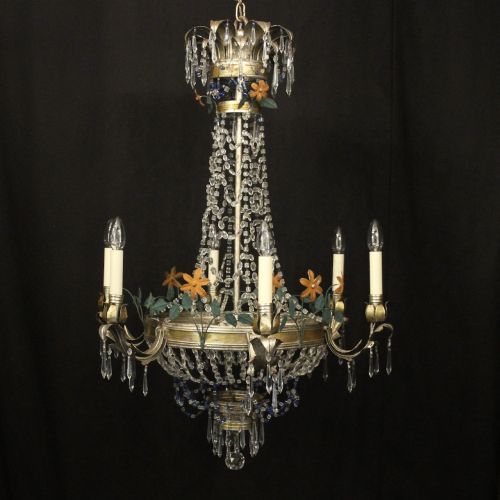
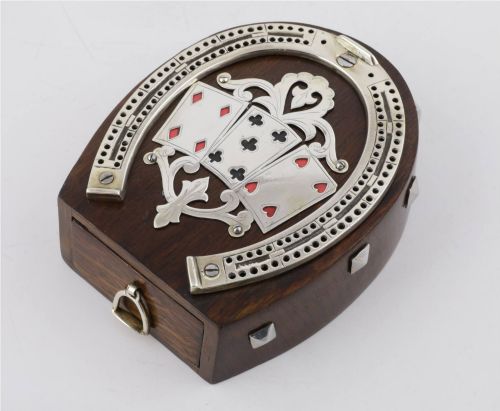
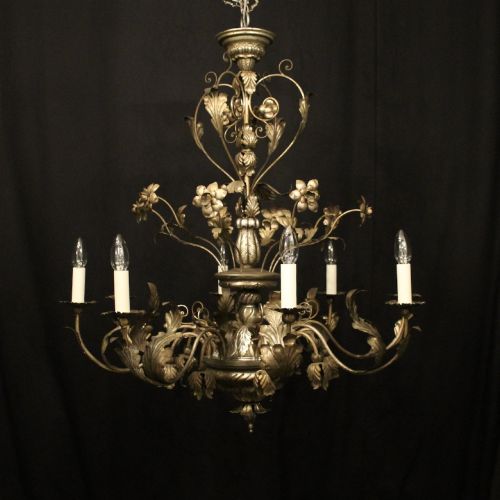
The most frequent examples on this page include clocks, lighting, and desk items originating from English, French, and Middle Eastern workshops. These pieces reflect the prevailing decorative styles of their respective decades, including Art Nouveau, Art Deco, and revivalist movements such as Mamluk and Egyptian designs.
Materials and construction
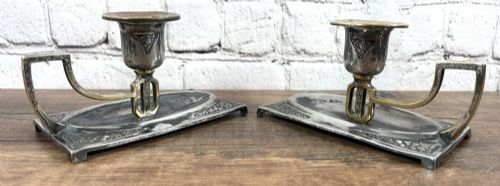
Makers utilised base metals such as brass, copper, and bronze, often enhancing them with silver plating, silver gilt, or silver inlay. These metallic elements are frequently combined with other materials including mahogany, oak, glass, enamel, and leather.
Construction methods range from cast and chased metalwork to hand-beaten surfaces and inlaid metallic wire. Cabinetry components employ traditional timber joinery alongside hand-blown glass elements and mechanical clockwork movements.
Antique Brass and Silver Retail Price Guide 2026
Typical asking prices for brass and silver among the pieces listed under this phrase on Sellingantiques today, from the lower quarter to the upper quarter. They describe what is for sale here now, not the wider market.
Dogs and travellers share the spotlight through 19th-century leather collars with padlocks and heavy brass coaching lamps.
Assessing craftsmanship and finish
Quality in these items is determined by the precision of the metalwork, the depth of chasing or inlay, and the integrity of the underlying materials. Superior examples display crisp detail in cast ornamentation and secure, flush application of silver or contrasting metals.
The execution of secondary materials, such as hand-blown glass or finely fitted timber cases, distinguishes standard production items from masterwork pieces. The cohesion between the structural form and the decorative metal elements dictates the overall success of the object.
W & H·WMF·Gillett & Johnston of Croydon·Lenzkirch·Mappin & Webb·Dunhill·S. W. Silver & Co.
The Antique Brass and Silver Glossary
- Ormolu
- A technique of applying finely ground, high-carat gold to an object of bronze or brass. This French method produces a rich, golden metallic lustre that resists tarnishing.
- Silver Plate
- A thin layer of silver applied to a base metal substrate, such as copper or brass. This process offered the visual appeal of solid silver at a lower production cost.
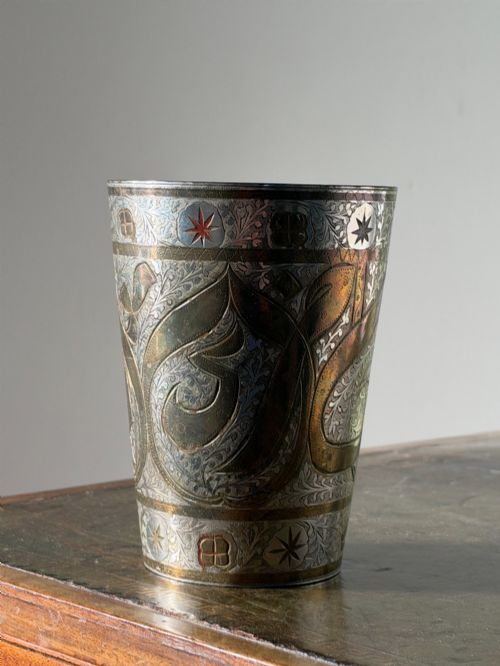
- Cairo Ware
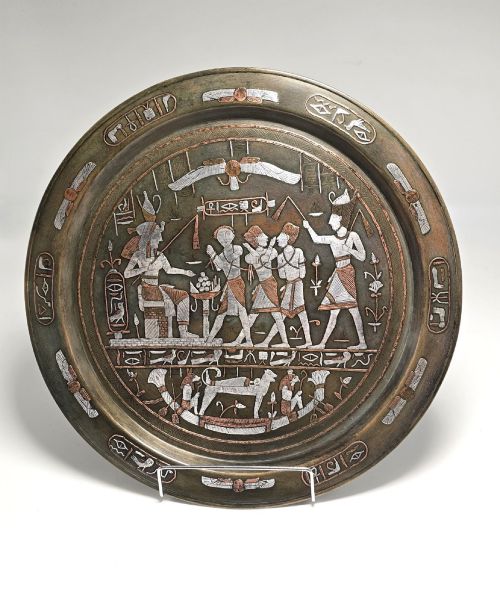
- Metalware produced in Egypt during the late nineteenth and early twentieth centuries, typically featuring brass bodies inlaid with silver and copper in traditional Islamic motifs.
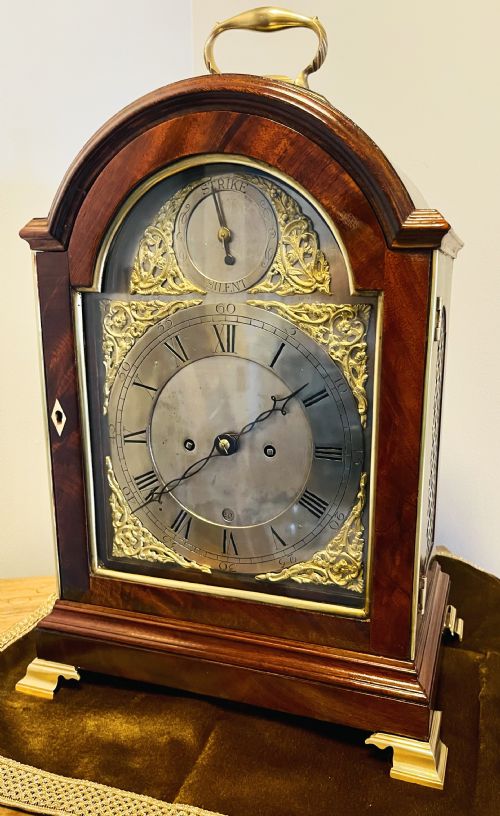
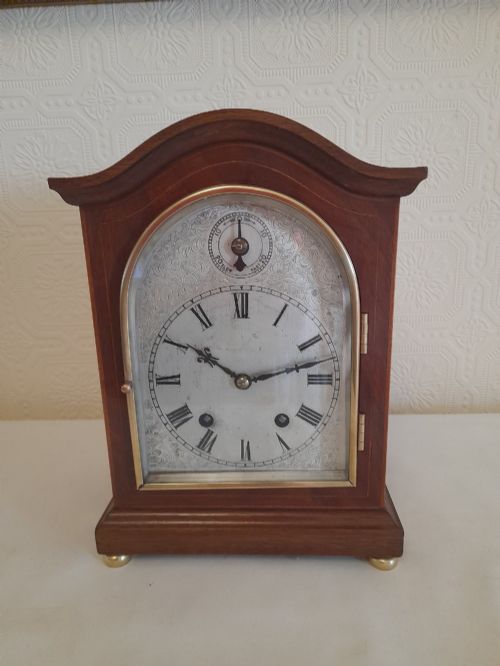
- Bracket Clock
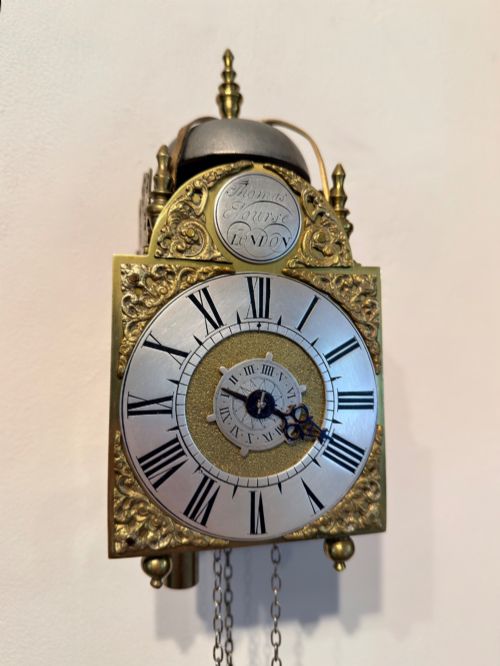
- A portable household clock designed to sit on a bracket or table. These timepieces often incorporate complex striking or chiming mechanisms housed within timber cases.
- Skeleton Clock
- A clock designed with an open framework that exposes the brass gear trains and movement plates. This style allows the internal mechanical workings to remain visible from all sides.
Antique Brass and Silver: Frequently Asked Questions
How do I clean antique brass?
Dust the surface regularly with a soft cloth to prevent the accumulation of grime. Avoid harsh chemical cleaners that strip the historic patina accumulated over decades.
For stubborn tarnish, apply a mild, non-abrasive metal polish sparingly with a cotton swab. Buff the metal gently with a clean cloth to restore its natural lustre without damaging finer details.
What is Cairo Ware?
Cairo Ware refers to decorative metal items produced in Egypt during the late nineteenth and early twentieth centuries, often for the European export market. These pieces typically consist of brass bodies inlaid with silver and copper.
They draw inspiration from Mamluk metalwork traditions, incorporating intricate Islamic geometric patterns and Arabic calligraphy. Collectors value them for their dense, contrasting metallic decoration.
How do I care for silver plate?
Silver-plated items require gentle handling to preserve the thin metallic layer over the base metal. Clean them infrequently using a specialist silver cloth rather than liquid dips.
Store these objects in dry environments away from direct sunlight and rubber materials, which can accelerate tarnishing. Proper humidity control prevents the base metal from reacting through worn areas.
Are skeleton clocks difficult to maintain?
Skeleton clocks require professional servicing every few years to ensure the exposed gear trains operate correctly. Dust can accumulate on the open movements more readily than in enclosed clock cases.
Keep these timepieces away from draughts and temperature fluctuations that affect the expansion of brass and steel components. Regular oiling by a horologist preserves the delicate mechanical linkages.