

Antique Brass Accessory
These antique brass accessory items span utilitarian hearth furniture and refined desktop pieces, bringing period character to any room.
Antique Brass Accessory
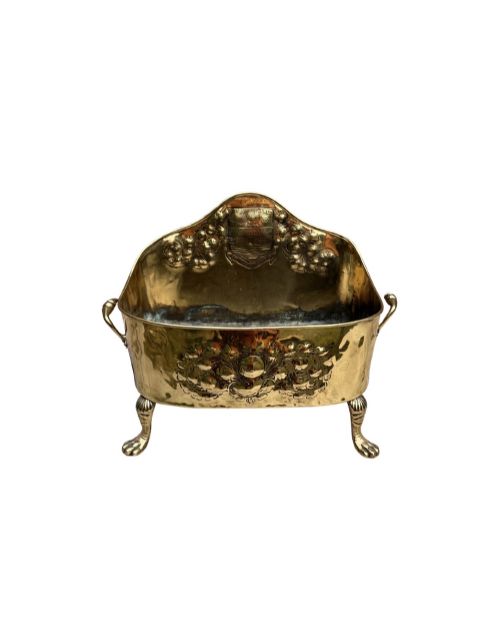
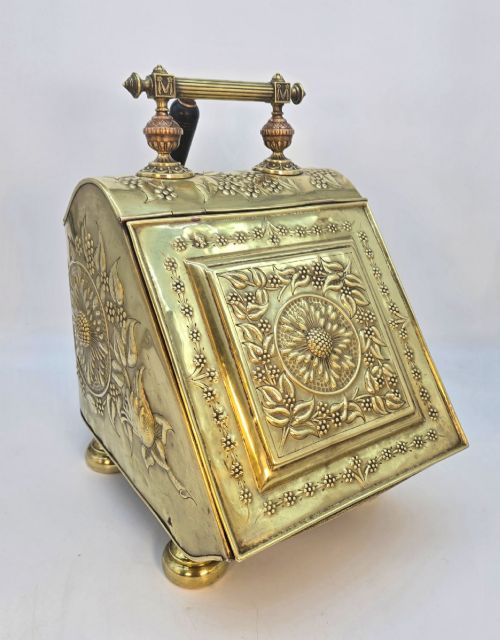
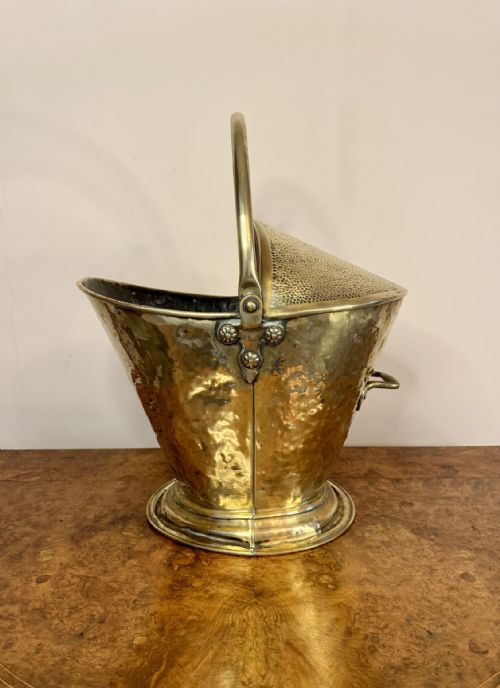
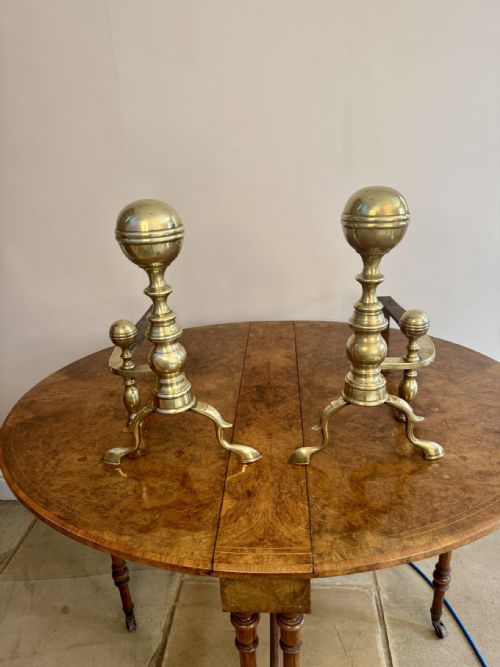
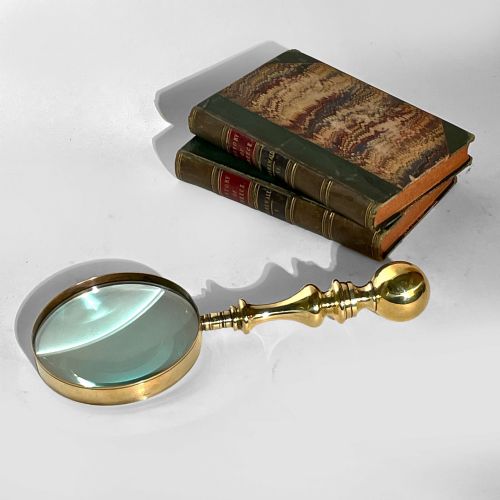
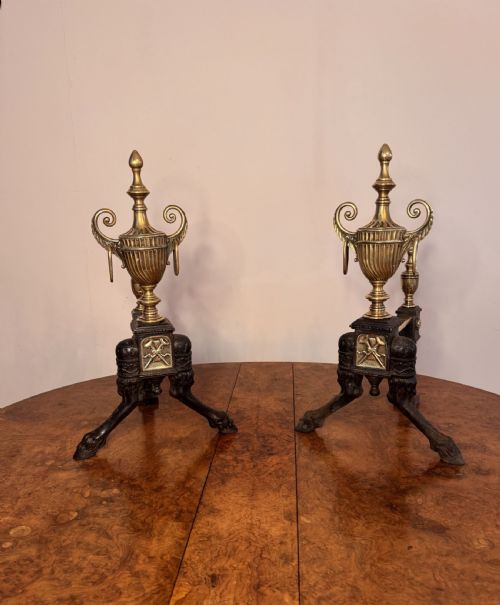
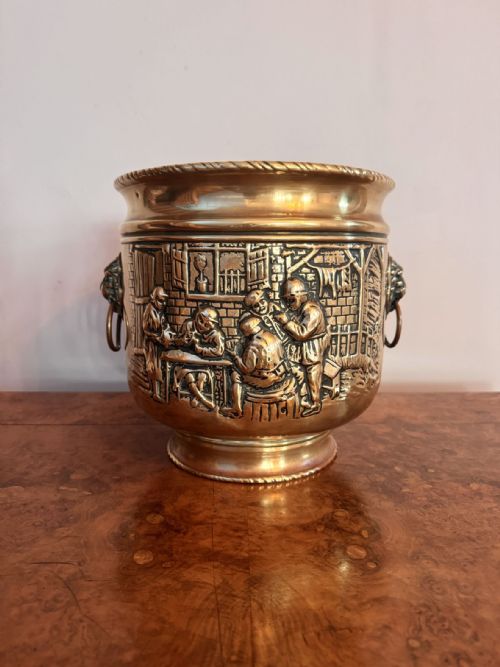
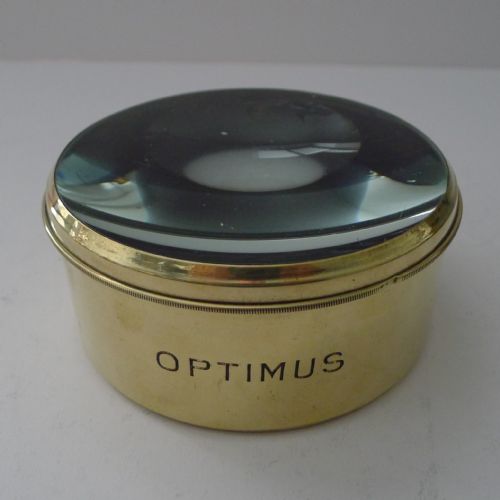
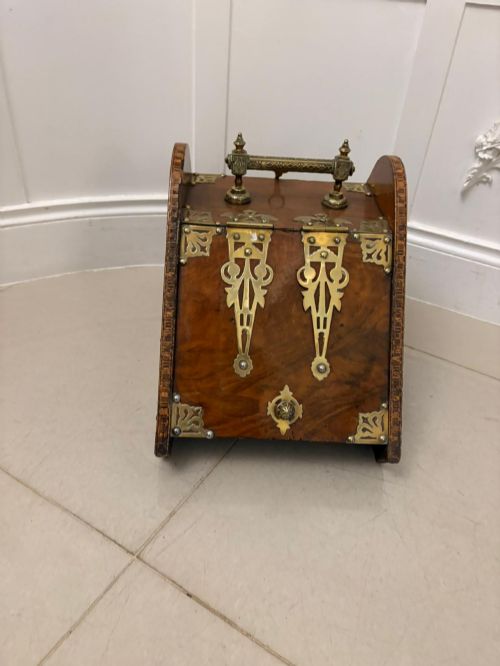
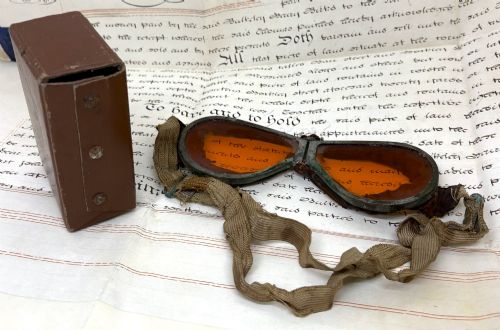
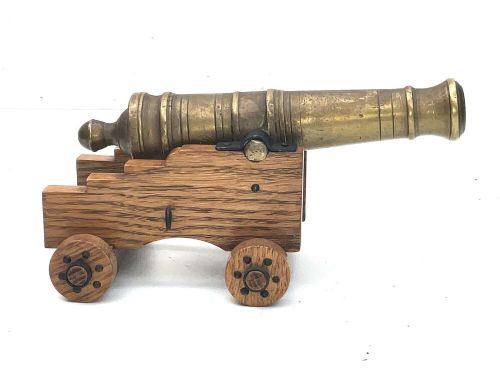
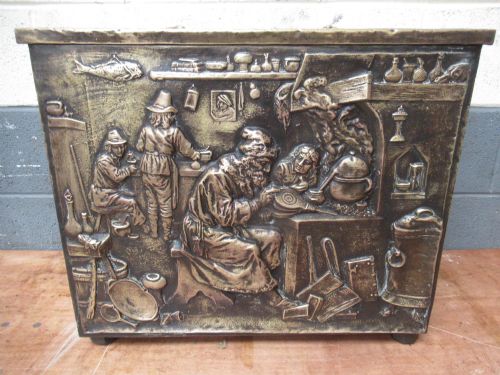
An antique brass accessory encompasses a diverse range of functional objects designed for the hearth and the writing desk, originating primarily from the eighteenth and nineteenth centuries. Buyers frequently encounter items such as coal scuttles, fire dogs, inkstands, and magnifying glasses rendered in polished or patinated metal.
The material palette extends beyond pure brass to incorporate copper, iron, walnut, oak, and glass. Pieces emerge from distinct design movements including Regency, Victorian, Gothic Revival, and Arts and Crafts.
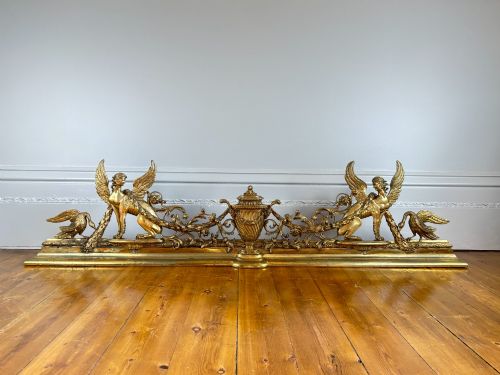
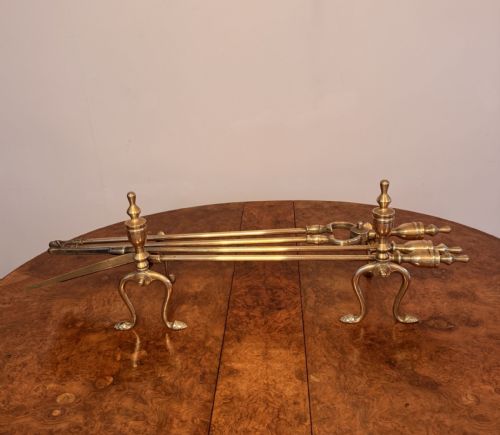
Hearth furniture dominates the selection, ranging from pierced fenders and chestnut roasters to comprehensive fireplace companion sets. Desk pieces provide a more intimate domestic scale, utilising materials like coromandel and ormolu alongside traditional brass mounts.
Materials and construction methods
Maker workshops utilised casting, hammering, and piercing techniques to shape heavy brass and copper sheets into durable domestic equipment. Iron and cast iron provided structural strength for fire baskets and fire dogs, while wooden bodies in walnut or oak formed the core of stationery boxes and coal scuttles.
Decorative detailing relied on hand-finishing, embossing, and applied ormolu mounts to elevate utilitarian objects into decorative works of art. Glazed mountings and fitted interiors demonstrated precision joinery suited to daily desktop use.
Antique Brass Accessory Retail Price Guide 2026
Typical asking prices for brass accessory among the pieces listed under this phrase on Sellingantiques today, from the lower quarter to the upper quarter. They describe what is for sale here now, not the wider market.
A nineteenth-century chestnut roaster hints at cozy winter evenings spent turning nuts over an open coal fire.
Factors determining quality
Superior examples exhibit crisp casting definition, substantial metal thickness, and harmonious integration of secondary materials like timber and glass. Inferior versions show crude finishing, thin gauge metal, and replaced components that disrupt the historical integrity.
Edwards and Jones·J C Vickery
The Antique Brass Accessory Glossary
- Andirons
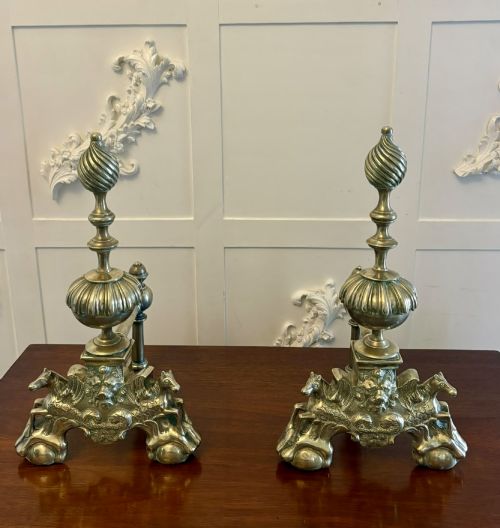
- Iron or brass supports used to raise logs off the hearth floor to improve airflow. They often feature decorative cast or forged fronts visible at the hearth opening.
- Coal scuttle
- A container designed to hold coal for a fireplace, frequently constructed from brass or copper with wooden handles. They appear in helmet shapes or lidded box formats.
- Inkstand
- A desktop tray or stand holding inkwells, pen holders, and sometimes a sander or wafer box. These desk accessories often incorporate materials like glass, brass, and coromandel.
- Fire fender
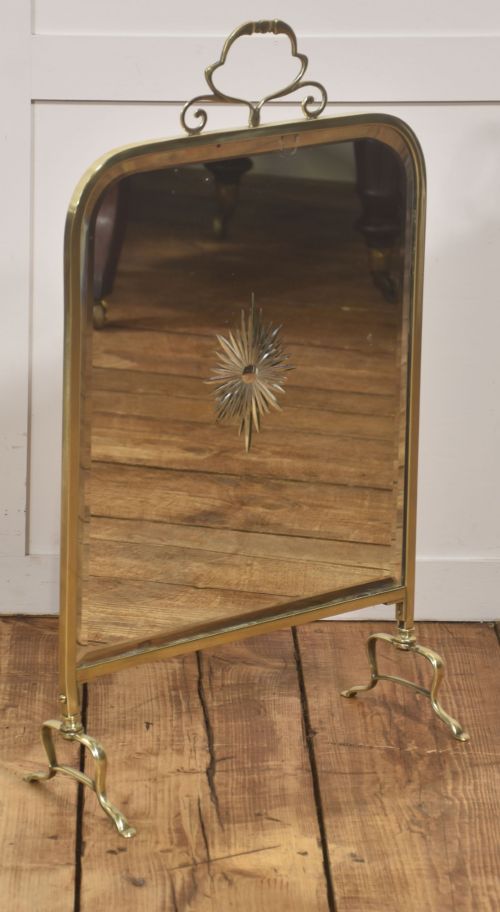
- A low metal barrier placed around the hearth to contain embers and ash. Pierced brass variations are particularly characteristic of the Victorian period.
- Ormolu
- Gilded bronze applied as a decorative mount on furniture and decorative objects. It provides a bright gold-tone contrast against darker woods.
Antique Brass Accessory: Frequently Asked Questions
What is an antique brass accessory used for?
These pieces served practical daily functions in historic homes, ranging from managing hearth fires to organising correspondence on a library desk.
Today, collectors utilise them as functional home furnishings or decorative accents that reflect nineteenth-century craftsmanship.
How do I date a brass fireplace accessory?
Dating relies on stylistic clues, manufacturing techniques, and material combinations associated with periods like the Regency or Victorian eras.
Examining fastening methods and casting quality helps narrow the decade of production.
Are desk accessories and hearth items made the same way?
Hearth items prioritized heavy-duty durability using cast iron, thick brass, and copper to withstand intense heat and daily physical wear.
Desk accessories focused on fine joinery, delicate mountings, and polished surfaces suited for indoor study environments.
How should I clean antique brass?
Most collectors prefer to preserve the accumulated natural patina rather than polishing pieces to a bright shine.
Gentle dusting with a soft cloth removes surface grime without stripping the historical surface age.