



Antique Boulle Desk
These antique boulle desk pieces bring striking tortoiseshell and brass marquetry into your study, combining French elegance with practical writing surfaces.
Antique Boulle Desk
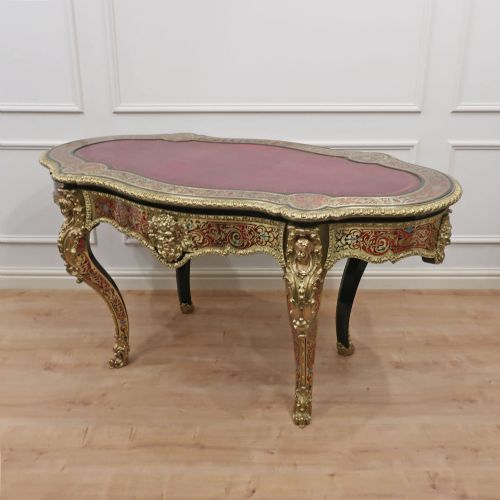
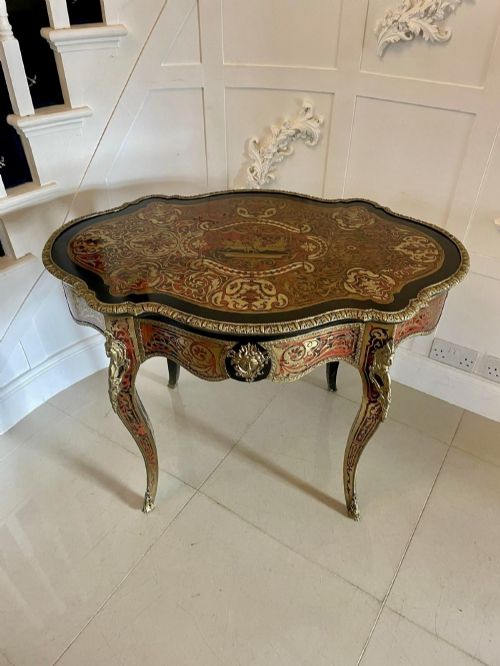
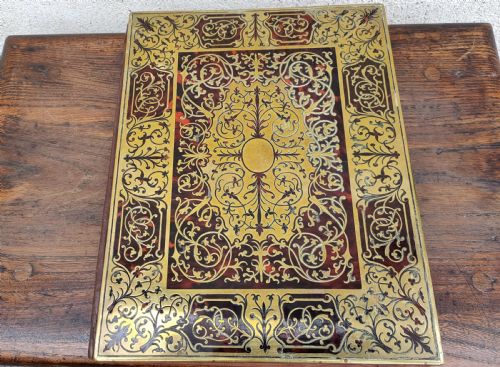
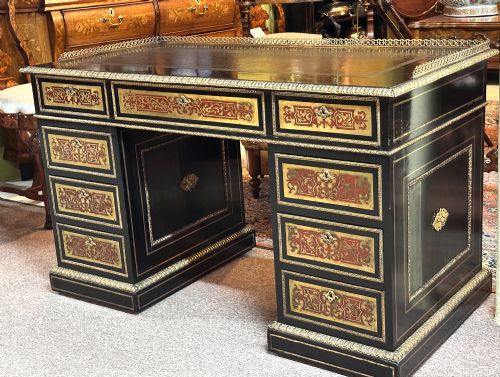
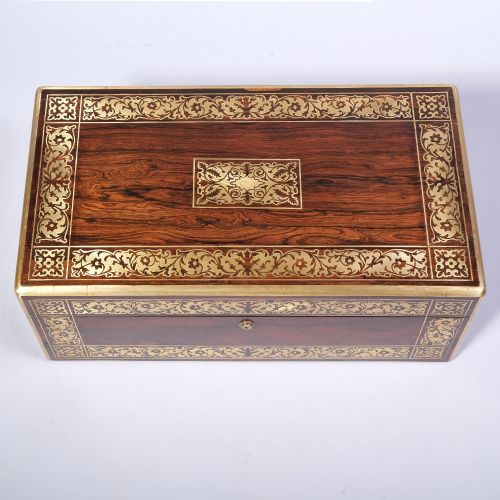
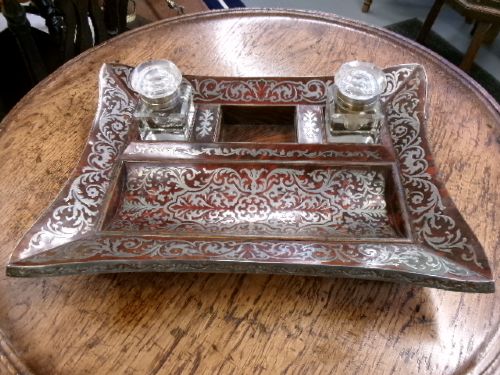
When you search for an antique boulle desk, you encounter elaborate French writing furniture, centre tables, and desk accessories adorned with distinctive inlaid patterns. The forms span nineteenth-century writing boxes, bureau plat desks, and smaller desk stands equipped with inkwells.
The assortment extends beyond standard writing desks to include bonheur du jour cabinets and matched desk sets. Each item showcases the meticulous marquetry technique developed during the seventeenth century and revived in later decades.
Materials and Craftsmanship
Craftsmen built these pieces using ebonised wood or rosewood as a dark foundation, upon which they layered sheets of tortoiseshell and cut brass. This technique, known as boulle work, involves sawing stacked sheets of metal and shell together to create precise positive and negative motifs.
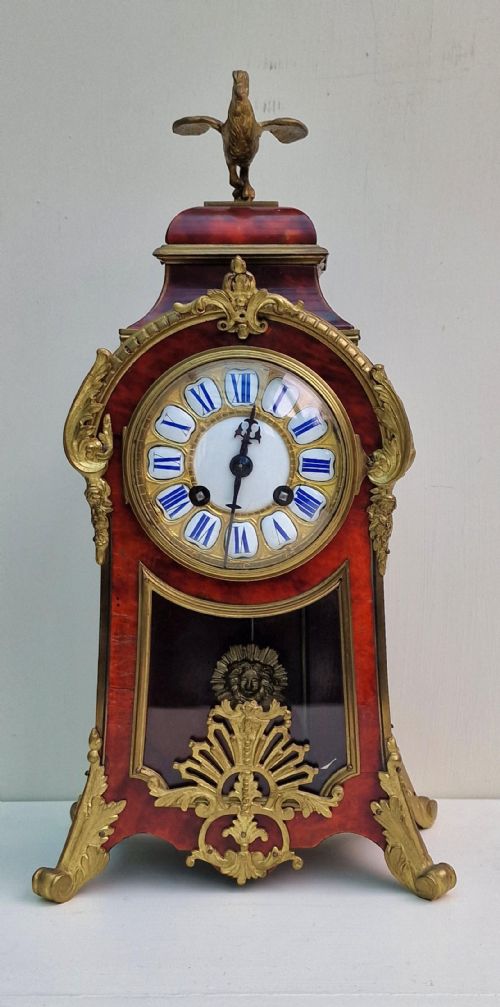
Ormolu mounts cast in bronze provide structural highlights and protective edging around drawers, corners, and legs. Glass, leather writing inserts, and enamel clock faces frequently complete the secondary details on these desk accessories and tables.
Antique Boulle Desk Retail Price Guide 2026
Typical asking prices for boulle desk among the pieces listed under this phrase on Sellingantiques today, from the lower quarter to the upper quarter. They describe what is for sale here now, not the wider market.
Listings feature nineteenth-century items spanning the Victorian era, Regency period, and Napoleon III style using brass, tortoiseshell, and ebonised wood.
Assessing Quality and Execution
The precision of the brass and tortoiseshell marquetry dictates the tier of craftsmanship, where tighter joints and crisper engraving separate superior work from simpler production. Master workshops executed intricate floral and geometric scrolls with minimal filler between the cut elements.
The quality of the cast ormolu mounts heavily influences the overall standing of a piece, as sharply chased bronze details require significant sculptural skill. Heavier timber foundations and intact, stable veneer surfaces further distinguish the finest examples from standard production.
Maison Millet·Asprey
The Antique Boulle Desk Glossary
- Boulle work
- A decorative marquetry process using brass and tortoiseshell inlaid into wood, named after the famed cabinetmaker André-Charles Boulle.
- Ormolu
- Gilded bronze mounts and decorative trimmings applied to furniture and clocks, adding metallic contrast to the dark timber.
- Bureau plat
- A freestanding double-sided writing desk featuring a flat top, typically finished with leather and mounted with ormolu.
- Bonheur du jour
- A small ladies' writing cabinet featuring a tiered superstructure with shelves or small drawers above a writing surface.
- Marquetry
- The art of applying pieces of veneer to a structure to form decorative patterns, utilising materials like brass, shell, and exotic woods.
Antique Boulle Desk: Frequently Asked Questions
How do I care for antique tortoiseshell?
Keep tortoiseshell surfaces away from direct sunlight and excessive heat to prevent warping or drying out of the organic material.
Dust gently with a soft, dry cloth and avoid harsh chemical polishes that can damage the delicate brass inlay and amber tones.
Are these desks suitable for daily writing?
Many nineteenth-century writing desks and bureau plat tables feature sturdy wooden frames designed specifically for regular correspondence and study use.
Leather writing surfaces provide a durable pad for daily work, though delicate antique finishes require care to avoid scratches.
What is the difference between boulle and marquetry?
Boulle is a specific subset of marquetry that relies exclusively on contrasting sheets of brass and tortoiseshell cut simultaneously.
Traditional wood marquetry utilises various tinted wood veneers to picture pictorial scenes, whereas boulle creates metallic reflection and pattern.
How do I identify a Napoleon III piece?
Napoleon III items from the nineteenth century often lean heavily into revived Louis XIV and Louis XV aesthetics with abundant ormolu.
They frequently combine ebonised finishes with complex brass and tortoiseshell inlays across tables, clocks, and small desk boxes.