





Antique Botanical Textile
These antique botanical textile pieces bring natural flora into rooms through needlework, tapestries and embroideries that reward close study.
Antique Botanical Textile
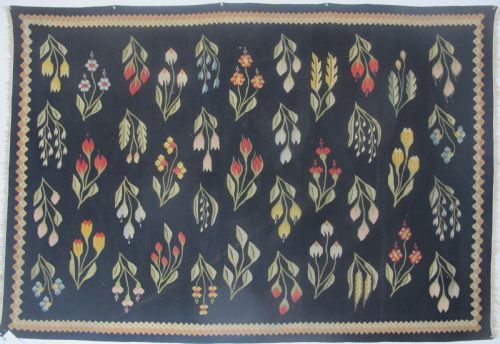
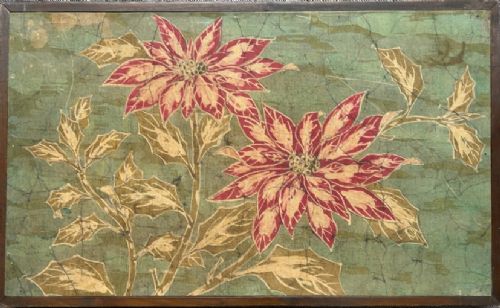
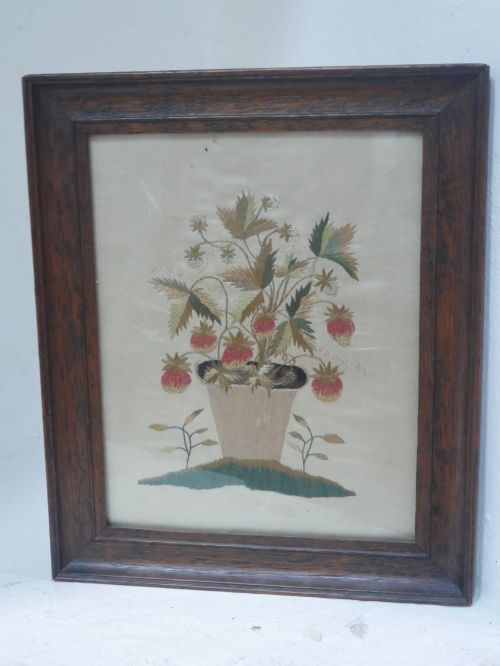
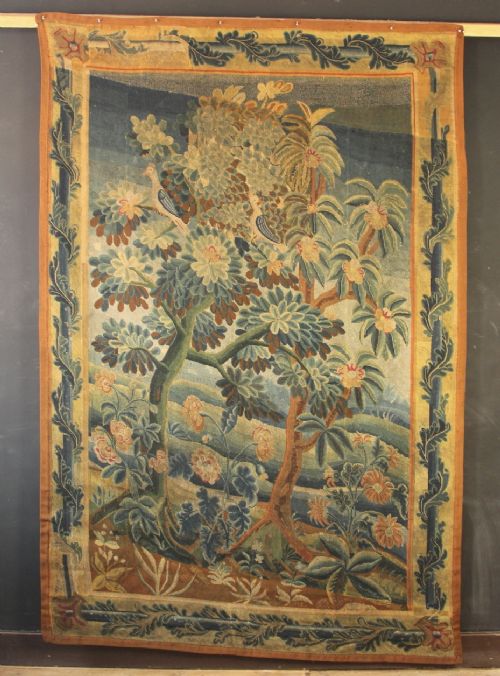
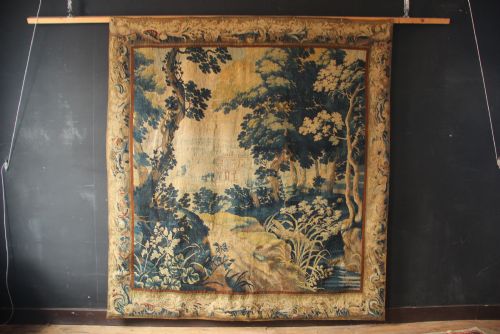
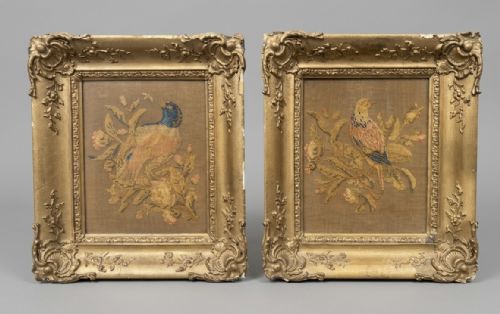
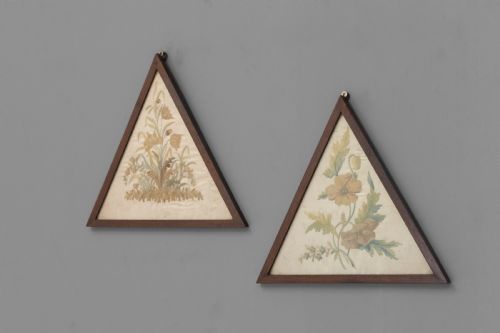
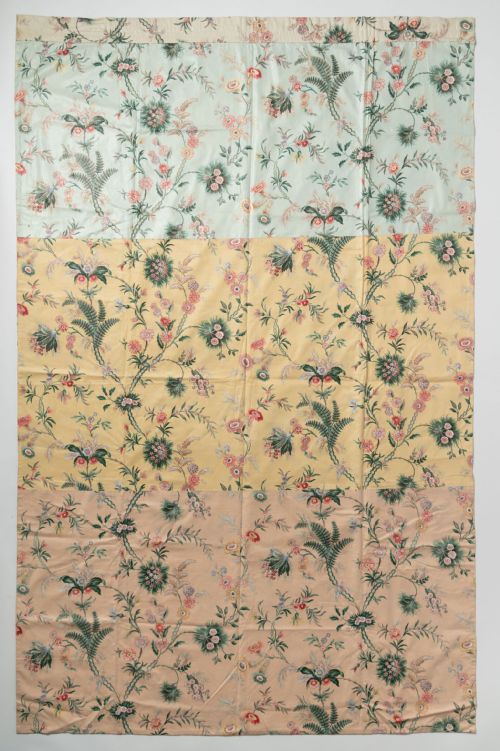
An antique botanical textile brings plant and flower motifs into interior spaces through hand-stitched needlework, woven tapestries and embroidered panels. These pieces range from framed pictures of strawberries and garden birds to large wall hangings depicting verdure scenes.
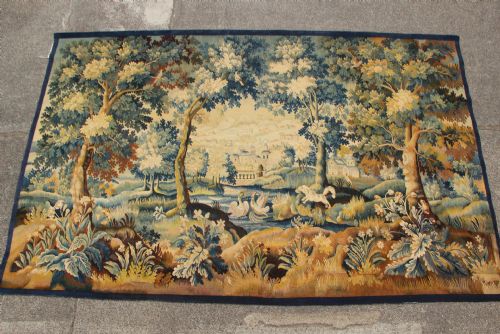
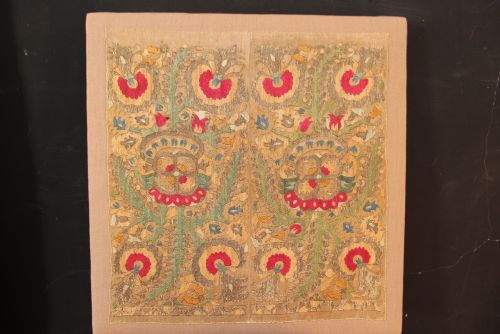
The selection here draws on periods from the seventeenth century through to the early twentieth century. Buyers encounter Flemish verdure hangings, Aubusson weaves, Central Asian Suzanis and English needlework pictures.
Smaller works include embroidered panels, cushion covers and framed floral pictures in gilt wood frames. Larger examples take the form of room-sized tapestries and bed covers worked in silk and wool.
Assessing quality in botanical textiles
Quality rests in the precision of the needlework and the complexity of the botanical design. Finer pieces demonstrate careful shading in silk or wool threads, giving depth to leaves, petals and stems.
The integrity of the ground fabric and the survival of original colour determine the visual strength of a piece. Earlier seventeenth and eighteenth-century examples rely on the enduring quality of their weave and materials.
Stitched strawberries and mandarin ducks appear in the needlework, proving that historical makers appreciated a well-rendered snack and fine poultry.
The Antique Botanical Textile Glossary
- Verdure tapestry
- A woven wall hanging featuring landscape elements, trees, foliage and occasionally birds or animals. These large pieces were designed to insulate stone walls and decorate grand rooms.
- Suzani
- A type of embroidered and decorative tribal textile made in Central Asia, often featuring bold floral patterns in silk on a cotton or linen ground. They served traditionally as dowry items or bed covers.
- Needlework
- Stitched decoration created by hand using a needle and yarn on a woven foundation fabric. This term covers both petit point and larger tent stitch pictures.
- Aubusson
- A style of tapestry woven in the French town of Aubusson, known for floral and pastoral scenes. These flat-woven pieces lack pile and function primarily as wall art.
Antique Botanical Textile: Frequently Asked Questions
How do I hang a large tapestry?
Large tapestries require even support along the top edge to distribute weight without pulling the fibres. A fabric sleeve sewn to the back allows a sturdy wooden batten or metal rod to slide through for wall mounting.
Heavier pieces benefit from professional framing or specialist conservation mounting to protect the weave from sagging over time.
Can these textiles be cleaned?
Surface dust is best removed gently using a soft brush with a protective mesh screen over the nozzle of a low-powered vacuum. Avoid shaking or beating older needlework and tapestries, as brittle threads break easily.
Wet cleaning requires specialist textile conservators who understand historical dyes and delicate silk or wool fibres. Standard household washing methods will ruin antique pieces.
How do I date an embroidery?
Dating relies on examining the type of ground fabric, the twist of the yarn and the chemical composition of the dyes. Needlework styles, framing techniques and subject matter also provide clear indicators of period origin.
Comparative study against documented examples from the eighteenth and nineteenth centuries helps narrow down the decade of production.
Where should I place antique textiles?
Display these pieces away from direct sunlight to prevent fading in silk and wool threads. Stable room temperatures and moderate humidity levels protect natural fibres from drying out or attracting moisture.
Keep textiles clear of direct heat sources such as radiators and fireplaces to preserve the original condition of the fabric.