


Antique Botanical Study
When you search for an antique botanical study, you look for paper and panel works from the eighteenth, nineteenth, and early twentieth centuries capturing flowers and plants.
Antique Botanical Study
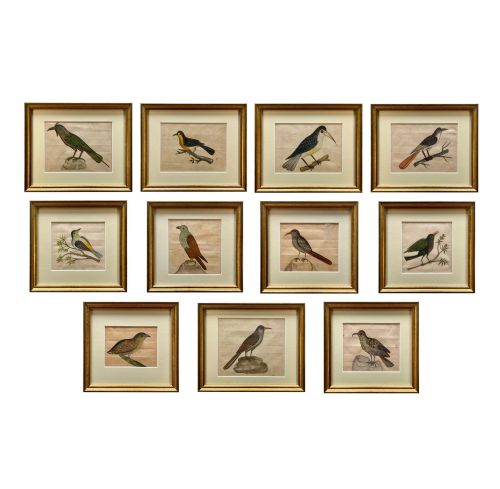
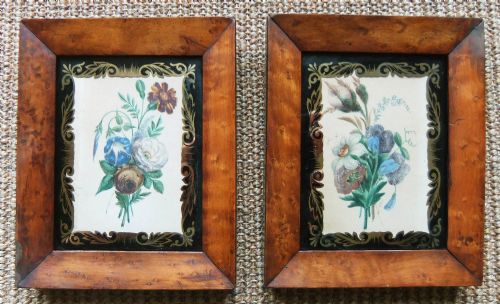
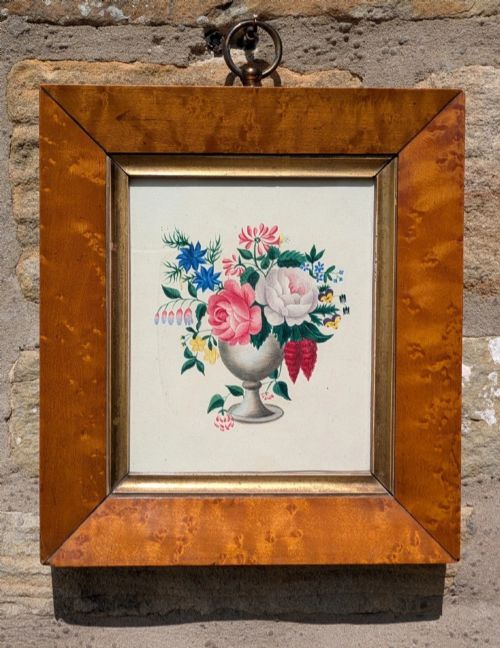
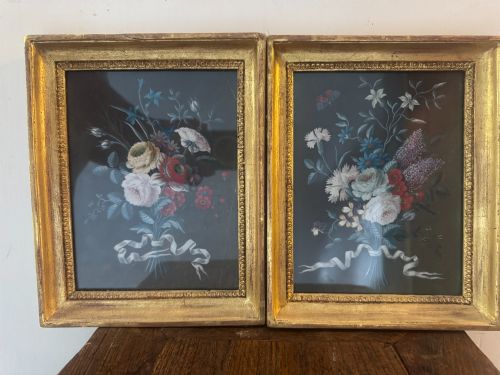
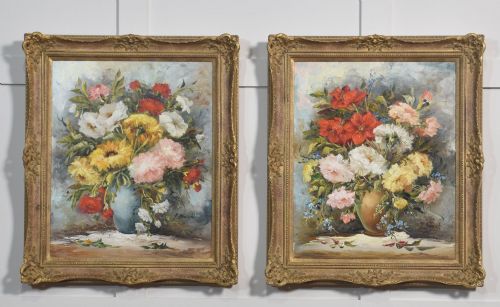
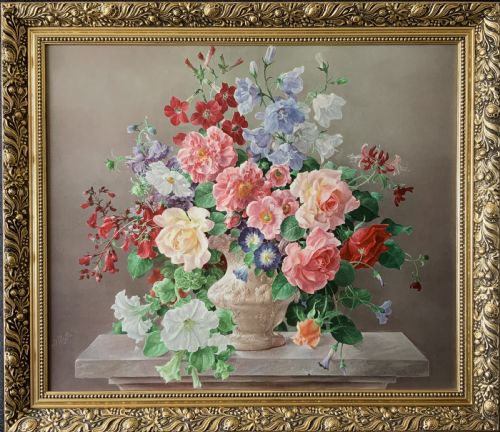
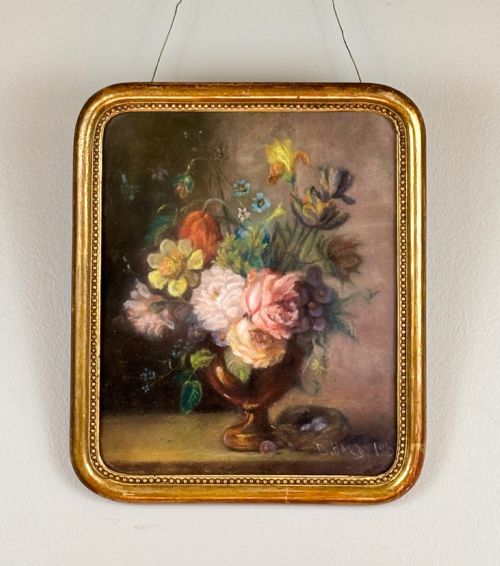
An antique botanical study is a painted, drawn, or printed record of plants, flowers, and natural specimens created primarily for scientific observation, illustration, or decoration. The examples found on this page span the eighteenth century, the Regency period, the Victorian era, and the early decades of the twentieth century. They appear as individual sheets, framed artworks, painted panels, and sets of engravings.
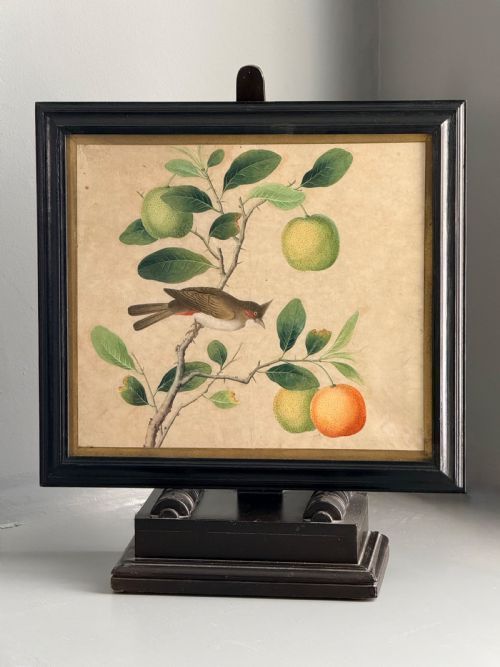
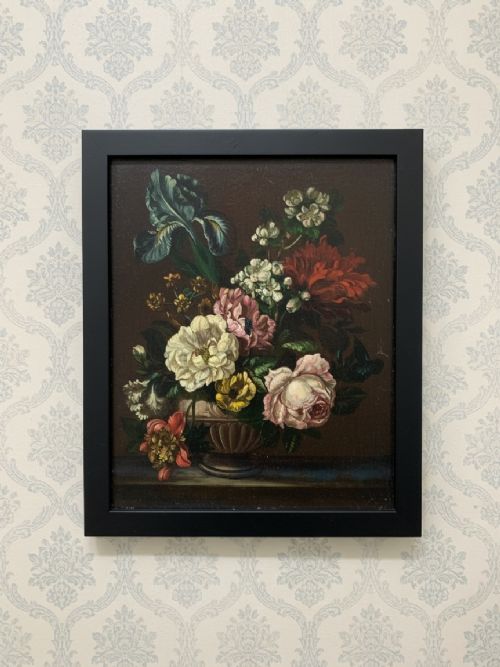
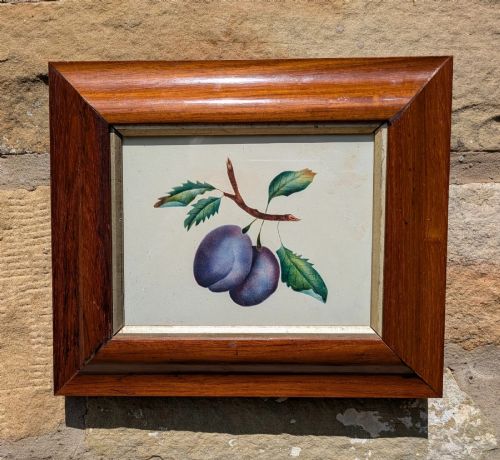
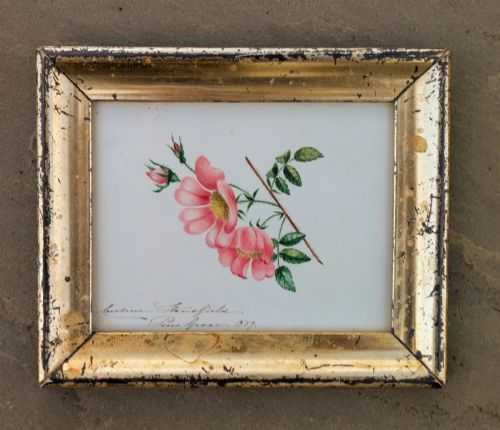
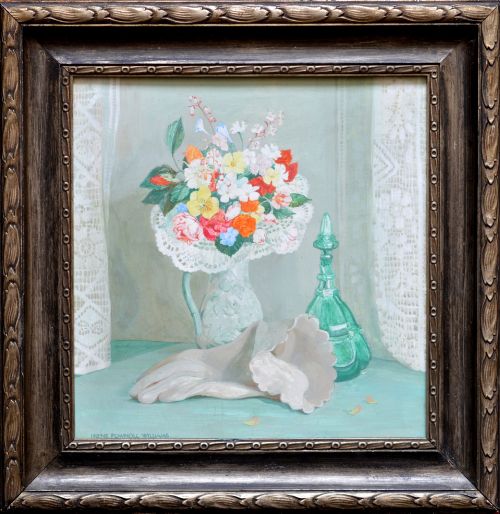
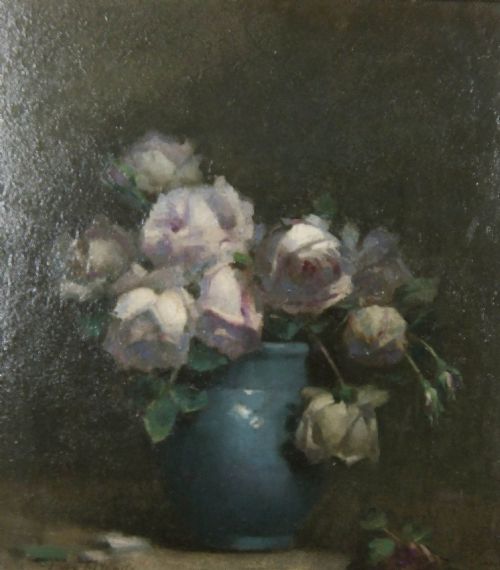
Most pieces meeting this description take the form of watercolours on paper, complemented by gouache paintings on pith paper, oil paintings on panel or canvas, and hand-coloured engravings. Works range from single flower studies such as wild roses, fuchsias, and azaleas to multi-part sets showing botanical specimens alongside insects and plants.
How they were made
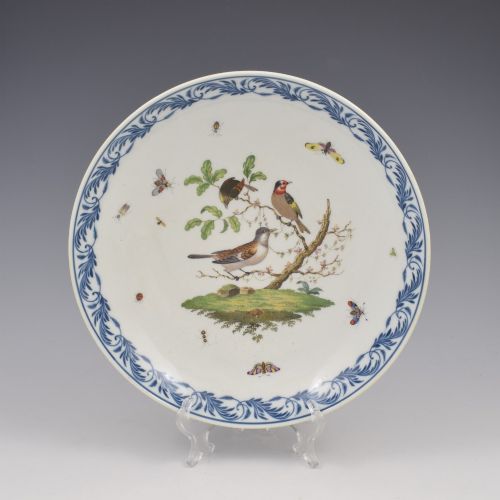
Makers utilised watercolours, gouache, ink, oil paint, and tempera applied to paper, panel, canvas, and pith paper. Engravings received hand-colouring to delineate plant structures accurately, whilst porcelain dishes recorded ornithological and botanical subjects through ceramic painting.
Substrates varied according to the medium and origin, with European works typically employing rag paper or wood panels, and specific Asian pieces utilising delicate pith paper or silk.
Antique Botanical Study Retail Price Guide 2026
Typical asking prices for botanical study among the pieces listed under this phrase on Sellingantiques today, from the lower quarter to the upper quarter. They describe what is for sale here now, not the wider market.
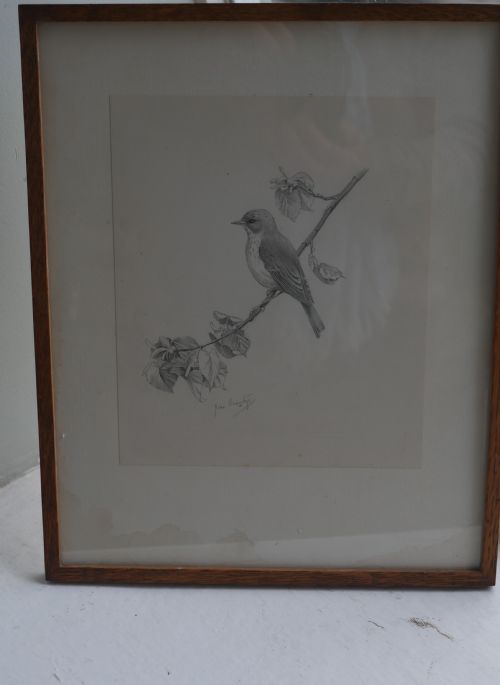
Several botanical and ornithological studies casually feature insects and birds sharing the page with the flowers.
What varies in quality
Quality rests in the precision of the draughtsmanship and the accuracy of the botanical rendering, distinguishing careful scientific observation from generic floral decoration. The handling of watercolour washes or oil pigment determines the depth and clarity of the plant forms on the page.
The integrity of the medium and the preservation of the paper or panel surface influence the overall standing of the work. Framing choices, particularly period rosewood or gilt surrounds, complement the visual weight of the study.
Irene Christobelle Pownoll Williams·William Thomas Wood·William Andrews Nesfield·Edith Barrow·Grace Hastie·Marian Chase·Pierre-Joseph Redouté·Charlotte Isa James·Arthur Wardle·Alice Macallan Swan·John Curtis·Marion Broom·Annie Mary Youngman·Margaret Evangeline Wilson·John Sherrin·M.K Rhodes·Owen Bowen·Otto Soltau
The Antique Botanical Study Glossary
- Pith paper
- A fragile material formed from the pith of the Tetrapanax papyrifer plant, common in nineteenth-century Chinese export painting. It accepts gouache with brilliant colour saturation.
- Gouache
- An opaque water-based medium containing pigment and a binding agent, often chalk, used to create flat areas of dense colour in plant studies.
- Tempera
- A permanent, fast-drying painting medium consisting of coloured pigment mixed with a water-soluble binder medium, frequently applied to wood panels.
- Lithograph
- A print made from a planographic process on a stone or metal plate, utilised for reproducing botanical and architectural designs.
- Regency
- A British stylistic period dating from the early nineteenth century, known in botanical art for refined watercolour precision.
Antique Botanical Study: Frequently Asked Questions
What is an antique botanical study?
An antique botanical study is a historical depiction of plants, flowers, or natural specimens created for scientific documentation or artistic display. These pieces capture specific species through media such as watercolour, gouache, and oil paint.
They reflect the periods in which they were made, ranging from eighteenth-century sheets to twentieth-century panel paintings. Collectors prize them for their precise observation of nature and historical illustration techniques.
How were botanical studies used originally?
Botanical studies served as working records for botanists, gardeners, and illustrators documenting newly discovered or cultivated plant species. They were compiled into folios, scientific texts, and private collection albums.
Over time, many of these individual studies became appreciated as standalone works of art, leading to framing and display in domestic interiors.
How should I frame and display them?
Display botanical studies away from direct sunlight to prevent the fading of watercolour pigments and paper discolouration. Acid-free mounting protects the paper from degradation over time.
Pairing works with simple wooden frames or period rosewood surrounds highlights the delicate tones of the botanical subjects without overwhelming the composition.
How can I tell periods apart?
Periods are identified through a combination of paper types, framing styles, pigment characteristics, and artist signatures. Eighteenth-century works often utilise heavier laid paper and distinct hand-mixed watercolours.
Victorian and later nineteenth-century pieces frequently display tighter botanical accuracy and are associated with known academic artists or specific engraving publications.