




Antique Book Storage Unit
An antique book storage unit gathers volumes in oak, mahogany, and walnut across centuries of domestic library design.
Antique Book Storage Unit
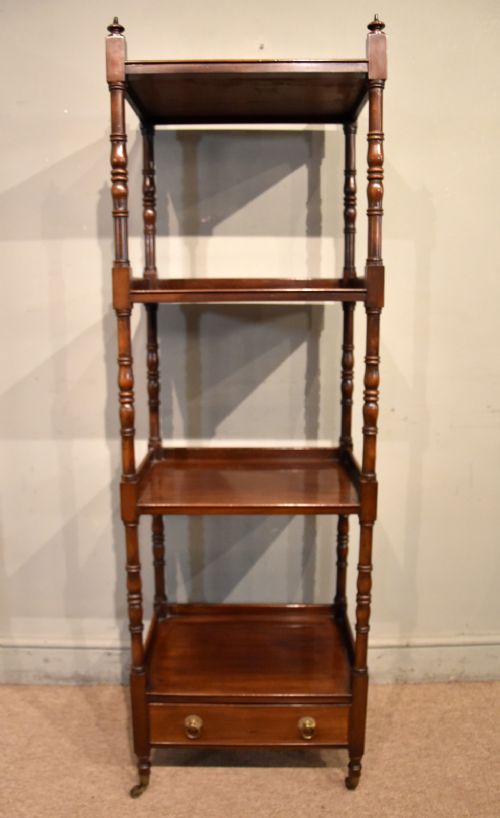
An antique book storage unit comprises bookcases, wall shelves, whatnots, display cabinets, and chiffoniers designed to hold books and display objects.
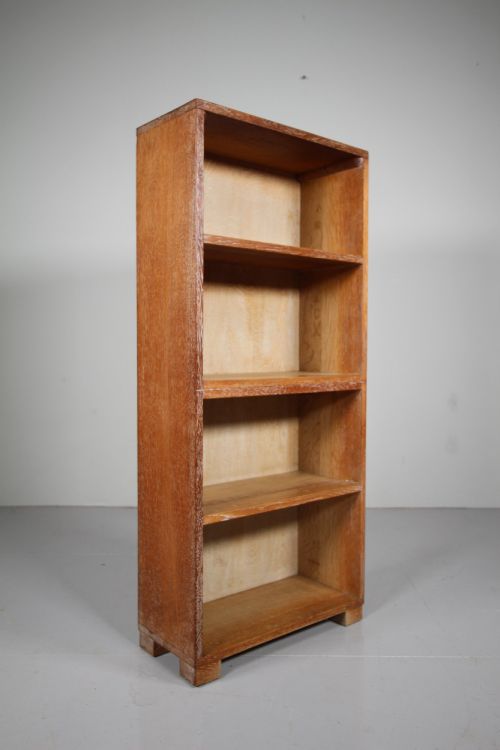
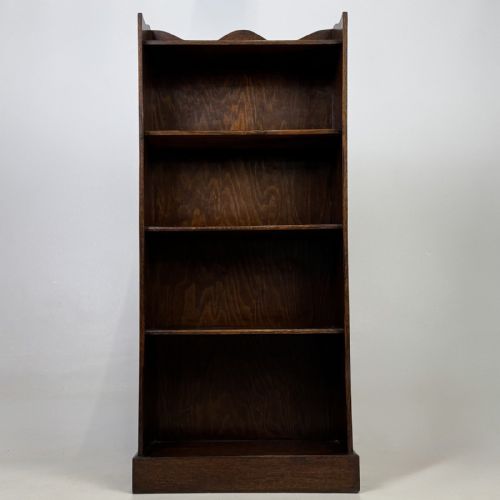
Buyers encountering this search phrase find open bookcases most frequently, often constructed in oak and mahogany during the nineteenth and twentieth centuries.
Pieces span eras from the Regency period through to the 1930s, encompassing styles such as Victorian, Edwardian, Arts and Crafts, and Jacobean Revival.
Materials and construction methods
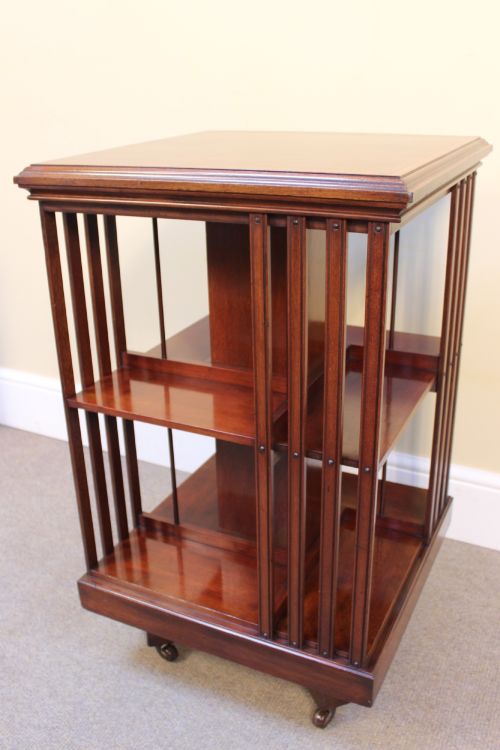
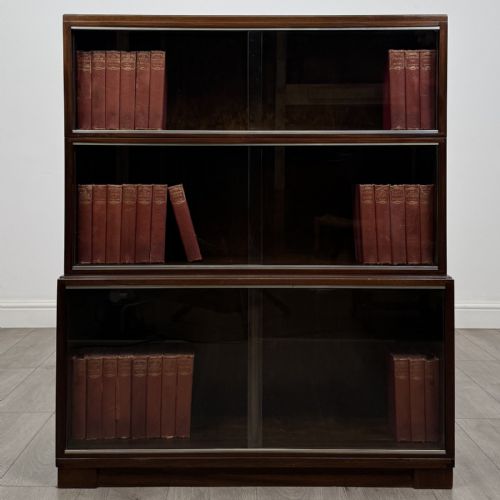
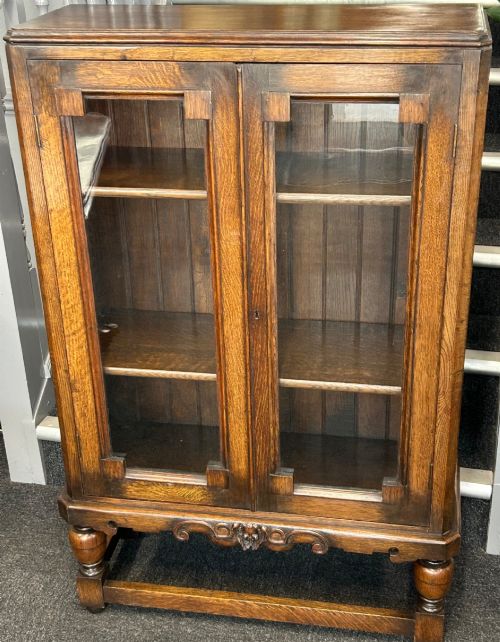
Cabinet makers utilised solid woods like oak and mahogany alongside burr walnut, applying glass panels for display doors and brass for fittings.
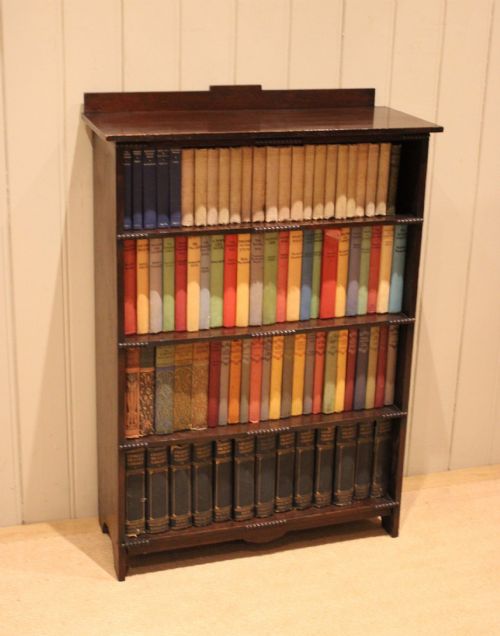
Construction techniques include tiered platforms for whatnots, beaded edges for decorative framing, and adjustable shelving systems found in Edwardian and later open front bookcases.
Antique Book Storage Unit Retail Price Guide 2026
Typical asking prices for book storage unit among the pieces listed under this phrase on Sellingantiques today, from the lower quarter to the upper quarter. They describe what is for sale here now, not the wider market.
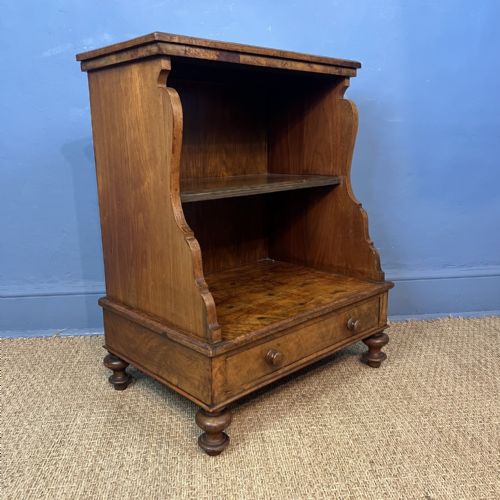
Library storage meets bedroom utility in a burr walnut piece functioning simultaneously as a low open bookcase and a bedside cabinet.
Distinctions in craftsmanship
Quality separates simple utility furniture from refined library pieces through the selection of timbers like burr walnut and mahogany, alongside the integration of inlaid details and ebonised finishes.
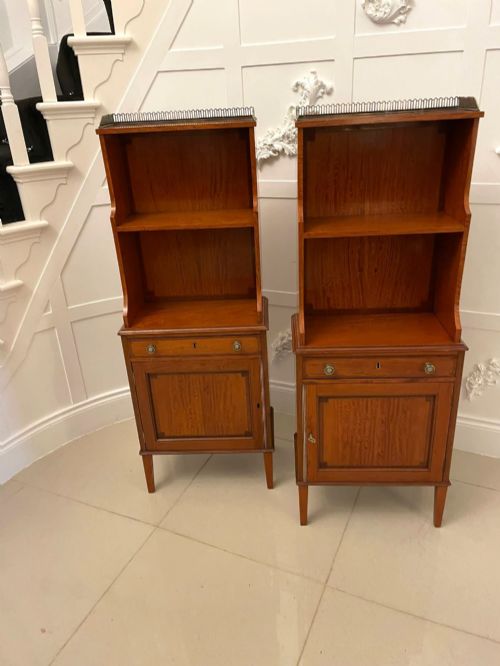
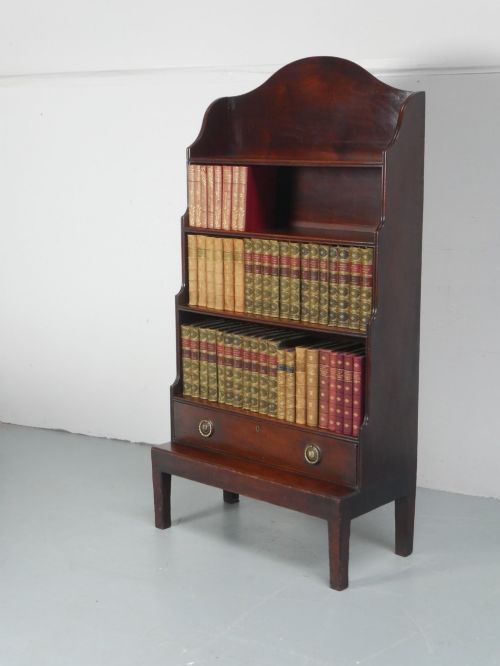
The sophistication of the silhouette defines the upper tier, ranging from multi-tiered whatnots and Regency waterfall designs to large architectural library bookcases.
The Antique Book Storage Unit Glossary
- Waterfall bookcase
- A graduated set of open shelves where each tier is smaller than the one below, creating a cascading silhouette popular in the Regency period.
- Whatnot
- A multi-tiered piece of furniture with open shelves designed for displaying books and ornaments, common in the nineteenth century.
- Chiffonier
- A low sideboard or cabinet featuring open book shelves mounted above the main storage body.
- Beaded edge
- A narrow, rounded decorative moulding applied to the borders of shelves or panels.
- Open bookcase
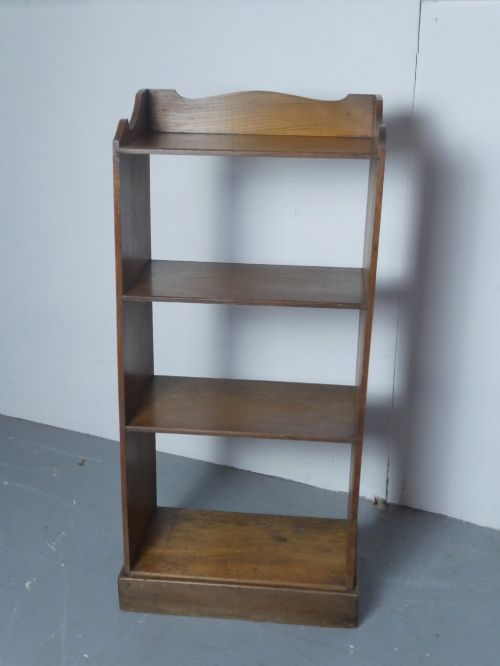
- A piece of furniture dedicated to book storage without enclosing doors, granting direct access to volumes.
Antique Book Storage Unit: Frequently Asked Questions
What styles of antique book storage exist?
The available pieces encompass Victorian, Edwardian, Regency, Arts and Crafts, and various revival styles including Jacobean and Tudor.
These influences appear across bookcases, whatnots, and display cabinets constructed from the nineteenth century into the 1930s.
Are the shelves adjustable?
Certain pieces, particularly Edwardian and later open front designs, feature adjustable shelves to accommodate varying book heights.
Earlier formats often rely on fixed timber tiers built directly into the cabinet frame.
What timbers were used?
Construction relies heavily on oak and mahogany, supplemented by burr walnut, glass, and brass hardware.
Dark oak and ebonised finishes also appear on pieces dating from the late nineteenth and early twentieth centuries.
How do I identify a whatnot?
A whatnot is characterised by multiple open tiers supported by slender uprights, intended for displaying books and decorative objects.
Nineteenth-century examples often feature three or four ascending levels.