

Antique Book Case
An antique book case brings warmth to a room while holding volumes safely behind glass or open shelving.
Antique Book Case
An antique book case serves primarily to house libraries, ranging from compact student bureaus to towering library breakfronts. When exploring this selection, buyers encounter forms that span several decades and stylistic movements.
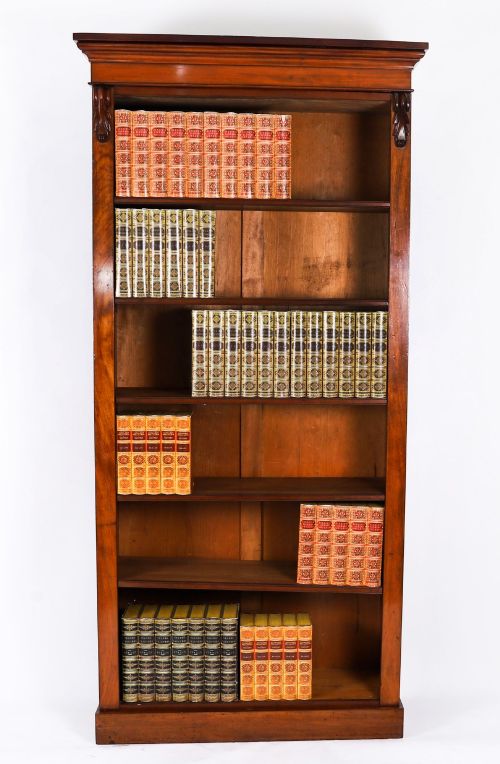
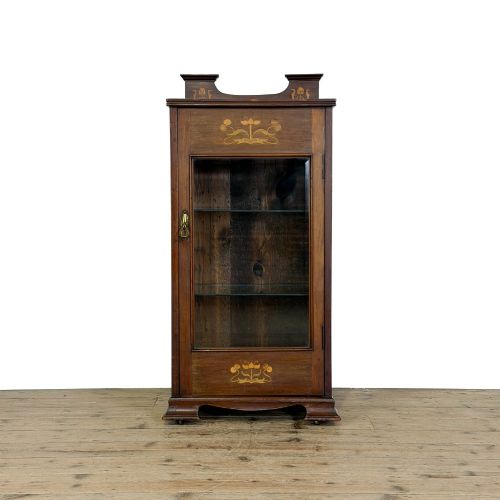
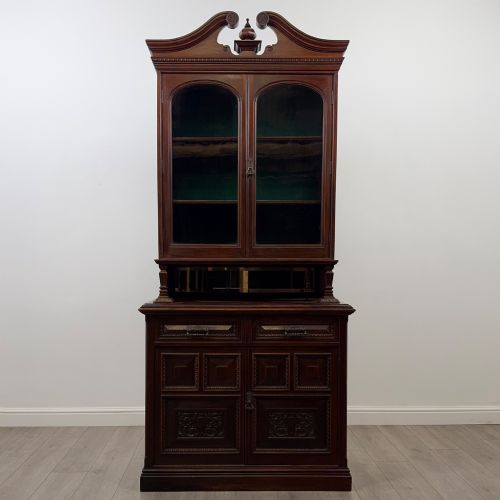
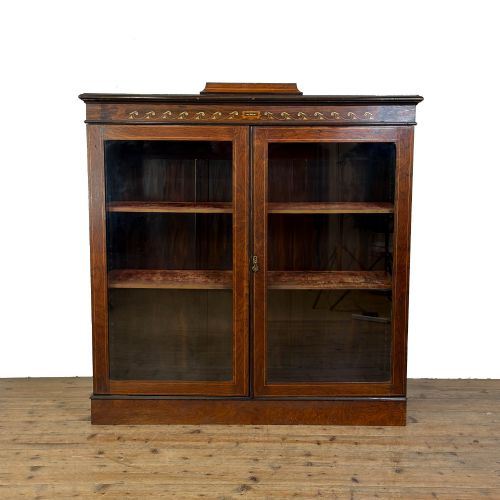
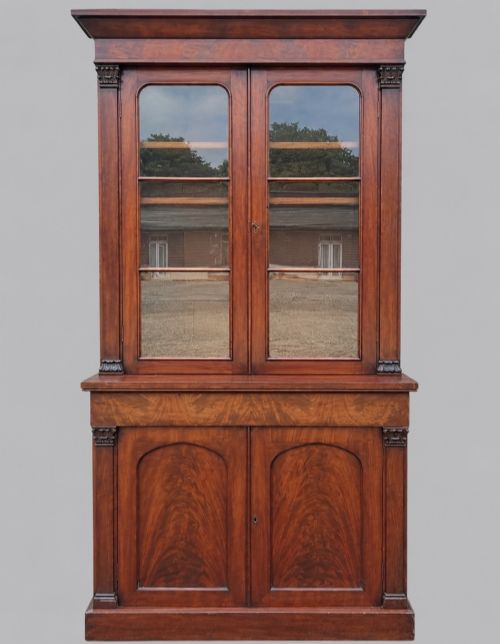
The Victorian era contributes substantial mahogany and walnut pieces, frequently featuring glazed doors and adjustable shelving. Edwardian examples often display lighter timbers and delicate inlay work.
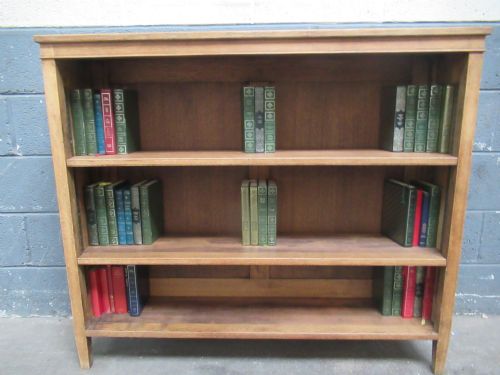
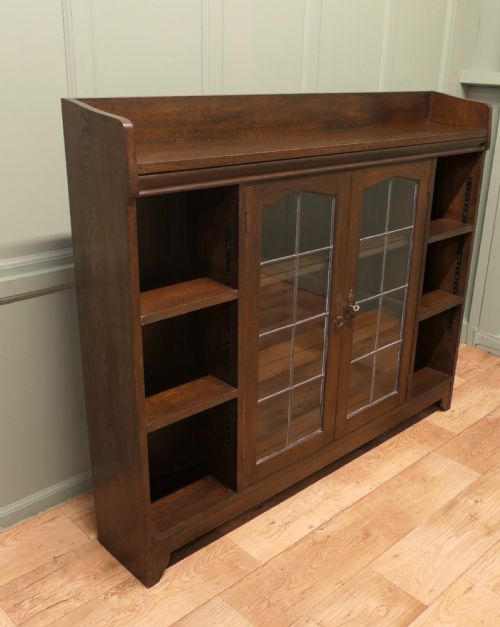
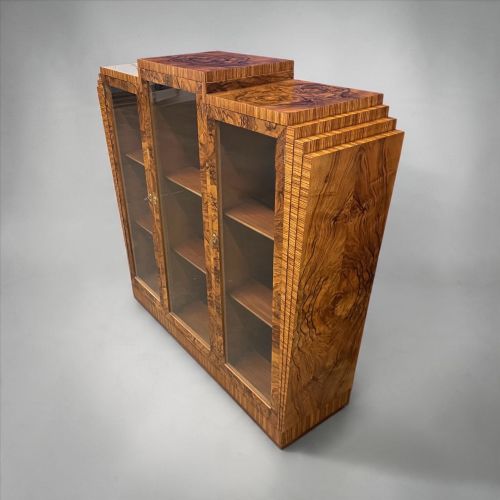
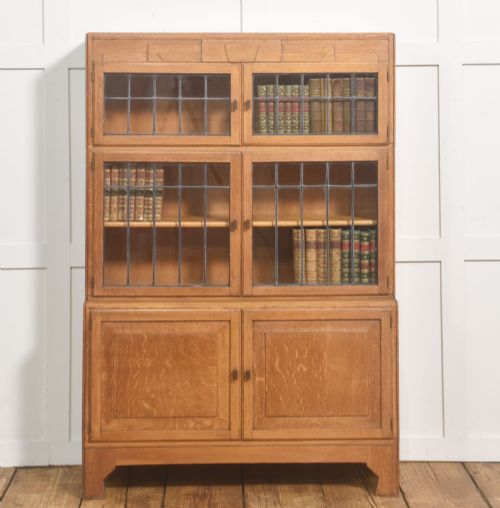
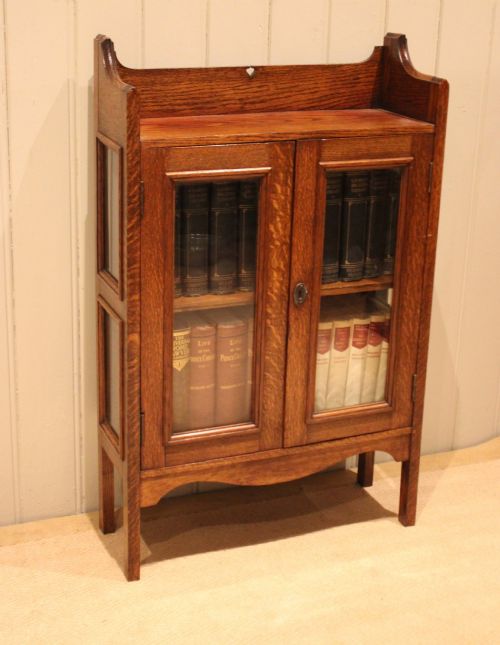
Arts and Crafts workshops produce oak variations with functional open shelving and student desks. Art Deco pieces introduce geometric mouldings and leaded glass panels from later decades.
Materials and Construction
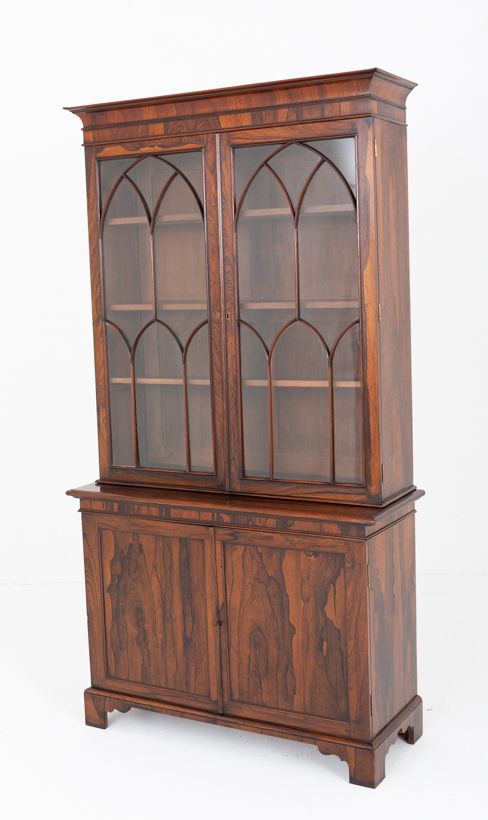
Cabinetmakers utilised dense hardwoods including mahogany, oak, walnut, and rosewood for the structural framework and exterior surfaces. Satinwood and marquetry provide decorative contrast on select panels.
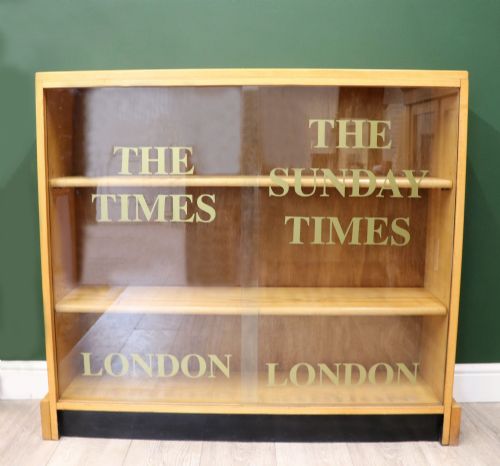
Glass panels protect the contents while allowing visibility, secured within wooden frames using traditional glazing bars. Brass fittings support adjustable shelving systems inside the main cabinet bodies.
Antique Book Case Retail Price Guide 2026
Typical asking prices for book case among the pieces listed under this phrase on Sellingantiques today, from the lower quarter to the upper quarter. They describe what is for sale here now, not the wider market.
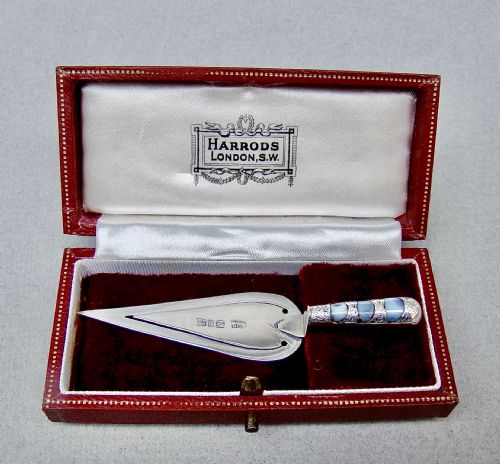
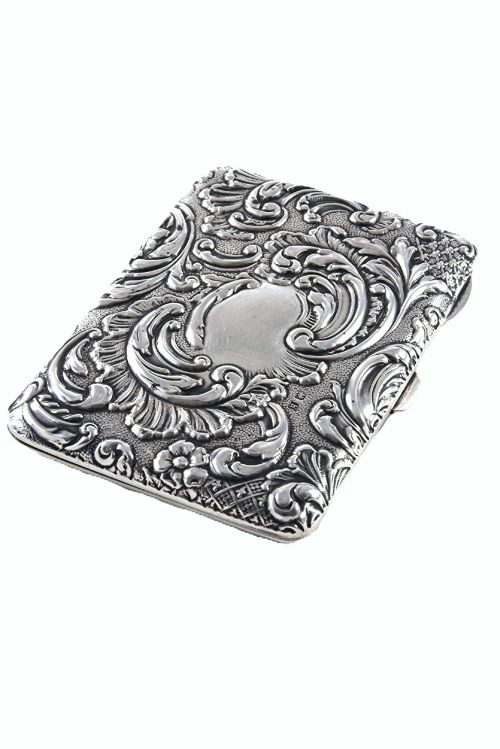
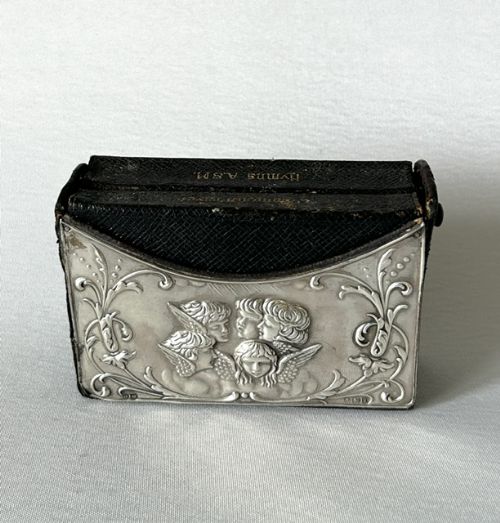
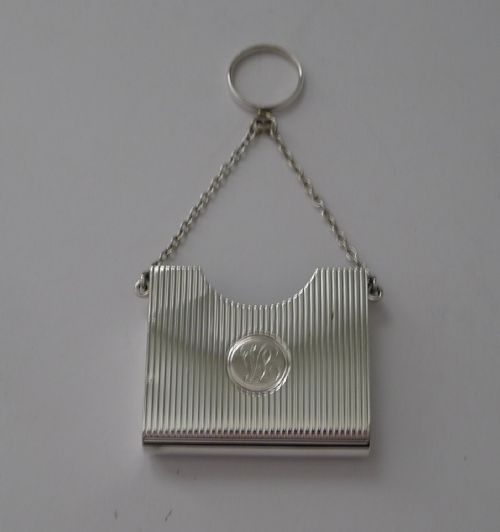
Book storage extends to miniature realms here, including solid silver prayer book holders, tiny stamp cases, and delicate tortoiseshell aide-memoires.
Assessing Craftsmanship
The standard of timber selection and joinery marks the difference between basic utility items and fine cabinet work. Finely figured wood veneers and detailed marquetry inlay indicate higher workshops.
Structural integrity relies on the proper fitting of doors, drawers, and adjustable shelf mechanisms. Original glass panes and intact brass hardware preserve the historical integrity of the piece.
James Winter·Sampson Mordan·Crisford and Norris·Ludwig Krumm·Liberty
The Antique Book Case Glossary
- Breakfront
- A large cabinet where the central section projects forward from the flanking wings. This architectural arrangement creates depth and visual interest in larger library pieces.
- Pediment
- The decorative structure crowning the top of a cabinet. Swan neck versions feature opposing curved scrolls terminating in floral roundels.
- Astral glazing
- Cabinet doors fitted with fine wooden bars dividing the glass into geometric panes. This technique lightens the visual weight of large glazed doors.
- Marquetry
- Inlaid patterns formed from pieces of contrasting veneer fitted into wood panels. Craftsmen use this to create floral or geometric ornamentation.
Antique Book Case: Frequently Asked Questions
How do I adjust the shelves?
Many period bookcases feature slotted timber strips or brass ratchets inside the interior walls to alter shelf heights. Wooden supports rest securely within these channels to hold various book sizes.
Care must be taken when sliding shelves along older vertical tracks to prevent binding or damaging the surrounding wood.
Are the glass doors original?
Original glass panes often display subtle surface ripples, minor bubbles, or slight thickness variations resulting from historical manufacturing methods. Examining the putty and glazing bars reveals whether the glass has been replaced.
Period doors maintain tight joints around the wooden framework holding the glass panes securely in place.
How do I care for the wood?
Maintaining wooden surfaces involves applying traditional beeswax or furniture polish periodically to nourish the grain. Harsh chemical cleaners and excessive moisture damage antique finishes.
Placement away from direct sunlight and radiators prevents timber from drying out, warping, or cracking over time.
How do I distinguish Edwardian from Victorian?
Victorian pieces tend to utilise heavier dense timbers like dark mahogany and walnut, frequently incorporating ornate pediments or deep carvings. The proportions remain substantial and imposing.
Edwardian furniture shifts towards lighter mahogany, satinwood inlay, and airier designs that reflect changing domestic tastes at the turn of the century.