


Antique Bone China Service
An antique bone china service brings centuries of English dining tradition to the table, offering unmatched elegance through fine porcelain and intricate hand painting.
Antique Bone China Service
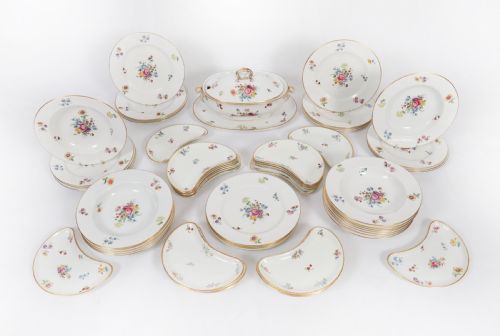
An antique bone china service encompasses everything from comprehensive dinner sets and dessert services to intimate afternoon tea sets and coffee services. These collections originate across multiple eras, spanning Georgian, Regency, Victorian, Edwardian, and Art Deco periods, showcasing diverse historical aesthetics.
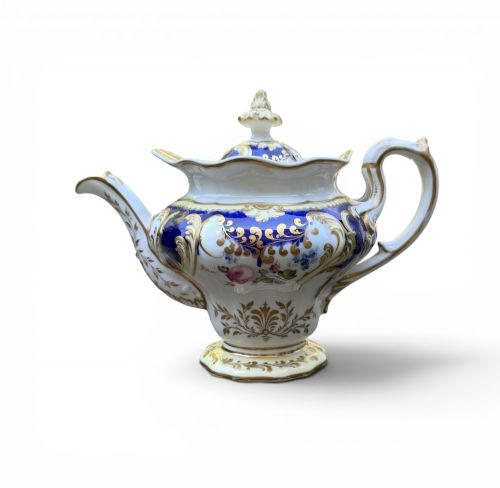
The most common configurations found in these listings include multi piece tea sets, sugar bowls, teapots, decorative plates, and larger dinner services. Makers ranging from early Worcester factories to later potteries provide a wide spectrum of functional and decorative table settings.
Quality Variations
The distinction between standard production and the highest grade of service rests on the execution of hand painting and the complexity of the pattern. Pieces featuring signed fruit painting or specialised decorative motifs command greater artistic recognition.
Makers such as Royal Crown Derby, Spode, and Minton demonstrate varying levels of refinement in their gilding and porcelain body density. The completeness of surviving multi piece services and the preservation of original gold leaf heavily influence the standing of any given set.
Early porcelain makers occasionally tucked tiny hidden pattern numbers beneath handles, leaving secret numeric codes for future collectors to hunt.
Royal Crown Derby·Spode·Coalport·Minton·Shelley·Royal Worcester·Copeland·Ridgway
The Antique Bone China Service Glossary
- Bone china
- A type of soft paste porcelain containing bone ash, yielding a strong, translucent ceramic body used widely in English tableware.
- Sucrier
- A small covered pot or bowl designed specifically for holding lump or granulated sugar within a tea or coffee service.
- Comport
- A decorative pedestal dish or bowl elevated above the table surface, typically utilised as the centrepiece of a dessert service.
- Gilding
- The application of gold leaf or gold paint to ceramic surfaces, providing metallic embellishment along rims and handles.
- Imari
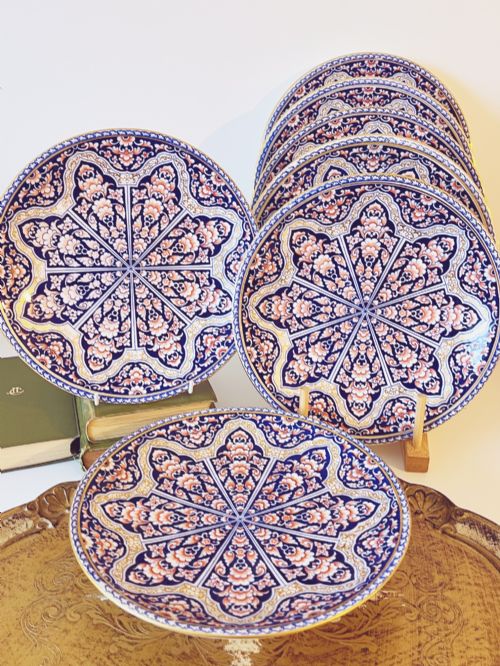
- A decorative style featuring dense iron red, cobalt blue, and gold ornamentation, heavily utilised by various porcelain works.
Antique Bone China Service: Frequently Asked Questions
What is included in a tea service?
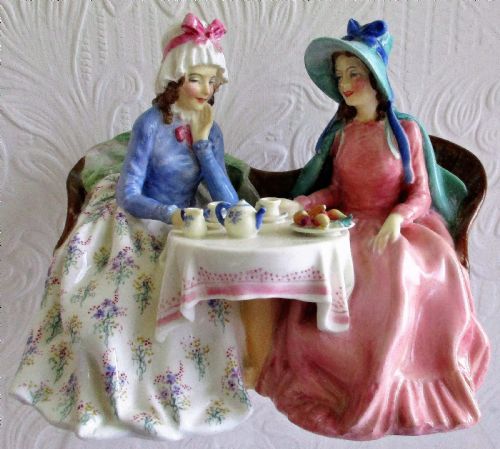
A standard tea service typically comprises a teapot, sugar bowl, creamer, and matching cups with saucers for multiple guests. Additional components can include larger serving plates or cake stands.
Larger configurations span numerous matching pieces designed to accommodate formal gatherings, while smaller solitaire sets serve single individuals.
How do I care for antique porcelain?
Antique bone china requires gentle hand washing in lukewarm water using mild detergent. Abrasive sponges and modern dishwashers must be avoided to protect delicate gilding and hand painted enamels.
Storing pieces with felt separators between stacked plates prevents surface scratching and preserves the fragile ceramic edges over time.
How do I date a service?
Dating relies on maker specific backstamps, registration numbers, and painted pattern codes found on the underside of plates and vessels. Stylistic indicators, such as Regency shapes or Art Deco motifs, also narrow down the period.
Reference guides document the changing marks used by potteries like Coalport and Royal Crown Derby across successive decades.
Can I use these services daily?
While these pieces were originally created for functional dining and tea drinking, their age and delicate painted surfaces make them vulnerable to modern heavy use. Most collectors reserve them for special occasions or display.
Using them requires careful handling to prevent thermal shock from boiling liquids and accidental chips to the fine porcelain.