
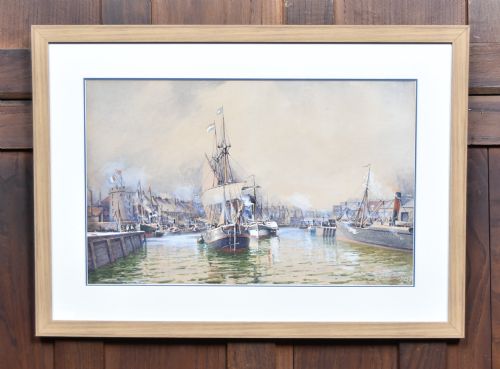

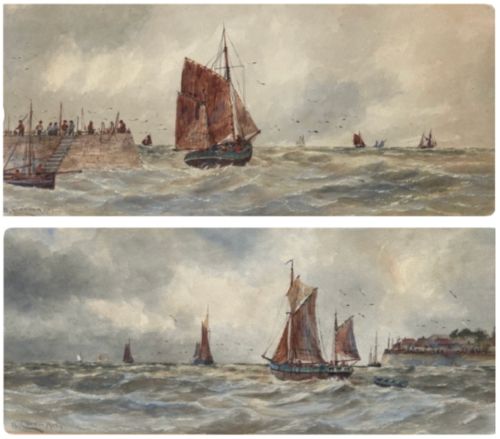
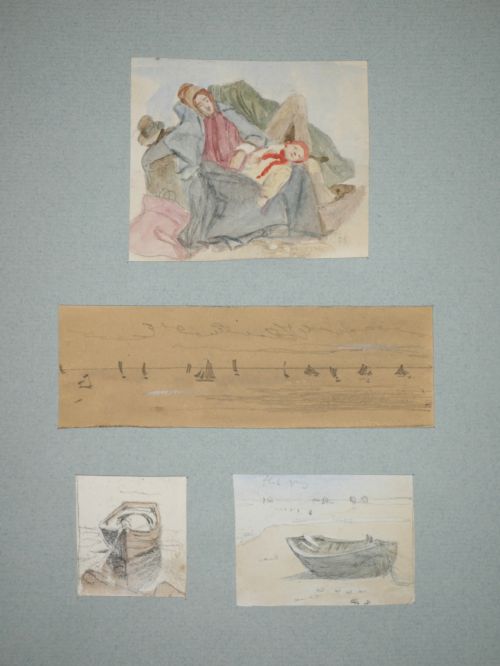
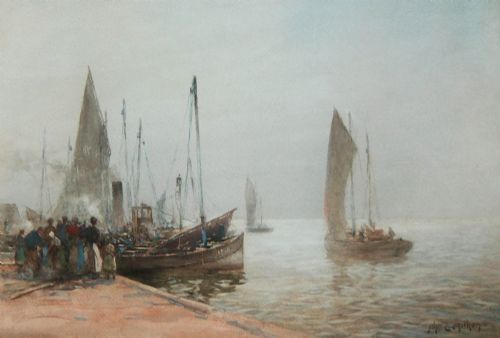
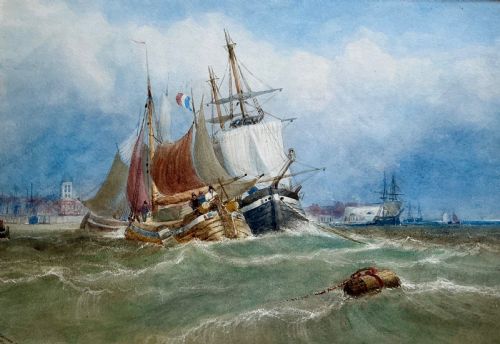


Antique Boat Watercolour Paintings
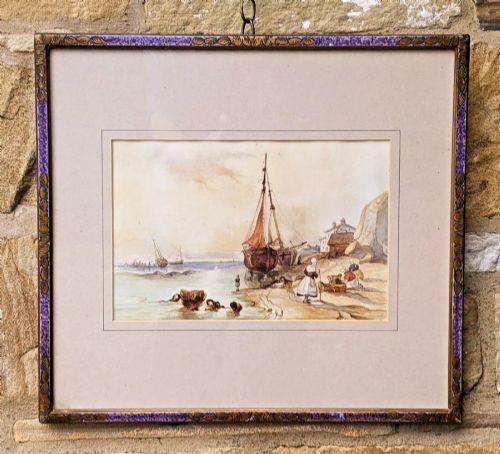
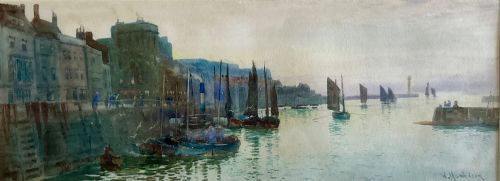
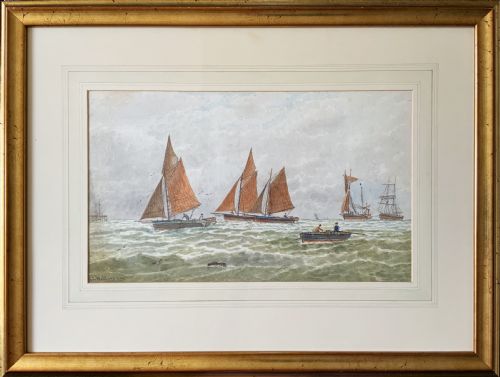
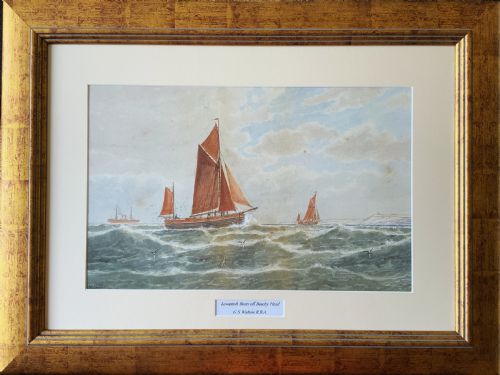
These antique boat watercolour paintings capture maritime life through pigment on paper, offering buyers a window into historic coastal scenes and bustling harbours.
Antique Boat Watercolour Paintings
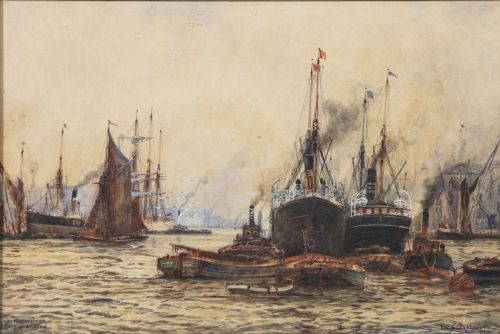
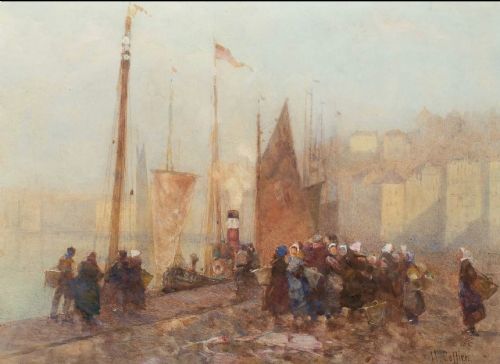
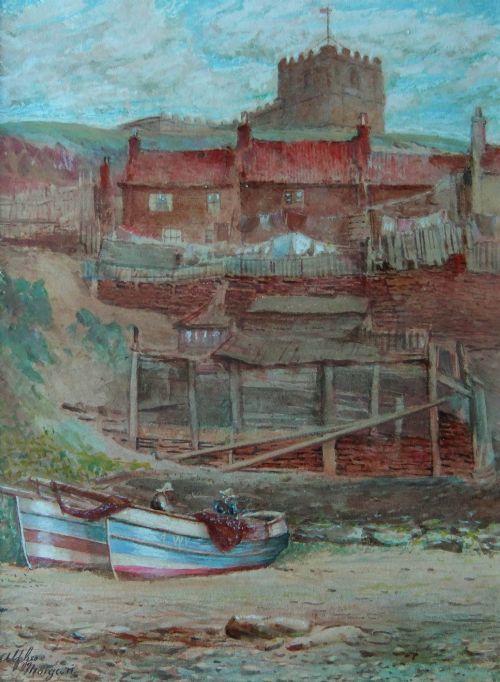
Antique boat watercolour paintings depict maritime scenes, fishing vessels, and harbour views executed on paper using water-soluble pigments. These works capture coastal life, shipping activity, and marine vistas across various international and domestic waters.
The pieces appearing on this page predominantly hail from the Victorian and Edwardian eras, extending into the early decades of the twentieth century. Common subjects include British fishing ports like Whitby and Scarborough, alongside continental European waters such as Venice and the French Riviera.
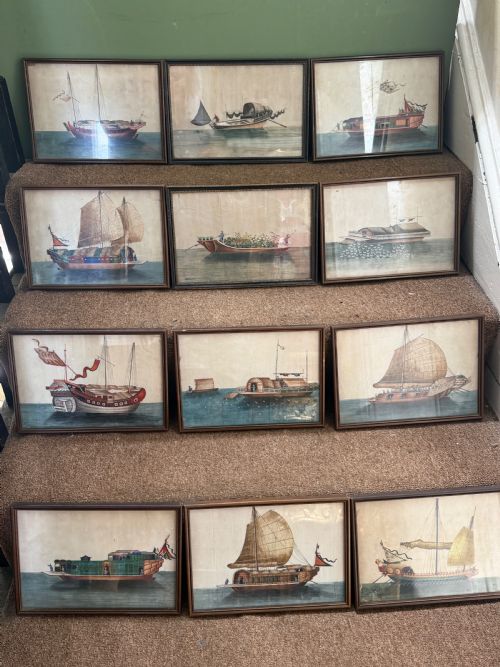
Framed artwork presentations utilise wood, glass, and gilt frames to preserve the delicate paper supports. Formats range from individual marine sketches and detailed harbour paintings to decorative sets of Chinese Export gouache works.
How They Were Made
Artists applied watercolour pigment and bodycolour onto paper supports, often building translucent washes alongside opaque highlights. This technique allowed painters to capture the shifting light of the sea and the atmospheric conditions of coastal weather.
Completed works received protective housing behind glass within wooden frames, occasionally augmented by gilt wood mouldings to enhance the presentation. These materials required careful framing to protect the vulnerable paper and water-soluble pigments from environmental moisture.
Listings feature works from the Victorian era up to the nineteen-forties, executed on paper and glass.
What Varies in Quality
The calibre of these watercolours depends upon the artist's command of light, atmospheric perspective, and maritime architecture. Master hands capture the movement of waves and the rigging of vessels with precise, confident brushwork that brings the scene to life.
Preservation of the paper and the vibrancy of the pigments separate superior examples from faded or discoloured pieces. Works that retain their original tonal depth and sit securely within period frames offer a more complete historic representation.
James Orrock·William Cannon·James Smetham·James E Aitken·Frank William Scarbrough·Hector Caffieri·Alfred G Morgan·William Matthison·George Stanfield Walters·Henry Barlow Carter·Paul Delvaux·William Lee Hankey·Thomas Bush Hardy·Tom Clough·William Tuck·Fred Waugh·Frank H Mason·Frederick William Hattersley·Clara Montalba·Ernest F Hill·Walter Duncan·Frank Wasley·Fred Mayor·Thomas Clavering Alder·Walter Sweet
The Antique Boat Watercolour Paintings Glossary
- Watercolour paint
- A medium consisting of colour pigments suspended in a water-based solution, applied primarily to paper. Artists utilise its translucent qualities to render luminous marine skies and water.
- Gouache
- An opaque water-based paint type that includes added chalk or white pigment to increase reflectivity. It appears frequently in export maritime works to create solid highlights on sails and hulls.
- Seascape
- A thematic genre of fine art depicting the sea, coastal views, shipping, and marine vessels. These compositions focus heavily on maritime topography and atmospheric weather conditions.
- Works on paper
- A collective classification for art forms executed upon a paper support, encompassing watercolours, drawings, and sketches. This category highlights the delicate nature of the primary medium.
- Gilt wood
- Timber framing finished with a thin layer of gold leaf or metallic gilt coating. It provides a decorative border designed to complement the tonal qualities of the framed painting.
Antique Boat Watercolour Paintings: Frequently Asked Questions
What periods do these paintings date from?
The available selection spans the nineteenth and early twentieth centuries, encompassing the Victorian and Edwardian periods. Many pieces reflect late Victorian maritime interests alongside early twentieth-century impressionist approaches to coastal subjects.
Dates extend from the eighteen-eighties through the nineteen-forties, capturing evolving artistic interpretations of harbours and shipping over several decades.
How should I frame and display a watercolour?
Watercolours require framing behind glass to protect the paper and pigments from atmospheric pollutants, dust, and physical damage. Matting separates the painted surface from direct contact with the glass.
Display the framed artwork away from direct sunlight to prevent the watercolour pigments from fading over time, ensuring the preservation of the delicate tones.
Where do these coastal scenes typically originate?
The geographical focus centres heavily on British fishing ports and coastal towns, including Whitby, Scarborough, and Lowestoft. Locations along the River Thames also appear frequently among the listed works.
Continental European destinations add breadth to the collection, featuring scenes from Venice, the French Riviera, Holland, and Scandinavian waters.
What is the difference between watercolour and gouache?
Traditional watercolour relies on transparent washes of pigment where the white of the paper contributes to the luminosity of the finished painting. This technique creates delicate skies and translucent water effects.
Gouache incorporates an opaque white additive, giving the pigment a solid, heavier body that painters utilise for sharp highlights on ships and architectural details.