





Antique Boat Coast Painting
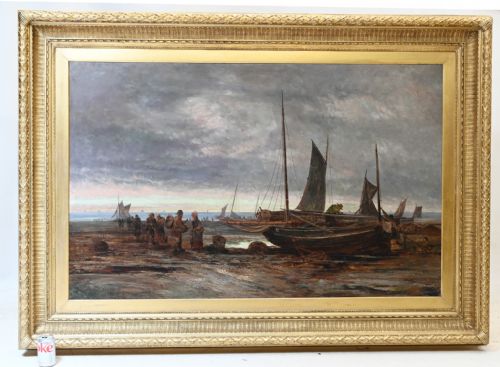
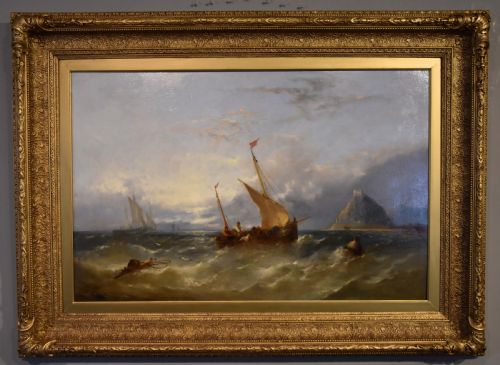
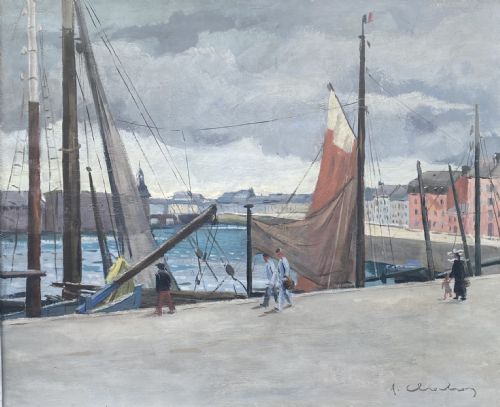
These antique boat coast painting works capture maritime life and coastal views, offering a glimpse into historic harbours and shipping routes.
Antique Boat Coast Painting
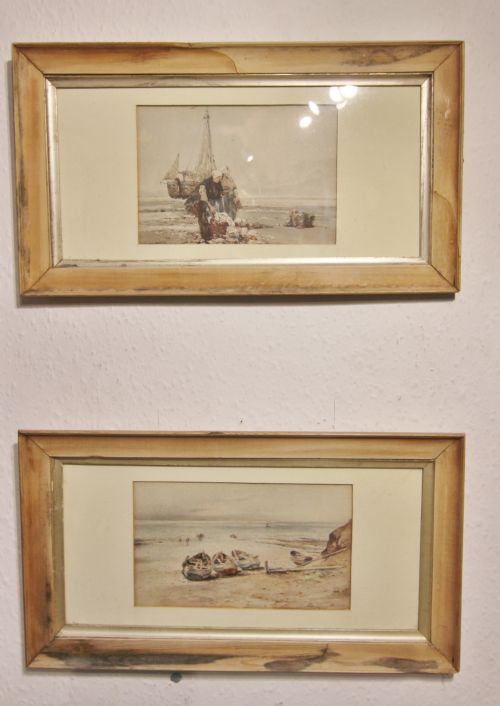
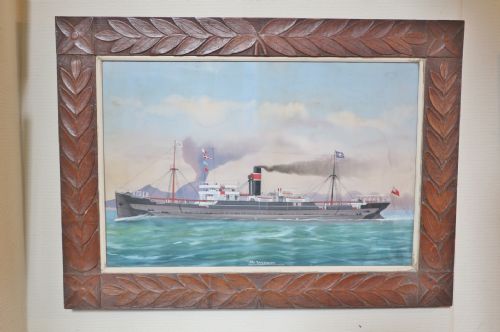
An antique boat coast painting depicts maritime scenes, coastal views, and vessels near the shore, spanning periods from the eighteenth century to the early twentieth century. You will encounter works rendered in styles such as Victorian marine art, British Impressionism, and Edwardian realism.
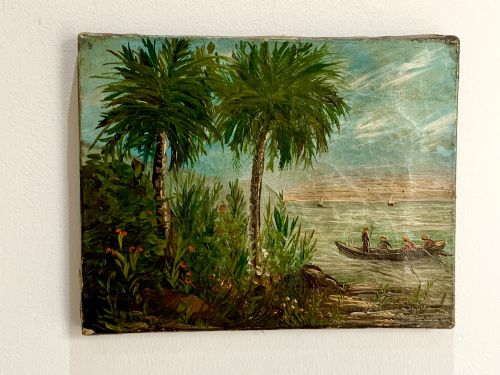
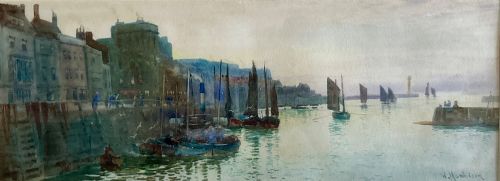
The subjects range from local fishing boats off the Cornish coast and Yorkshire harbours to steamships off Italy and distant ocean views. These works capture specific shorelines, chalk cliffs, and historic maritime activity using traditional artistic mediums.
Materials and techniques
Artists utilised oil paint on canvas or watercolour applied to paper to record coastal scenes and maritime vessels. These compositions are frequently housed within gilt wood frames, sometimes protected behind glass.
Canvases stretch over pine supports, while watercolour works rely on delicate washes of pigment on paper. The application varies from detailed realism to looser impressionistic brushwork.
Antique Boat Coast Painting Retail Price Guide 2026
Typical asking prices for boat coast painting among the pieces listed under this phrase on Sellingantiques today, from the lower quarter to the upper quarter. They describe what is for sale here now, not the wider market.
Materials in these listings include oil on canvas, watercolour, paper, glass, pine, and gilt wood.
Factors of quality
Quality rests upon the artist's ability to render light, water movement, and vessel rigging with accuracy and atmosphere. Finer works display confident brushwork and a convincing sense of space.
Condition of the canvas, paper, and original framing contributes significantly to the overall integrity of the piece. Works by recognised painters often exhibit superior composition and historical documentation.
William Matthison·William Henry Williamson·Charles Napier Hemy·Fred Waugh·Abraham Hulk Snr·Frank H. Mason·George Henry Knight·Frederick William Booty·Alec Caruthers Gould·Fred Dade·George Marks
The Antique Boat Coast Painting Glossary
- Oil on Canvas
- Pigment mixed with drying oil applied to a woven fabric stretched across a wooden frame. This medium allowed artists to build rich textures and deep tones for marine scenes.
- Watercolour
- A paint consisting of colour suspended in a water-soluble binder, typically applied to paper. It offers luminous, transparent washes suited to coastal light.
- Gilt Wood
- Timber that has been coated with a thin layer of gold leaf or gold paint. Frames finished in this manner were designed to complement and protect the artwork.
Antique Boat Coast Painting: Frequently Asked Questions
What periods do these paintings cover?
The works span from the eighteenth century through the Victorian era and into the Edwardian period. You will find pieces reflecting changing artistic styles across these centuries.
Most examples date from the nineteenth and early twentieth centuries, capturing the height of maritime activity and coastal tourism.
How do I care for a canvas painting?
Keep oil paintings away from direct sunlight and dramatic fluctuations in temperature or humidity. This prevents the canvas from sagging and the paint from cracking over time.
Dust the surface gently with a soft, dry brush and avoid using liquid cleaners on either the canvas or the frame.
Where were these coastal scenes painted?
Artists recorded locations around the British coastline, including Cornwall, Yorkshire, Devon, and the Wirral. Some works also depict foreign shores such as Italy and Indochina.
Many paintings focus on specific working ports and recognizable landmarks like lighthouses and chalk cliffs.
How are watercolours best displayed?
Watercolour paintings on paper require protection behind glass to prevent atmospheric damage and fading. They should be hung away from direct sunlight to preserve the pigments.
Matting helps keep the paper from touching the glass directly, which prevents moisture accumulation.