

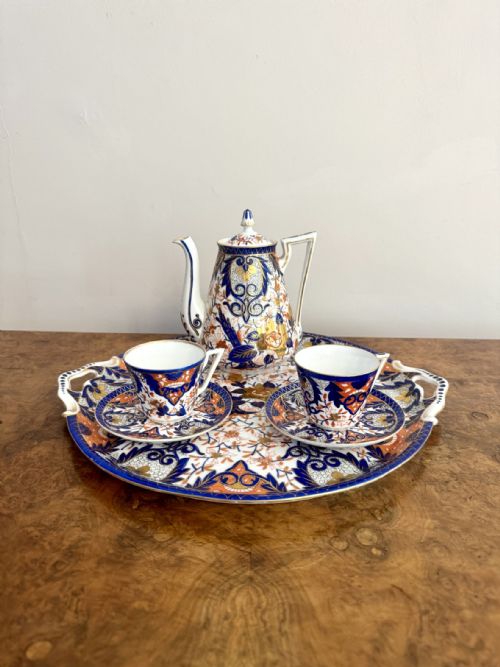
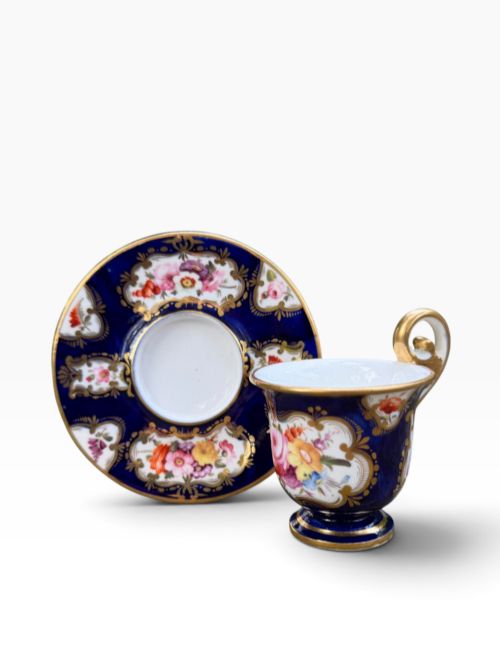
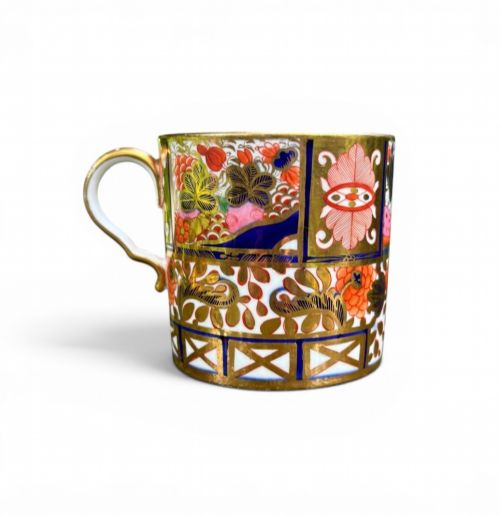

Antique Blue Porcelain Cup
An antique blue porcelain cup brings intricate cobalt decoration and centuries of ceramic history directly to the table.
Antique Blue Porcelain Cup
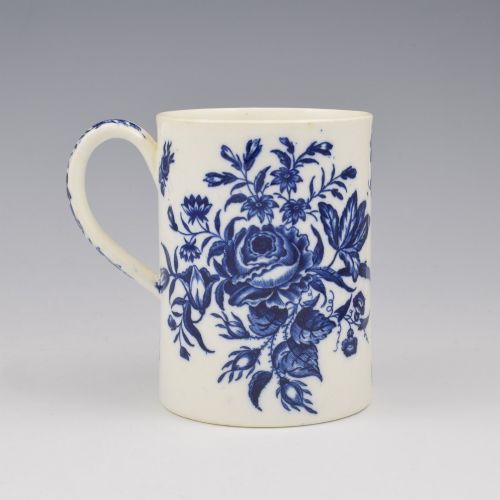
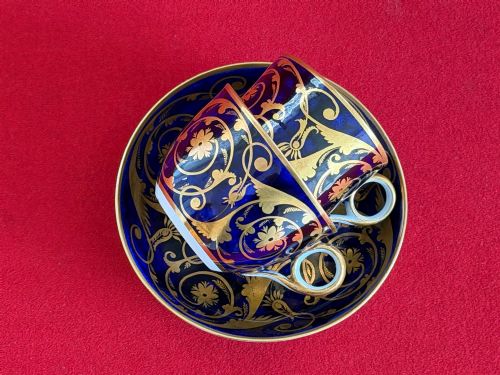
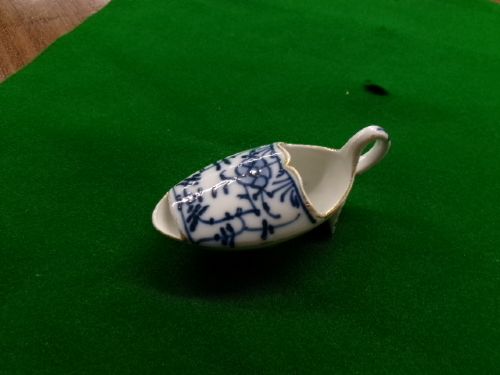
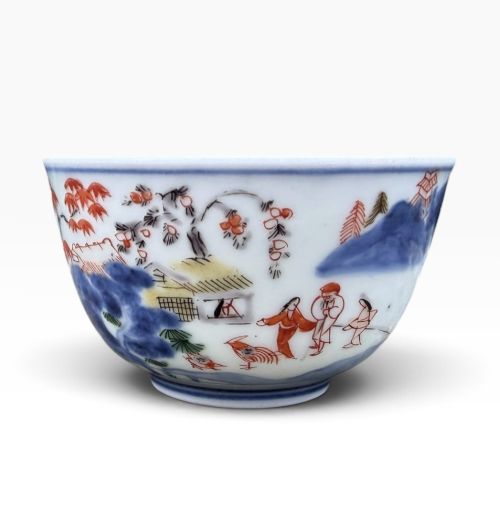
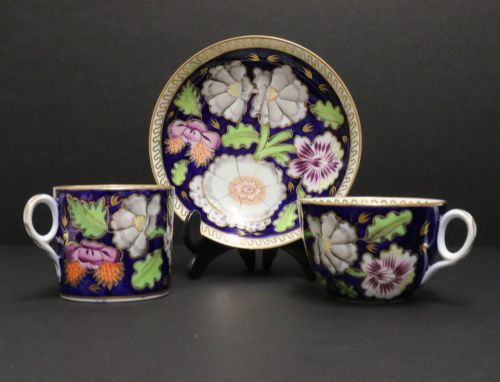
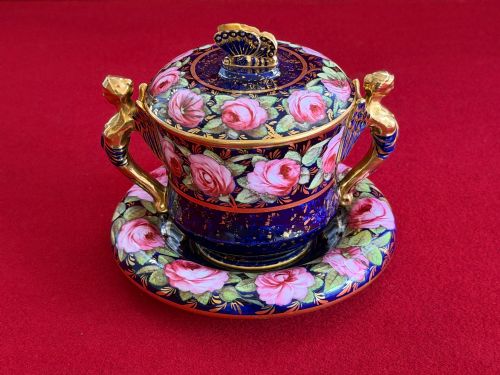
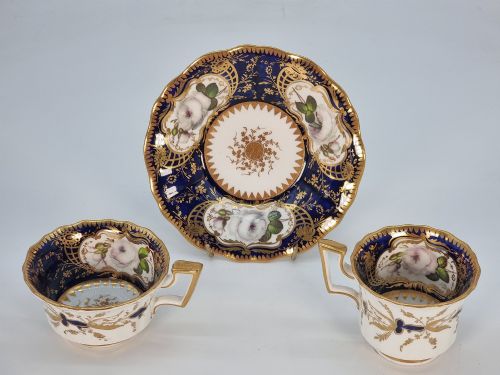
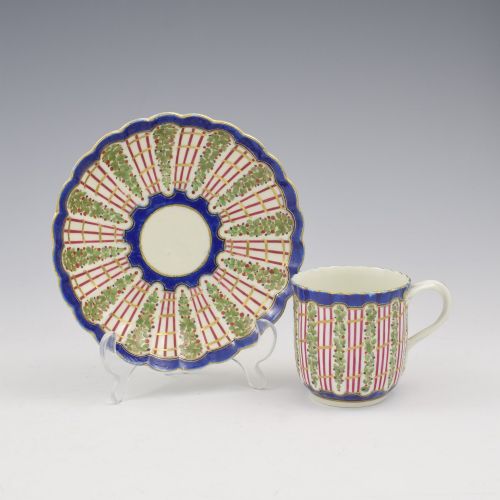
When searching for an antique blue porcelain cup, collectors encounter diverse forms spanning tea bowls, coffee cans, chocolate cups, and matched saucers. These ceramic pieces originate from eighteenth-century English factories, Chinese dynasties, and nineteenth-century European workshops.
The items listed on this page range from early Worcester porcelain and Spode wares to nineteenth-century continental sets and Chinese export pieces. Most examples incorporate functional domestic teaware alongside cabinet cups designed for display.
Tea bowls and coffee cups demonstrate the shifting domestic habits of the Georgian and Victorian eras, moving from handleless Chinese-inspired shapes to sturdy handled mugs and chocolate cups with covers.
How they were made
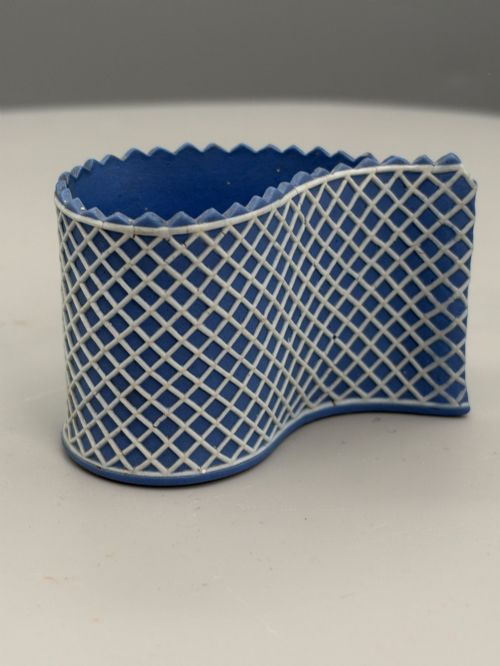
Makers utilised soft-paste porcelain, bone china, and ironstone, shaping the clay on wheels or pressing it into moulds before applying cobalt underglaze pigments. Artisans then fired the pieces at high temperatures to fuse the blue glaze into the ceramic body.
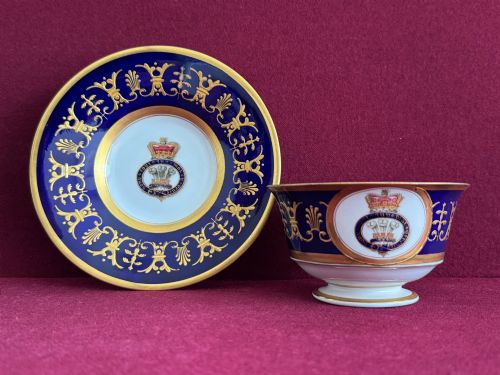
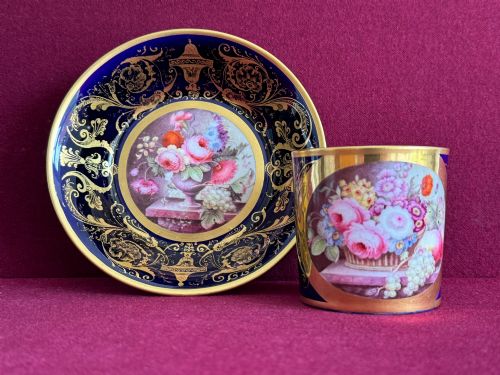
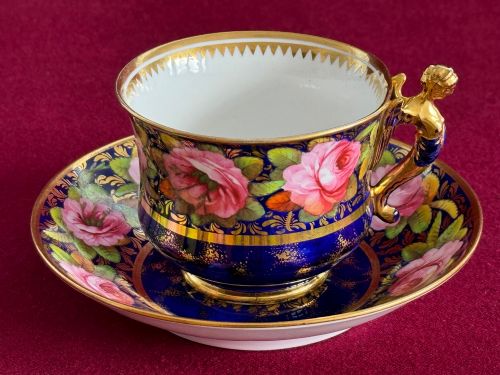
Many examples incorporate handpainted details, enamel highlights, gilding, and gold leaf applied over or under the glaze to enrich the finished appearance. Cobalt blue underglaze decoration remains the defining visual technique across these historical pieces.
Antique Blue Porcelain Cup Retail Price Guide 2026
Typical asking prices for blue porcelain cup among the pieces listed under this phrase on Sellingantiques today, from the lower quarter to the upper quarter. They describe what is for sale here now, not the wider market.
Listings feature porcelain, bone china, and ironstone across eighteenth and nineteenth-century periods, including Regency, Georgian, and Victorian eras.
What varies in quality
The fineness of the porcelain body and the precision of the handpainted blue motifs distinguish exceptional examples from standard production wares. Crisp underglaze cobalt lines and delicate potting indicate superior craftsmanship in early factory output.
The presence of supplementary gilding, enamel highlights, and intact covers or stands elevates the status of individual cups and saucers. Condition and the clarity of factory marks or period attribution further shape the standing of each piece.
Royal Crown Derby·H and R Daniel·Spode·Coalport·Dr Wall Worcester·New Hall·Mason·Grainger·Sevres·Flight Barr and Barr·Gardner Moscow Factory·Wedgwood·Royal Vienna·Yates
The Antique Blue Porcelain Cup Glossary
- Porcelain
- A vitrified ceramic material made from china clay and petuntse, fired at high temperatures to produce a non-porous, translucent body.
- Soft-Paste Porcelain
- An artificial porcelain composition made from white clay and glass frits, commonly utilised by eighteenth-century English factories before bone china became dominant.
- Underglaze Blue
- A decorative technique where cobalt oxide pigment is applied to the raw ceramic body before glazing and firing, protecting the blue colour beneath a glassy layer.
- Coffee Can
- A straight-sided cylindrical porcelain cup produced during the Georgian and Regency periods specifically for drinking coffee.
- Tea Bowl
- A small, handleless drinking vessel derived from Chinese export ceramics, used for consuming tea during the eighteenth century.
- Ironstone
- A heavy, durable type of earthenware patented in the nineteenth century that mimics the strength and utility of porcelain.
Antique Blue Porcelain Cup: Frequently Asked Questions
Were these cups used for daily tea drinking?
Many eighteenth and nineteenth-century cups formed part of active tea and coffee services used in domestic parlours. Handleless tea bowls reflect early drinking customs borrowed from Chinese export traditions.
Later cabinet cups and chocolate cups with covers were frequently reserved for special occasions or display.
What is the difference between a tea bowl and a teacup?
Tea bowls are small and lack handles, requiring the drinker to hold the warm ceramic body directly. Teacups introduced handles during the eighteenth century to improve comfort when consuming hot beverages.
Both forms appear frequently in early porcelain collections.
How should I display antique porcelain safely?
Displaying porcelain requires stable shelving away from direct sunlight and areas prone to heavy vibrations or sudden temperature shifts. Cabinets with enclosed glass doors protect delicate handles, gilding, and handpainted enamel surfaces from dust and accidental impacts.
Ensuring adequate space between pieces prevents scratching.