


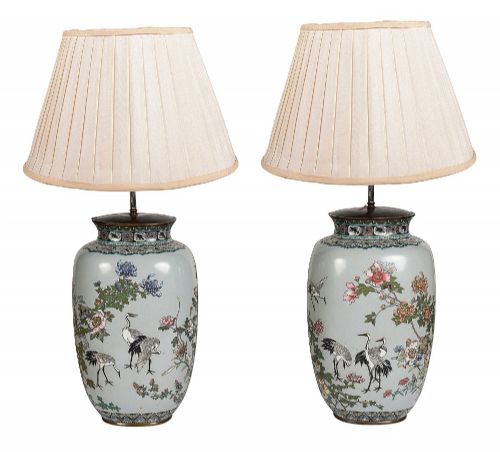


Antique Blue Cloisonne
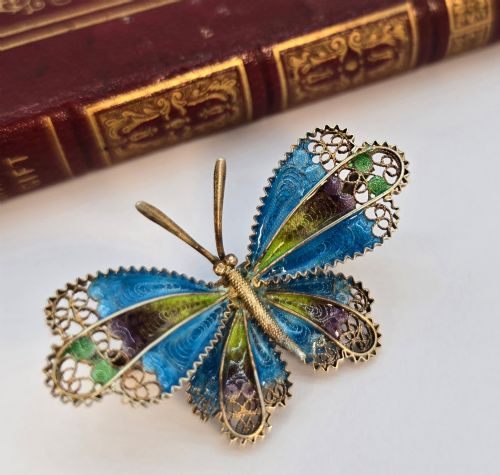
These pieces of antique blue cloisonne bring together centuries of metalwork and vitreous enamel, offering vibrant colour and intricate wirework for any room.
Antique Blue Cloisonne
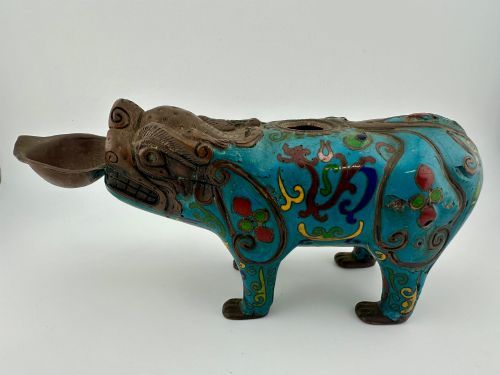
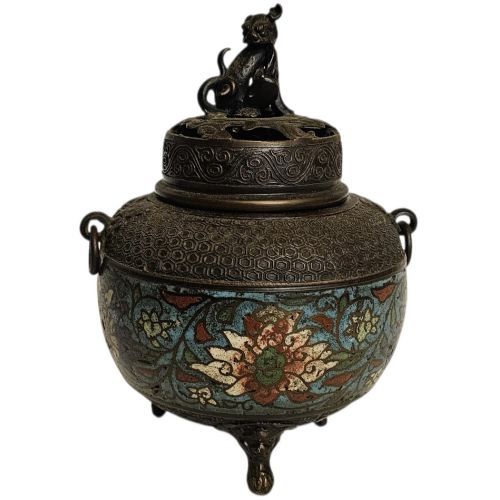
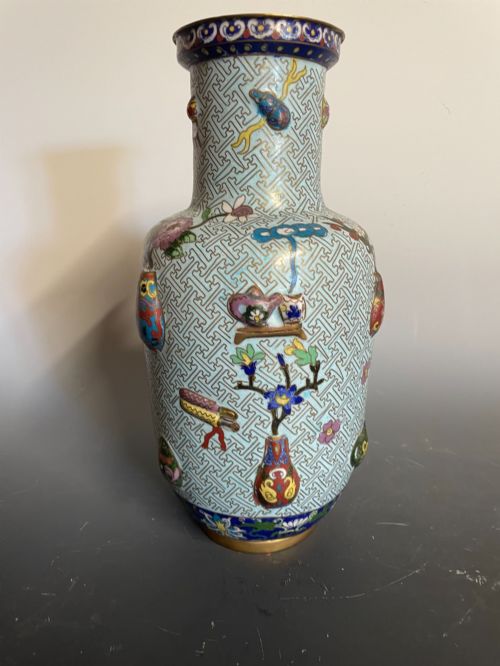
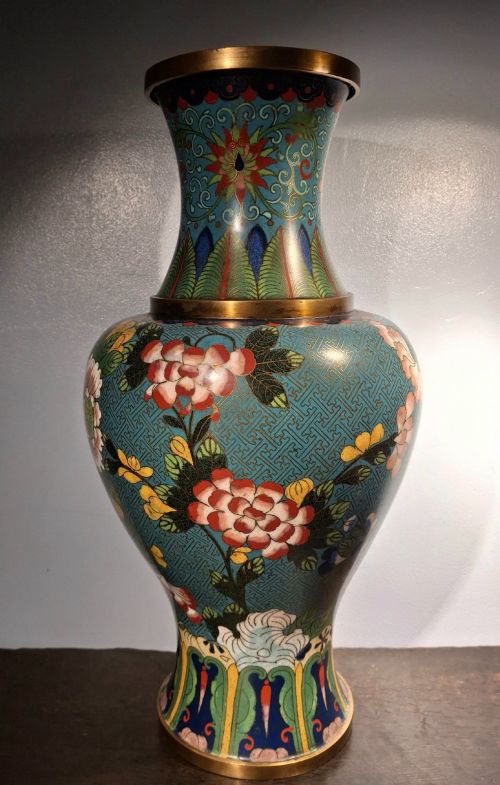
When you search for antique blue cloisonne, you encounter objects formed from metal bodies decorated with compartments of coloured glass paste.
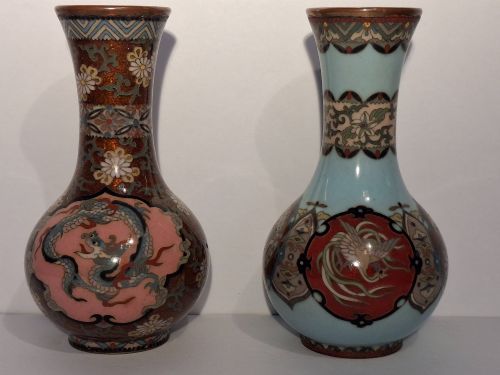
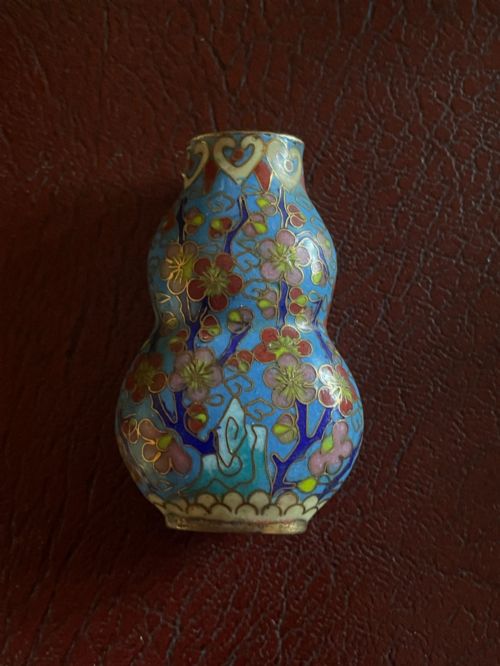
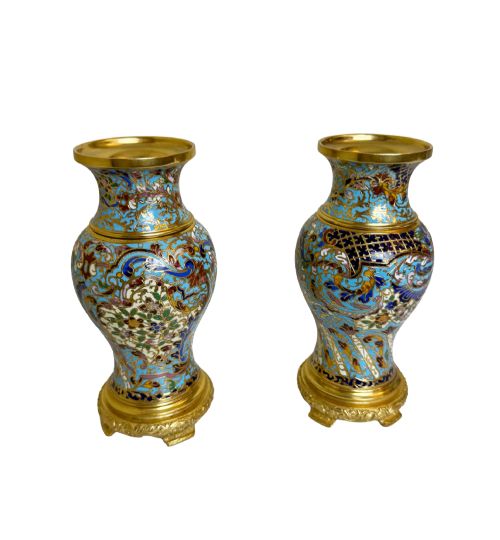
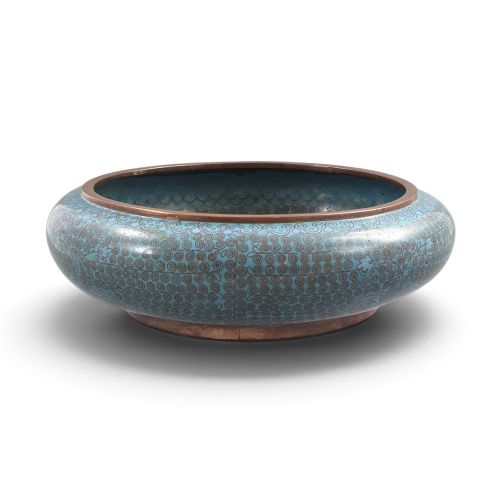
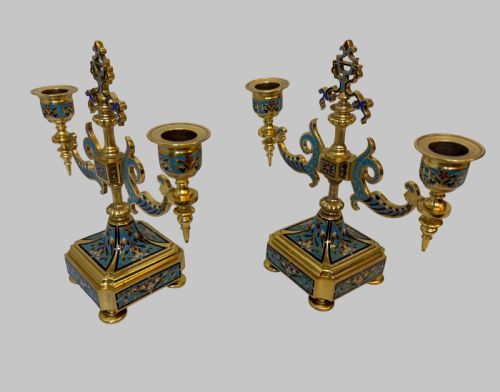
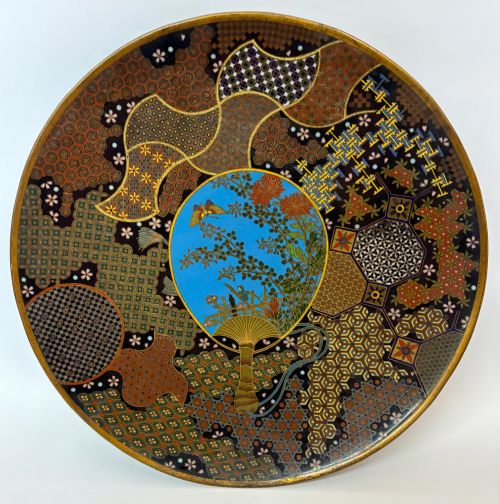
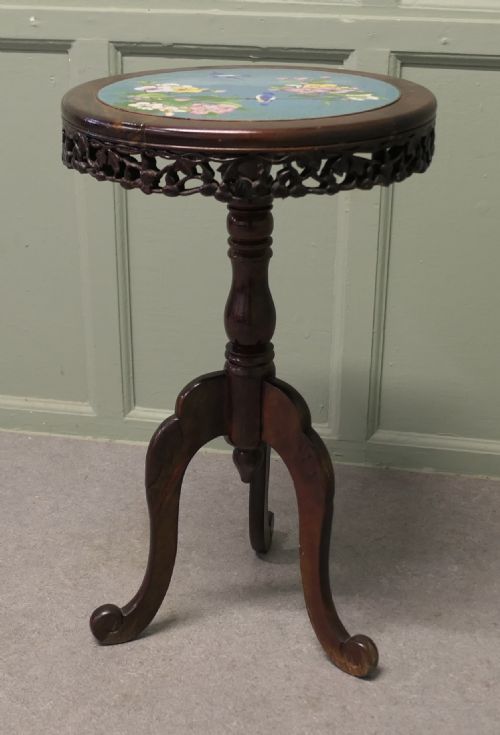
The most common forms on this page include decorative chargers, plates, and vases originating from Japanese Meiji and Chinese Qing contexts.
These items range from small scholar objects to large palace vases, showcasing deep cobalt and azure tones across diverse surfaces.
Materials and construction methods
Artisans soldered flat metal wires, often brass or copper, onto a base of bronze, copper, or silver to create raised partitions known as cloisons.
Vitreous enamel paste filled these distinct cells before the piece underwent high-temperature firing to fuse the glass to the metal foundation.
Workers then ground down and polished the surface until the metal wire rims and hardened enamel sections sat in a smooth, unified plane.
Antique Blue Cloisonne Retail Price Guide 2026
Typical asking prices for blue cloisonne among the pieces listed under this phrase on Sellingantiques today, from the lower quarter to the upper quarter. They describe what is for sale here now, not the wider market.
Listings feature items spanning the eighteenth century through the Victorian era and early twentieth century, utilising copper, bronze, and silver.
Distinctions in quality
The refinement of the wirework dictates much of the visual distinction, with thinner wires and denser geometric or pictorial patterns demanding greater technical mastery.
Colour variation and shading within the enamel fields reveal the skill of the artisan in controlling kiln temperatures and material composition.
Surface finish and the crispness of the polished metal outlines separate standard decorative items from masterworks of the period.
The Antique Blue Cloisonne Glossary
- Cloison
- A tiny compartment formed by soldering metal wire onto a base object to hold enamel paste. This network defines the outlines of the final design.
- Enamel
- A glassy substance fused to metal through firing at high temperatures. It provides the permanent colour fields across the decorated object.
- Champleve
- An enamelling technique where troughs or cells are carved directly into the metal surface rather than building up soldered wires. The hollows are then filled with paste and fired.
- Meiji Period
- A Japanese historical era spanning from 1868 to 1912. Metalwork and cloisonne production reached exceptional technical heights during these decades.
Antique Blue Cloisonne: Frequently Asked Questions
How do I clean antique blue cloisonne?
Dust the surface gently with a soft, dry cloth to remove everyday particles. Avoid chemical dips, abrasive polishes, or excessive water, as these can damage the aged metal and enamel.
For stubborn marks, a damp cloth with mild soap can be used sparingly, followed immediately by thorough drying with a lint-free towel.
Can I display these pieces in direct sunlight?
Vitreous enamel is remarkably stable and generally resists fading from light exposure. However, prolonged direct sunlight can affect underlying materials or mounts on older items.
Positioning pieces away from intense, continuous solar heat protects the structural integrity of the metal and older adhesives.
How can I tell Japanese and Chinese pieces apart?
Japanese Meiji period works often feature extremely fine, silver-based wire outlines with highly naturalistic depictions of birds, flowers, and landscapes. Chinese Qing dynasty examples frequently utilise heavier brass or bronze foundations with bolder, more stylised motifs.
Examining the background field and the weight of the metal base usually clarifies the regional origin.
What is the difference between cloisonne and champleve?
Cloisonne relies on thin metal wires soldered onto the surface to create raised walls that contain the coloured enamel. Champleve involves gouging or recessing troughs directly into the thick metal body itself to hold the paste.
Both techniques achieve rich colour, but the underlying metal structure reveals which method the artisan employed.