

Antique Bleached Furniture
Antique bleached furniture brings light, pared-back timber into rooms through scrubbed tables, chests and cabinets finished in pale tones.
Antique Bleached Furniture
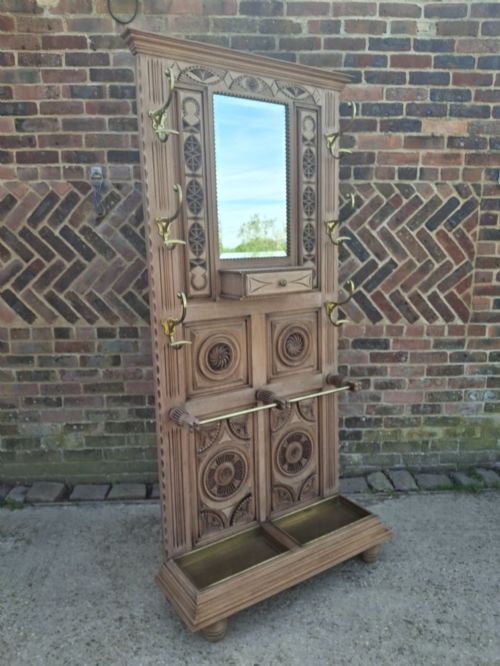
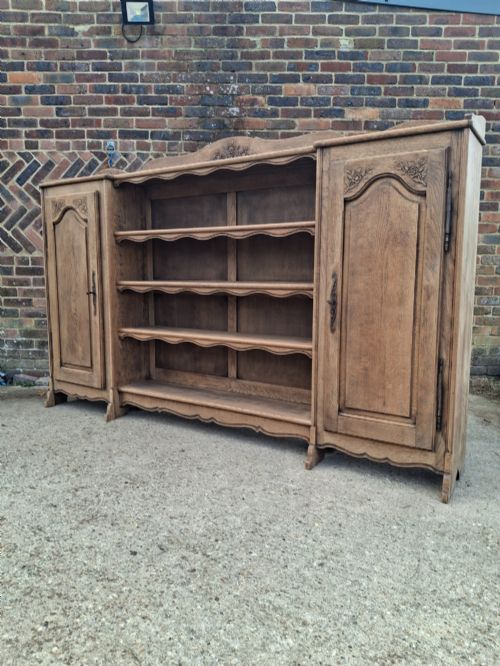
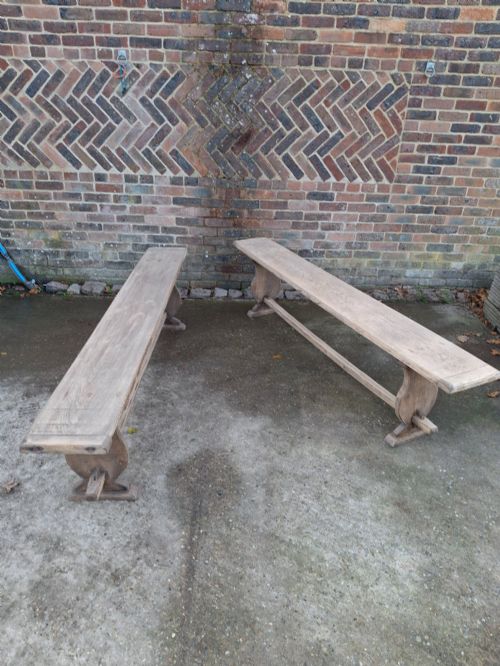
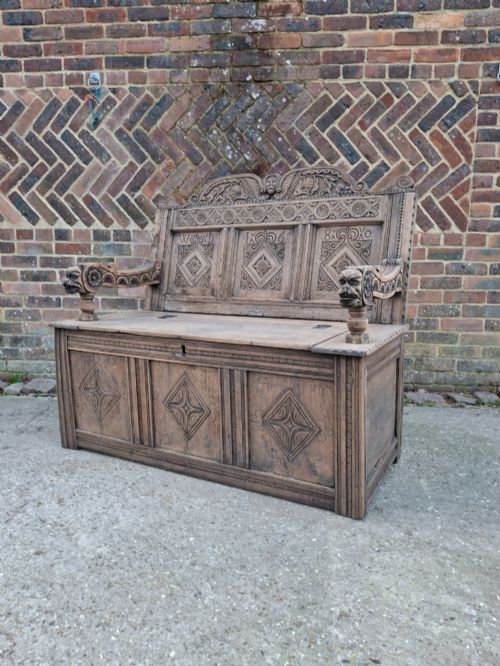
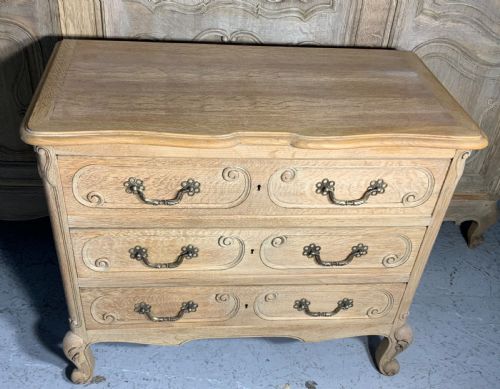
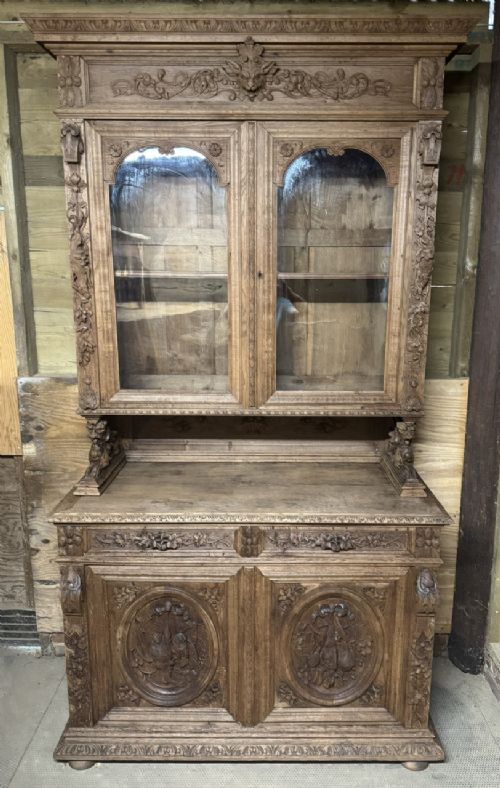
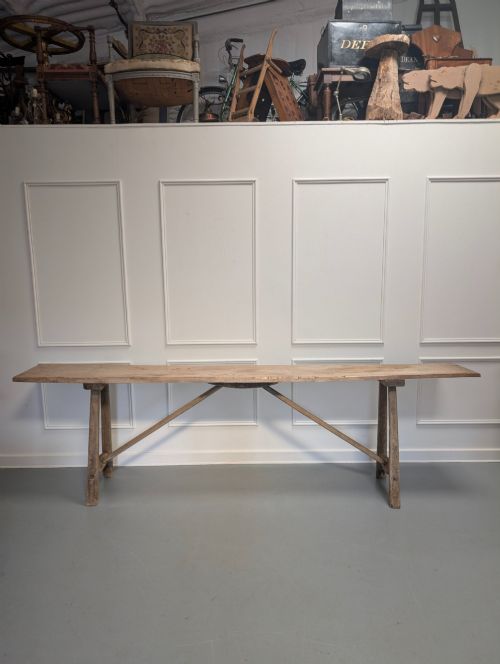
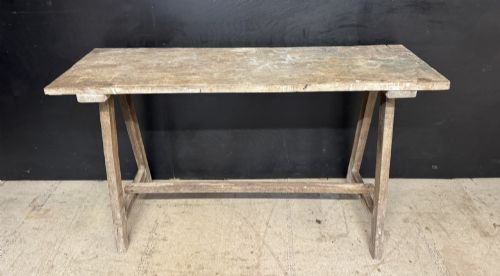
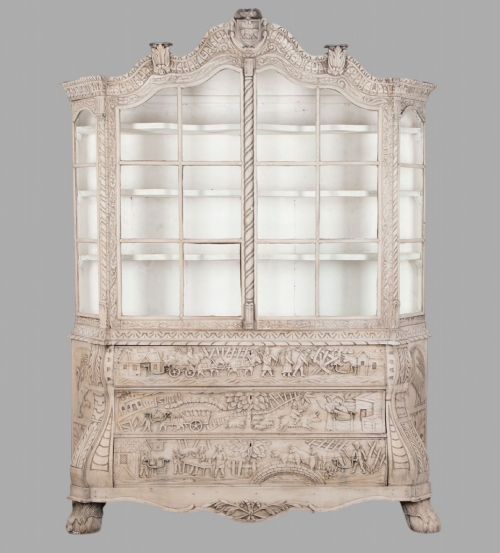
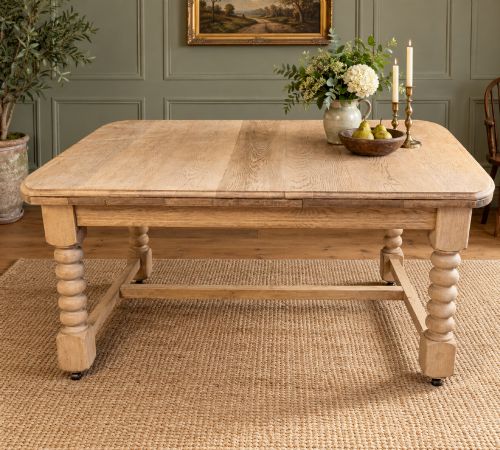
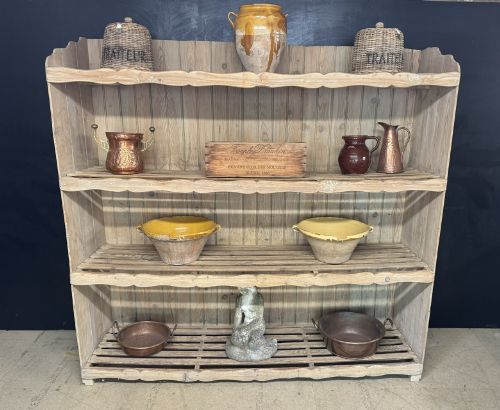
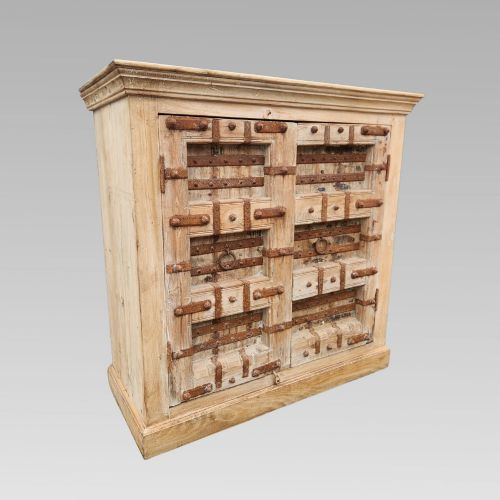
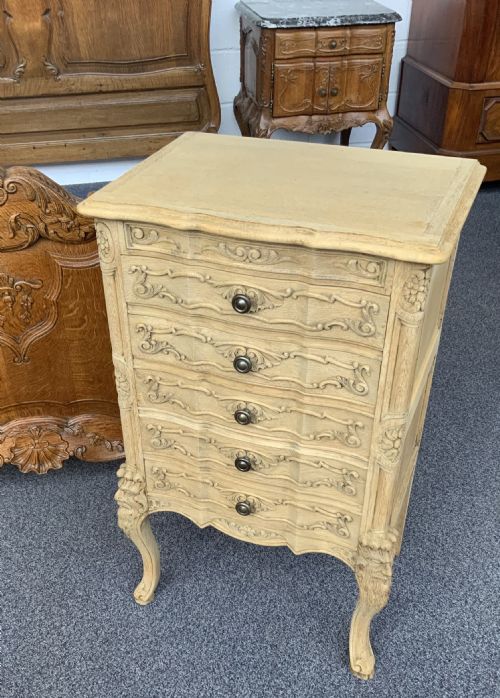
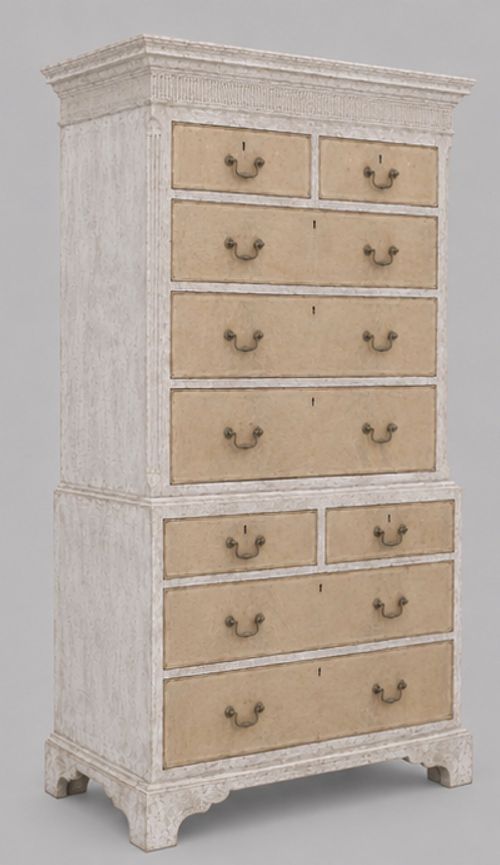
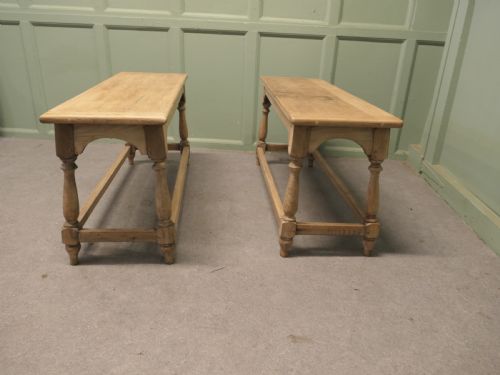
When you search for antique bleached furniture, you encounter pieces stripped of dark varnishes or given a pale, sun-bleached or limed finish that emphasises the natural grain. These pieces span from the eighteenth century to the early twentieth century, taking forms such as commodes, refectory tables, dressers, settles and cabinets.
The selection here draws heavily on European vernacular traditions, notably French laundry and farmhouse tables, Dutch oak cupboards, and English country seating. You are most likely to meet oak, walnut, pine and chestnut given a lighter surface, whether through historical weathering or deliberate chemical and mechanical treatment.
Domestic and utility forms dominate this category, reflecting pieces originally used in kitchens, dairies, laundries and provincial reception rooms. Their altered surfaces shift heavy historical timbers into a neutral palette suited to contemporary interiors without erasing the marks of their working past.
How they were made
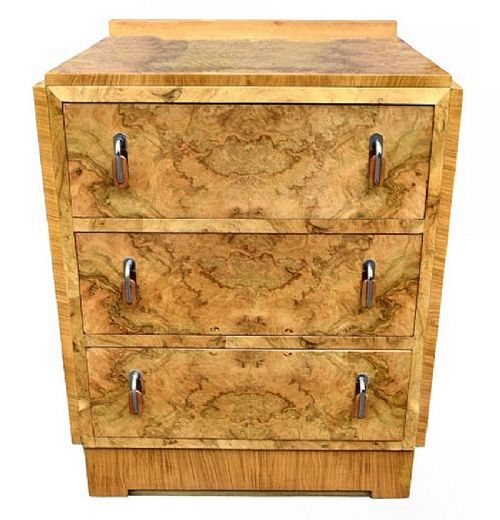
Makers constructed these items from solid native hardwoods and softwoods including oak, walnut, ash, pine, chestnut and birch, often assembling them with traditional joinery such as mortise and tenon. Structural elements like brass handles, iron hinges and glass panels appeared on larger storage pieces, while decorative surfaces featured hand-carved panels or burr veneers.
The pale appearance characteristic of these pieces arises either from decades of scrubbing with harsh agents in working environments or from later stripping and bleaching processes designed to reveal the light timber beneath. Finishers sometimes applied liming or light wax to seal the porous wood after lightening its tone.
Antique Bleached Furniture Retail Price Guide 2026
Typical asking prices for bleached furniture among the pieces listed under this phrase on Sellingantiques today, from the lower quarter to the upper quarter. They describe what is for sale here now, not the wider market.
Listings feature items spanning the eighteenth to the twentieth centuries, with oak, pine, walnut and chestnut appearing alongside brass and glass elements.
What varies in quality
Quality rests on the integrity of the underlying construction and the balance of the proportions, distinguishing robustly joined carcases and tables from weaker domestic items. The depth of the timber grain and the crispness of surviving carved details determine whether a piece retains its architectural character after bleaching.
The sensitivity of the surface treatment separates superior examples from harsher interventions, as expert lightening preserves the subtle patination and tool marks rather than flattening the wood into a uniform, sterile plane.
The Antique Bleached Furniture Glossary
- Bleached
- Timber treated with chemical agents or sunlight to lighten its natural colour. This process strips away dark traditional polishes to expose the raw grain.
- Commode
- A low chest of drawers or cabinet, frequently of French or Dutch origin. These pieces often feature serpentine fronts or substantial brass mounts.
- Settle
- A wooden wooden bench with high back and solid arms, designed to block draughts in period interiors. Examples often incorporate storage beneath the seat.
- Bombé
- A swelling, convex curved shape typical of eighteenth-century furniture styles such as Dutch rococo revival. The technique requires skilled shaping of timber or veneer.
- Limed
- A finish created by rubbing a white pigment or lime into the open pores of hardwood. This technique highlights the grain pattern against a darker or neutral background.
Antique Bleached Furniture: Frequently Asked Questions
What is antique bleached furniture?
Antique bleached furniture comprises wooden items from past centuries that feature a lightened, scrubbed or stripped finish. These include utilitarian tables, storage cupboards and seating made from oak, walnut and pine.
The pale appearance often stems from historical scrubbing in working environments or deliberate nineteenth and twentieth-century refinishing. They offer a neutral, wood-grained aesthetic that bridges historical forms and modern interior design.
How do I care for bleached wood?
Care for bleached timber by dusting with a dry cloth and avoiding excess moisture or harsh chemical cleaners. Because bleaching agents and stripping can leave the wood porous, apply a microcrystalline wax periodically to protect the surface.
Keep these pieces away from direct heat sources and strong sunlight to prevent the timber from drying out or developing uneven colour shifts over time.
Are these pieces original or later conversions?
Many items combine eighteenth or nineteenth-century construction with surfaces that were lightened later in their lifespan to suit changing tastes. Some utility tables and dairy pieces acquired their pale tones through decades of heavy scrubbing during their working lives.
Examine the interior woodwork, tool marks and hardware to understand the history of an individual piece. Both period-weathered surfaces and deliberate historical treatments remain collected for their decorative utility.
Where were these pieces used originally?
These items served functional roles in European provincial homes, farmhouses, dairies, laundries and shops. Heavy tables prepared food or folded linens, while commodes and cupboards stored household goods in domestic rooms.
Their robust construction suited demanding daily environments. Today, those same practical forms translate easily into modern dining rooms, hallways and living spaces.