

Antique Blade
An antique blade represents centuries of metalwork, ranging from concealed walking sticks to military swords and daggers.
Antique Blade
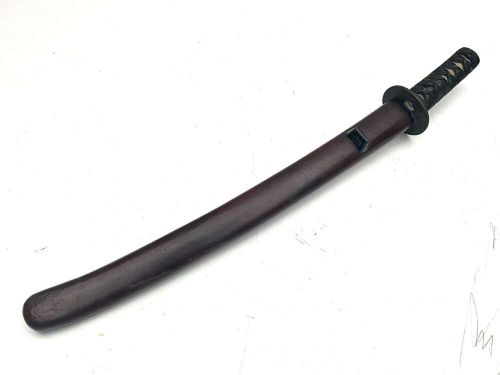
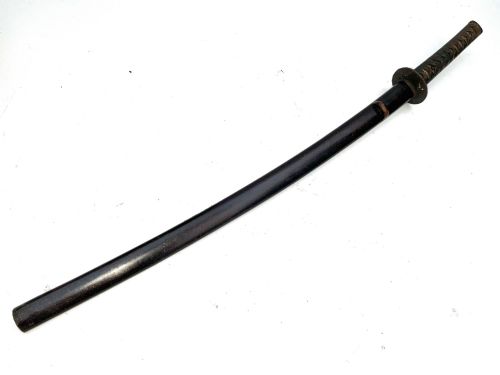
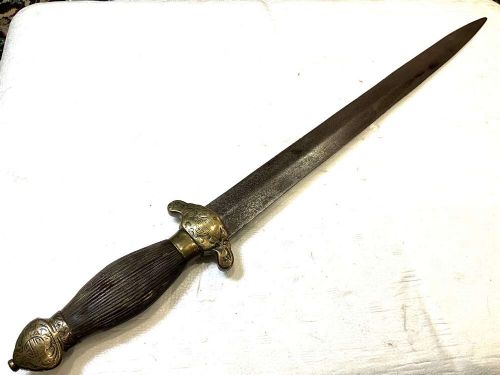
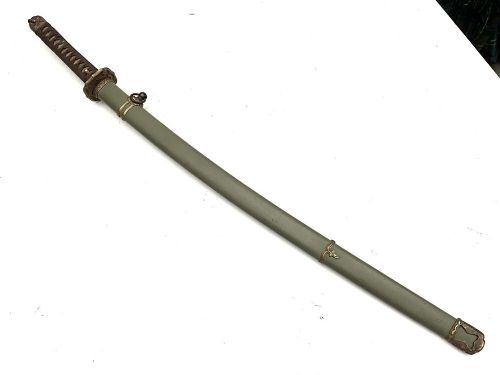
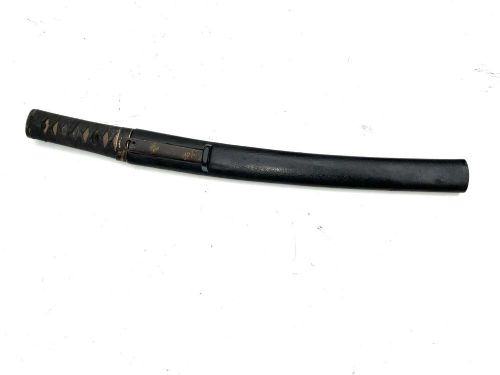
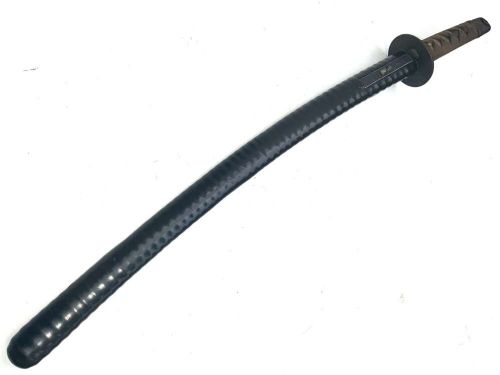
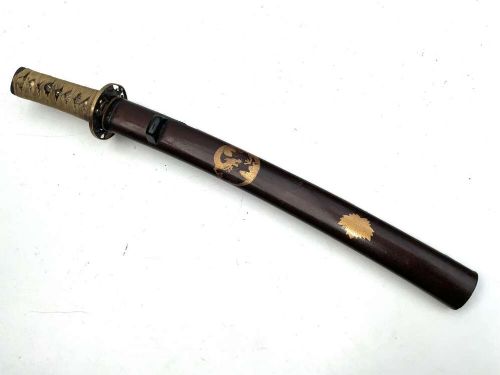
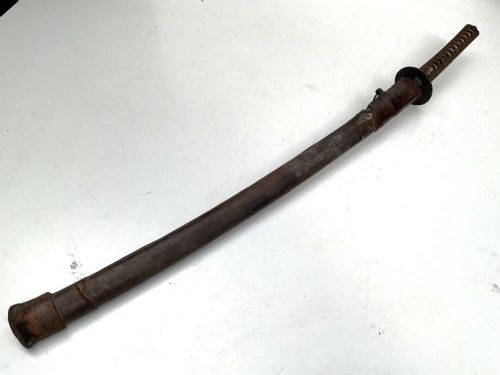
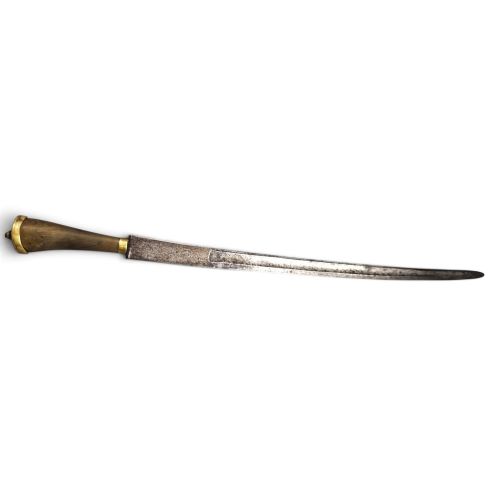
When searching for an antique blade, collectors encounter a diverse array of edged weapons spanning multiple centuries and global origins. These pieces include Japanese samurai swords and wakizashi, European military sabres, and daggers from Indo-Persian traditions.
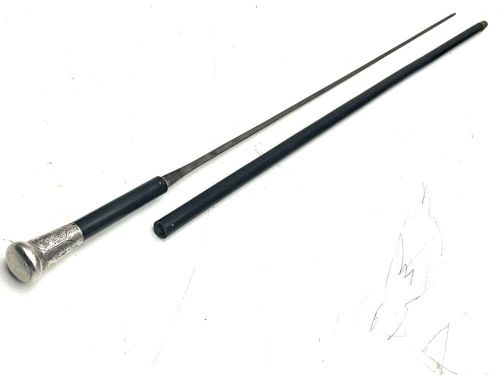
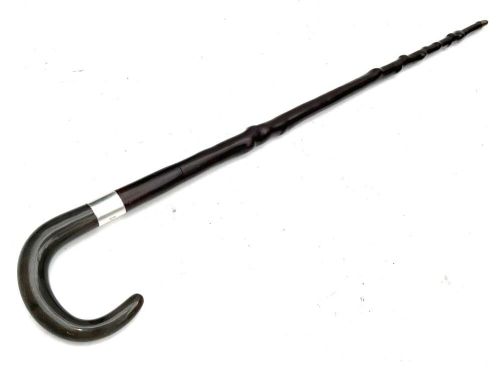
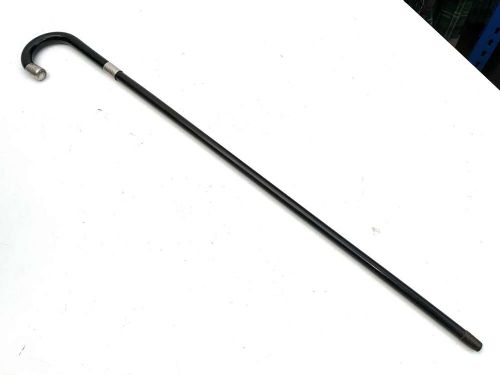
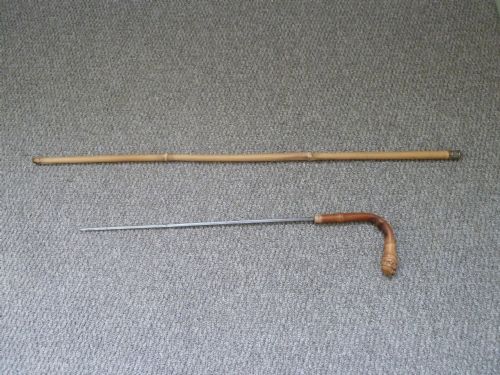
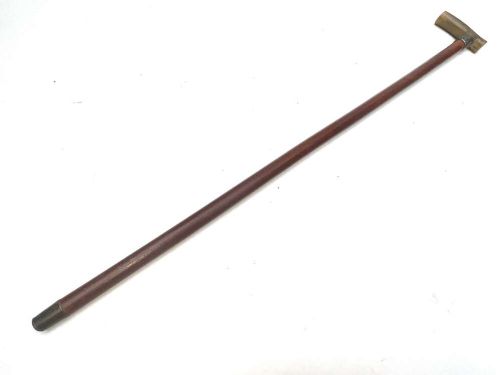
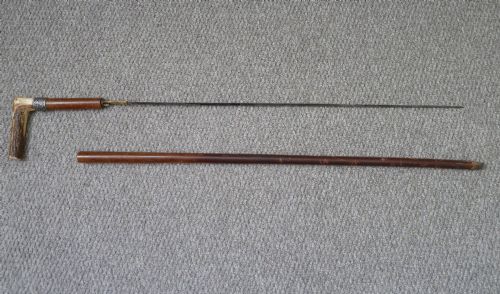
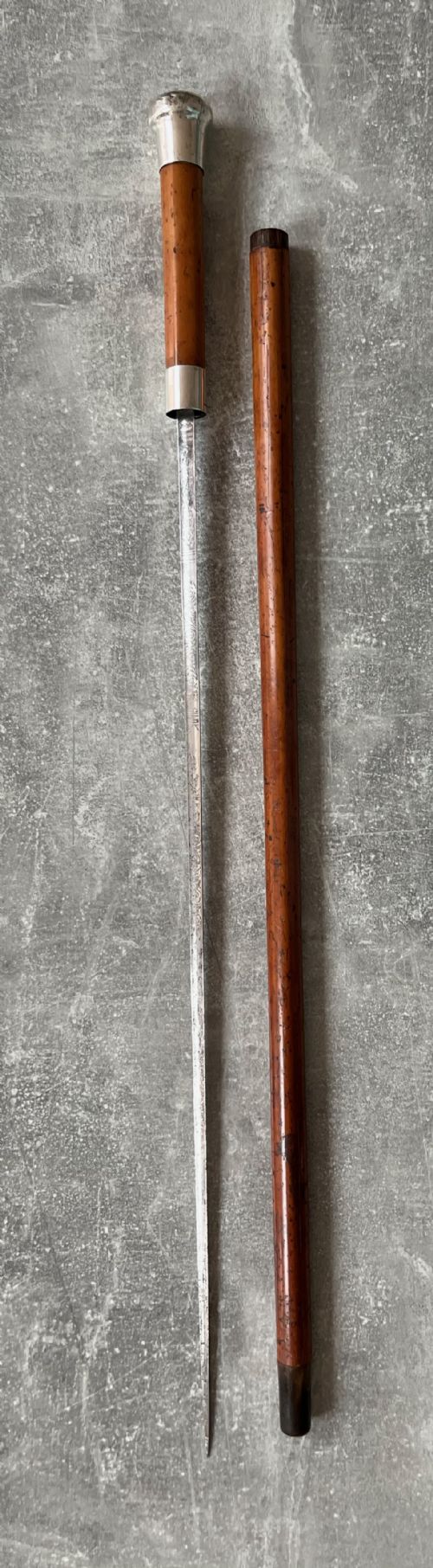
The most common forms on this page are walking sticks and canes housing concealed steel blades, often associated with Victorian gentlemen and military officers. These combination pieces merge utility with hidden defence.
Originating from periods such as the Victorian era, the 19th century, and earlier traditional epochs like the Edo period, these items reflect the craftsmanship of diverse makers and military outfitters.
How they were made
Steel forms the primary material for the blades themselves, shaped through forging and frequently finished with etched designs, blue and gilt treatments, or maker signatures such as Wilkinson and Toledo.
The mountings and hafts incorporate a variety of traditional materials including wood like malacca, cherrywood, partridge wood, and hazel, alongside horn, brass, silver, gold plate, leather, and porcelain.
Concealed blade housings utilise button releases and fitted scabbards, while specific regional pieces feature intricate papier-mâché, bronze mounts, and specialised handle grips.
Antique Blade Retail Price Guide 2026
Typical asking prices for blade among the pieces listed under this phrase on Sellingantiques today, from the lower quarter to the upper quarter. They describe what is for sale here now, not the wider market.
Listings feature steel blades housed in wooden walking sticks alongside Japanese samurai swords from the Edo period and 19th-century European military sabres.
What varies in quality
The standard of an antique blade depends heavily on the integrity of the steel and the precision of the forging, with signed maker blades representing higher tier craftsmanship.
The refinement of the mounting materials dictates overall worth, distinguishing simple wooden walking sticks from those featuring gold and silver mounts or hand-painted porcelain handles.
Condition preservation across both the concealed blade and the outer cane or scabbard defines the piece's integrity, particularly regarding mechanism function and handle attachment.
Wilkinson·Brigg·Toledo
The Antique Blade Glossary
- Wakizashi
- A traditional Japanese short sword worn by samurai, frequently paired with a larger katana. These pieces date back to the Edo period and earlier centuries.
- Sword stick
- A walking cane or stick containing a concealed blade protected within the shaft. These items were popular as civilian defence accessories during the Victorian era.
- Spadroon
- A lightweight single-edged cutting and thrusting sword used by officers in the 18th and 19th centuries. They typically feature a straight steel blade.
- Pesh-Kabz
- A type of Indo-Persian dagger featuring a T-section spine designed to penetrate mail armour. These knives often display blue and gilt decoration on the metal.
- Kris
- An asymmetrical dagger originating from the Malay archipelago, recognised for its distinctive wavy or straight blade pattern and wooden scabbard.
Antique Blade: Frequently Asked Questions
What is an antique blade?
An antique blade encompasses historical edged weapons and concealed knife items forged from steel across various centuries. These range from military swords and bayonets to daggers and hidden cane blades.
Collectors encounter items originating from European, Japanese, and Indo-Persian traditions, each reflecting the specific metallurgical techniques and military requirements of their respective periods.
How do sword sticks work?
A sword stick houses a steel blade securely inside a hollow wooden or material shaft that functions as a walking cane during everyday use. A mechanical catch or button release secures the blade within the housing.
When pressed, the mechanism allows the user to draw the concealed weapon from the protective wooden exterior.
How old are these weapons?
The items span a chronological range from the 14th century through the Victorian era and into the early 20th century. Japanese samurai pieces often date to earlier historical periods like the Edo era.
European military sabres and walking sticks predominantly represent 19th-century and Edwardian manufacturing dates.
What materials were used?
Makers utilised forged steel for the blades, complemented by various woods such as malacca, hazel, partridge wood, and ebony for the shafts and handles. Mounts frequently incorporated brass, silver, gold plate, horn, and leather.
Certain specialised walking pieces also featured ceramic handles such as Sevres porcelain or decorative papier-mâché.