


Antique Black Wooden Chest
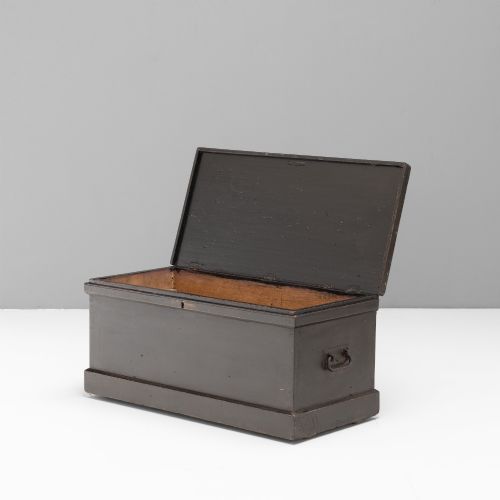
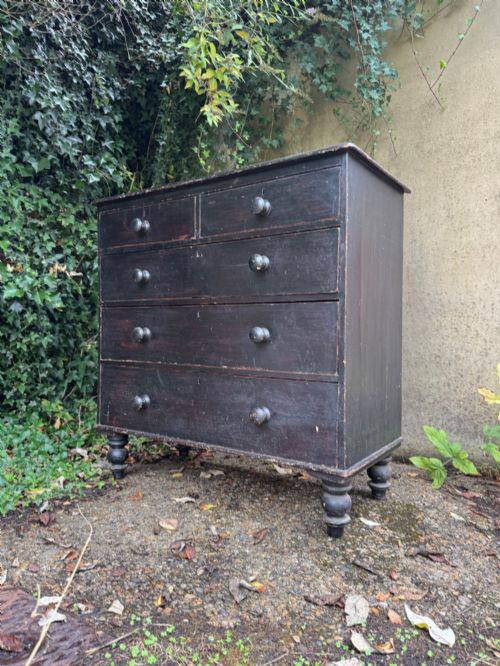
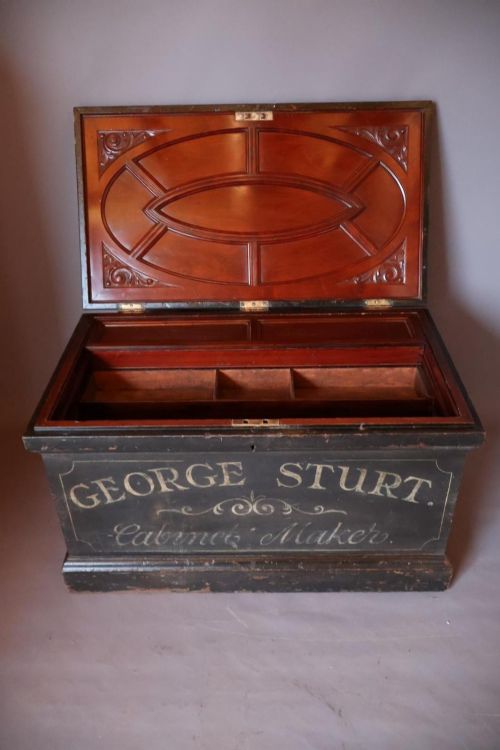
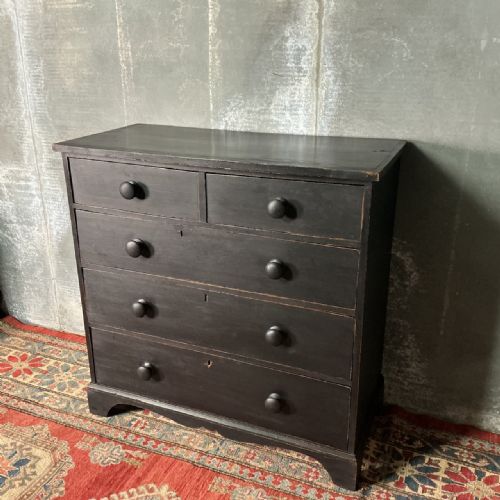
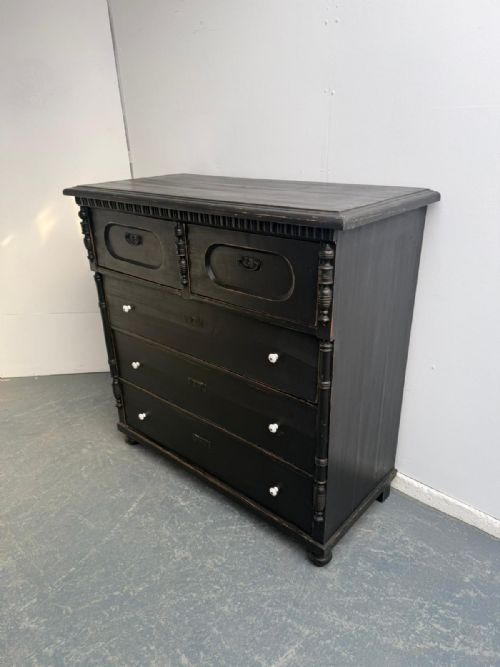
An antique black wooden chest brings depth and sombre character to a room, ranging from robust pine storage boxes to refined ebonised commodes.
Antique Black Wooden Chest
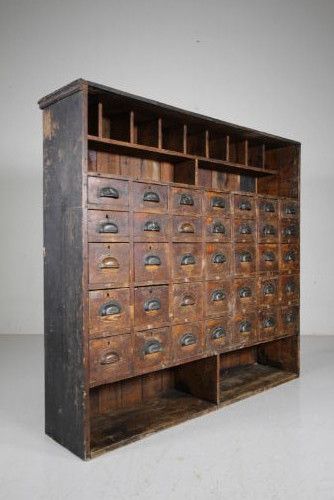
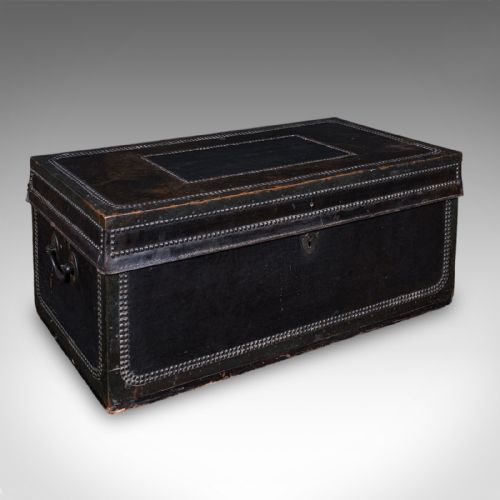
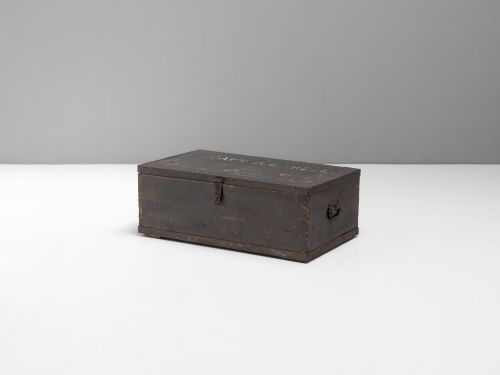
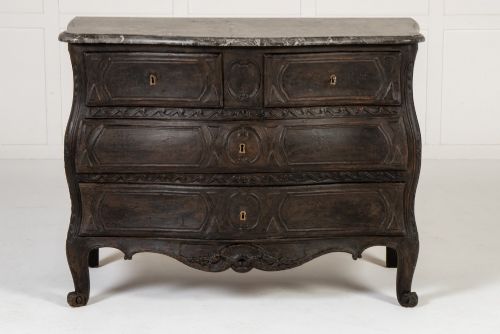
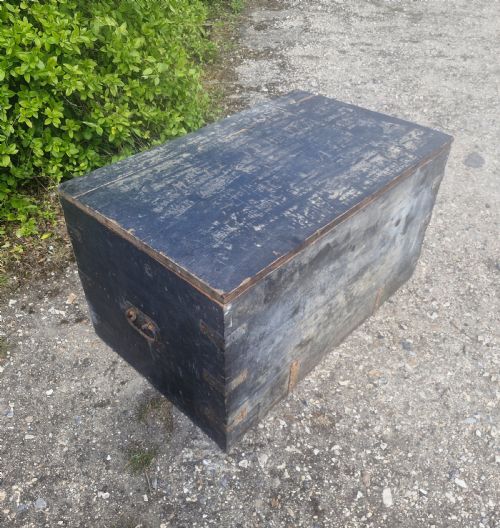
An antique black wooden chest encompasses a wide variety of forms, from large maritime storage trunks and seaman's chests to elegant commodes and smaller decorative boxes. Buyers searching this phrase encounter pieces spanning several centuries, each serving a distinct domestic or travel purpose.
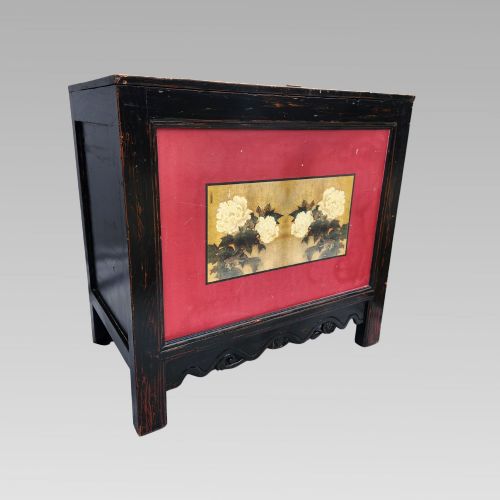
The most frequent finds on this page include painted pine storage trunks from Scandinavian and English traditions, alongside ebonised furniture and Asian lacquerware. These range from utilitarian travel trunks fitted with original hardware to highly decorative folk art boxes and sophisticated eighteenth-century commodes.
How they were made
Construction relies primarily on sturdy timbers such as pine, camphorwood, oak, and exotic hardwoods like ebony, often joined with traditional methods suited to heavy use. Many surfaces receive an ebonised finish, black paint, or oriental lacquerwork, occasionally enhanced with gold leaf and floral chinoiserie motifs.
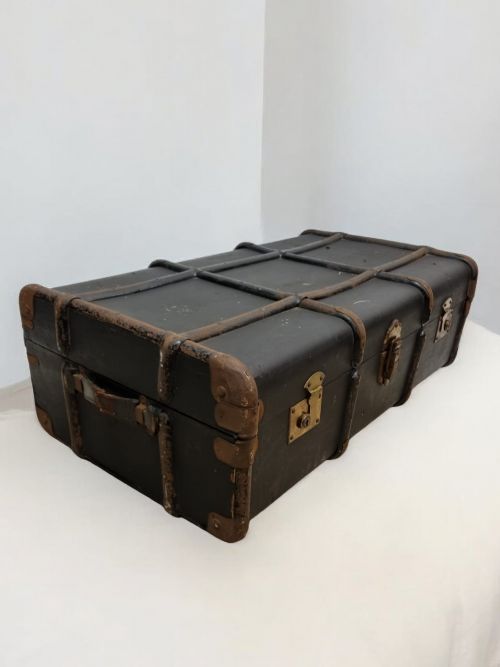
Hardware plays a defining role in their manufacture, incorporating robust iron straps, brass corners, and locks designed to secure contents during travel or domestic storage. Painted examples frequently display original folk art decoration or hand-brushed finishes that have aged organically over generations.
The documented periods span four centuries, beginning in the seventeenth century and extending through the Art Deco era of the twentieth.
What varies in quality
Quality rests heavily on the integrity of the original surface finish, distinguishing pieces with untouched patinated paint or lacquer from later repainted examples. The sophistication of the joinery and the presence of original brass or iron hardware also elevate a piece significantly.
Proportion and decorative ambition separate utilitarian work boxes from high-style pieces like French commodes or Flemish table caskets. The survival of interior fittings, such as original drawers, paper linings, or specialised compartments, marks the distinction between standard and superior examples.
The Antique Black Wooden Chest Glossary
- Ebonised
- Wood treated with a dark stain or finish to imitate expensive ebony. This technique was popular in various periods to achieve a formal, sophisticated black surface.
- Commode
- A low chest of drawers or cabinet developed in the seventeenth century. These often feature shaped fronts and decorative veneers or paintwork.
- Tansu
- A traditional Japanese mobile storage chest built from wood with iron mounts. They served various domestic functions, including clothing and document storage.
- Coffer
- A large wooden chest traditionally used for holding valuables or textiles. They typically feature heavy construction and secure locking mechanisms.
- Chinoiserie
- European decorative style reflecting Chinese artistic influences. It frequently appears in lacquerwork and painted scenes on furniture.
Antique Black Wooden Chest: Frequently Asked Questions
How do I date a black wooden chest?
Dating relies on examining construction techniques, timber types, and hardware styles. Earlier pieces from the seventeenth and eighteenth centuries often feature hand-cut joints and forged iron elements, whereas nineteenth-century examples may incorporate machine-sawn timber and mass-produced brass.
Surface finishes also provide strong chronological clues. Original ebonising, hand-mixed black paints, and period lacquer work wear in specific ways over time, distinguishing genuine age from later decorative treatments.
Were these chests used for travel?
Many examples on this page served utilitarian travel roles, including campaign trunks, sea chests, and steamer trunks. These pieces were built with reinforced corners and sturdy handles to withstand the rigours of maritime and railway journeys.
Other forms, such as tea caddies, table cabinets, and commodes, remained strictly stationary within domestic interiors. Examining the presence of side handles and robust locking mechanisms helps clarify a piece's intended mobility.
How do I care for painted or lacquered wood?
Preserving these surfaces requires stable environmental conditions away from direct sunlight and excessive humidity. Regular dusting with a soft, dry cloth prevents particulate accumulation without risking moisture damage to delicate paint or lacquer.
Avoid commercial polishes and modern solvents, which can strip historic finishes. Applying a microcrystalline wax sparingly can protect stable painted surfaces, but fragile lacquer requires professional conservation.