


Antique Black Statues
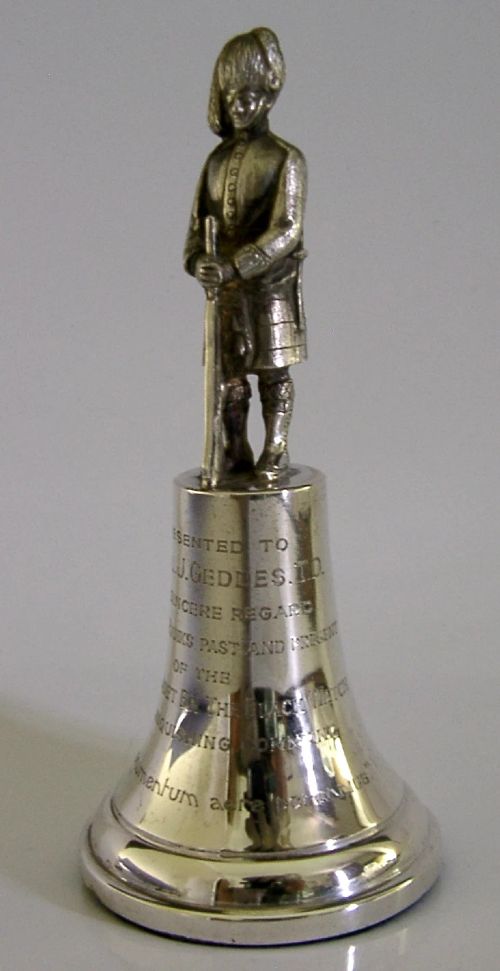
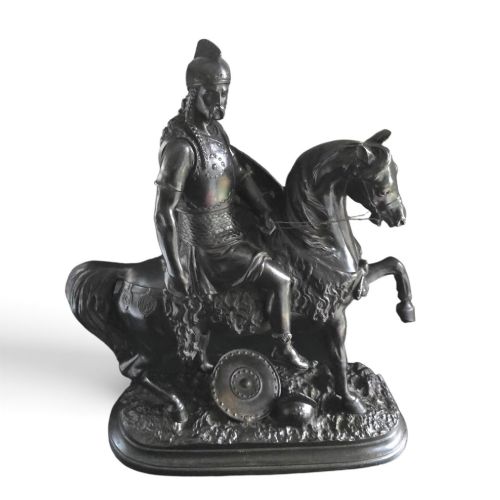
These antique black statues encompass sculptures, figures, and bookends formed in bronze, carved wood, and spelter across the nineteenth and early twentieth centuries.
Antique Black Statues
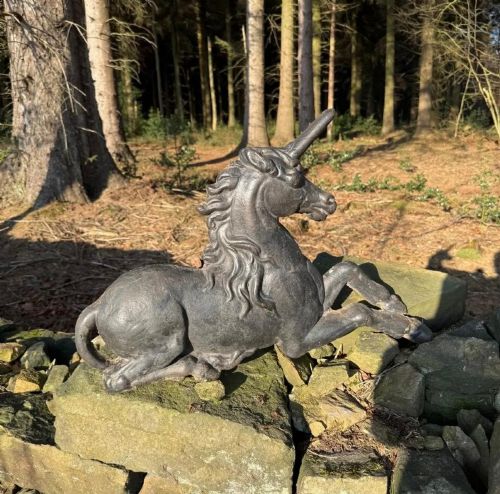
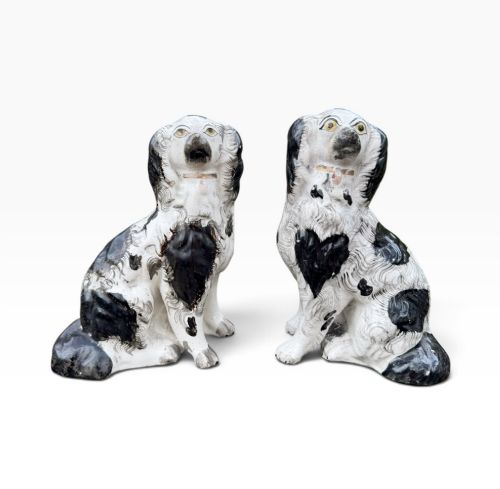
Antique black statues cover a diverse array of sculptural objects, including animal figurines, human figures, busts, and functional items such as bookends and match holders. Buyers seeking these works encounter representations of mythological figures, wildlife, literary characters, and dancers originating from European and Asian workshops.
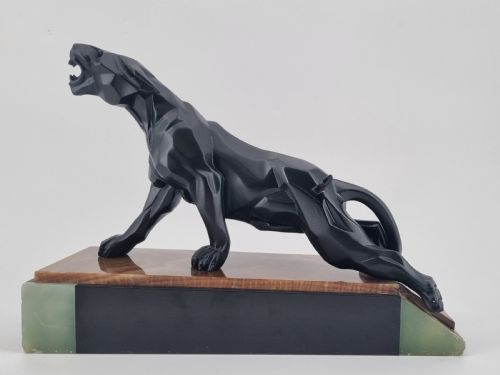
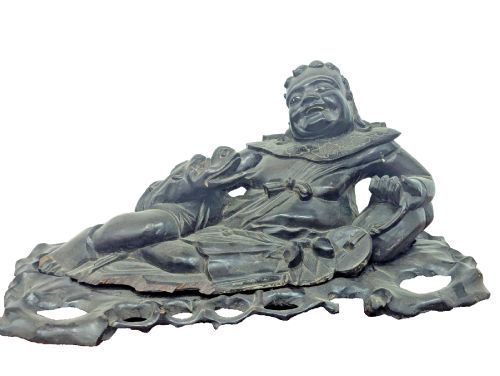
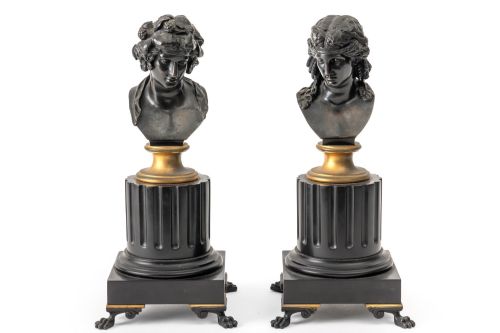
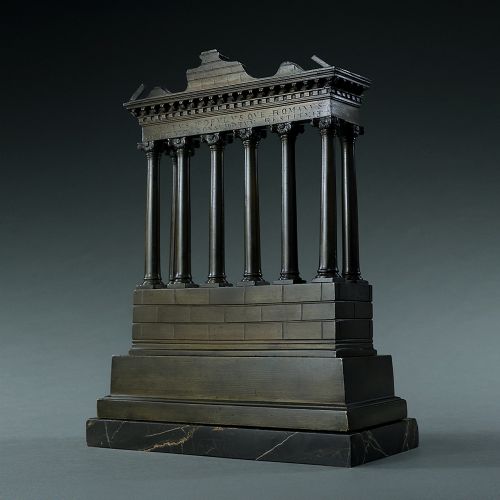
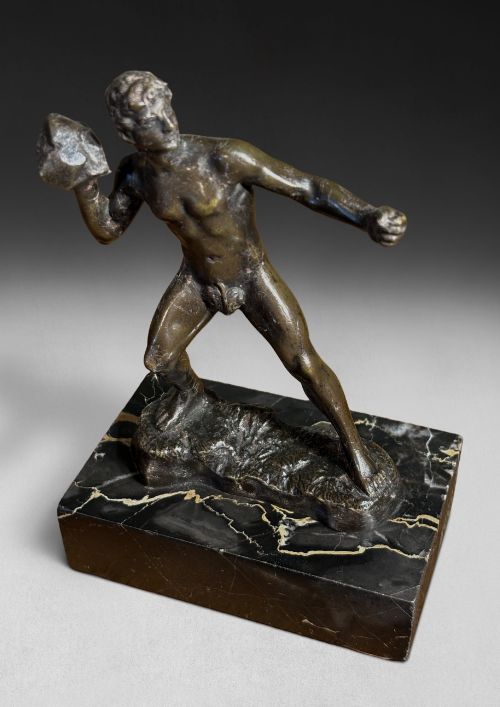
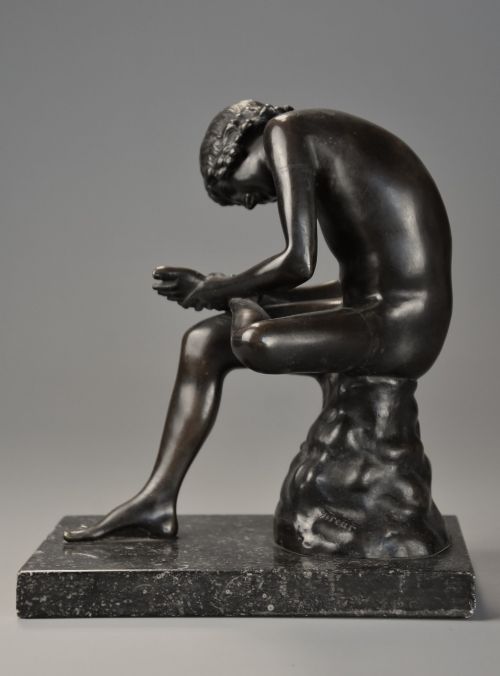
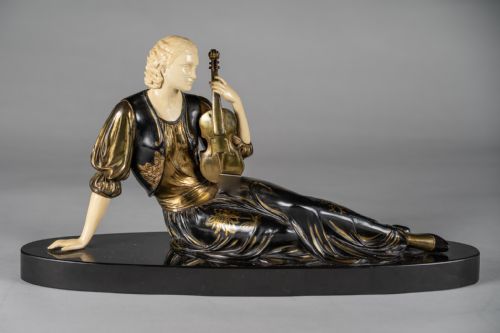
The selection on this page draws heavily from nineteenth-century Grand Tour bronzes, Swiss or Black Forest wood carvings, and twentieth-century Art Deco pieces. Sculptures cast in bronze or spelter sit alongside hand-carved limewood, walnut, and hardstone figures, reflecting the varied aesthetic movements of their respective periods.
How they were made
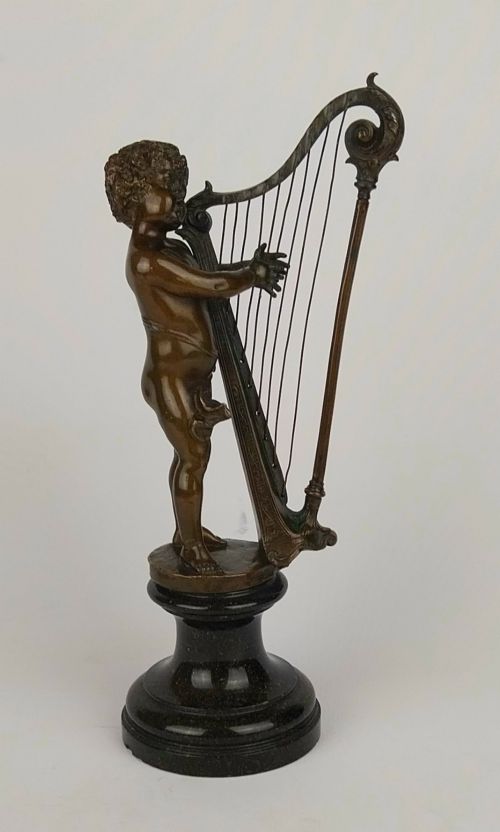
Bronze sculptures utilise the lost-wax casting method, often mounted on marble or fossil marble bases, while spelter figures provide a more accessible metal alternative finished with dark patination or paint. Cold painted techniques add colour details to bronze animals and human figures.
Carved wooden pieces rely on regional traditions, utilising linden wood, walnut, and hardwoods. Craftsmen employ hand-chiselling tools to shape detailed animal studies, human figures, and foliage, occasionally incorporating enamel decoration or signed stamps.
Antique Black Statues Retail Price Guide 2026
Typical asking prices for black statues among the pieces listed under this phrase on Sellingantiques today, from the lower quarter to the upper quarter. They describe what is for sale here now, not the wider market.
A carved limewood gnome holding a match striker brings a distinct touch of nineteenth-century mischief to the sculptural lineup.
What varies in quality
The skill of the initial model and the precision of the casting or carving separate the finer pieces from standard production work. Superior bronzes retain crisp chisel work on hair, musculature, and drapery after casting, while weaker examples lose definition in secondary details.
In carved wood items, anatomical accuracy and depth of undercut define the execution, distinguishing master carvers from commercial workshops. The integration of materials, such as combining cast metal figures with polished marble plinths, also indicates the ambition of the original maker.
Eugen Bormel·D. H. Chiparus·Jean de Roncourt·Maurice Giraud-Rivière·Pierre Collinet·Ferdinand Barbedienne·Bruno Zach·Alexandre Ouline·P Granet·Demetre Chiparus
The Antique Black Statues Glossary
- Spelter
- A zinc alloy commonly utilised as a substitute for bronze in decorative figures. It is softer than bronze and typically carries a dark painted or electroplated finish.
- Grand Tour
- A nineteenth-century tradition where travellers collected classical bronzes and marbles in Italy. These miniature reproductions emulate ancient sculptures.
- Cold painted
- A technique where paint is applied to cured bronze without firing. This finish is susceptible to flaking if handled improperly over time.
- Linden wood
- A pale timber favoured by European woodcarvers, particularly in the Black Forest region. Its fine, even grain allows for deep and detailed undercutting.
Antique Black Statues: Frequently Asked Questions
What materials are these statues made from?
The pieces utilise cast metals including bronze, spelter, and cast iron, alongside carved timbers such as linden wood, walnut, and hardstone. Some incorporate painted details or enamel decoration.
Marble and fossil stone frequently serve as heavy plinths or bases for metal sculptures and bookends.
How do I identify a Black Forest carving?
Black Forest carvings originate primarily from Switzerland and Germany during the nineteenth and early twentieth centuries. They are typically rendered in limewood or walnut, depicting wildlife, forest animals, or human figures with deep textural detail.
Many pieces function as practical items, including bookends, tobacco holders, and match strikers.
What is a Grand Tour bronze?
Grand Tour bronzes are miniature replicas of classical antiquities collected by travellers during nineteenth-century European journeys. They often represent famous ancient sculptures such as the Venus de Milo or the Medici Lion.
These pieces were cast in Europe to satisfy the demand for portable classical art.
How should I clean antique bronze and wood?
Dust metal sculptures gently with a dry, soft cloth to preserve the original patina and cold painted finishes. Avoid chemical cleaners or polishes that strip surface layers.
Wooden carvings benefit from occasional light dusting and protection from direct sunlight and extreme humidity changes.