





Antique Black Shelving
Antique black shelving delivers dark, striking utility through ebonised wood, painted finishes, and iron work across nineteenth and early twentieth century forms.
Antique Black Shelving
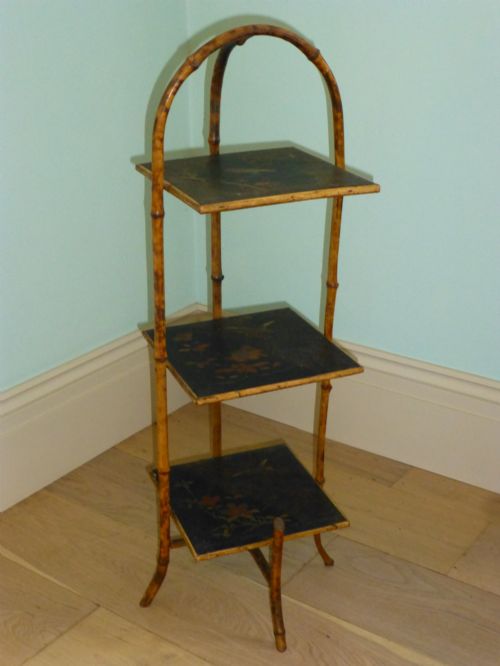
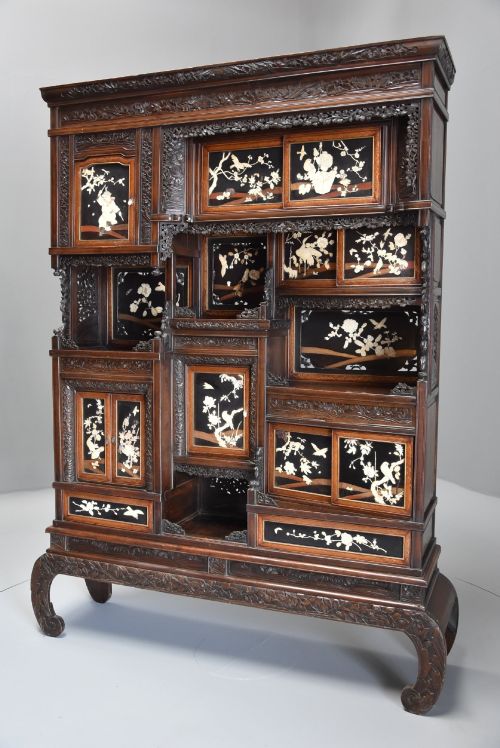
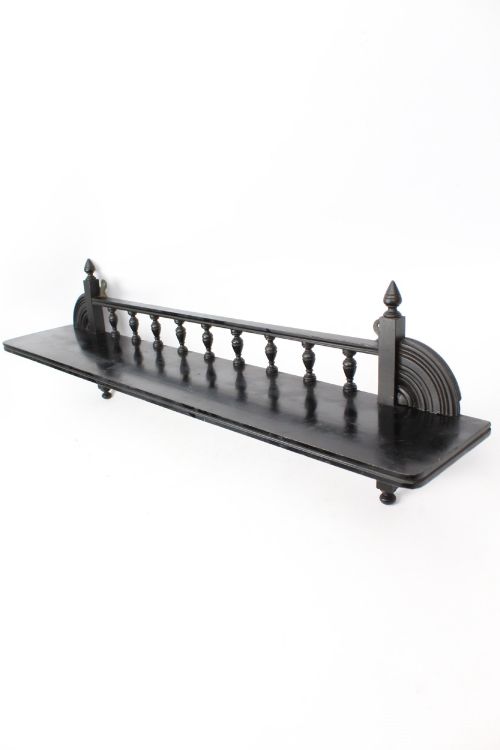
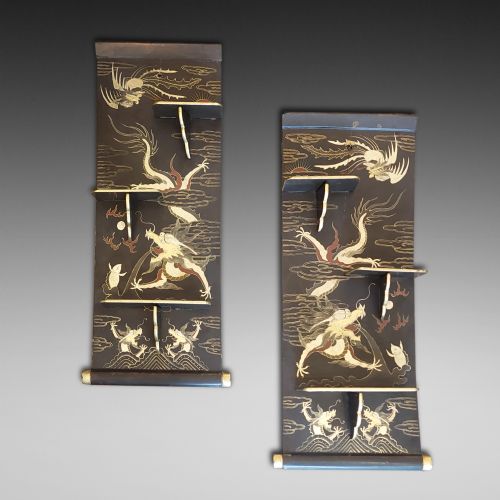
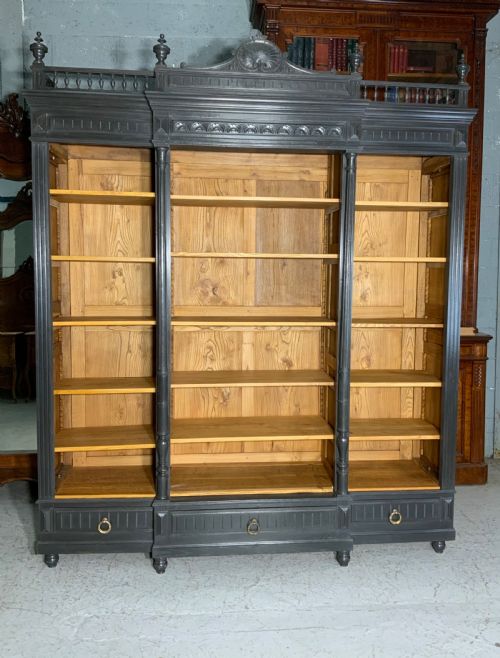
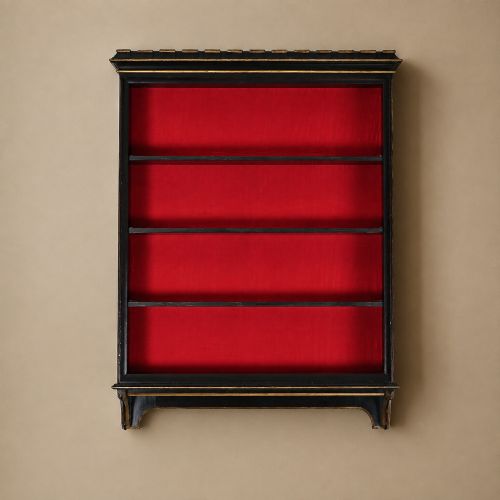
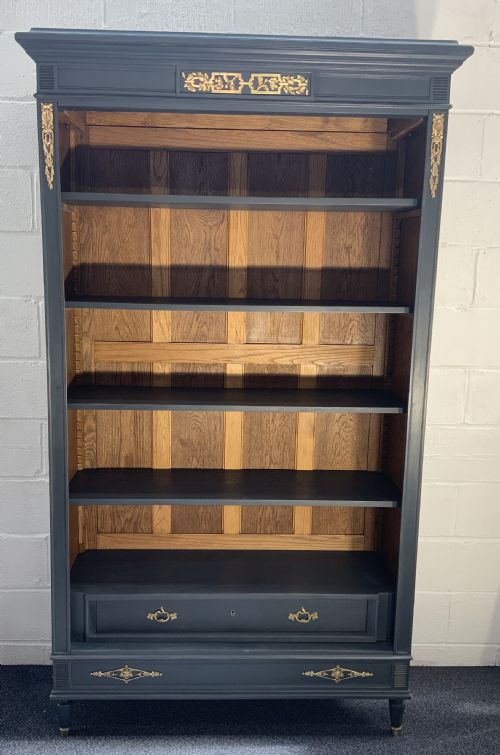
Antique black shelving encompasses open bookcases, etageres, whatnots, wall shelves, and display stands originating from the nineteenth and early twentieth centuries. These darker utility and display pieces emerge in periods including the Victorian, Edwardian, and Napoleon III eras, drawing on French Chateau, Gothic Revival, and Aesthetic Movement design vocabularies.
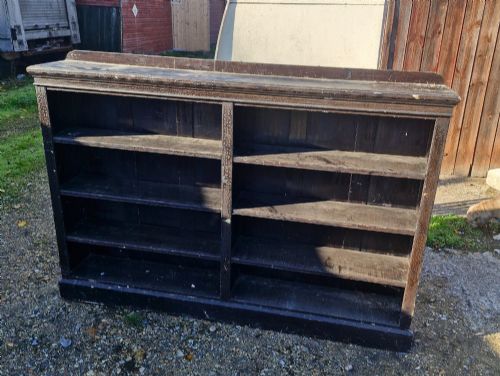
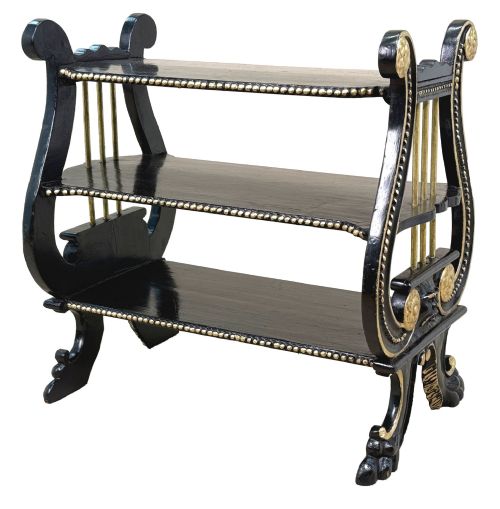
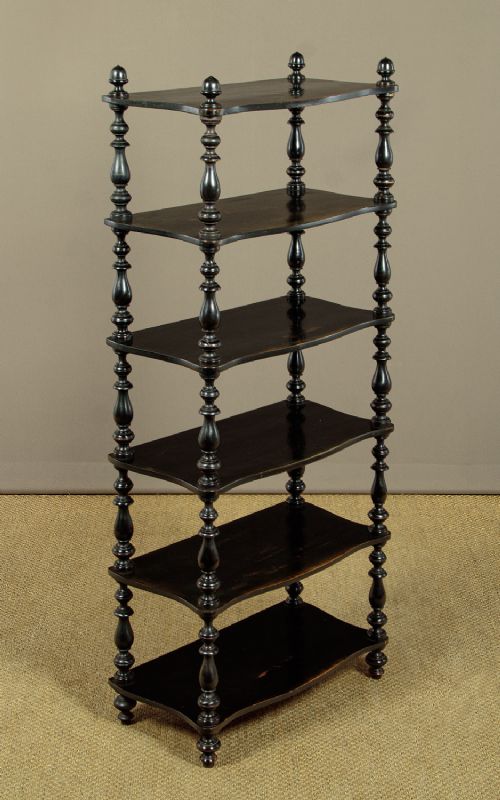
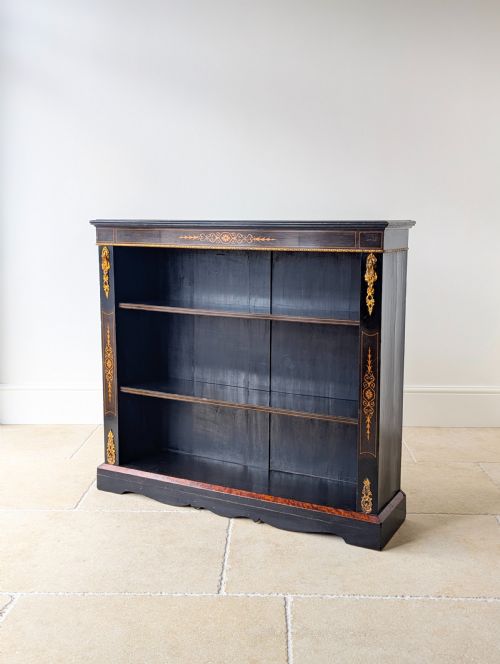
The version most commonly met on this page is the ebonised open bookcase or tiered whatnot, often featuring brass mounts, parcel gilding, or carved details. They served as functional storage and display furniture in period parlours, libraries, and shops.
Buyers seek antique black shelving to anchor a room with dark tones while providing practical display surface for books and decorative objects. The pieces combine structural woodwork with decorative finishes like lacquer and paint.
How they were made
Makers utilised ebonised wood, painted wood, and wrought iron, often applying black paint, lacquer, or ebonisation treatments to standard timbers like oak, mahogany, and satinwood to imitate expensive ebony. Metal elements such as brass mounts, rails, and hardware provide structural contrast and decorative accents.
Construction techniques include carved ornamentation, parcel gilding, inlay, and bobbin turnings, supported by adjustable shelving systems and tier assemblies. Iron variants rely on scroll-work and forged framing for baker and patisserie racks.
Antique Black Shelving Retail Price Guide 2026
Typical asking prices for black shelving among the pieces listed under this phrase on Sellingantiques today, from the lower quarter to the upper quarter. They describe what is for sale here now, not the wider market.
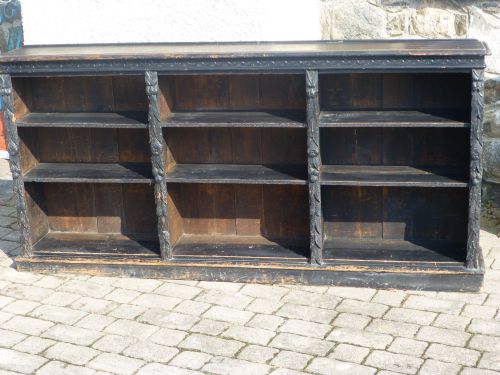
Green men stare out from nineteenth century dwarf bookcases, keeping a stern watch over the adjustable shelves.
What varies in quality
Quality in antique black shelving rests on the depth of the ebonisation or finish, the precision of carved details or parcel gilding, and the integrity of brass mounts. Pieces showing refined joinery, secondary timbers like satinwood, and sophisticated stylistic details such as Gothic Revival tracery or Aesthetic Movement incising command greater regard.
The integration of functional elements, such as smoothly operating adjustable shelving or sturdy tiered structures, separates standard utilitarian pieces from workshop-attributed or highly ornamented examples.
George Edmund Street·Cottier & Co.·Wedgwood
The Antique Black Shelving Glossary
- Ebonised
- Wood treated with stain, dye, or paint to resemble dense black ebony. This finish gained popularity during the Victorian and Aesthetic Movement periods.
- Etagere
- A set of open shelves for displaying small objects or ornaments. These pieces typically feature multiple tiers supported by slender columns or posts.
- Whatnot
- A multi-tiered piece of freestanding furniture used for storing or displaying books and ornaments. They appear frequently in corner or freestanding formats from the nineteenth century.
- Parcel Gilt
- Partial application of gold leaf or gilt highlights onto a painted or ebonised surface. It accentuates carved details and mouldings.
- Overmantel
- A mirror or decorative shelving unit designed to sit directly above a fireplace mantel. Examples often incorporate brackets, shelves, and inset mirrors.
Antique Black Shelving: Frequently Asked Questions
How do I use an etagere?
An etagere functions as a tiered display stand for books, ceramics, and decorative objects in living spaces.
Their open construction allows light to pass through, making them suitable for corners or wall placements where heavy cabinets feel too bulky.
What distinguishes a whatnot?
A whatnot is a freestanding or corner shelving unit with multiple stacked platforms supported by slender uprights.
Victorian homes used them extensively for holding everyday items and display pieces within easy reach.
Are bakers racks antique?
Iron bakers racks and patisserie racks originate from nineteenth century commercial and domestic food preparation spaces.
They feature durable wrought iron framing and open shelving designed to hold heavy trays and provisions.