
Antique Black Print
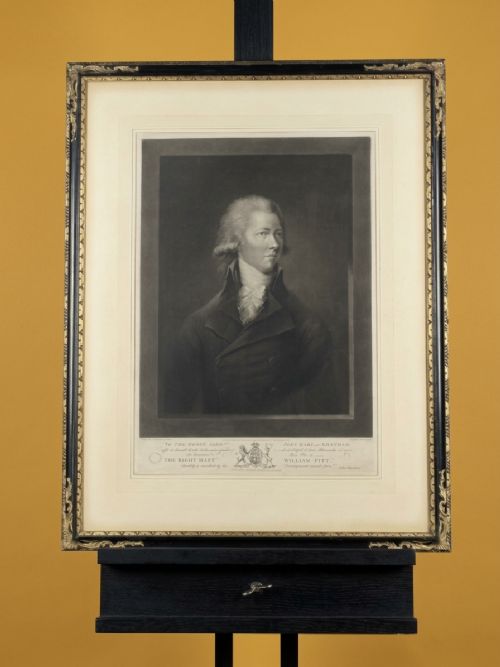
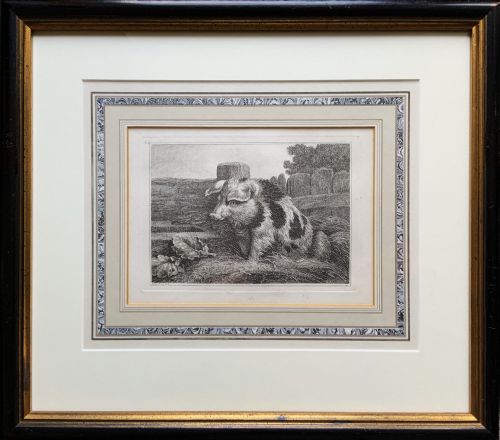
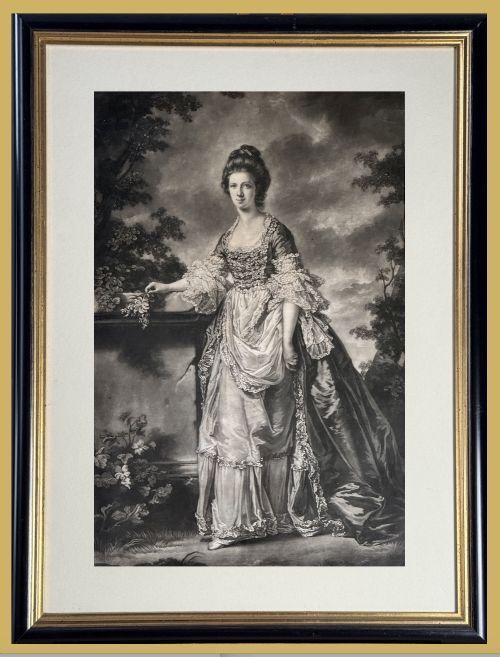
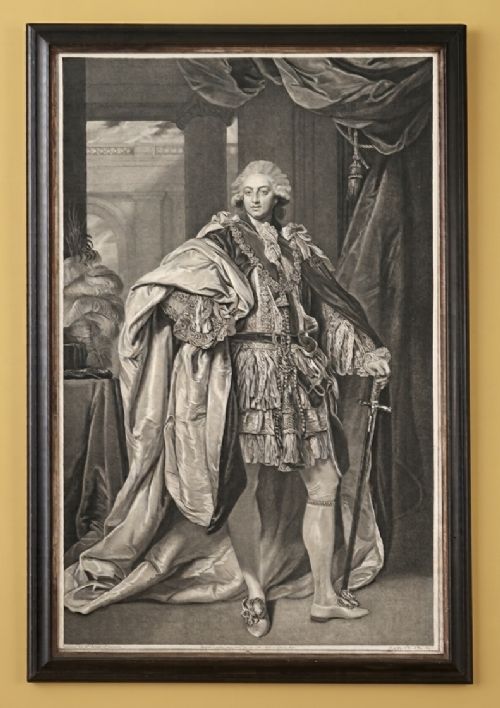
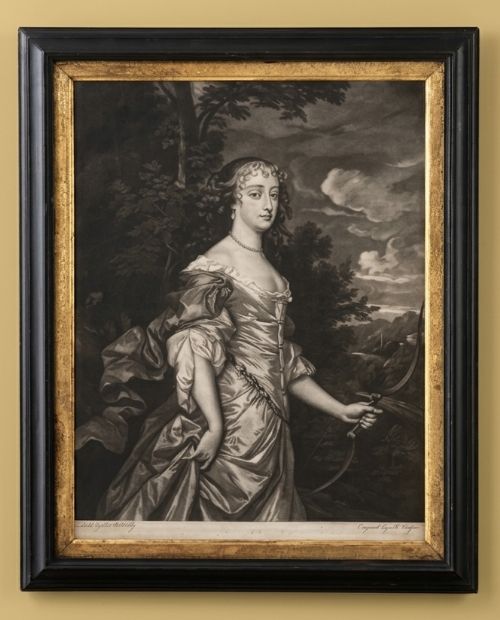
An antique black print captures the deep tones and fine linework of historic etching, mezzotint and transfer printing on paper, glass or creamware.
Antique Black Print
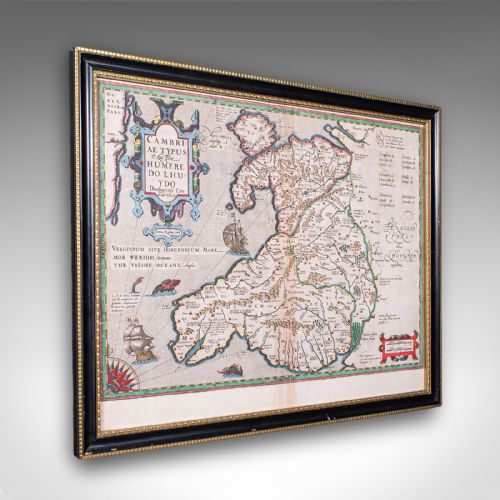
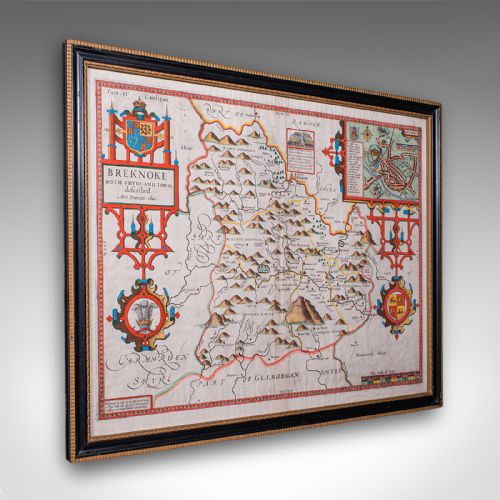
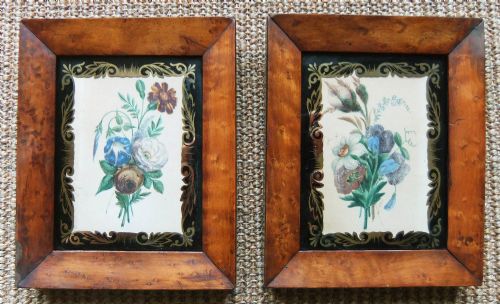
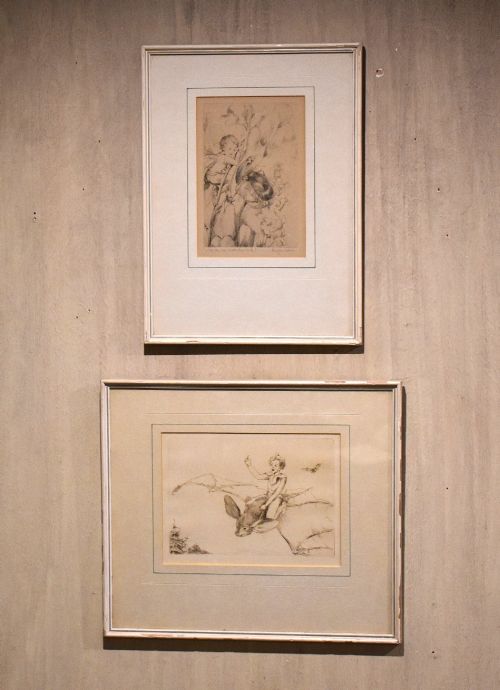
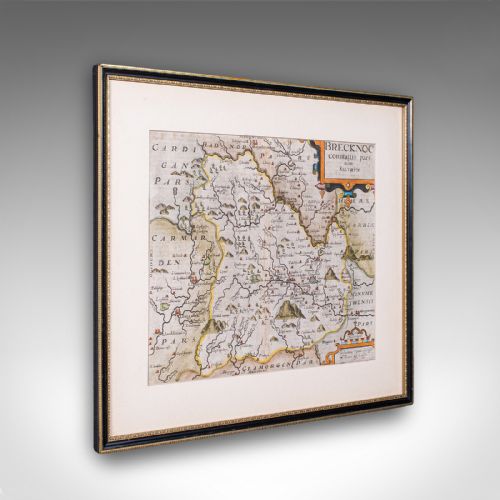
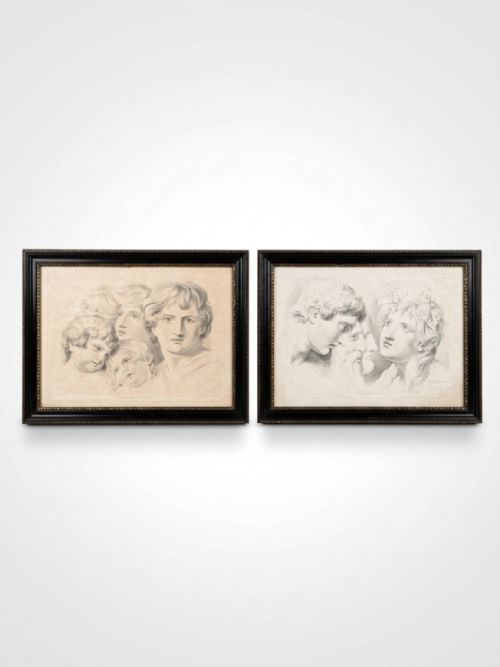
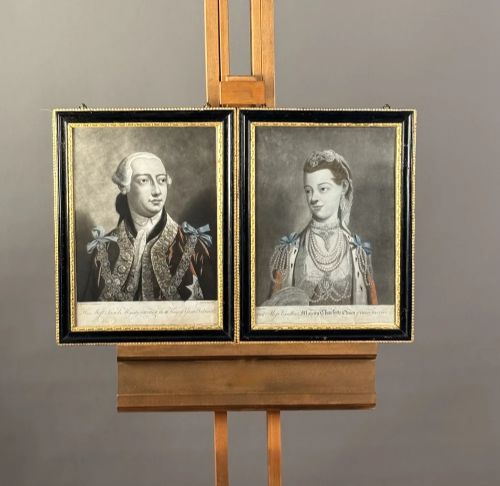
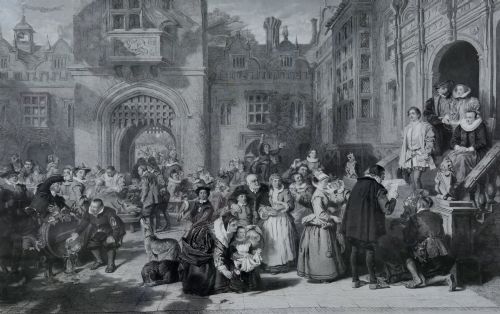
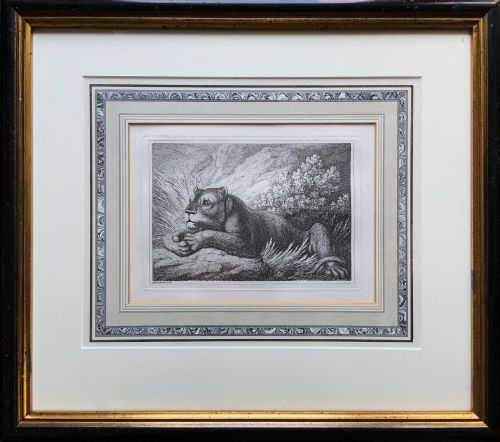
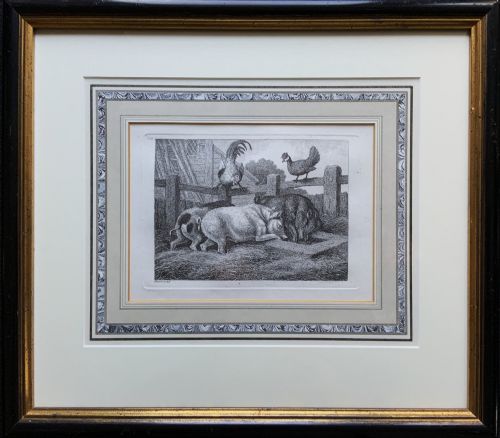
When you search for antique black print, you encounter framed portraits, classical scenes, botanical plates and maritime maps spanning from the seventeenth century through to the twentieth century.
The selections on this page centre heavily on eighteenth-century British mezzotints and engravings, alongside nineteenth-century etchings and Japanese woodblock prints.
Makers and engravers ranged from seventeenth-century masters to later commercial workshops producing framed art, wall hangings and even transfer-printed creamware jugs.
How they were made
Makers applied dark ink to engraved copper plates, woodblocks or stone matrices, transferring rich monochrome lines and tonal gradients onto paper, glass or earthenware surfaces.
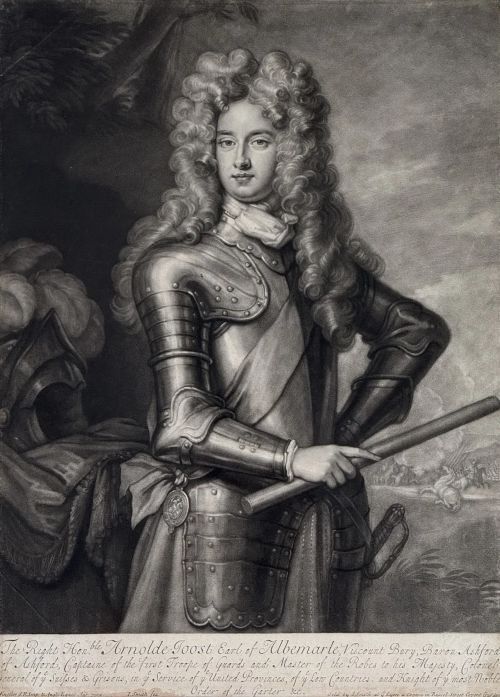
Mezzotint plates were roughened with a rocker to hold ink and produce velvety dark shadows, while etchings relied on acid biting into metal lines.
Certain items utilised gold leaf or gilt accents on the framing, or incorporated reverse glass techniques to seal the printed image.
Listings feature paper, glass, wood, ink, gold leaf, gilt, creamware and earthenware.
What varies in quality
The depth of the ink impression and the clarity of fine linework separate an early, crisp print from a worn later strike or reproduction.
Paper selection, conservation of margins and the presence of original framing or reverse glass mounting strongly influence the integrity of the piece.
John Simon·Edward Fisher·John Boydell·James Watson·John Smith·Francesco Bartolozzi·Herbert Dicksee·Valentine Green·Andrew Bell·William Lionel Wyllie
The Antique Black Print Glossary
- Mezzotint
- A printmaking process where the metal plate is roughened to achieve rich dark tones and subtle tonal variations. It was widely used in Britain for portraiture.
- Stipple engraving
- A technique using dots rather than lines to form the image, creating soft tonal gradations often associated with classical subjects.
- Transfer printing
- A method of offsetting a design from an engraved plate onto pottery such as creamware before glazing and firing.
- Woodblock print
- An image carved into a block of wood where the raised areas take ink, prominent in Japanese traditions.
Antique Black Print: Frequently Asked Questions
What is an antique black print?
An antique black print is an impression on paper, glass or ceramic made using historical techniques like mezzotint, etching or woodblock carving.
These pieces capture historic portraits, maps and classical scenes in deep monochrome ink.
How should I hang antique prints?
Protect these works by hanging them away from direct sunlight and excessive moisture to preserve the ink and paper.
Use UV-filtering glass and acid-free mounts to maintain the stability of seventeenth and eighteenth-century pieces.
Are all these prints British?
While a large portion of the selection originates from eighteenth and nineteenth-century British workshops, the category also includes Japanese woodblock prints and continental European etchings.
The geographical origins span various periods including the Edo period and Georgian era.
How do I identify a mezzotint?
Mezzotints are identified by their rich, velvety dark backgrounds and smooth transitions of tone rather than hard etched lines.
Printers achieved this by working the copper plate with a multi-toothed rocker tool.