

Antique Black Figures
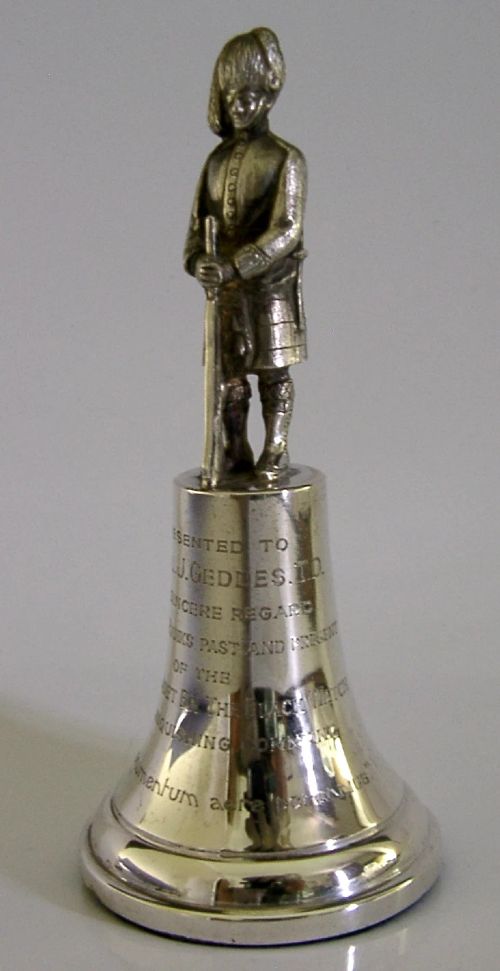
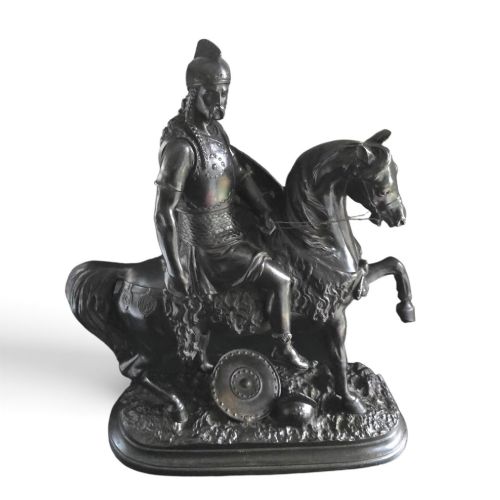
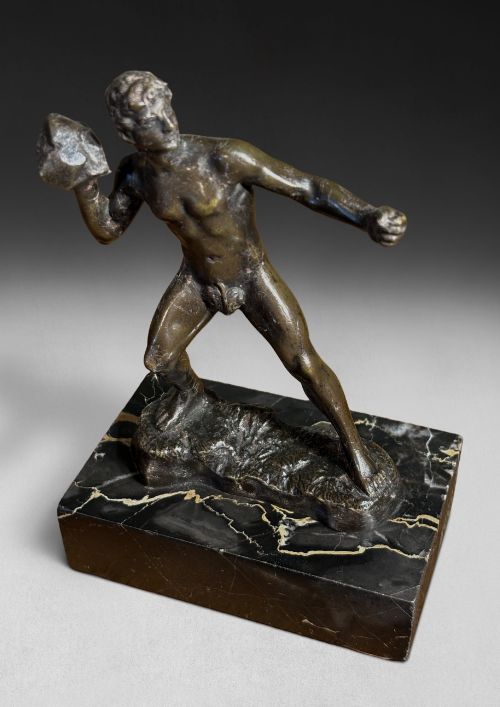
When you search for antique black figures, you enter a diverse world of carved wood, bronze, and stone works spanning multiple centuries.
Antique Black Figures
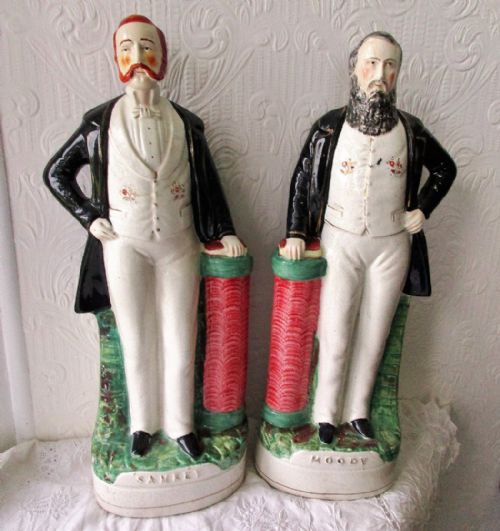
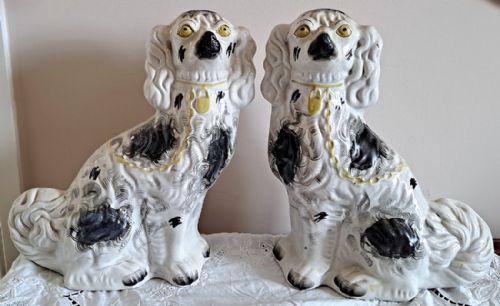
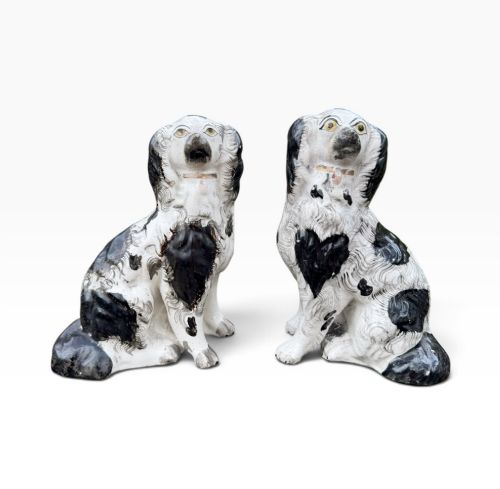
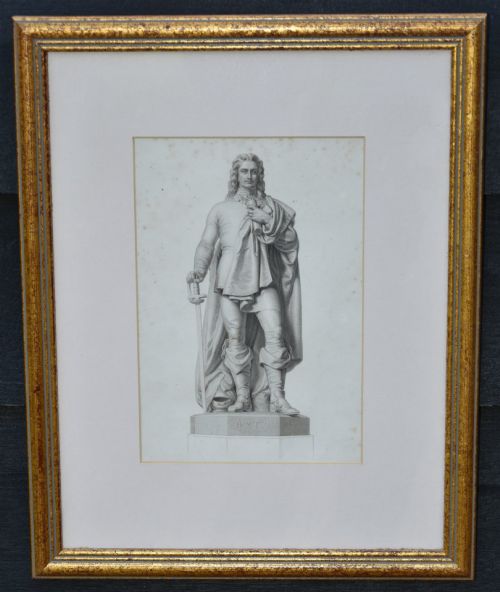
Collectors seeking antique black figures encounter a wide assortment of sculptures, bookends, and decorative objects drawn from various periods such as the nineteenth century and the Art Deco era.
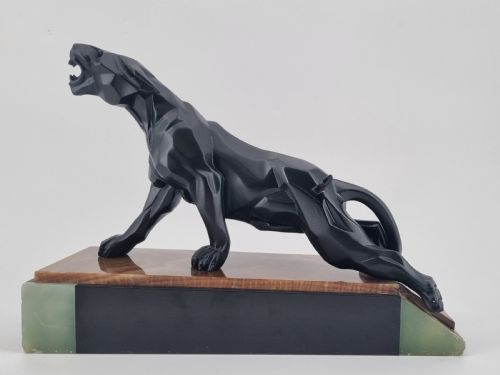
Many items utilise contrasting dark materials or patinated metals to accentuate the physical presence and sculptural silhouette of human or animal forms.
How they were made
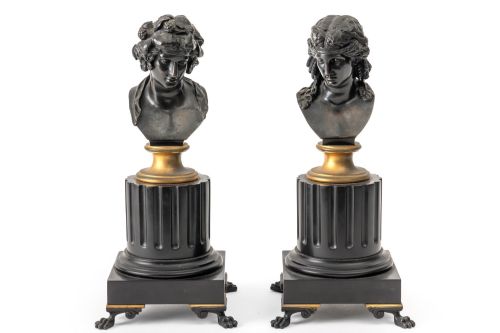
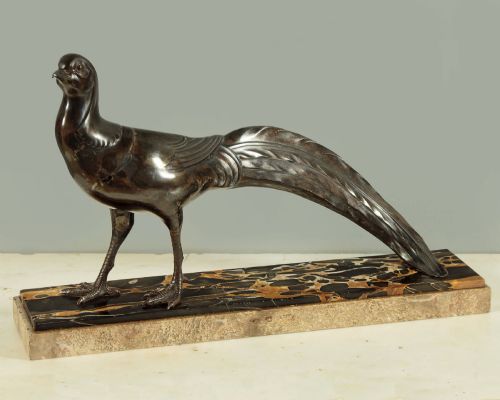
Makers utilised traditional casting methods for metallic pieces, applying rich patinas to bronze or spelter to achieve deep, dark tones.
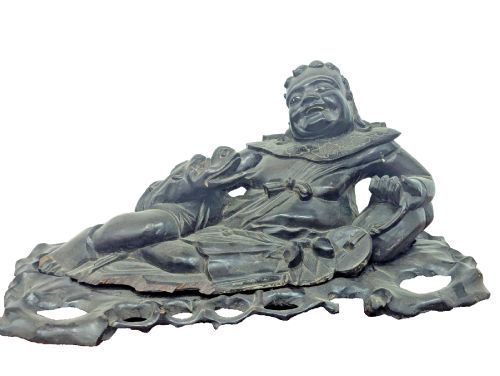
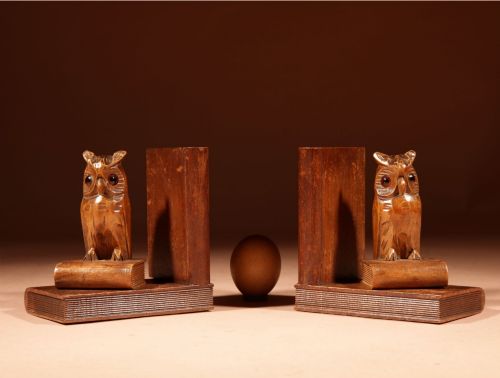
Carved wooden works rely on skilled hand-chiselling in materials such as linden wood, walnut, and hardwoods, often mounted on contrasting marble or stone bases.
Antique Black Figures Retail Price Guide 2026
Typical asking prices for black figures among the pieces listed under this phrase on Sellingantiques today, from the lower quarter to the upper quarter. They describe what is for sale here now, not the wider market.
Listings span from the seventeenth century through the Victorian period and into Art Deco creations of the 1920s and 1930s.
What varies in quality
The finesse of the hand-carving or the precision of the bronze casting dictates the distinction between standard decorative items and exceptional collector pieces.
Quality also depends on the integrity of the original patination and the harmony between the sculptural figure and its fitted marble or wooden base.
Studio M. Canals·Lavroff·Jean de Roncourt·Maurice Giraud-Rivière·Pierre Collinet·Ferdinand Barbedienne·Bruno Zach·J Huggler·P Granet·Demetre Chiparus
The Antique Black Figures Glossary
- Spelter
- A zinc alloy commonly utilised as a substitute for bronze in figural sculptures during the nineteenth and early twentieth centuries. It accepts metallic paints and patinas readily.
- Grand Tour
- A cultural journey undertaken by wealthy young Europeans visiting historical sites, resulting in the acquisition of small-scale bronze and marble souvenirs. These reproductions often depicted classical antiquities.
- Black Forest
- A style of wood carving originating from the mountainous region of Germany and Switzerland, renowned for intricate depictions of animals and human figures in linden wood or walnut.
- Cold Painted
- A technique where bronze or metal figures are decorated with non-fired paint layers, requiring careful preservation to maintain the original colour.
- Patina
- The surface sheen and coloration developed on bronze, wood, or stone over time through age and handling, or applied deliberately during creation.
Antique Black Figures: Frequently Asked Questions
What materials are common in these figures?
Listings primarily incorporate carved wood, such as linden wood and walnut, alongside cast bronze, spelter, and marble bases.
Some pieces also feature painted details or bone elements to enhance the visual texture.
How do I identify a Grand Tour bronze?
Grand Tour bronzes typically replicate classical statues and architectural elements acquired by travellers during European journeys in the nineteenth century.
They are frequently mounted on marble or fossil stone plinths reflecting archaeological discoveries.
What is Black Forest carving?
Black Forest carving refers to detailed wooden sculptures, animals, and bookends produced in Switzerland and Germany during the nineteenth and early twentieth centuries.
These items are celebrated for their naturalistic depiction of wildlife and rustic subjects.
How should I care for bronze sculptures?
Maintain bronze figures by dusting gently with a soft cloth and avoiding harsh chemical cleaning agents that might strip the original patina.
Keep them away from excessive moisture and direct sunlight to preserve the surface finish.