



Antique Biscuit Container
An antique biscuit container sits on the parlour table to hold sweet treats, combining utility with decorative charm.
Antique Biscuit Container
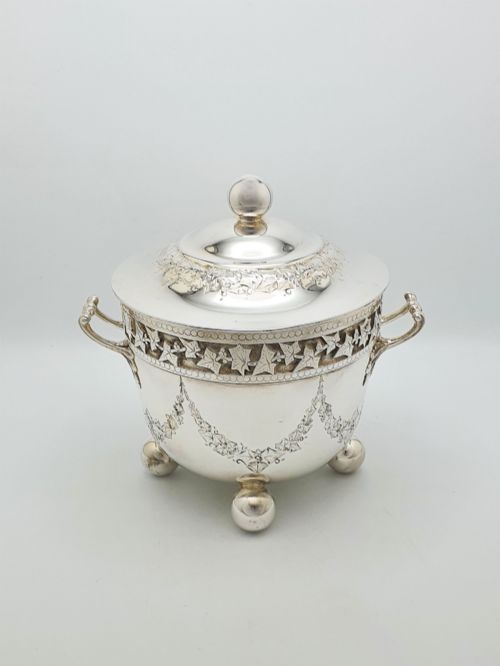
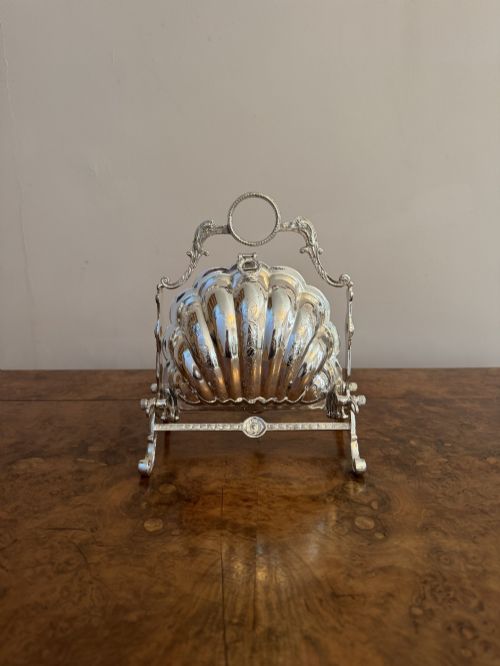
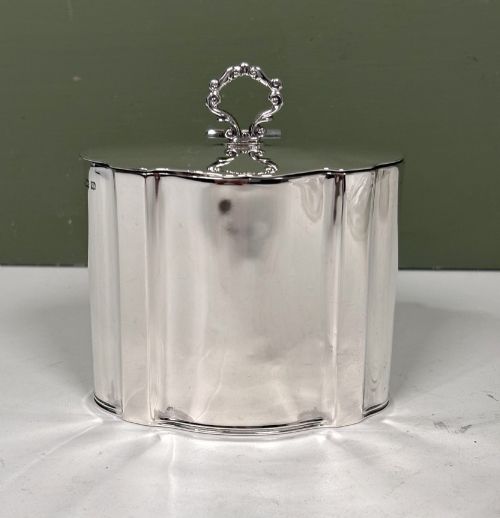
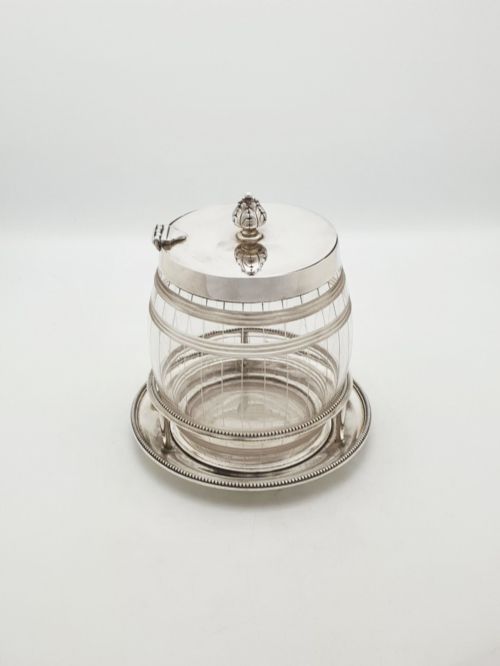
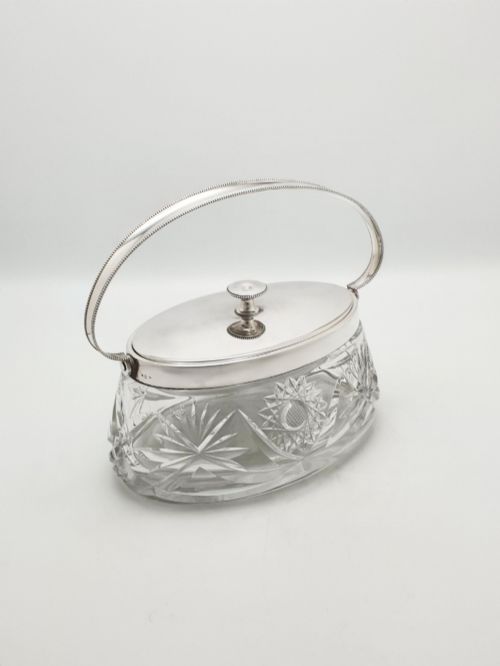
An antique biscuit container serves as a formal vessel for the dining table, taking shapes that range from cylindrical barrels and lidded boxes to novelty forms like weights, books, and satchels. These pieces originate across the Victorian, Edwardian, and George V periods, reflecting the high status of biscuits in domestic life.
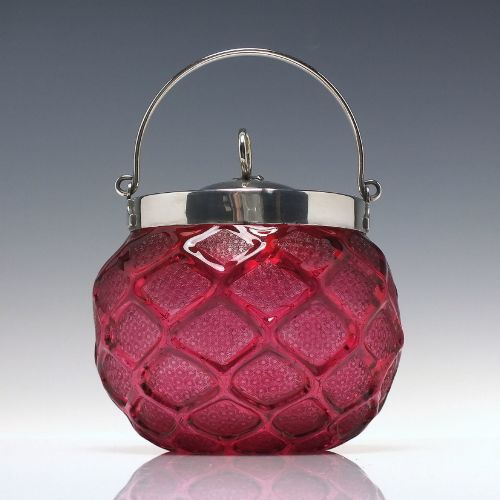
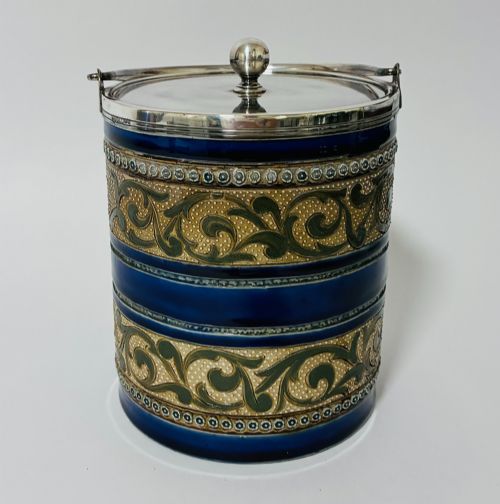
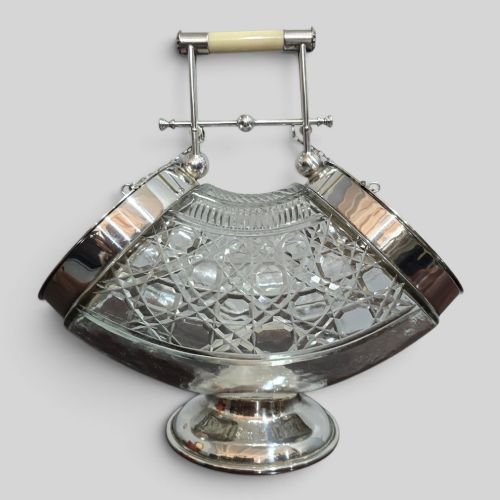
The most common version on this page is the silver plated and cut glass biscuit barrel, often mounted with a swing handle and a hinged lid. Ceramic examples also appear frequently, including stoneware bodies from Doulton Lambeth and classical Jasperware from Wedgwood.
Novelty tins and containers form another distinct group, featuring decorated tinplate surfaces or novelty shapes such as tractors and hat boxes. These items showcase the commercial packaging and novelty designs popular in the early twentieth century.
Materials and Craftsmanship
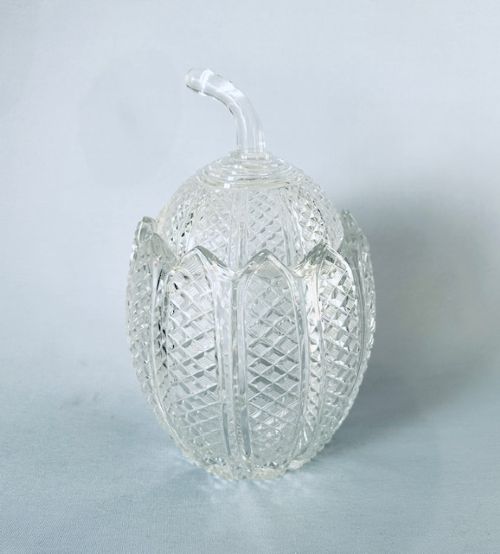
Makers combined heavy cut glass and pressed cranberry glass with silver plated or sterling silver mounts, creating contrast between the sparkling body and the reflective metal lid and collar. Stoneware and ceramic vessels utilised moulded details, flow blue transfer printing, or applied jasper reliefs.
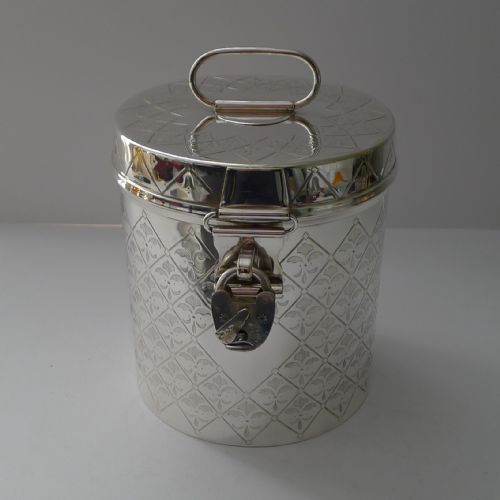
Metalwork involved silver plating over base metals or working in solid sterling silver, alongside enamelling and gold leaf decoration on tinplate and glass. Structural hardware included locking mechanisms, swing handles, and detailed cast finials such as heraldic dragons.
Antique Biscuit Container Retail Price Guide 2026
Typical asking prices for biscuit container among the pieces listed under this phrase on Sellingantiques today, from the lower quarter to the upper quarter. They describe what is for sale here now, not the wider market.
The listings span the Victorian, Edwardian, and George V periods, featuring materials from cranberry glass to solid silver.
Distinctions in Quality
Quality rests upon the crispness of the glass cutting, the weight and thickness of the silver plating or solid silver mount, and the precision of the locking mechanisms. Finer examples display deeply faceted hobnail cuts or intricately cast mounts by notable makers.
Mappin and Webb·Elkington·Thomas Bradbury·Huntley and Palmers·Wedgwood·William Crawfords and Son Ltd·Peek Frean and Co·James Dixon and Sons
The Antique Biscuit Container Glossary
- Jasperware
- A type of stoneware developed by Wedgwood, characterised by a matte unglazed coloured body with contrasting raised white neoclassical reliefs.
- Silver Plate
- A layer of silver fused to a base metal foundation, widely utilised in the manufacture of Edwardian and Victorian tablewares.
- Hobnail Cut
- A raised geometric glass cutting pattern resembling the hobnails on stout boots, creating a textured surface that catches the light.
- Finial
- A decorative knob or ornament attached to the top of a lid, frequently cast in shapes such as animals or heraldic motifs.
Antique Biscuit Container: Frequently Asked Questions
What is a biscuit barrel?
A biscuit barrel is a lidded container designed to keep dry baked goods fresh while presenting them elegantly on the dining or tea table.
These vessels became household staples during the Victorian era, evolving from simple storage jars into elaborate centrepieces made of glass, ceramic, and silver.
How were biscuit containers used?
They were placed on the table during afternoon tea or after dinner to offer sweet biscuits to guests and family members.
The hinged lids and locking mechanisms helped keep the contents crisp in damp climates while preventing humidity from softening the biscuits.
How do I clean silver plate?
Silver plated mounts require gentle cleaning with a dedicated silver cloth to remove tarnish without wearing away the thin precious metal layer.
Avoid submerging antique mixed material pieces in water, particularly those with fitted wooden bases or paper linings.
How do I identify a Victorian piece?
Victorian containers often feature heavy cut glass bodies, robust silver plated mounts, and naturalistic or classical ornamentation like dragons and neoclassical motifs.
Many incorporate maker marks and registry lozenges stamped directly onto the metal collars, helping to confirm the date of manufacture.