



Antique Bird Plaque
An antique bird plaque captures avian subjects across diverse materials and international traditions, offering striking wall decoration for the collector.
Antique Bird Plaque
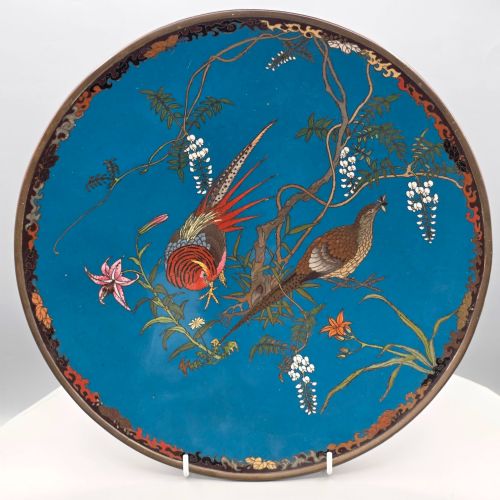
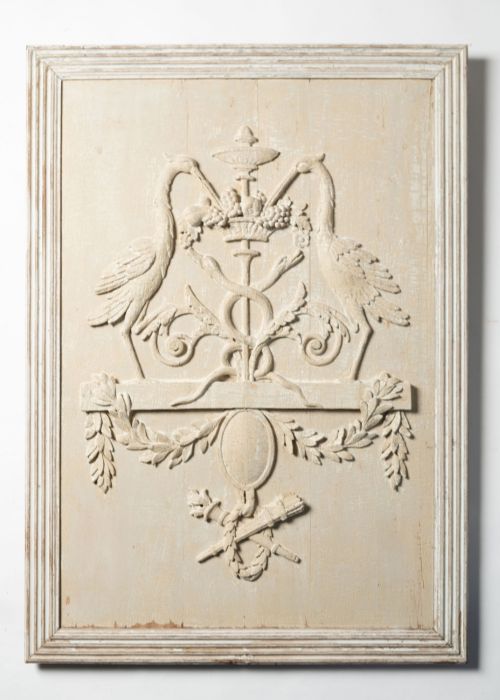
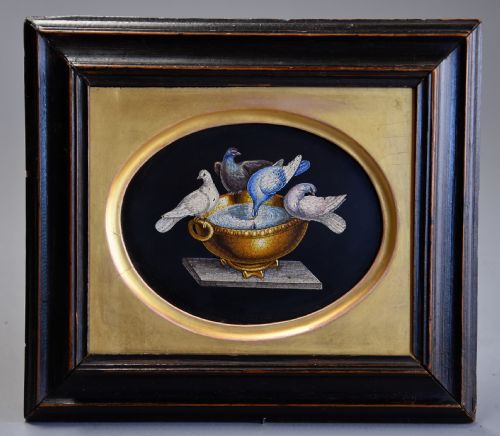
When searching for an antique bird plaque, collectors encounter a diverse selection of wall art, decorative chargers, carved panels, and framed roundels spanning the eighteenth, nineteenth, and early twentieth centuries. These pieces originate from varied global traditions, including Japanese Meiji period cloisonne enamel and porcelain, European Black Forest carved wood, Italian micromosaic and majolica pottery, and Chinese temple panels.
The most common examples on this page are Japanese cloisonne enamel chargers and dishes depicting birds such as ibises, pheasants, and phoenixes, alongside European carved wooden panels and mirrors featuring birds of prey or game. These works manifest in multiple forms, from octagonal trays and large circular platters to framed architectural fragments and heavy copper repousse chargers.
How they were made
Makers utilised a wide range of specialised techniques across different materials, notably cloisonne enamelling on metal bases, hand-painted porcelain, and intricate wood carving in oak, gilt wood, and timber. Black Forest pieces demonstrate deep relief carving of fauna and flora, while Japanese works employ fine wirework for cloisonne alongside lacquer and totai porcelain applications.
Other notable methods include Italian micromosaic tesserae set within ebonised frames, majolica pottery shaping and glazing, and heavy copper repousse work characteristic of the Indian Raj period. These varied crafts rely on skilled manipulation of physical mediums to render detailed plumage and naturalistic avian forms.
Antique Bird Plaque Retail Price Guide 2026
Typical asking prices for bird plaque among the pieces listed under this phrase on Sellingantiques today, from the lower quarter to the upper quarter. They describe what is for sale here now, not the wider market.
Listings feature items from the 18th century, Victorian era, Meiji period, and Qing dynasty, rendered in enamel, brass, copper, wood, and lacquer.
What varies in quality
The standard of execution in an antique bird plaque rests upon the precision of the artisan's hand, whether in the tightness of cloisonne wire cells, the anatomical accuracy of a carved wooden pheasant, or the fine detail of hand-painted feathers on porcelain and pottery. Superior pieces display harmonious composition and confident handling of the material, elevating standard decorative items into masterworks of craftsmanship.
Preservation of the original surface, glaze, or patina heavily influences the character of each piece. Intricate works featuring fragile elements like inlaid mother-of-pearl, delicate micro-mosaic glass, or fine lacquer demand careful survival through the centuries to retain their visual impact.
The Antique Bird Plaque Glossary
- Cloisonne
- Enamelling technique where metal wire forms raised barriers on a base to create compartments filled with coloured paste. This method produces intricate linear patterns common on Japanese chargers.
- Micromosaic
- Detailed decorative art formed by assembling tiny coloured glass tesserae into pictorial scenes. Italian examples often depict famous subjects within protective frames.
- Repousse
- Metalworking technique where a design is hammered into relief from the reverse side. Indian Raj period chargers frequently employ this method for textured decoration.
- Totai
- Japanese porcelain technique where thin ceramic bodies are combined with cloisonne wire and enamel work. It creates a translucent effect when held to the light.
- Meiji Period
- Japanese historical era spanning from 1868 to 1912 noted for the opening of trade and exceptional decorative arts exports. Pieces from this time frequently feature birds and natural motifs.
Antique Bird Plaque: Frequently Asked Questions
What is an antique bird plaque?
An antique bird plaque encompasses decorative wall art, carved wooden panels, ceramic chargers, and metalwork plates featuring avian subjects. These items were produced across Europe and Asia during the nineteenth and early twentieth centuries.
They serve primarily as decorative wall ornaments, utilising materials such as cloisonne enamel, carved oak, porcelain, and copper repousse to depict species ranging from pheasants to mythical phoenixes.
How were these wall plaques displayed?
Many ceramic chargers and metal plaques were fitted with wire mounts or displayed on heavy tables and sideboards using plate stands. Wooden panels and carved mirrors were designed to be hung directly onto interior walls.
Larger chargers, measuring up to fifty centimetres across, often formed central focal points within Victorian and Edwardian reception rooms and galleries.
How do I care for an antique wooden bird carving?
Carved wooden panels and frames require stable indoor humidity away from direct sunlight and heat sources to prevent timber from splitting or warping. Dusting should be performed gently with a dry, soft brush.
Avoiding harsh cleaning products preserves the original patina and wax finishes built up over the centuries on Black Forest and European carvings.
How can I tell the period of a cloisonne bird plaque?
Dating cloisonne enamel relies on examining the base metal, wire thickness, and style of the enamel colours used in the composition. Nineteenth-century Japanese pieces often exhibit specific characteristics associated with the Meiji period and late Edo period.
Comparing the treatment of the bird's plumage and background floral motifs against documented examples helps confirm the likely era of manufacture.