



Antique Bird Box
When you search for an antique bird box, you find miniature mechanical marvels, carved wooden containers, and silver novelty pieces shaped like our feathered friends.
Antique Bird Box
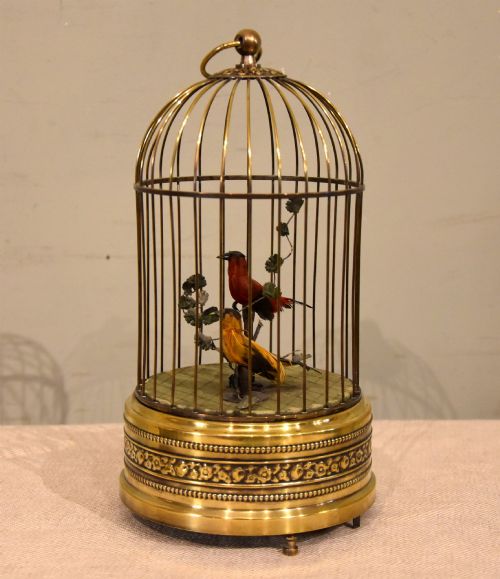
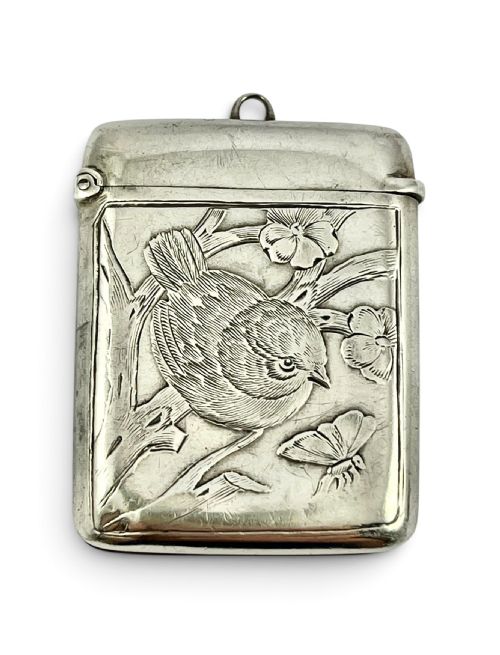
The term antique bird box covers a wonderfully diverse array of containers and objects linked by avian decoration, form, or purpose. You will encounter small silver patch boxes, carved wooden snuff boxes, and intricate musical automata featuring singing birds.
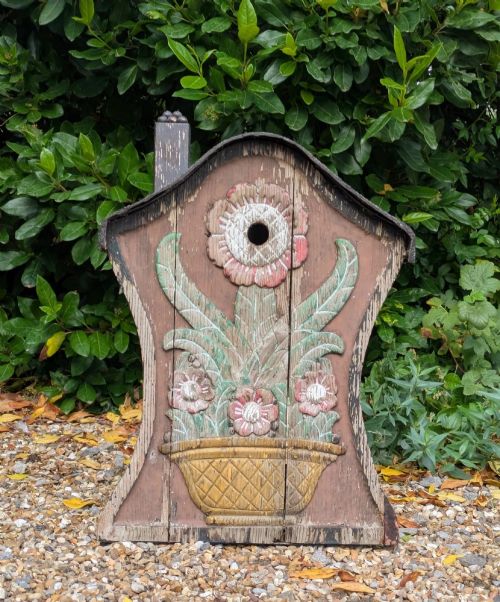
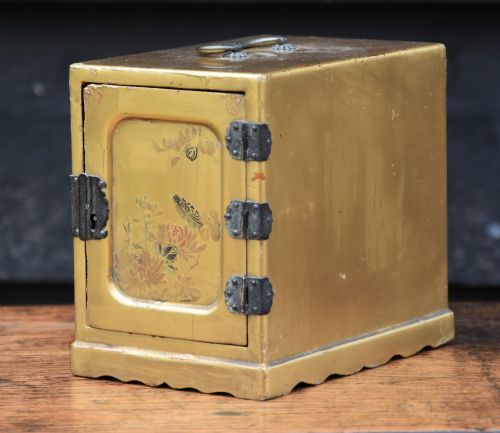
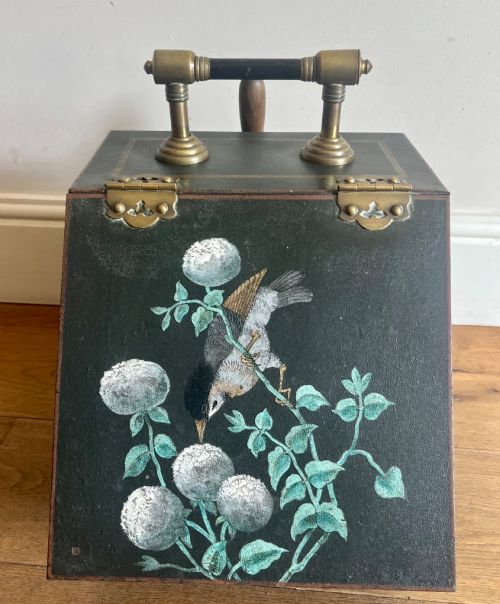
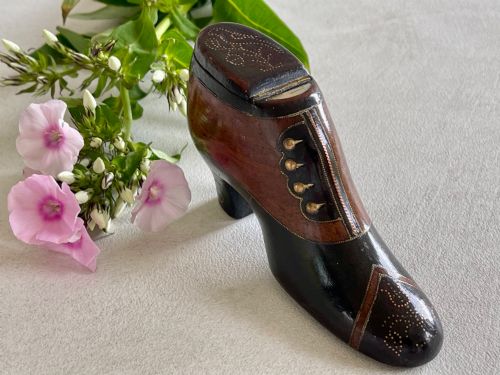
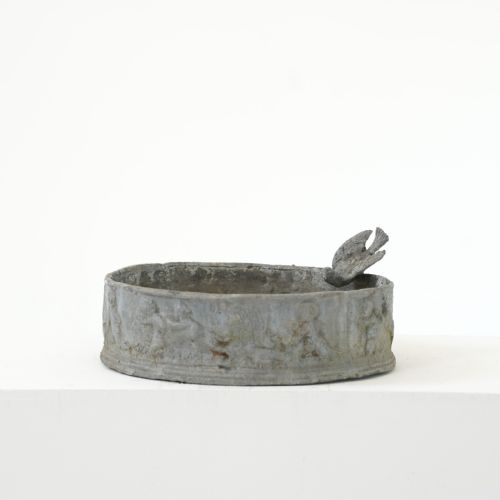
The pieces on this page span the eighteenth, nineteenth, and early twentieth centuries, with Victorian and Edwardian examples appearing most frequently alongside continental European works. Makers utilised various formats, from naturalistic silver bird models with hinged compartments to treen folk art boxes adorned with carved or painted birds.
Materials and Construction
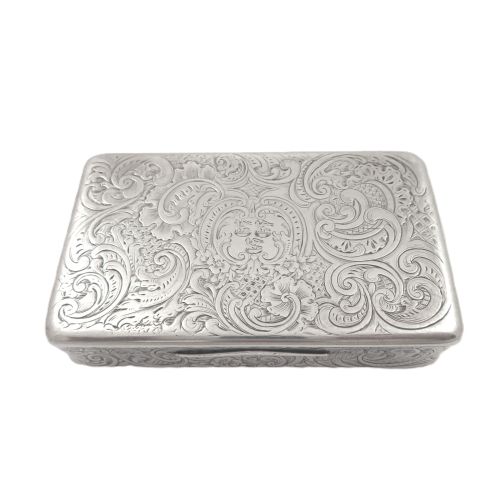
Silver and sterling silver dominate the metalwork, shaped through casting, repoussé, and piercing to depict detailed plumage and naturalistic forms. German and English silversmiths frequently employed enamel to add vibrant colour to wings and tail feathers.
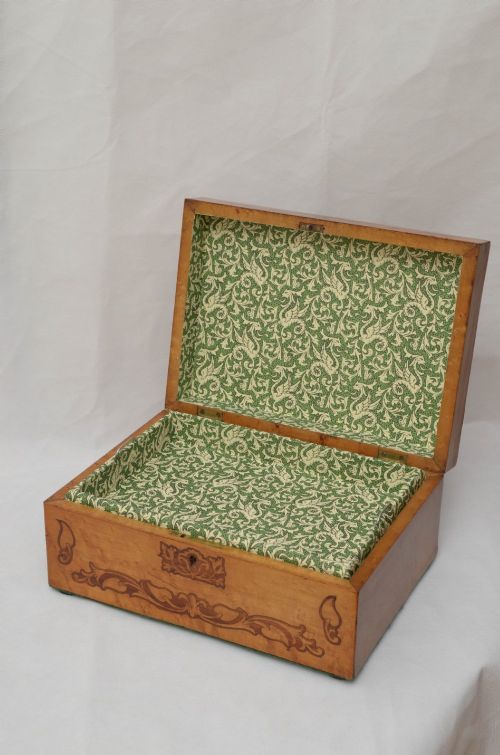
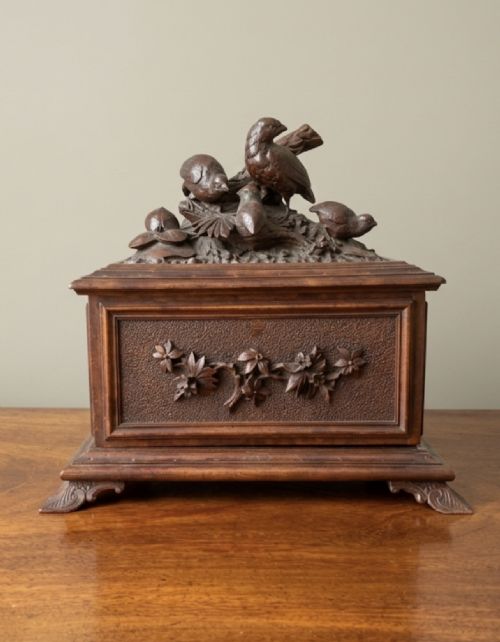
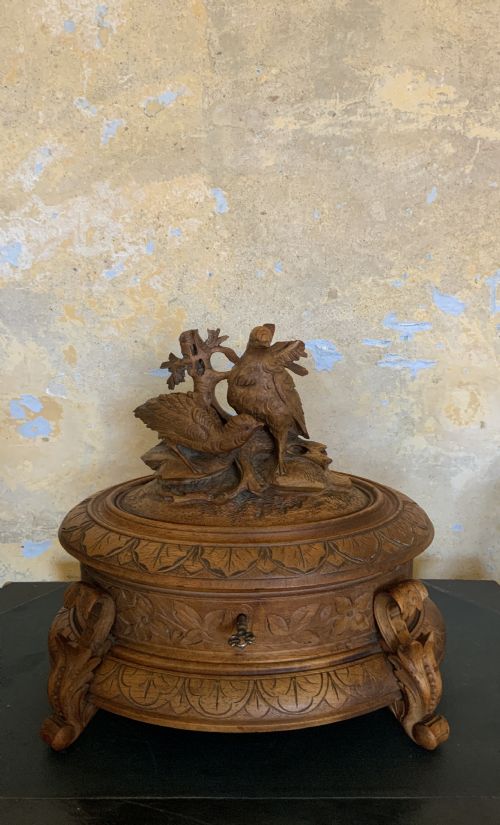
Woodworking traditions appear in carved walnut, boxwood, and fruitwood, particularly within Black Forest caskets and Swedish folk art pieces. Artisans also utilised bird's-eye maple and tulipwood veneers to build refined jewellery and sewing boxes decorated with inlaid motifs.
Mechanical singing bird boxes rely on complex internal clockwork movements of brass and steel to animate feathered figures through miniature bellows and sliding levers.
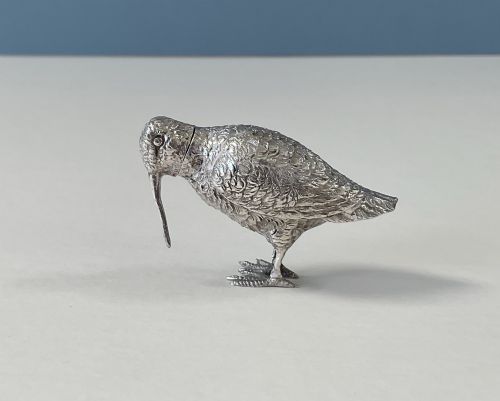
Several boxes take the form of remarkably rotund partridges, snipes, and woodcocks with secret hinged compartments hidden beneath their silver tail feathers.
Assessing Quality and Craftsmanship
The distinction between ordinary and exceptional pieces lies in the crispness of the modelling and the depth of hand-chased detail on silver feathers or carved wood. Superior items display anatomical accuracy and lifelike posture rather than stiff, generic rendering.
In mechanical examples, the smoothness of the bird's movement, the clarity of the musical or chirping tone, and the precision of the mechanical casing govern the overall excellence of the piece.
The integrity of the materials, such as the richness of the wood grain in a burr maple box or the preservation of original polychrome enamel, elevates the standing of a container within its category.
Karl Griesbaum·William Comyns·Boaz Moses
The Antique Bird Box Glossary
- Treen
- Small handmade wooden household objects. These items showcase domestic craftsmanship in materials like boxwood and fruitwood.
- Repoussé
- A metalworking technique where a design is hammered into relief from the reverse side. Silversmiths used this method to create textured bird plumage.
- Automaton
- A self-operating machine designed to follow a predetermined motion. In this context, it refers to mechanical singing birds housed inside decorative metal or wooden boxes.
- Snuff box
- A small hinged container used for holding powdered tobacco. Many antique examples take the form of birds or feature avian scenes on the lid.
- Black Forest
- A style of wood carving originating from the mountain region of Germany. These items are characterised by deeply carved walnut depicting animals and natural elements.
Antique Bird Box: Frequently Asked Questions
How do mechanical bird boxes work?
These pieces operate using miniature spring-driven clockwork mechanisms hidden beneath the floor of the box. When activated, a series of cams and levers drive tiny bellows to push air through a whistle while the feathered figure moves its beak and turns.
Most mechanisms require a small key to wind the spring before sliding a tiny lever to release the brake and start the performance.
What were small silver bird boxes used for?
Pocket-sized silver containers served practical daily functions for storing snuff, patches, or small pills. Victorian dressing table boxes were instead designed to hold pins, rings, or trinkets.
Novelty bird models with hinged backs or wings functioned as desk accessories or cabinet curiosities, reflecting the Victorian taste for natural history decoration.
How do I date an antique silver bird box?
English silver pieces carry hallmarks stamped directly onto the metal, which indicate the assay office, the specific year of manufacture, and the silversmith's mark. Researching these stamps provides a precise date of production.
Continental silver and unmarked wooden treen pieces must be dated through stylistic clues, construction methods, and the specific design trends of periods like the Edwardian era or the nineteenth century.
How should I care for an antique wooden box?
Wooden and treen boxes require stable indoor humidity away from direct heat sources and strong sunlight to prevent the wood or veneer from warping and cracking. Dust them gently with a dry, soft cloth rather than applying modern liquid polishes.
For boxes with inlaid elements or delicate carvings, minimal handling preserves the aged patina and prevents oils from transferring onto the exposed surfaces.