
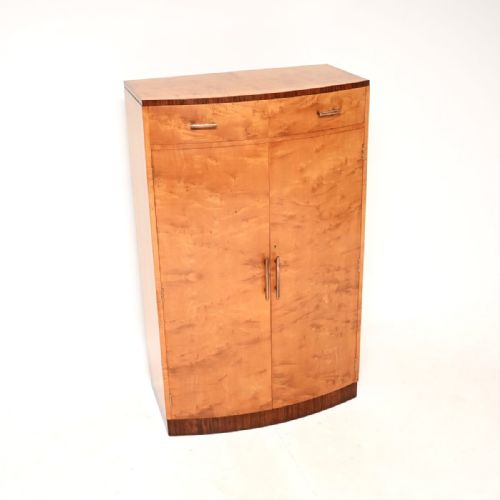


Antique Birch Cupboard
An antique birch cupboard brings pale, figured timber and practical storage to a room.
Antique Birch Cupboard
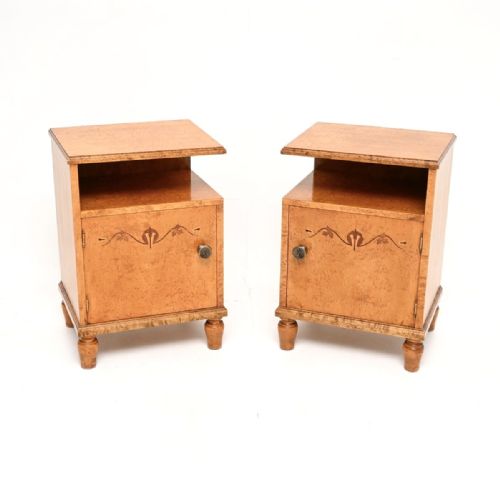
An antique birch cupboard spans Victorian, William IV, and Art Deco periods, alongside 19th-century Scandinavian pieces. Buyers searching for an antique birch cupboard will encounter bedside cabinets, large wardrobes, linen presses, and buffet sideboards.
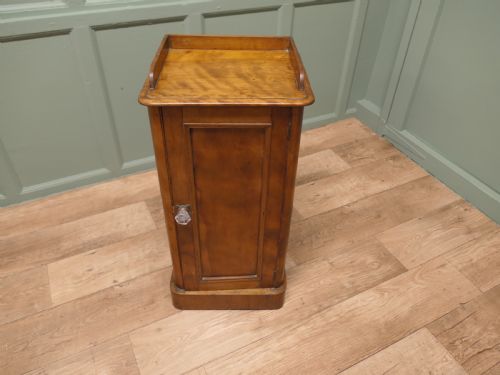
The nineteenth-century Swedish examples are especially common, often featuring fitted interiors and rich grain patterns. English Victorian pieces range from small pot cupboards to extensive bedroom suites.
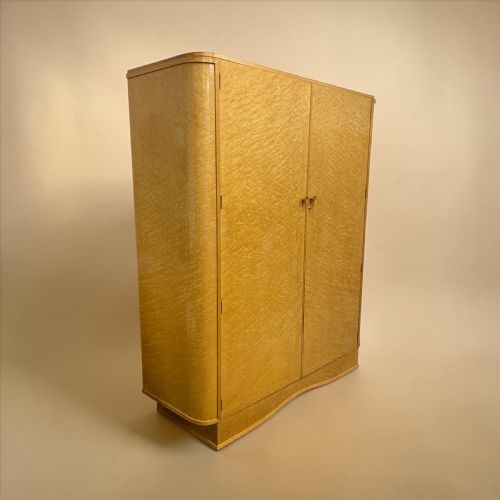
Art Deco iterations from nineteen thirty introduce streamlined forms utilising satin birch alongside contrasting timbers like walnut. Smaller bedside tables and compactum wardrobes dominate the modern selection.
Materials and construction
Cabinet makers employed solid birch and satin birch veneers over secondary timbers such as pine. Brass hardware, marble tops, and ebonised wood details provide contrast to the pale timber.
Construction techniques combine traditional joinery with veneering methods that highlight the natural figure of the wood. Surfaces receive polished finishes to protect the grain and accentuate the colour variations.
Chamber pots found their match in the modest nineteenth-century pot cupboard.
Judging the work
Quality rests on the selection of figured veneer and the crispness of decorative mouldings. Superior pieces display book-matched grain patterns and well-fitted doors that hang true.
Internal secondary woods and original brass fittings indicate the standard of production. Finer examples retain their original marble surfaces and untouched polished finishes.
Holland & Sons·Maple & Co
The Antique Birch Cupboard Glossary
- Satin birch
- A timber variety displaying a natural chatoyant shimmer resembling satin. It forms the primary visible surface on many nineteenth-century Scandinavian and English pieces.
- Compactum wardrobe
- A fitted multi-section wardrobe combining hanging space, drawers, and shelving. This form appears frequently in Art Deco pieces.
- Linen press
- A tall cupboard featuring sliding trays or shelves enclosed by upper doors, resting on a base of drawers. These items provide substantial bedroom storage.
- Pot cupboard
- A small bedside cabinet designed originally to house a chamber pot. They stand on short legs with a single door enclosing a shelf.
- Buffet sideboard
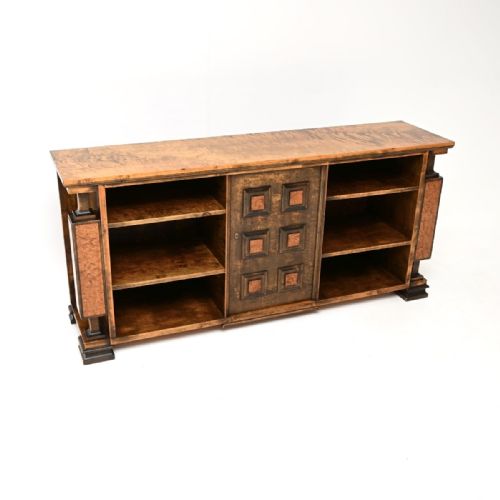
- A low dining room serving piece with enclosed storage below. Swedish examples from the mid nineteenth century utilise striking birch veneers for this form.
Antique Birch Cupboard: Frequently Asked Questions
How do I clean satin birch?
Dust surfaces regularly with a dry, soft cloth to prevent particle accumulation. Avoid modern silicone polishes which can damage historic finishes.
Apply a traditional beeswax sparingly when the timber appears dry, buffing gently to restore the soft sheen. Keep these cabinets away from direct heat sources and strong sunlight.
Are these cupboards suitable for modern bedrooms?
The pale tone of birch suits contemporary interiors while offering concealed storage for clothing and everyday items. Compact bedside versions fit small spaces easily.
Larger wardrobes and linen presses require careful measurement of ceiling heights and stairwells prior to placement. Their internal configurations accommodate modern hanging rails and folded garments.
What is the difference between Swedish and English pieces?
Swedish items from the nineteenth century frequently exhibit clean lines and blonde satin birch finishes. They often include fitted internal compartments and buffet forms.
English Victorian pieces tend toward darker accents, ebonised details, and robust architectural proportions. Both traditions utilise high-grade veneers over sturdy internal carcases.
How do I identify Art Deco birch furniture?
Art Deco pieces from nineteen thirty rely on geometric forms and contrasting veneers like walnut paired with birch. They omit traditional carved ornamentation in favour of sleek surfaces.
Hardware is often streamlined and integrated into the design of the doors. These wardrobes and tables reflect a distinct shift toward modernism.