



Antique Bentwood Seating
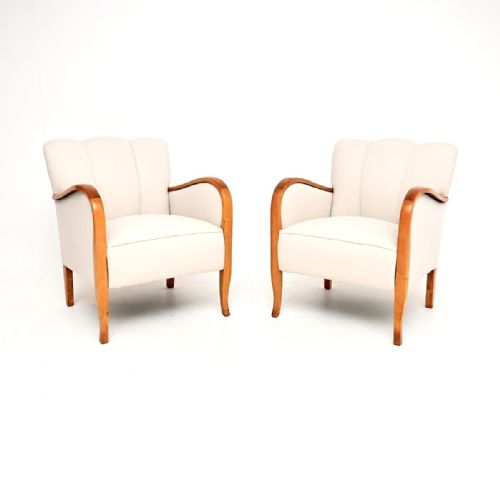
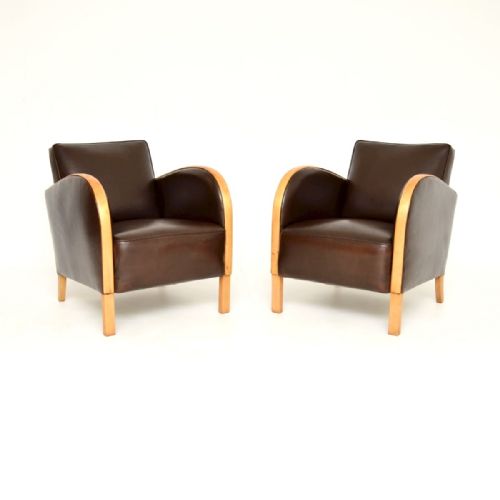
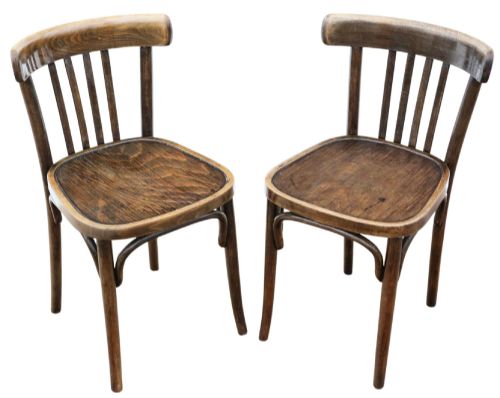
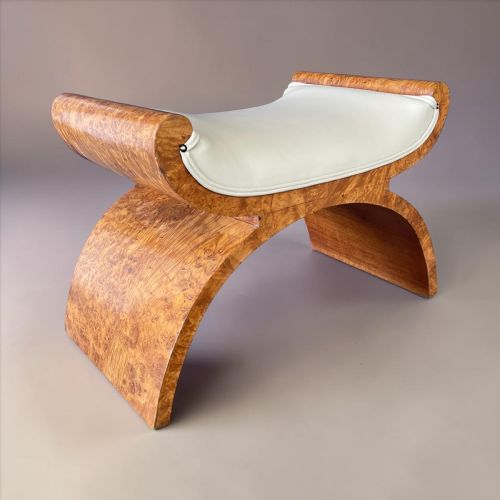
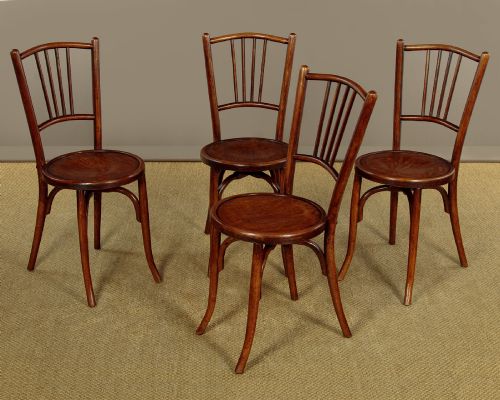
Antique bentwood seating brings organic curves and enduring utility into a room, offering classic cafe forms and robust domestic seating.
Antique Bentwood Seating
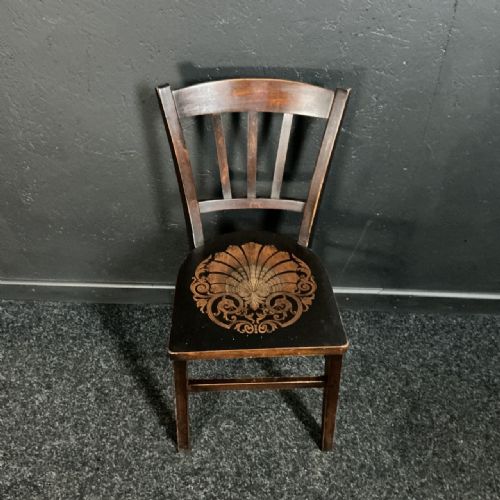
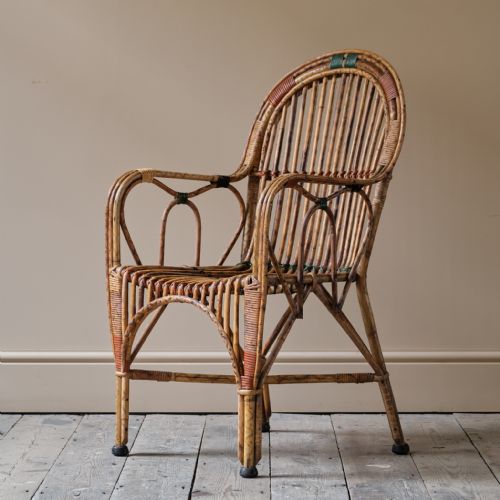
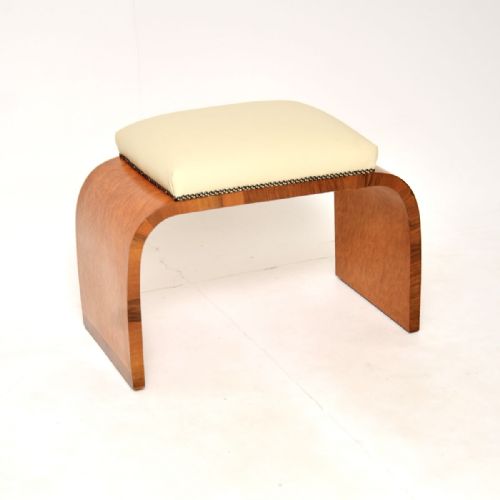
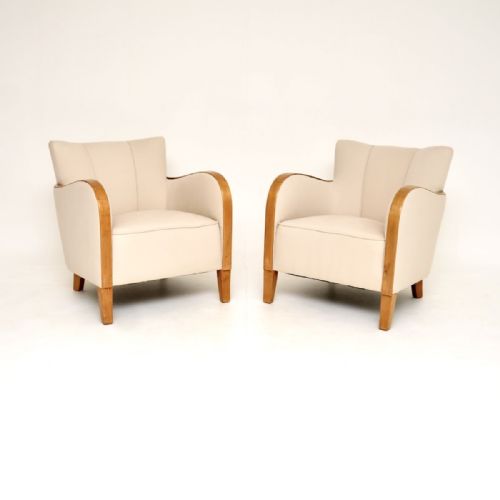
When you search for antique bentwood seating, you encounter a distinct discipline of steam-formed furniture designed for strength and lightness. The selection centres heavily on dining chairs, armchairs, and stools originating from the nineteenth century through the mid-century decades.
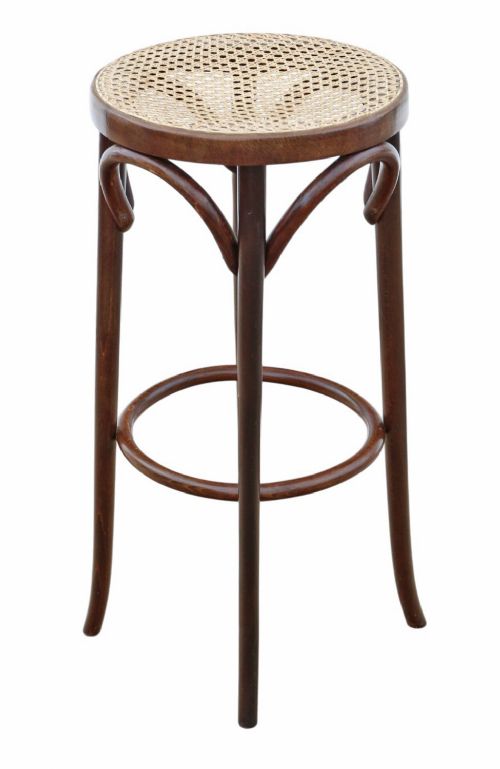
You are most likely to meet bistro dining chairs and armchairs shaped from beech and beechwood, often featuring woven cane or rattan seats. These pieces range from simple domestic seating to matched sets suited for contemporary dining spaces.
How they were made
The method relies on exposing solid timber, primarily beech, to steam until it becomes pliable enough to bend into continuous curves within iron forms. Once dried, these members retain their tension and shape, allowing makers to construct resilient frames with minimal joints.
Surfaces are often left natural or finished with subtle polishing to highlight the grain of the bentwood, while seats incorporate woven cane, rattan, plywood, or stitched leather upholstery secured to the wooden chassis.
The site listings feature bentwood forms spanning from the nineteenth century through the Edwardian period, 1910, 1920, 1930, 1940, and 1960.
What varies in quality
Distinctions in quality often rest on the crispness of the steam-bent radius and the integrity of the original wooden frame. Examples with smooth, uniform curves and tight joinery demonstrate superior manufacturing standards.
The refinement of secondary materials, such as finely figured satin birch, birds eye maple, or carefully hand-woven cane inserts, separates standard commercial output from exceptional workshop productions.
Thonet·Harry and Lou Epstein·Codina·Heals·Baumann·J and J Kohn·Fred Walker Rockley
The Antique Bentwood Seating Glossary
- Bentwood
- Wood that has been shaped by heating and steaming it until pliable. This technique allows for the creation of flowing, continuous structural curves without traditional heavy joinery.
- Cane
- Material woven from the peeled bark of rattan palms, commonly utilised for lightweight, flexible seating inserts. It provides a resilient and breathable surface.
- Bistro chair
- A lightweight dining chair designed for commercial hospitality spaces, typically characterised by a rounded backrest and a circular seat. These forms became staples of European café culture.
- Plywood
- Manufactured wood made from thin sheets of wood veneer glued together. It offers dimensional stability and strength in seat bases and panels.
- Salon suite
- A matched set of seating furniture intended for formal reception rooms. These arrangements often include coordinating armchairs and settees.
Antique Bentwood Seating: Frequently Asked Questions
How do I clean cane seats?
Wipe the cane gently with a damp sponge using mild soap and water to remove accumulated dust. Avoid soaking the material, as excess moisture weakens the natural fibres.
Allow the seat to dry completely in a well-ventilated space before sitting on it. Applying a light coat of boiled linseed oil occasionally helps keep the rattan supple.
Are these chairs sturdy enough?
The steam-bending process creates inherent spring and resilience within the solid beech frame. These pieces were engineered for demanding commercial cafe environments and remain remarkably durable.
Periodic checking of the screw fixings and glue joints ensures the structure stays solid. They handle everyday domestic use with ease when properly maintained.
How do I date bentwood furniture?
Look for paper labels, impressed maker's stamps, or branded signatures underneath the seat base. Early production pieces often display distinct under-seat branding and simpler construction details.
Design styles, hardware types, and the presence of plywood versus solid wood panels also help narrow down the decade of manufacture. Comparing the form to documented catalogue archives confirms the era.
Can I reupholster leather seats?
Leather seat pads on armchairs and stools can be recovered using traditional padding methods that respect the original profile. Choose leather weights and colours appropriate to the period of the piece.
Professional upholsterers ensure the edge tacks or piping match historical precedents. This preserves both the aesthetic balance and the integrity of the wooden rim.