



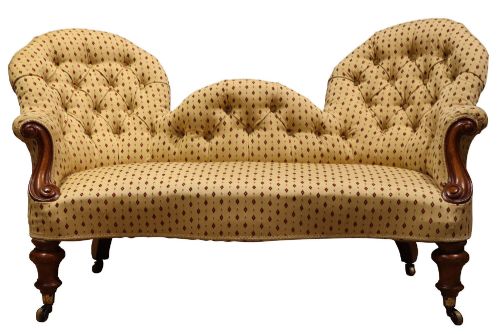
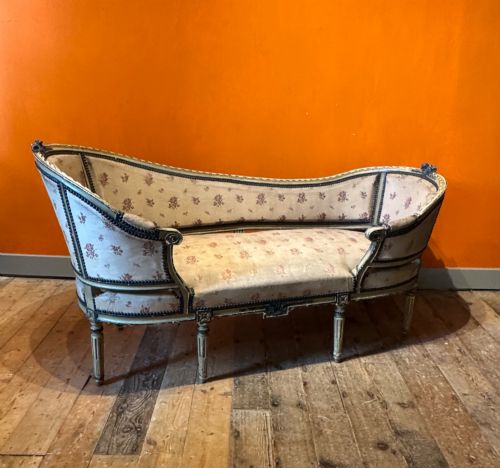
Antique Bench
An antique bench brings architectural presence to a hallway or garden through centuries of regional joinery and metalwork.
Antique Bench
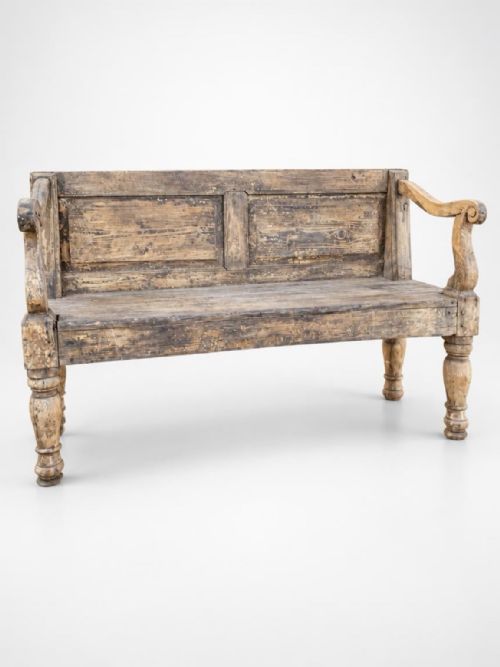
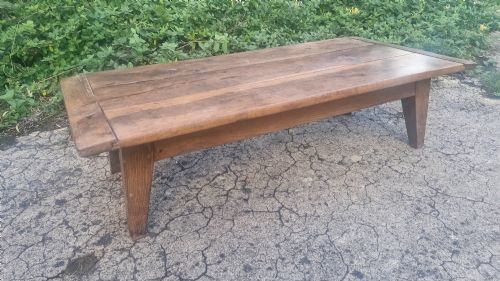
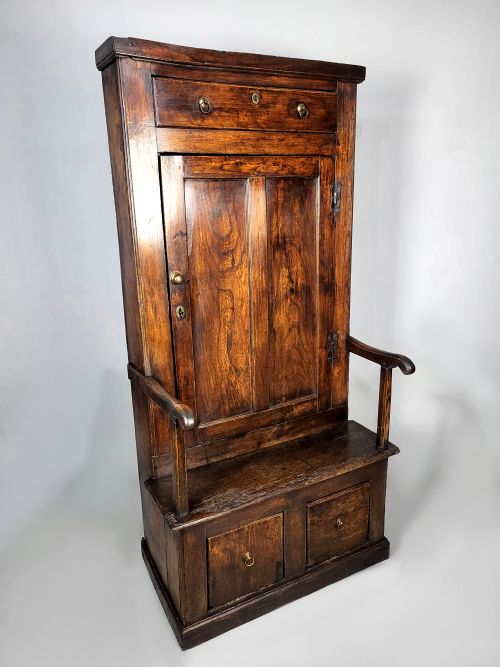
When searching for an antique bench, a buyer encounters forms ranging from 18th-century oak pub settles to heavy cast iron garden seats and carved hallway furniture. The majority of pieces appearing here trace back to the 19th century, drawing on Victorian, Regency, and Arts and Crafts traditions of domestic and outdoor seating.
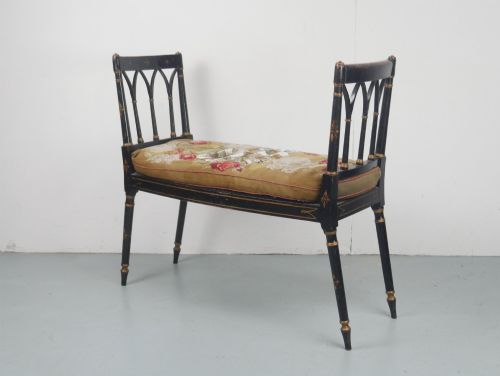
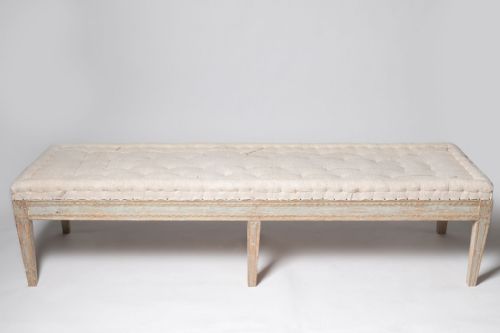
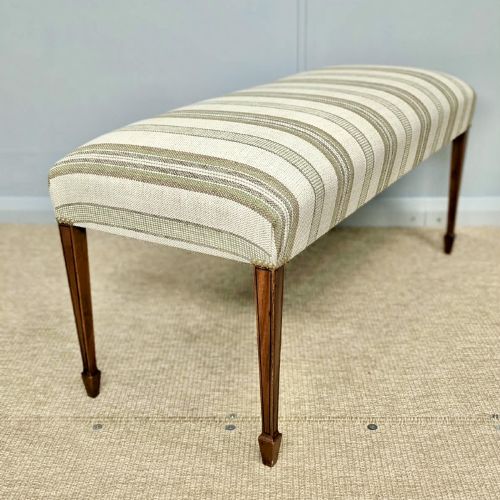
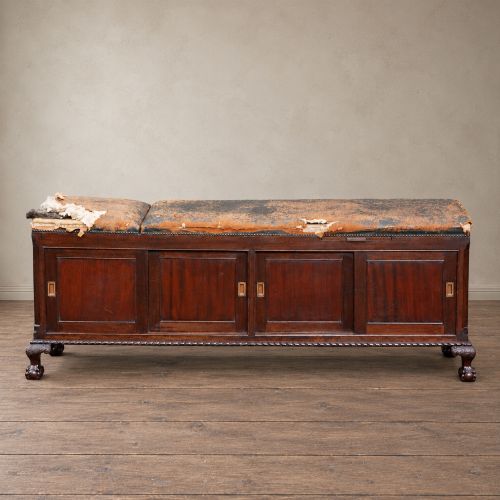
Domestic examples include high-backed wooden settles with board seats designed to block draughts in older rooms, alongside upholstered mahogany duet piano stools and long window seats. Exterior seating takes the form of cast iron garden benches built to withstand the elements.
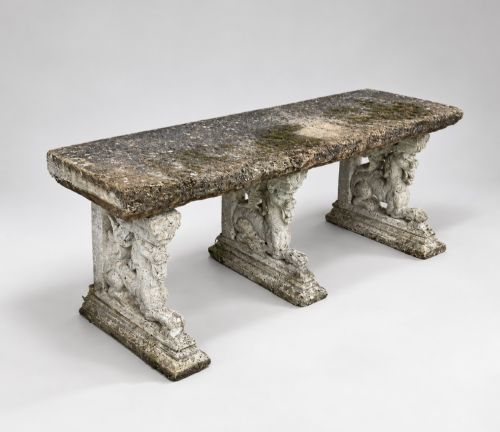
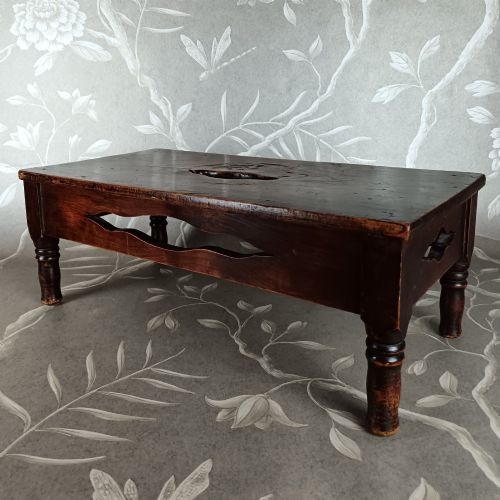
Regional variations span British oak and pine vernacular pieces, French provincial dining benches, and imported Syrian hardwood designs featuring mother-of-pearl inlay. Alongside traditional benches, related seating formats such as footstools, luggage racks, and conversation seats appear frequently.
Materials and Construction
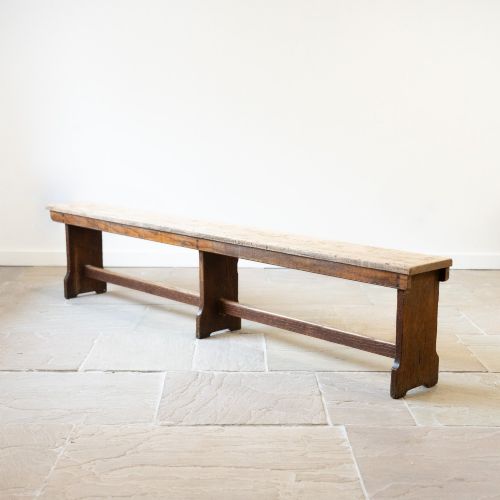
Makers relied primarily on native timbers such as oak, mahogany, walnut, and pine, shaping them with traditional joinery like pegged mortise and tenon joints in early settles. Exotic hardwoods including satin birch and rosewood appear in finer 19th-century pieces, while cast iron served for robust garden seating.
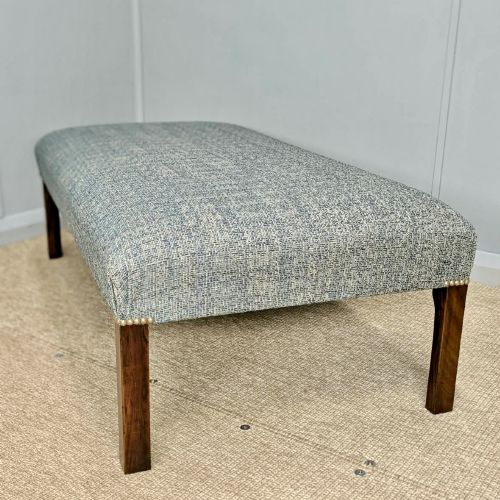
Surface treatments range from waxed and polished natural wood grain to painted pine, white paint finishes on neoclassical frames, and intricate mother-of-pearl inlay. Upholstered versions utilise materials like leather, fabric, and crewelwork supported by buttoning or webbing.
Antique Bench Retail Price Guide 2026
Typical asking prices for bench among the pieces listed under this phrase on Sellingantiques today, from the lower quarter to the upper quarter. They describe what is for sale here now, not the wider market.
Materials range from native oak and mahogany to imported satin birch, rosewood, and Syrian mother-of-pearl inlay.
Defining Quality in Seating
Quality rests on the integrity of the timber and the depth of carving, seen in the crisp execution of oak poppy head finials or Black Forest bear motifs. Superior pieces retain original structural elements like solid board seats and authentic hardware rather than replaced components.
The sophistication of decorative details sets apart finer examples, such as precise geometric inlays in Arts and Crafts oak or elaborate Damascus mother-of-pearl work on Syrian hardwood. Upholstered variants depend on the retention of period textiles and supportive internal padding.
James Shoolbred·Liberty·Brown & Lamont·Jack Grimble
The Antique Bench Glossary
- Settle
- A wooden bench with a high back, solid arms, and often a storage compartment beneath the seat, originally designed to keep out household draughts. These pieces formed the backbone of domestic and tavern seating for centuries.
- Duet stool
- An elongated piano stool designed to seat two players side by side, frequently featuring hinged upholstered lids concealing sheet music storage. Regency and Victorian examples often utilise mahogany or satin birch.
- Black Forest
- A style of carved wooden furniture originating in Switzerland and Germany during the 19th century, characterised by realistic animal figures such as bears integrated into the structure. These pieces combine sculptural presence with functional seating.
- Finial
- A decorative carved ornament terminating the top of a post or arm, often seen on the uprights of early oak settles and chairs. They provide a sculptural flourish to otherwise utilitarian joinery.
- Crewelwork
- Embroidery executed with wool yarn on a plain-weave foundation fabric, commonly found on Victorian fireside footstools and carriage stools. This textile technique introduces distinct texture and colour to antique upholstery.
Antique Bench: Frequently Asked Questions
Where should I place an antique settle?
An antique settle suits entrance hallways or large reception rooms where its high back and solid wooden construction can anchor the space. They function well against blank walls, offering both a place to sit and a sense of architectural enclosure.
Because many feature enclosed bases or lift-up seats, they also provide discreet storage for household items. Position them away from direct heat sources to protect the aged timber and historic board seats.
How do I care for cast iron garden benches?
Cast iron garden benches require monitoring for surface oxidation and weathering if kept outdoors year-round. Regular cleaning with mild soap and water removes dirt, while appropriate protective coatings prevent rust.
During severe winter months, storing them under cover or in a shed preserves the metal frame and any wooden slats. Avoid harsh chemical cleaners that might strip historic painted surfaces.
Can I use a piano stool as a dressing table seat?
A Victorian duet piano stool or mahogany window seat provides suitable height and proportion for most dressing tables. Their padded upholstered tops offer comfortable seating for daily use.
Many of these stools also feature internal storage compartments beneath the hinged seat, ideal for small personal items. Ensure the dimensions match the clearance height of your specific table.