
Antique Bedside Storage Chest
An antique bedside storage chest offers compact surface space and concealed drawers to keep your bedroom tidy.
Antique Bedside Storage Chest
An antique bedside storage chest provides practical surface space alongside a sleeping area while keeping personal items tucked away out of sight. When you search for an antique bedside storage chest, you encounter a variety of compact forms designed for domestic use.
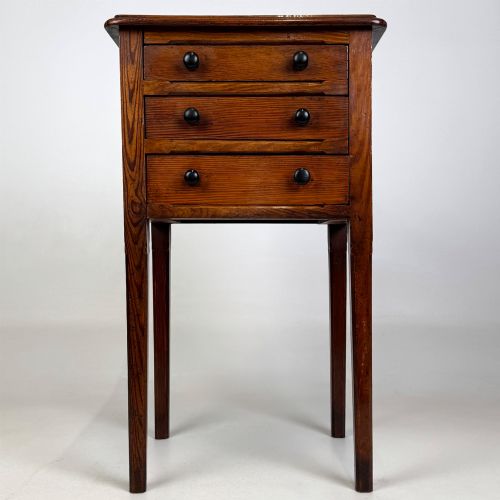
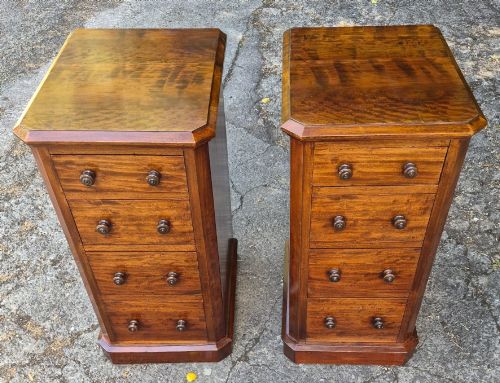
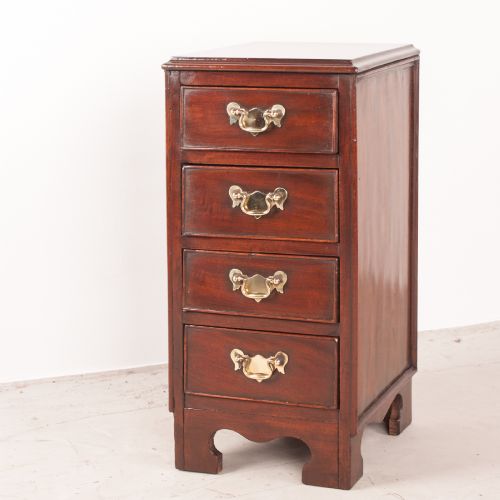
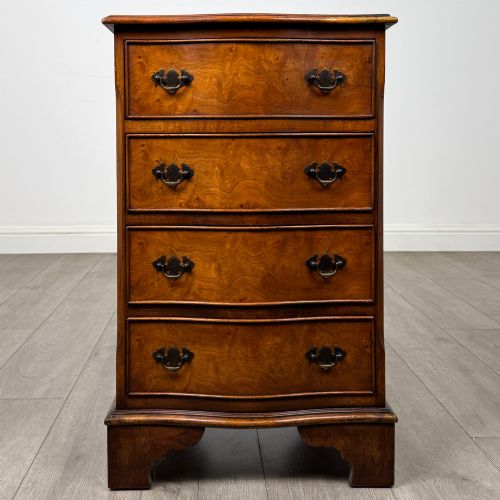
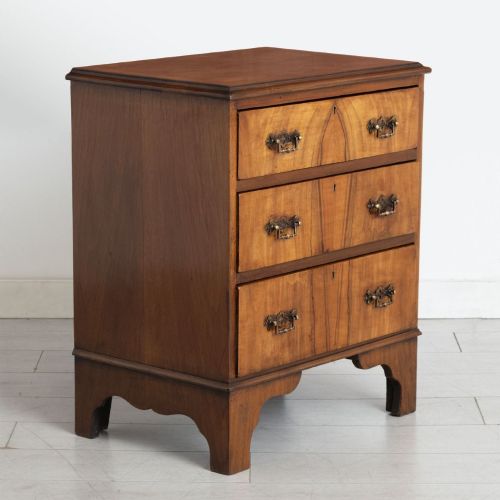
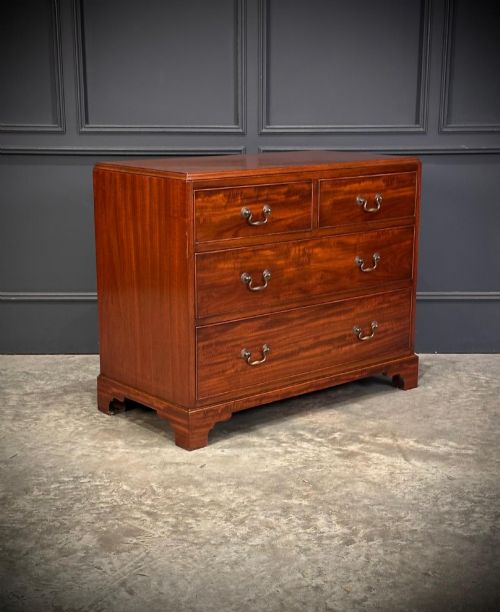
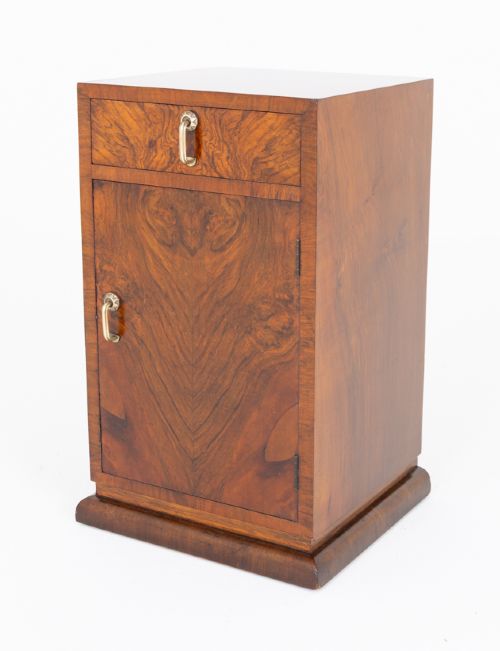
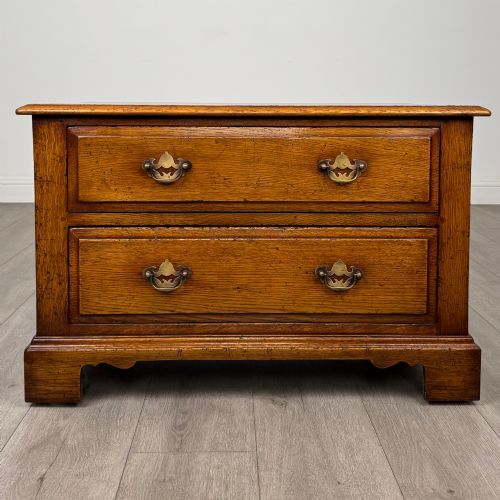
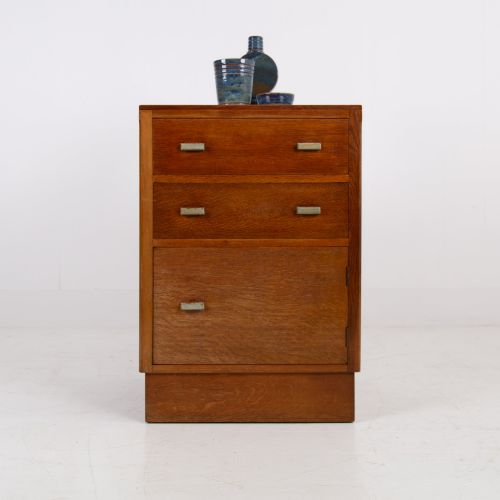
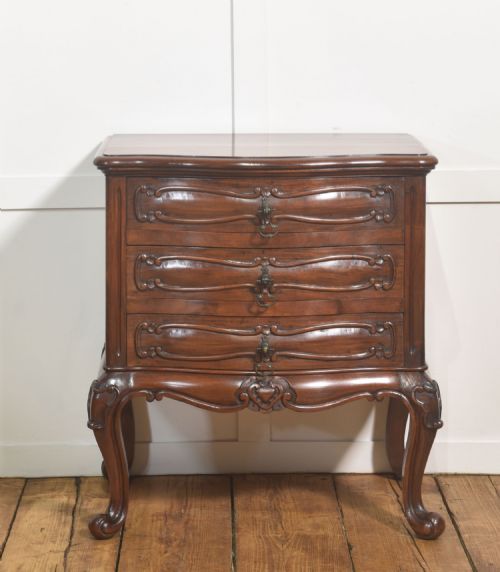
The pieces appearing on this page span the 18th, 19th and early 20th centuries, taking the shape of small drawer units, bedside cupboards, cabinets and commodes. Mahogany and walnut dominate the selection, alongside oak, pine and burr walnut.
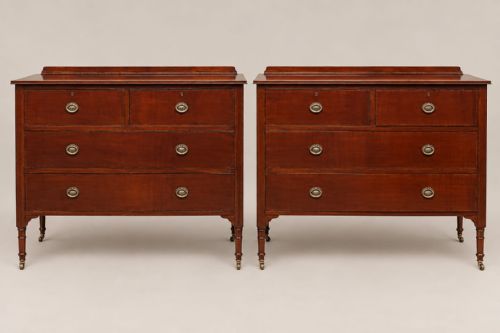
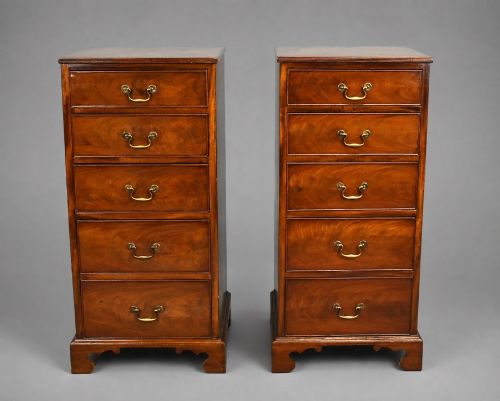
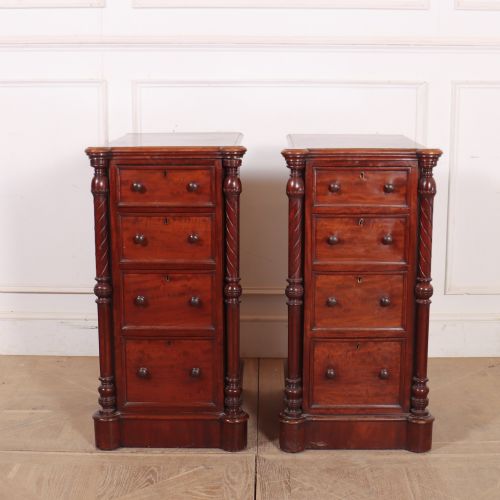
Victorian and Edwardian examples sit alongside Georgian pieces and continental styles such as Louis XV. Buyers frequently find pairs suitable for flanking a bed, as well as single cabinets and low chests.
Materials and construction
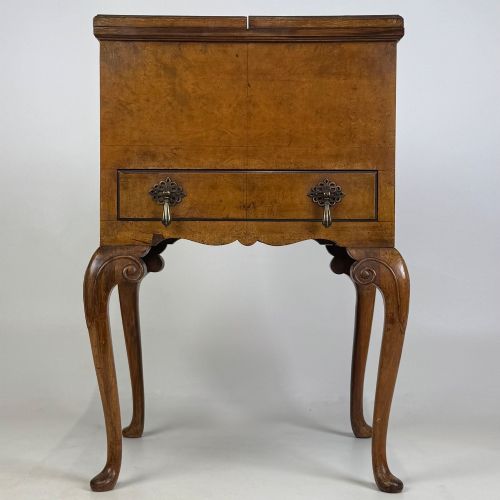
Cabinet makers utilised dense hardwoods like mahogany and walnut to construct sturdy carcases that withstand daily use. Burr walnut and flame mahogany veneers provide striking figured grain patterns across drawer fronts and top surfaces.
Secondary timbers such as pine and oak form internal drawer linings and backboards. Brass hardware, including drop handles and escutcheons, fastens securely to the drawer structures.
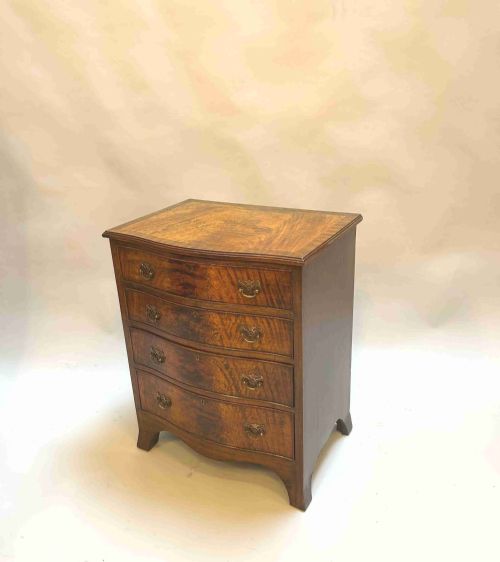
Specialised techniques include parquetry veneer work, serpentine shaping and marble tops fitted to French commodes. Solid timber panels are joined using traditional methods to accommodate natural wood movement over time.
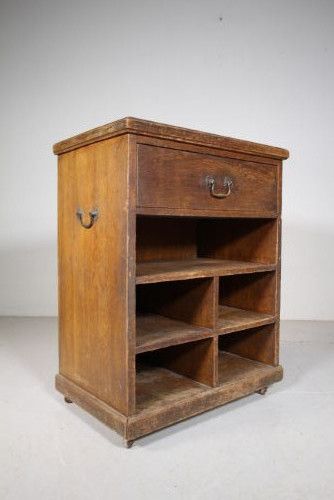
Several items on offer double as shoe boxes and military lockers, proving that Victorians took their footwear and kit organisation seriously.
Evaluating craftsmanship and condition
The quality of an antique bedside storage chest is visible in the precision of the joinery and the selection of timber veneers. Finely matched grain patterns across multiple drawers indicate careful planning by the maker.
Original brass hardware, smooth drawer action and sound structural timber distinguish better examples from heavily altered pieces. The integration of decorative elements, such as parquetry or subtle carving, separates standard utility items from finer workshop production.
The Antique Bedside Storage Chest Glossary
- Commode
- A low piece of furniture containing drawers or cupboards, often used in bedrooms or sitting rooms. French examples frequently feature marble tops and bombe shaping.
- Brushing slide
- A pull-out shelf located above the top drawer of a chest, historically used for dusting garments or setting down items temporarily.
- Serpentine
- A front profile characterised by a convex central section flanked by concave curves, creating a gentle undulating shape.
- Parquetry
- A geometric mosaic of wood pieces used for decorative veneer on furniture surfaces, often combining timbers of contrasting colours.
- Wellington chest
- A tall, narrow chest of drawers secured by a hinged locking side pilaster that fastens over the drawer edges.
Antique Bedside Storage Chest: Frequently Asked Questions
What is an antique bedside storage chest used for?
These compact chests provide a convenient surface for a bedside lamp alongside enclosed storage for books and personal items. Their modest proportions make them suitable for smaller rooms where floor space is limited.
Historically, various cabinet forms served bedroom and dressing room functions before dedicated bedside tables became common. Today, they continue to serve functional roles in modern homes while introducing period character.
How do I date an antique bedside storage chest?
Dating relies on examining construction methods, timber choices and hardware styles. Hand-cut dovetails and native secondary woods typically indicate 18th or 19th-century origins, while specific revival styles point towards later periods.
Changes in screw types, drawer lining materials and veneer thickness offer further clues to age. Comparing structural details against documented period examples helps confirm the decade of manufacture.
Are pairs of bedside chests difficult to find?
Matching pairs appear less frequently than single cabinets because many older chests were manufactured individually or separated over time. Workshops often produced standalone pieces rather than symmetrical sets for bedrooms.
When pairs do survive together, they usually share timber types, hardware and proportions. This makes matched sets sought after for placing either side of a bed.
How do I care for a wood bedside chest?
Maintain timber surfaces by dusting regularly with a soft, dry cloth and avoiding silicone-based polishes. Keep the chest away from direct heat sources and strong sunlight to prevent wood splitting and veneer lifting.
Applying a traditional beeswax occasionally helps nourish older finishes and maintain a natural sheen. Ensure the room humidity remains relatively stable to protect the structure.