




Antique Bedroom Footstool
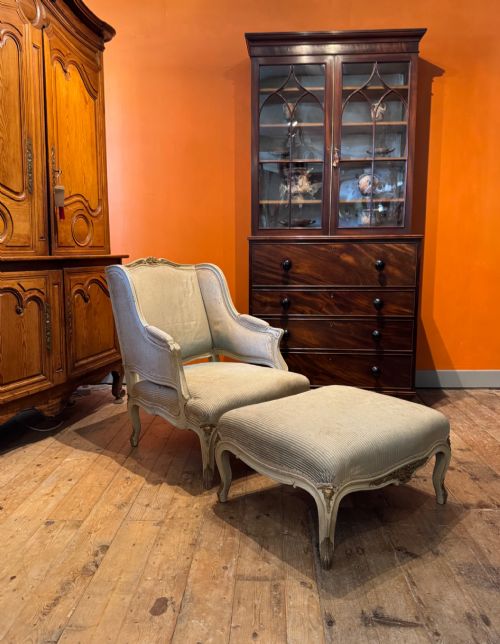
An antique bedroom footstool brings low, practical seating and period character to a dressing area, drawing on Victorian, Georgian, and Edwardian designs.
Antique Bedroom Footstool
When you search for an antique bedroom footstool, you encounter a variety of low seating forms, most commonly dressing table stools, long ottomans, and small upholstered rests. These pieces originate primarily from the nineteenth and early twentieth centuries, spanning Victorian, Edwardian, and revival periods.
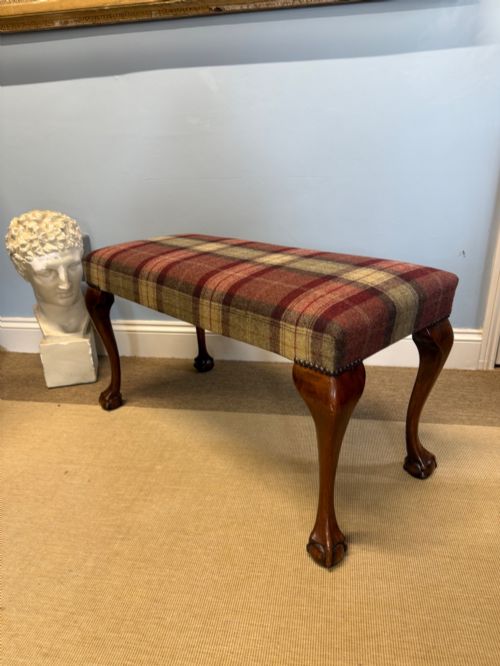
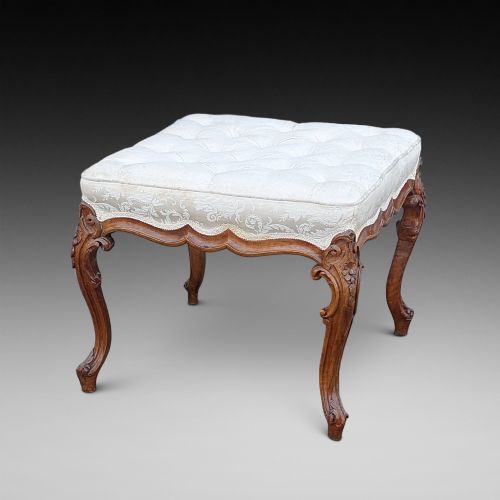
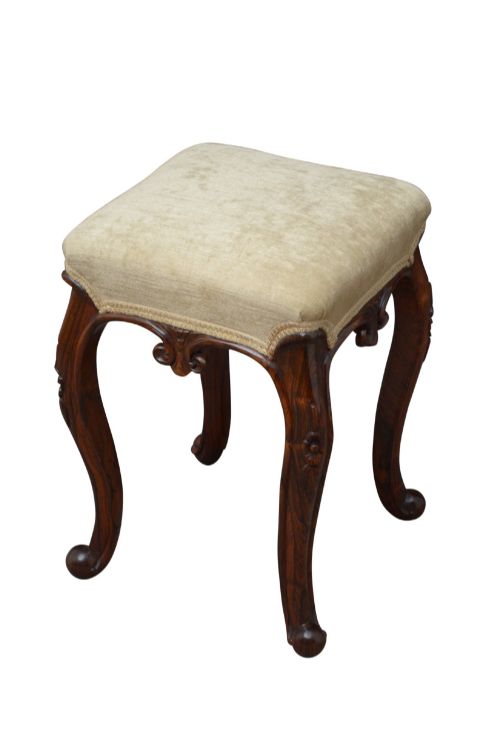
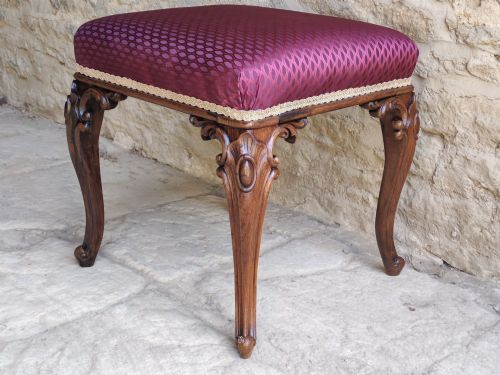
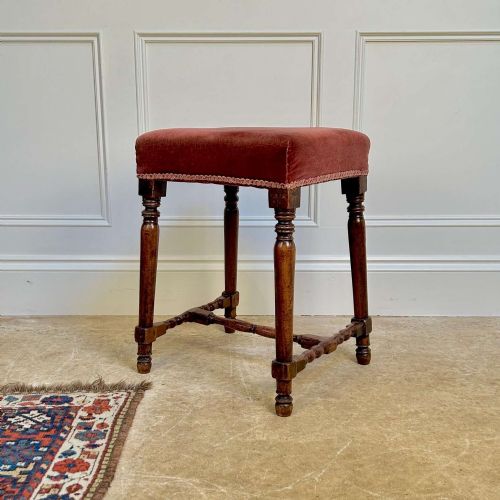
The version you are most likely to meet on this page is a compact Victorian or later dressing stool, standing on cabriole or turned legs with upholstered tops. They served utilitarian roles before dressing tables and beside beds, which explains their modest scale and durable construction.
Materials and construction methods
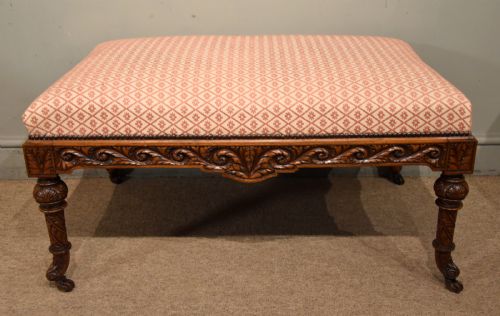
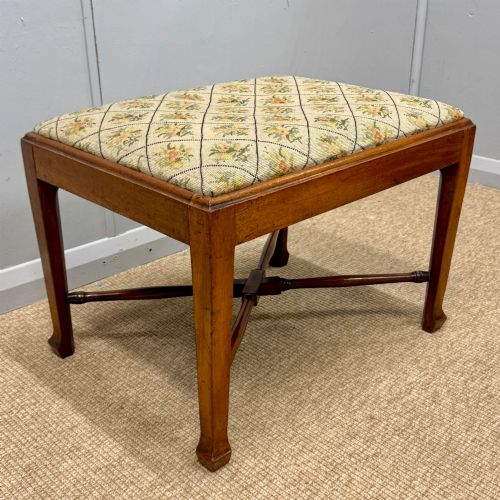
Cabinetmakers built the frames of these stools using dense hardwoods such as mahogany, walnut, rosewood, and occasionally satin birch or goncalo alves. These timbers were shaped into cabriole legs, X-frames, or straight supports, sometimes featuring detailed hand carving or structural cross stretchers.
Upholstery completed the piece, utilising traditional textile coverings including velvet, tapestry, needlepoint, and chenille over padded foundations. Surviving examples often display the combination of exposed timber frames and durable fabric or needlework tops.
Listings feature woods including mahogany, walnut, rosewood, and satin birch across Victorian and Edwardian periods.
Distinguishing quality across the range
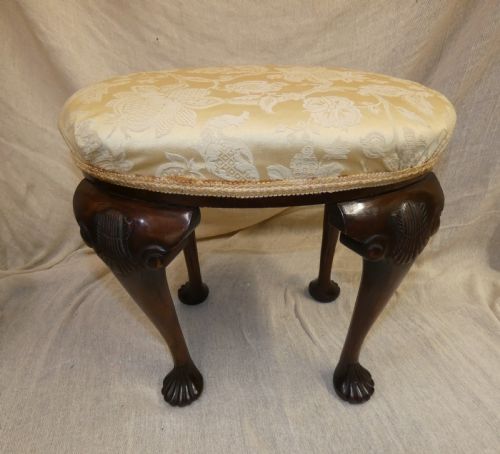
The division between standard and superior pieces rests upon the crispness of the timber carving and the architectural balance of the frame. Stools exhibiting robust cabriole legs, ball and claw details, or well-proportioned X-frames represent more deliberate craftsmanship than plain, utilitarian versions.
Material selection and upholstery execution also dictate the standing of a piece. Dense, figured hardwoods like rosewood and walnut, alongside fine needlepoint or original textile work, elevate the stature of an example within its period.
James Shoolbred·Whytock and Reid
The Antique Bedroom Footstool Glossary
- Cabriole leg
- A furniture leg that curves outward at the knee and inward at the ankle, ending in a shaped foot. This form appears frequently on Victorian and revival dressing stools.
- X-frame
- A structural base formed by two intersecting diagonal members resembling the letter X. It provides sturdy support for dressing stools and benches.
- Ottoman
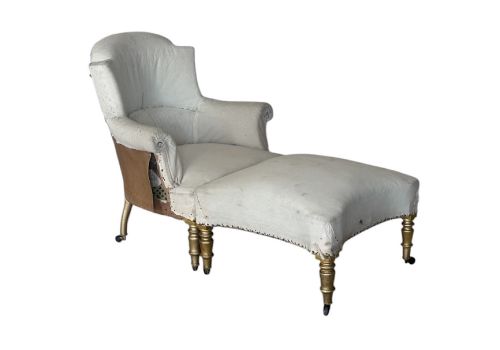
- A low, upholstered seat or bench, sometimes featuring internal storage for blankets or linens. These pieces often match bedroom or lounge suites.
- Cross stretcher
- Horizontal wooden bracing connecting the legs of a stool to increase stability. They appear frequently on dressing table stools.
- Needlepoint
- Stitched textile work using yarn on a stiff canvas ground, frequently employed for period footstool upholstery. It adds colour and pattern to the top surface.
Antique Bedroom Footstool: Frequently Asked Questions
How were antique bedroom footstools originally used?
These low seats served primarily as practical seating before dressing tables or alongside beds for morning routines. They also functioned as foot rests for lounge chairs and small benches for putting on shoes.
Their compact scale allowed them to tuck neatly beneath furniture when not in use, making them versatile additions to period bedchambers.
What woods should I look for in these stools?
The majority of pieces utilise dense cabinet timbers such as mahogany, walnut, and rosewood. Less common variations feature satin birch or goncalo alves wood.
Cabinetmakers selected these materials for their strength and ability to take fine carvings on legs and frames.
Are the upholstery fabrics usually original?
Most surviving stools have undergone reupholstery over the decades to maintain usable surfaces. Finding original needlepoint, velvet, or chenille remains uncommon, though some pieces retain period textiles.
Many examples feature later or renewed fabric while preserving the antique wooden frame beneath.
How do I distinguish a dressing stool from a regular footstool?
Dressing table stools generally stand taller than low lounge footstools to match the height of a vanity table. They frequently feature upright cabriole, turned, or X-frame legs designed for sitting rather than reclining.
Footstools meant solely for resting feet tend to sit lower to the floor and have more compact proportions.