


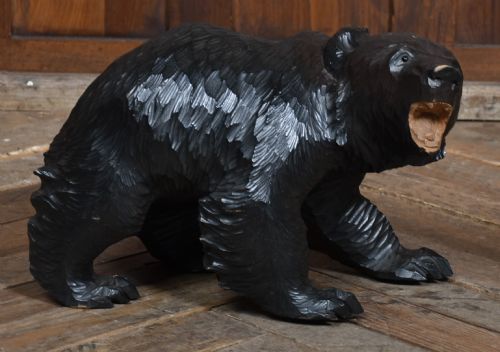


Antique Bear Carving
An antique bear carving brings the vigor of the forest into domestic rooms through detailed woodwork.
Antique Bear Carving
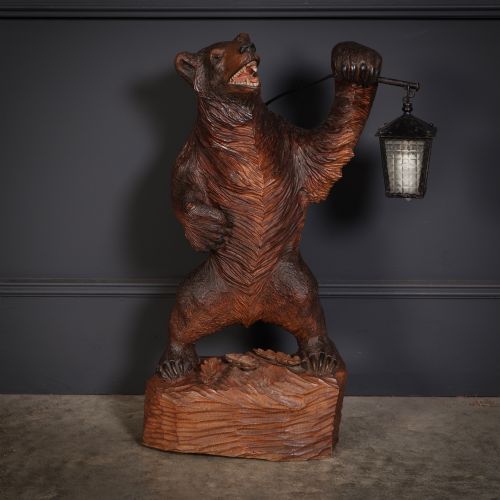
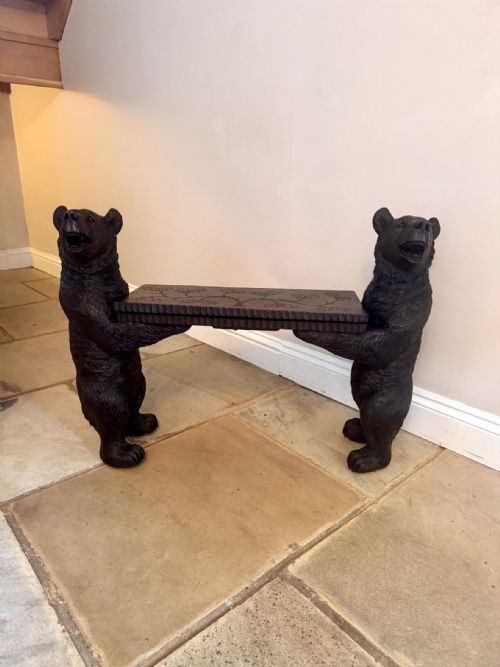
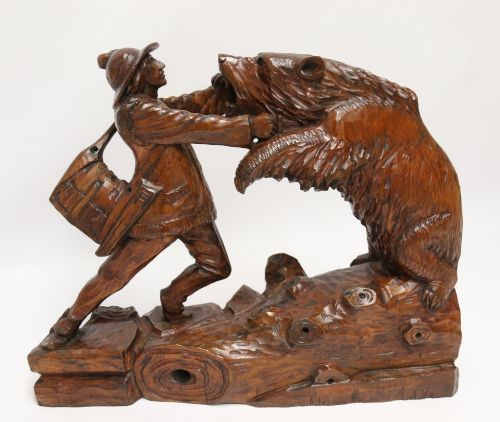
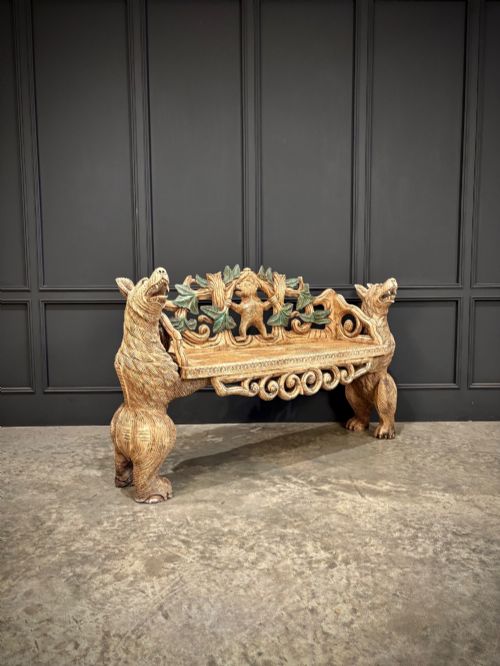
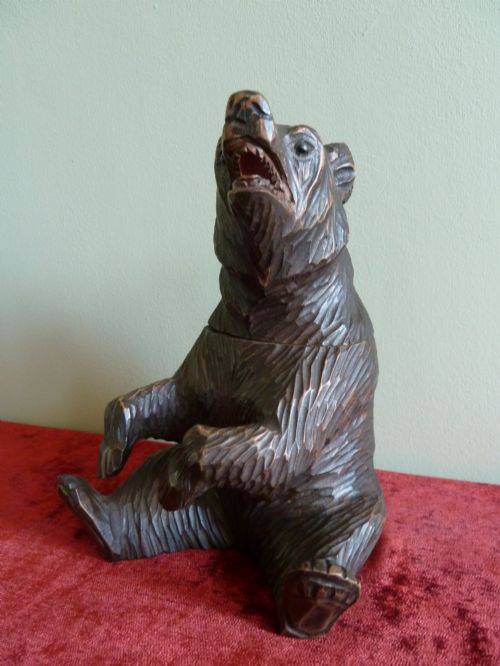
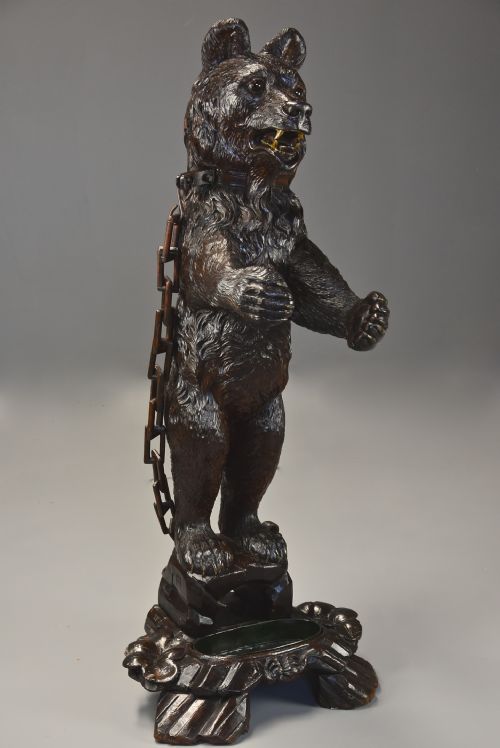
When you search for an antique bear carving, you find sculptural objects shaped from timber during the nineteenth and early twentieth centuries. These pieces range from small desk accessories such as inkwells and tobacco holders to substantial furniture items including hall stands, umbrella stands, and benches.
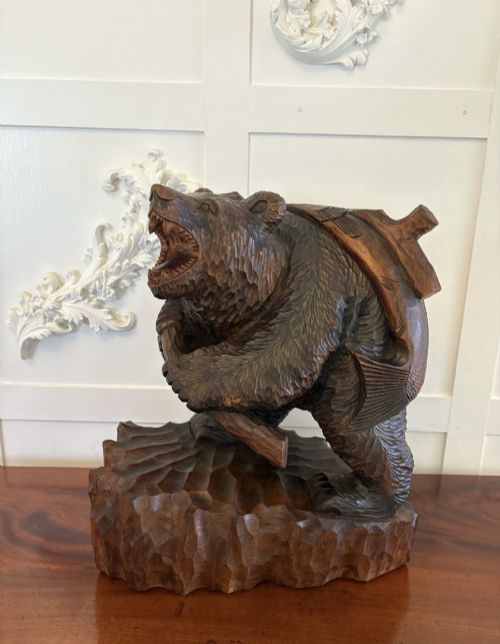
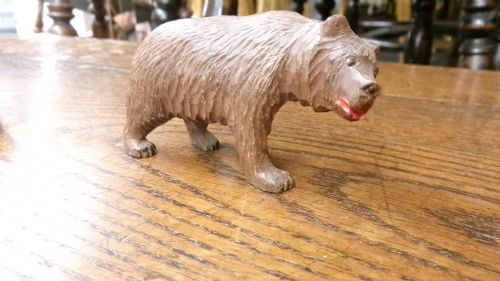
The most common examples on this page belong to the Black Forest tradition, originating in Switzerland and Germany during the Victorian and Edwardian eras. Makers rendered these animals in varied poses, from naturalistic walking bears to anthropomorphic figures holding logs or carrying fish.
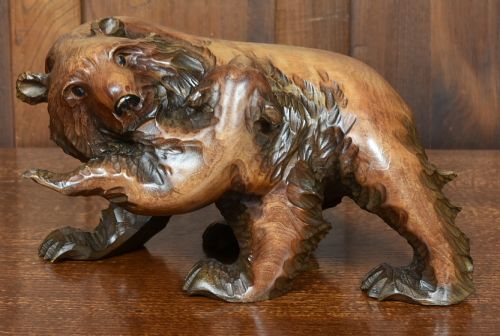
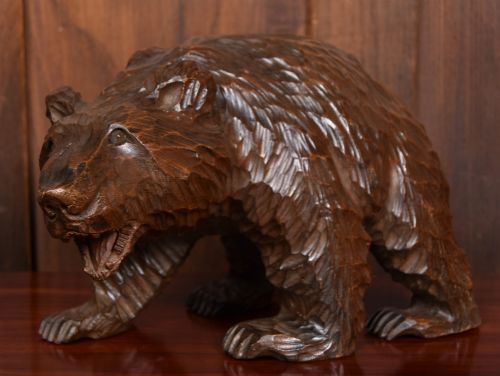
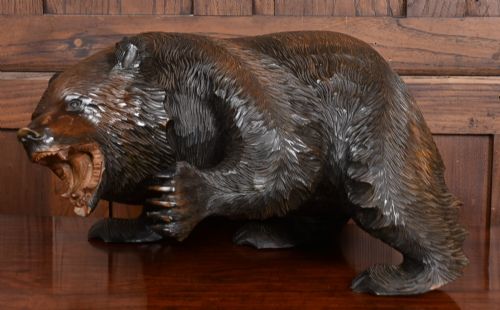
Other cultural traditions also appear in the listings, including Japanese folk art carvings known as Kibori Kuma. These diverse regional styles share a focus on textured fur and lifelike facial expressions carved directly into local woods.
How they were made
Makers occasionally utilised cedar or oak depending on the regional workshop and the intended scale of the object. Glass eyes found in many specimens added a lifelike gleam to otherwise monochromatic timber surfaces.
Antique Bear Carving Retail Price Guide 2026
Typical asking prices for bear carving among the pieces listed under this phrase on Sellingantiques today, from the lower quarter to the upper quarter. They describe what is for sale here now, not the wider market.
Miniature fifteen-piece bear sets prove that nineteenth-century carvers enjoyed making tiny woodland armies.
What varies in quality
The distinction between ordinary and exceptional carving lies in the depth of relief and the anatomical understanding of the animal. Superior works display individual strands of fur and convincing muscle structure rather than generalised blocking.
Proportion and scale also dictate the hierarchy of these objects. Large hall stands and multi-figure groups executed with complex poses command greater attention than simple small figures.
The Antique Bear Carving Glossary
- Black Forest
- A regional style of wood carving associated with Switzerland and Germany during the nineteenth century. It is characterised by realistic depictions of local wildlife, particularly bears.
- Kibori Kuma
- A style of Japanese wooden bear carving originating in Hokkaido. These pieces often feature dynamic poses and distinct chiselled texturing.
- Linden wood
- A pale, fine-grained timber frequently chosen by European carvers for detailed sculptural work. Its soft consistency permits intricate undercutting without splintering.
- Humidor
- A specialised box designed to store tobacco while maintaining humidity. In carved bear pieces, the animal often forms the lid or container body.
Antique Bear Carving: Frequently Asked Questions
Where did Black Forest carvings originate?
These decorative wooden sculptures emerged from the timber-rich mountain regions of Central Europe, particularly Switzerland and Germany, during the nineteenth century. Local artisans developed specialised woodworking skills to supply tourists and international markets with souvenirs of alpine wildlife.
Over decades, cottage industries expanded from small trinkets into large furniture pieces like hall stands and benches. The tradition combined regional forestry expertise with Victorian taste for naturalism.
How do I care for wooden bear carvings?
Maintain these carved wooden objects by keeping them away from direct sunlight and sudden temperature shifts. Dry indoor heat causes timber to contract and split over time.
Dust the intricate fur carvings gently with a soft dry brush rather than liquid polishes. Natural wax applied sparingly preserves the original finish of the wood.
What is a Kibori Kuma carving?
This term refers to traditional Japanese wooden bear carvings created in the northern region of Hokkaido. Artisans typically carved these figures from local timber using distinct chisel marks to suggest thick fur.
Many of these pieces depict bears holding salmon in their mouths. They represent a significant folk art tradition distinct from European styles.
How were bear hall stands used?
Large carved bear figures integrated into hall stands served as functional furniture for entranceways in grand nineteenth-century homes. The animal often gripped umbrella or walking stick holders between its paws.
Some designs incorporated benches or trays for visiting cards. They provided a dramatic greeting for guests entering a residence.