



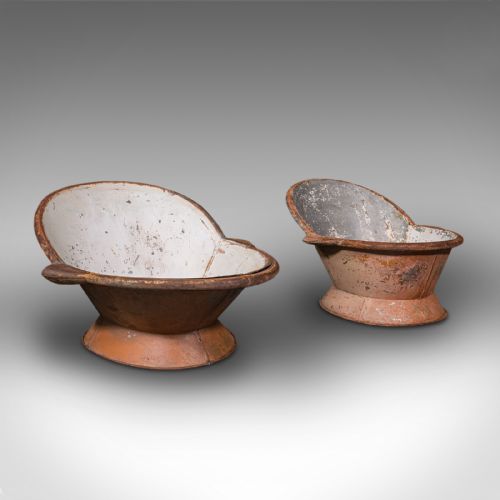


Antique Bath Tub
An antique bath tub brings tangible weight and enduring craft to the home, offering striking sculptural presence whether in cast iron, ceramic, or marble.
Antique Bath Tub
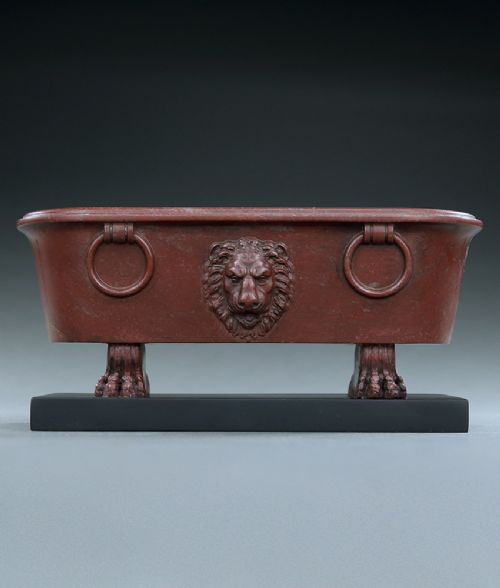
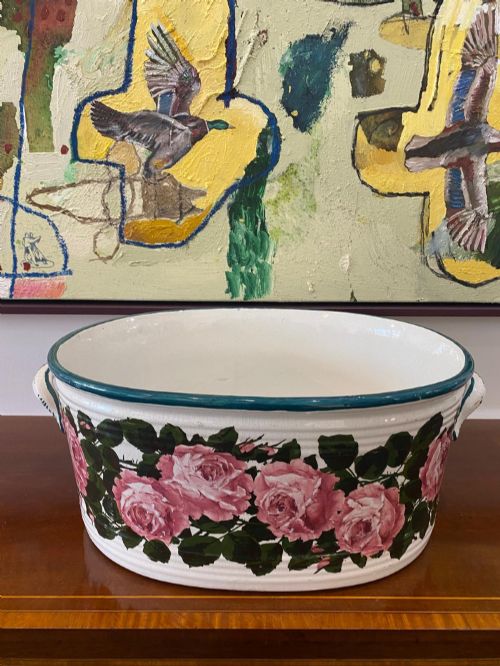
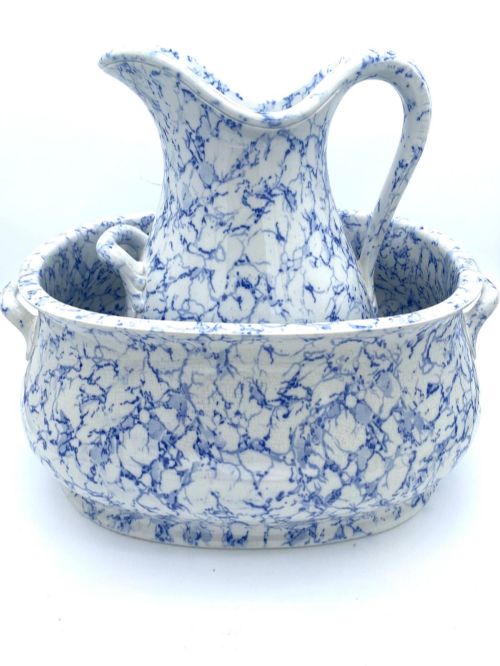
When searching for an antique bath tub, buyers encounter a diverse selection ranging from nineteenth-century ceramic footbaths and creamware knee baths to grand marble vessels and heavy cast iron designs. The listings on this page most commonly feature footbaths and sanitaryware from the Victorian and Regency periods, alongside earlier Chinese temple baths and classical Grand Tour pieces.
These items transition easily from historic utility to modern decorative display, serving as dramatic garden planters, jardinières, or distinctive interior basins. Earthenware and glazed ceramic examples showcase traditional transfer-printed patterns, whilst metal and marble versions emphasise robust structure and classical form.
How they were made
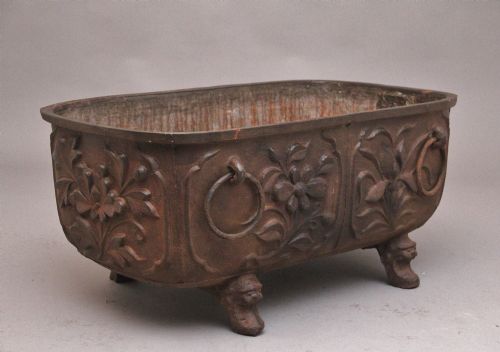
Cast iron and galvanized tin provide the sturdy metallic core for many of these vessels, shaped through industrial casting and panel construction during the nineteenth century. Metal surfaces frequently receive a protective coat of paint, enamel, or scrumbled finishes to alter their visual texture.
Ceramic pieces such as creamware, earthenware, and glazed porcelain utilise traditional pottery techniques, often decorated with cobalt blue transfer printing or complex glaze patterns. Carved stonework relies on precise masonry, particularly in dense materials like Marmo Rosso and black marble.
Antique Bath Tub Retail Price Guide 2026
Typical asking prices for bath tub among the pieces listed under this phrase on Sellingantiques today, from the lower quarter to the upper quarter. They describe what is for sale here now, not the wider market.
Materials represented across the inventory include earthenware, cast iron, Marmo Rosso marble, black marble, enamel, bronze, and glazed ceramic.
What varies in quality
Quality rests upon the purity of the material and the precision of the maker's hand, distinguishing standard utilitarian wares from ambitious artistic commissions. Superior examples display crisp transfer printing, unblemished glazes, or finely carved stone details that retain their sharpness over generations of use.
Structural integrity also separates the fine pieces from the ordinary, evident in the balanced proportions of heavy cast iron, the weight of genuine marble, and the careful preservation of original painted or scrumbled surfaces.
Wemyss·Minton·Heathcote·Copeland
The Antique Bath Tub Glossary
- Footbath
- A deep, wide vessel traditionally used for washing the feet before bathing facilities were common in every room. These ceramic or metal basins often double as planters today.
- Creamware
- A refined earthenware developed in England during the eighteenth century, characterised by a pale yellowish-cream glaze over a fine buff body.
- Transfer printing
- A decoration technique where an engraved copper plate transfers a design onto paper and then onto unglazed or biscuit ceramic before firing.
- Scrumbled
- A paint finish created by layering translucent colours over a base coat to simulate the rich grain of wood or the mottled appearance of aged stone.
Antique Bath Tub: Frequently Asked Questions
What is a knee bath?
A knee bath is a compact nineteenth-century bathing vessel designed to accommodate a seated person with water reaching roughly to the knees. They offered a practical washing solution in smaller spaces.
These ceramic or metal tubs showcase the ingenious domestic engineering of the Regency and Victorian eras.
How do I date a ceramic footbath?
Dating relies on examining the ceramic body, glaze characteristics, and the style of any transfer-printed patterns. Maker marks stamped or printed on the base provide definitive chronological clues.
Comparing the border motifs and cobalt shades with documented pottery production periods helps narrow down the decade of manufacture.
Are cast iron tubs heavy?
Cast iron vessels possess substantial physical weight due to the dense metal used in their construction. This heaviness ensured stability during everyday use.
When positioning these pieces in a modern home, their weight requires careful planning for placement and floor support.