

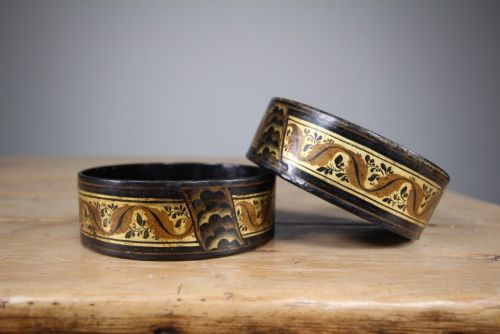

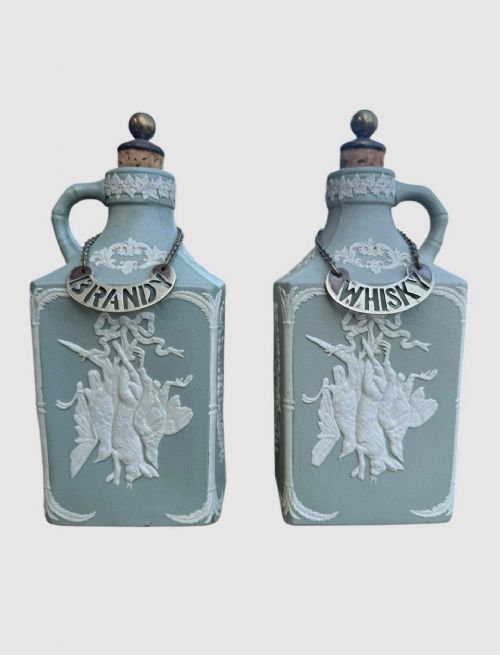

Antique Barware Pair
An antique barware pair brings matched utility and doubled presence to a table, uniting service vessels from periods spanning Georgian to Mid-Century Modern.
Antique Barware Pair
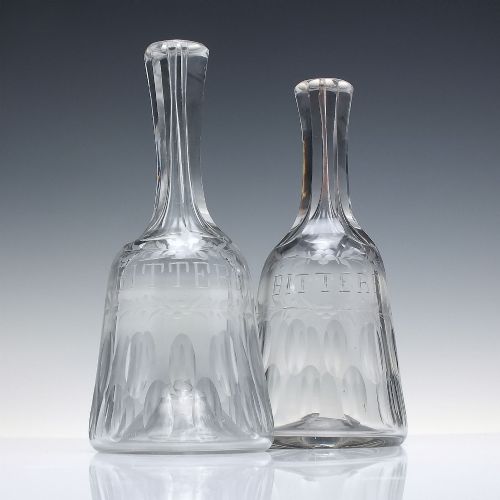
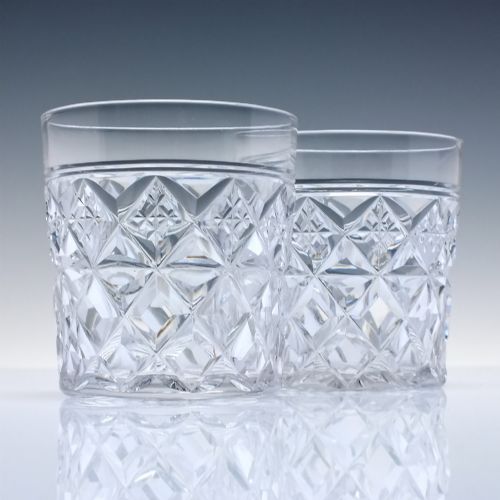
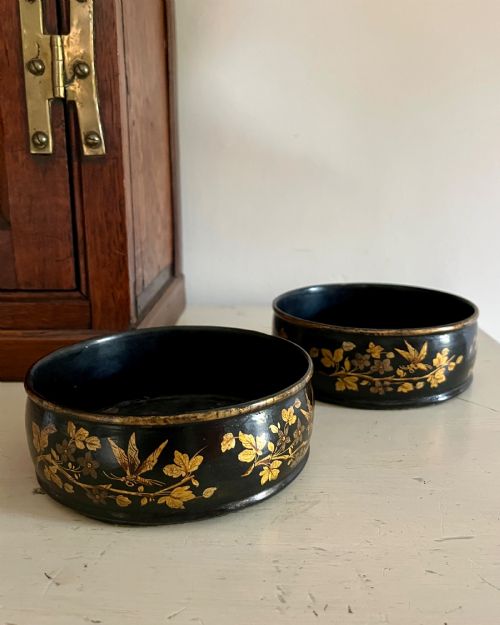
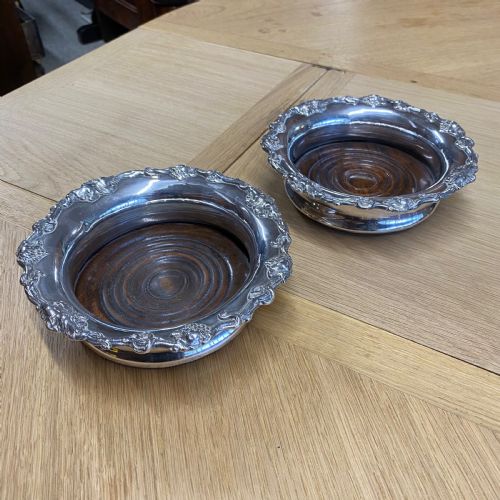
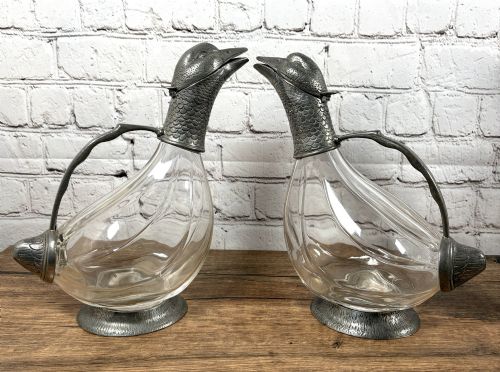
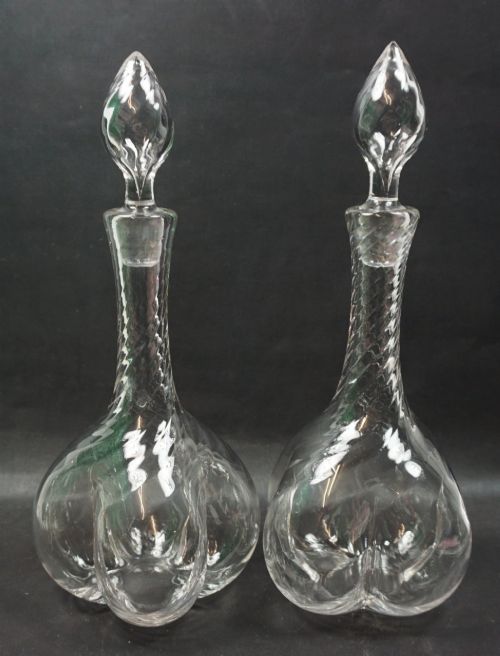
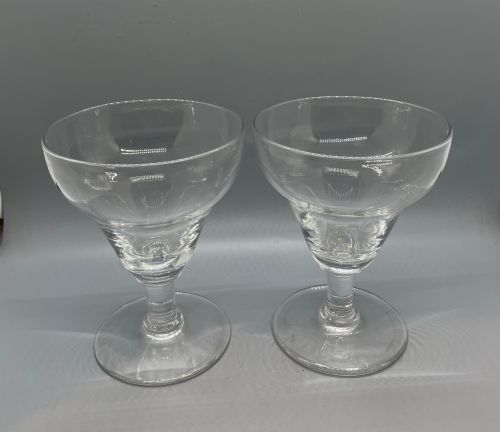
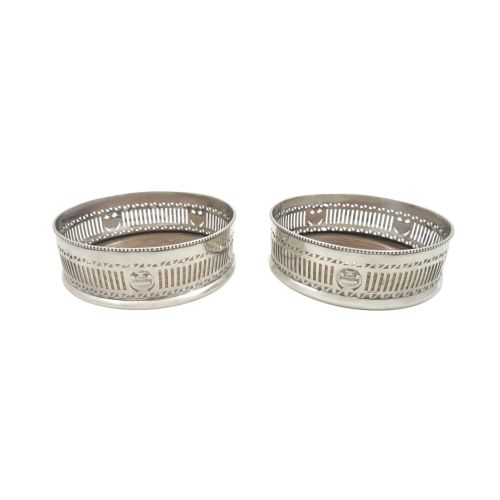
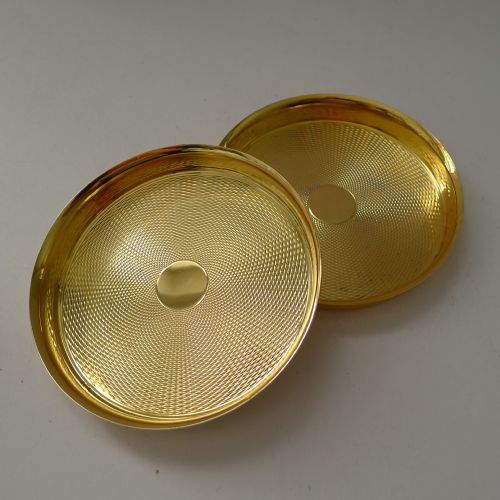
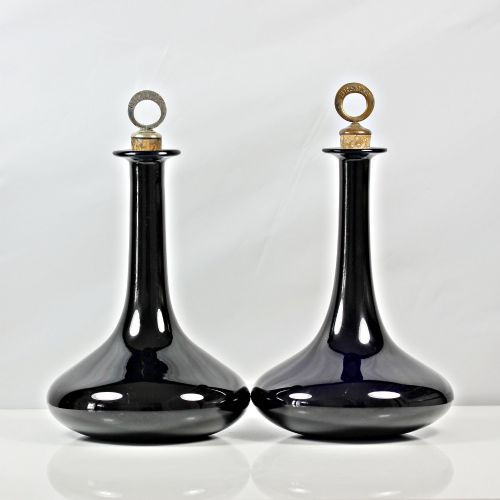
An antique barware pair comprises matched sets of drinking vessels, decanters, coolers, and coasters designed for service. When searching for an antique barware pair, buyers encounter items ranging from Georgian crystal decanters and rummers to Edwardian silver-topped whisky noggins and wine coasters.
The selections span distinct historical periods including the 19th Century, Victorian, Edwardian, and Art Deco eras. Forms vary from large floor-standing champagne coolers and claret jugs to small spirit flagons and liqueur ewers.
Originating predominantly from English and continental workshops, these duos reflect the social rituals of dining and entertaining across two centuries. The objects demonstrate the persistence of paired symmetry in domestic hospitality.
Materials and construction methods
Glass production relies on lead crystal, cut glass, and coloured glass such as ruby and Bristol blue, shaped through blowing and deep wheel engraving. Optically blown crystal and heavy cutting create the refractive surfaces characteristic of Victorian and Edwardian decanters and tumblers.
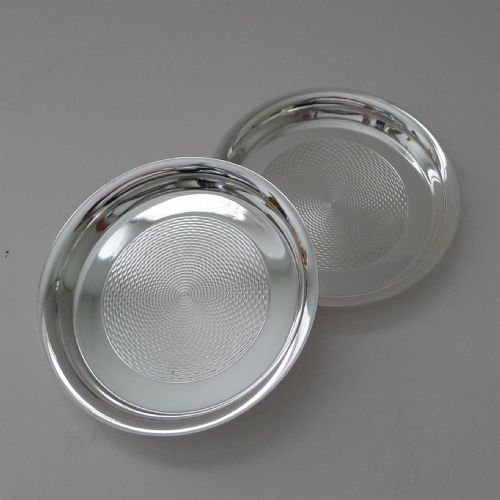
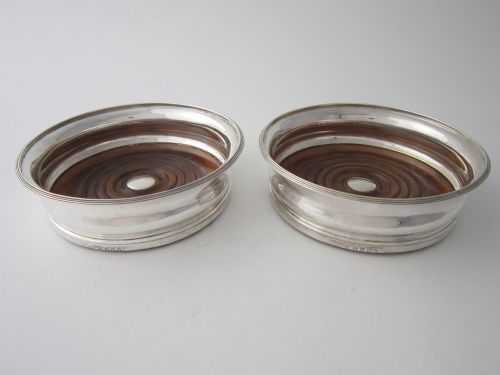
Metal components utilise sterling silver, Old Sheffield plate, silver plate, and vermeil. Coasters, coolers, and spirit mounts combine these silver elements with turned wooden bases or fitted glass bodies, often bearing hallmarks from silversmiths.
Antique Barware Pair Retail Price Guide 2026
Typical asking prices for barware pair among the pieces listed under this phrase on Sellingantiques today, from the lower quarter to the upper quarter. They describe what is for sale here now, not the wider market.
Some Edwardian sets included dedicated cork pullers so hosts could wrestle vintage champagne without losing their composure.
Distinctions in craftsmanship and condition
Quality rests in the crispness of the glass cutting, the clarity of the metal or crystal, and the integrity of the matching pair. Subtle variations in hand-blown glass and hand-chased silver mounts reveal the individual touch of the maker.
Original matching stoppers, intact silver hallmarks, and minimal wear to silver plating separate superior examples from assembled or heavily restored sets.
Hermes Paris·James Powell London·Hukin And Heath·Luc Lanel For Christofle·WMF
The Antique Barware Pair Glossary
- Decanter
- A glass vessel fitted with a stopper, used for holding and serving wine or spirits. They often feature faceted necks and cut glass bodies.
- Whisky Noggin
- A small vessel designed for individual whisky service, typically comprising a glass body with a silver mount and handle.
- Wine Coaster
- A small tray or stand with a raised rim, placed on a table to hold a wine bottle and protect the surface.
- Rummer
- A large, heavy drinking glass popular in the Georgian and Victorian periods, generally used for ale, beer, or punch.
- Claret Jug
- A large pouring vessel specifically intended for serving red wine, frequently mounted with silver handles and hinged lids.
Antique Barware Pair: Frequently Asked Questions
What is an antique barware pair?
An antique barware pair consists of two matching service vessels, such as decanters, wine coasters, or whisky noggins, produced in historical periods.
These paired items were designed for symmetrical table service and entertaining during dinners and gatherings.
How do I care for antique glass and silver?
Antique glass requires gentle hand washing in lukewarm water with mild detergent to preserve the surface finish and avoid thermal shock.
Silver components should be cleaned with specialised polish, taking care to avoid abrasive cloths that can damage plating or hallmarks.
Are stoppers always original to the decanters?
Stoppers were individually ground to fit specific decanter necks during manufacture, making original matches important for authenticity.
Inspect the ground glass portion of the stopper and neck to ensure they share matching numbering or identical wear patterns.
How are different periods identified?
Stylistic indicators, cutting patterns, and applied metal mounts help distinguish between periods such as the Georgian, Victorian, and Edwardian eras.
Silver components often feature hallmarks and date letters that provide exact years of manufacture.