



Antique Barrel Stand
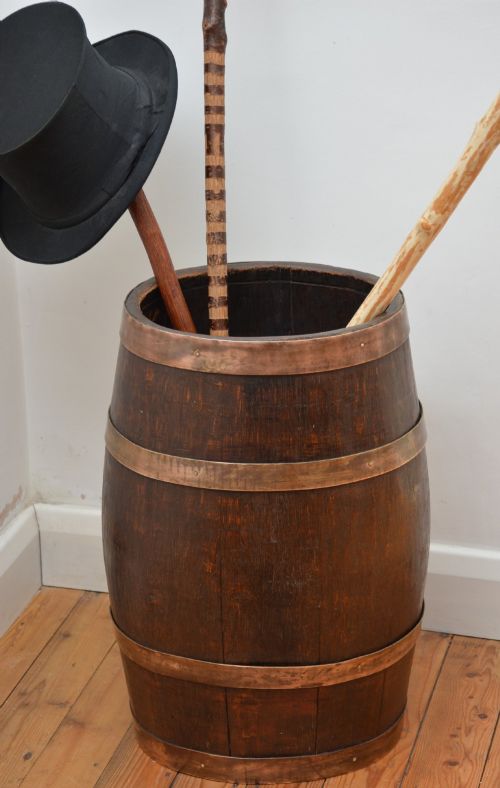
An antique barrel stand brings sturdy timber and polished metal into a hallway, holding walking sticks and umbrellas with utilitarian grace.
Antique Barrel Stand
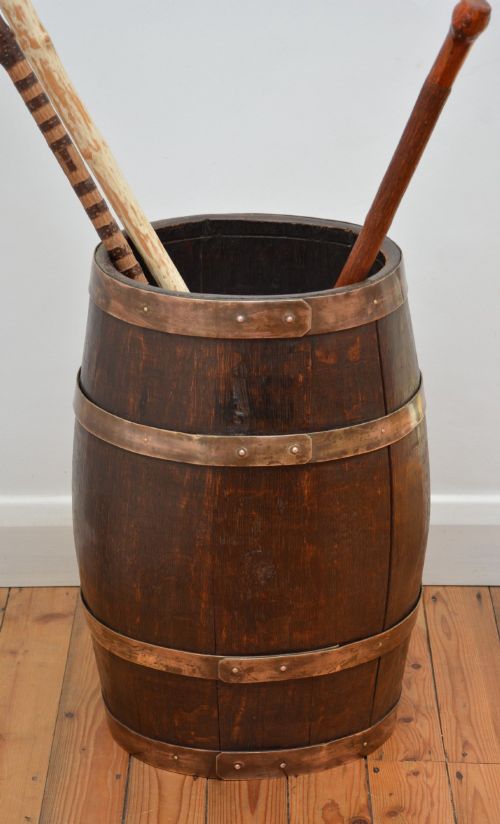
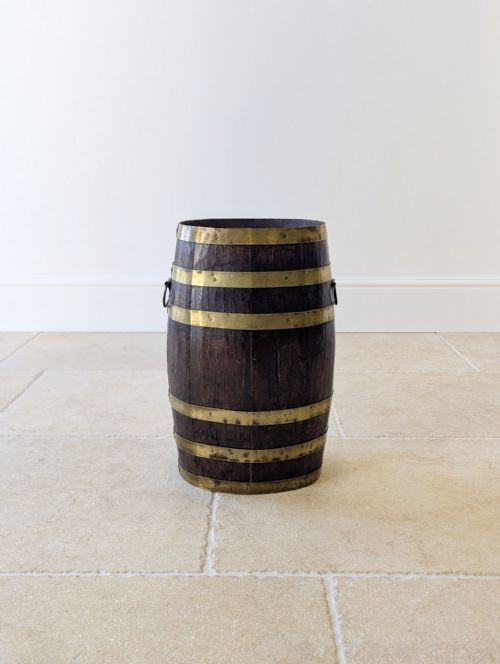
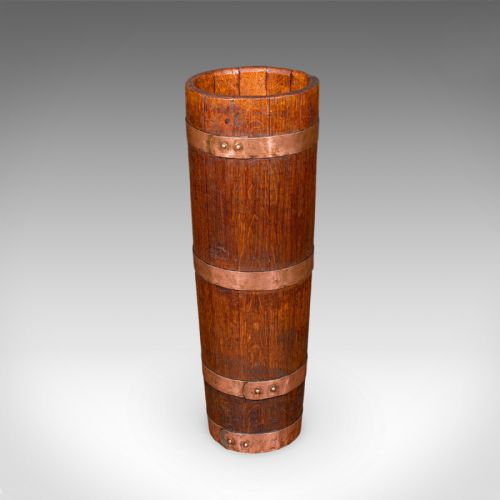
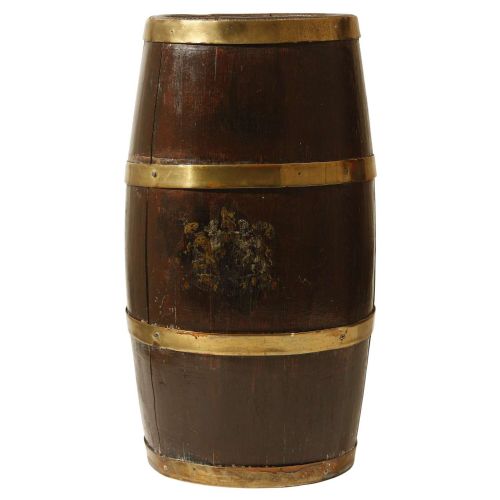
When searching for an antique barrel stand, buyers generally encounter coopered vessels designed to hold sticks and umbrellas in domestic entryways. These items emerge chiefly from the Victorian and Edwardian eras, constructed with staves of oak bound tightly by brass or iron bands.
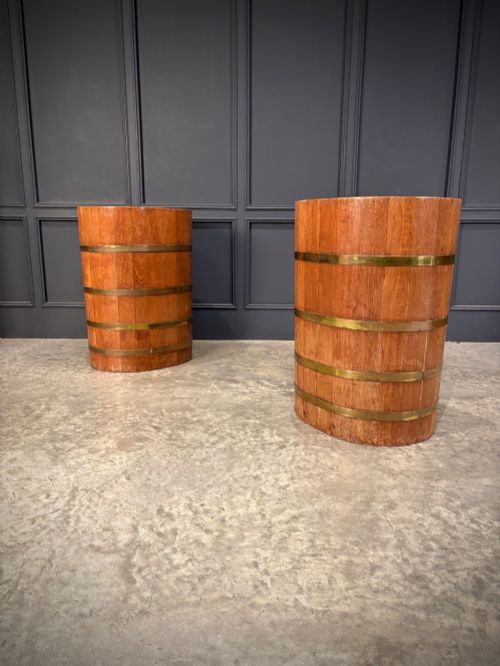
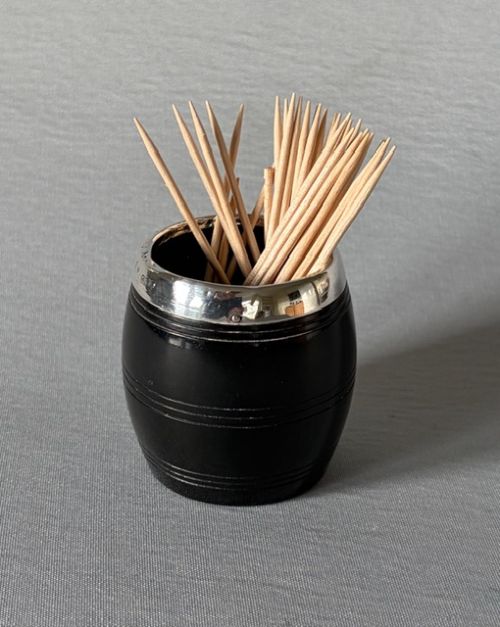
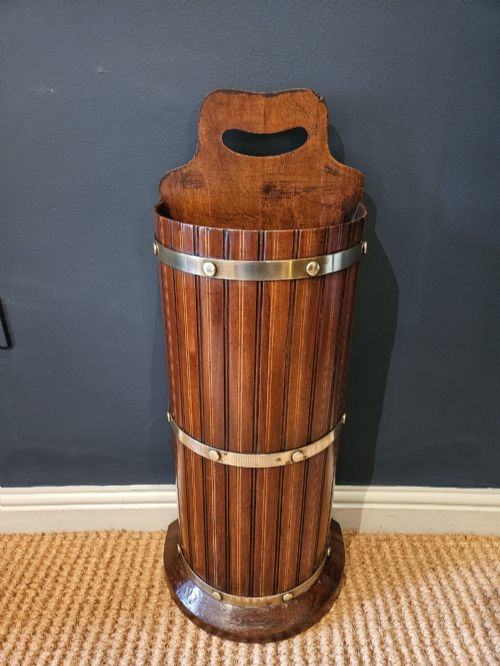
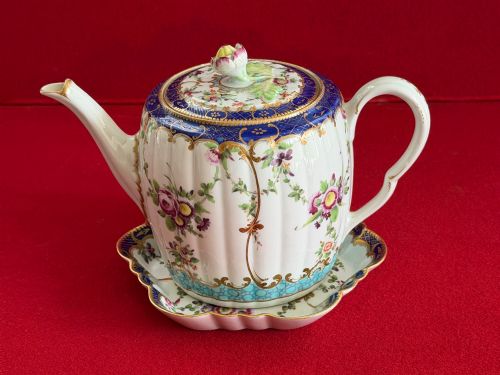
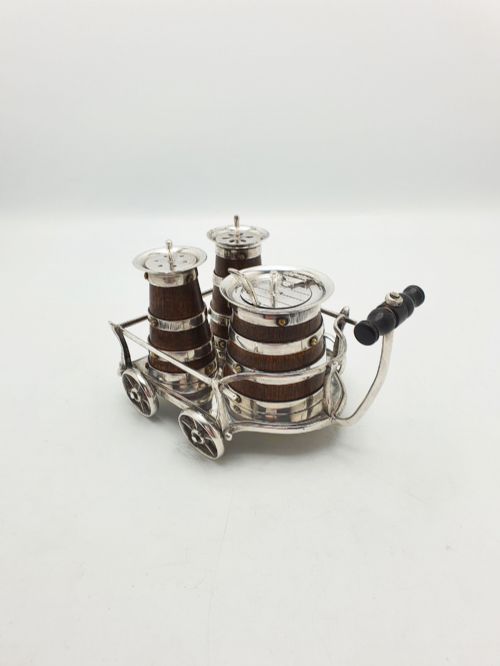
Beyond hall furniture, the selections span related cylindrical forms including porcelain garden seats, plant pedestals and small tea wares. Oak umbrella stands dominate the offerings, often fitted with internal loops to secure walking aids upright.
Originating predominantly from English country houses and domestic contexts, these objects combine practical storage with robust historical character. The forms range from simple coopered pine and oak cylinders to decorative brass-mounted pieces.
How they were made
The primary construction relies on traditional cooperage techniques, where tapered wooden staves join side by side to form a watertight or structurally sound cylinder. Skilled artisans shaped oak, pine or exotic timbers to curve inward before securing the assembly with tensioned metal hoops.
Metal components such as brass bands, copper rings and iron braces reinforce the wooden bodies while adding visual contrast. Many examples incorporate cast brass handles, liners or applied coats of arms to elevate their utility into decorative furnishings.
Antique Barrel Stand Retail Price Guide 2026
Typical asking prices for barrel stand among the pieces listed under this phrase on Sellingantiques today, from the lower quarter to the upper quarter. They describe what is for sale here now, not the wider market.
Listings feature oak, copper, brass, porcelain and iron across Victorian, Edwardian and Georgian periods.
What varies in quality
Distinctions in quality often rest upon the precision of the cooperage and the weight of the metal hardware. Tighter stave joints and heavier gauge brass or copper bands indicate superior craftsmanship suited to decades of daily household use.
The choice of timber grain and the integrity of the original surface patination distinguish finer examples from standard utility pieces. Retaining original metal fastenings and internal dividers without extensive replacement parts elevates the standing of an item.
Ross of London·Elkington·Minton
The Antique Barrel Stand Glossary
- Coopered
- Constructed from curved wooden staves bound together by hoops, similar to the method used for making casks and barrels.
- Stave
- One of the narrow vertical strips of wood that fit together side by side to form the circular body of a barrel stand.
- Jardiniere
- An ornamental pot or stand designed to hold a plant or floral arrangement within a room.
- Cruet
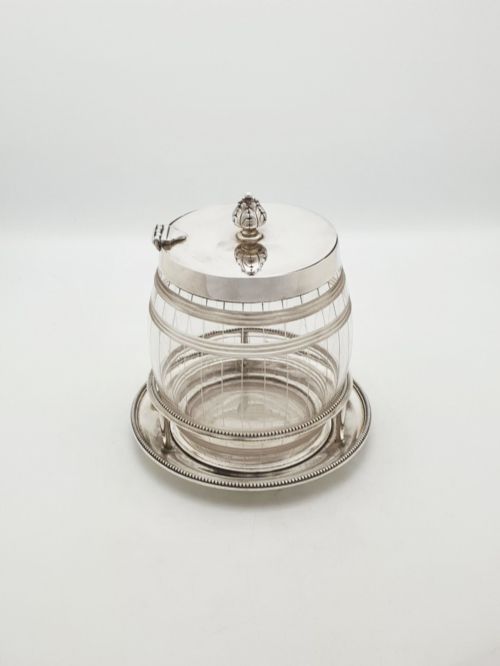
- A small glass or ceramic container, or a set of such containers, used for holding condiments at the dining table.
- Chinoiserie
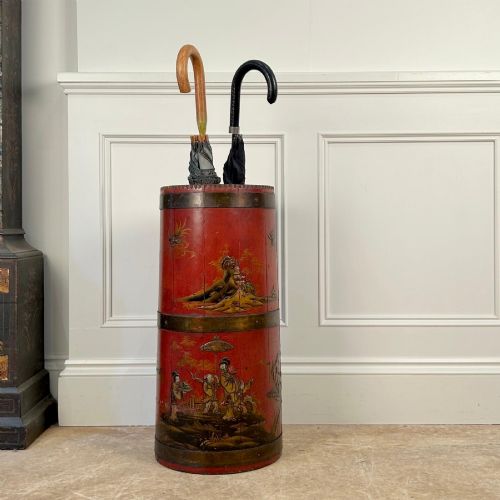
- A European decorative style in the Chinese taste, frequently featuring painted or lacquered motifs on furniture and ceramics.
Antique Barrel Stand: Frequently Asked Questions
What is an antique barrel stand used for?
These pieces primarily function as hall stands to keep walking sticks, canes and wet umbrellas organised near an entrance.
Alternative forms such as porcelain garden seats and jardiniere stands serve decorative purposes in reception rooms or conservatories.
Are these stands waterproof?
Many historical barrel stands utilise tight wooden staves and metal liners designed to catch drips from wet umbrellas.
However, prolonged exposure to standing moisture can harm antique timber, so modern protective liners are often recommended for daily use.
How do I date an antique barrel stand?
Dating relies on observing the timber species, the manufacturing technique of the metal hoops, and any accompanying hallmarks or stylistic cues.
Victorian and Edwardian examples often feature machine-sawn staves and heavier brass mounts compared to earlier Georgian iterations.