




Antique Bamboo Seating
Antique bamboo seating brings lightweight exoticism and decorative charm into the home through enduring nineteenth-century designs.
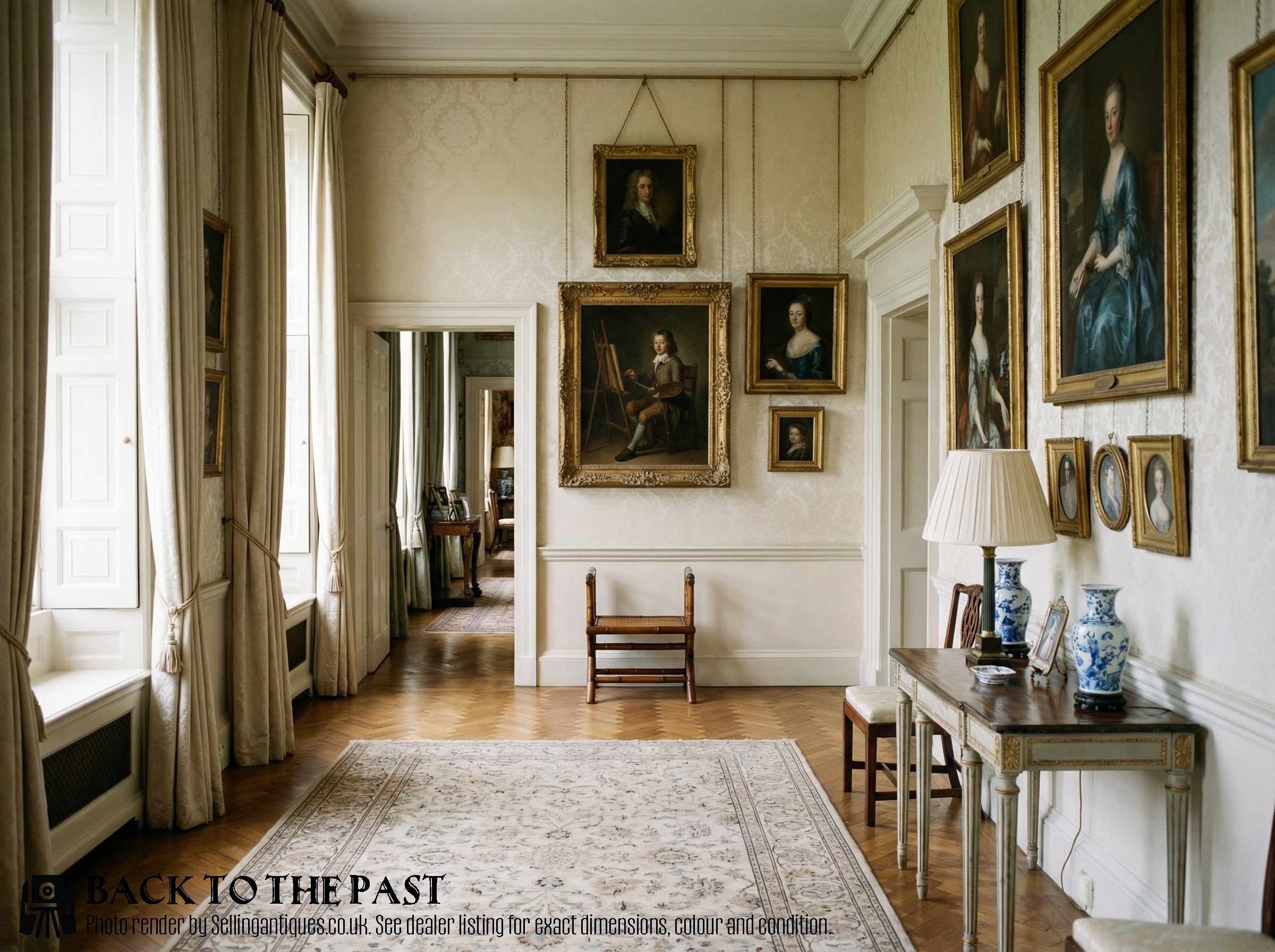
Antique Bamboo Seating
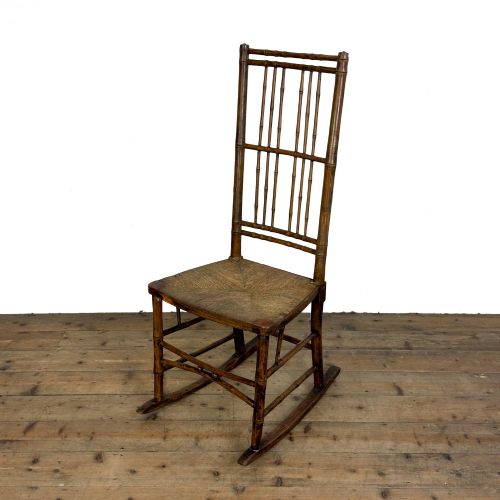
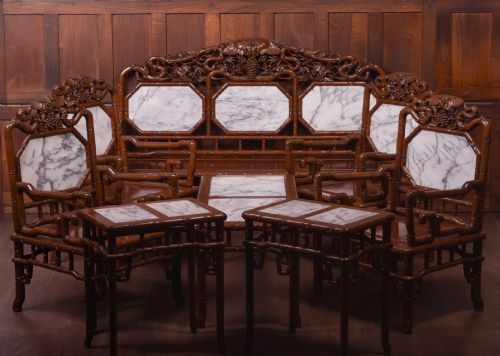
Antique bamboo seating encompasses an eclectic mix of chairs, benches, and children's furniture shaped by nineteenth-century tastes for Eastern influence and novelty. You encounter side chairs, armchairs, rocking chairs, and parlour suites executed in natural or simulated materials.
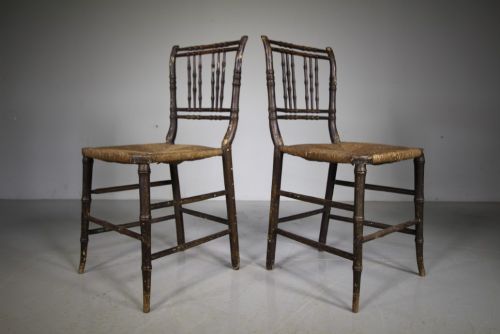
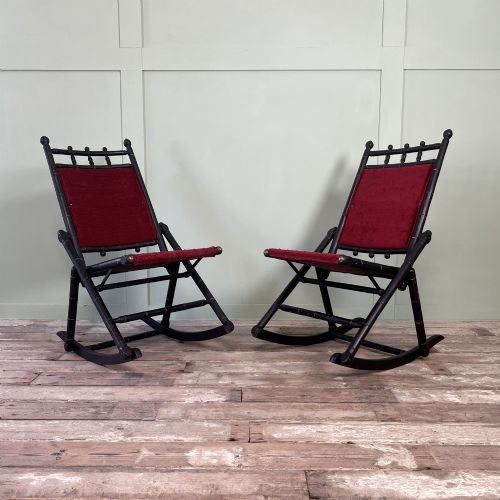
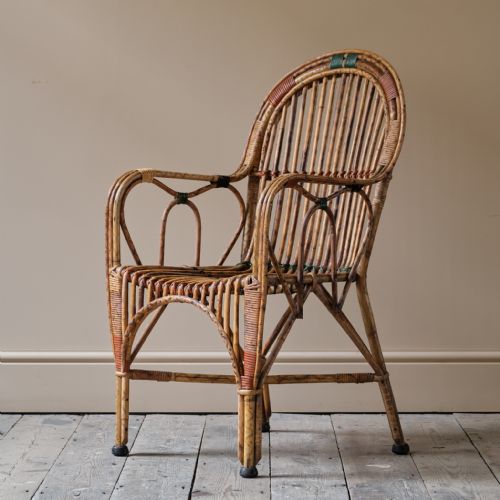
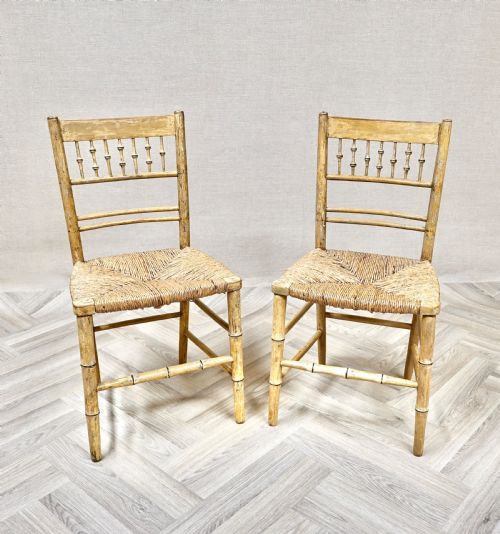
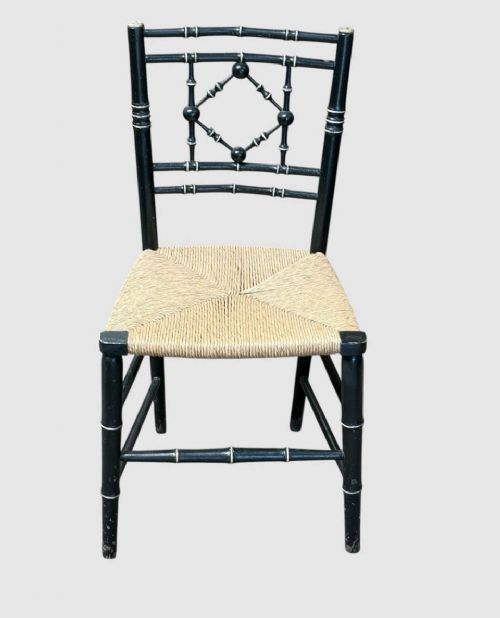
The Regency period provides formal painted armchairs and side chairs with bamboo-effect turnings, while later Victorian and Aesthetic Movement pieces introduce folding chairs and hall benches. French ateliers contribute simulated bamboo designs in painted woods alongside Chinese export models utilising natural cane and rattan.
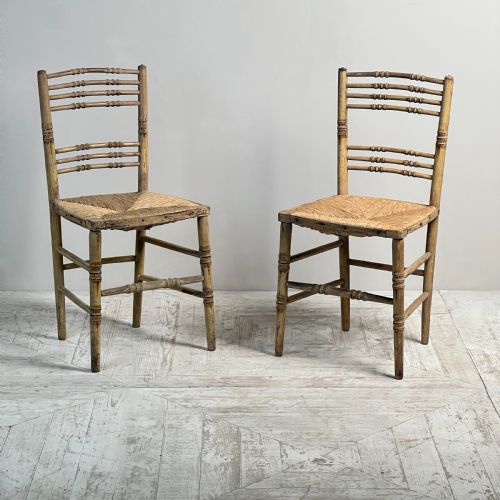
Form follows function across diverse domestic settings, ranging from parlour seating to nursery items like highchairs and child carriages. Natural bamboo frames pair frequently with woven cane or rush seats, establishing the lightweight portability that defined the style.
How these pieces were made
Construction relies upon natural bamboo poles alongside turned woods like beech and pine styled to imitate bamboo through careful carving and paintwork. Ebonised finishes and original paint schemes create varied visual textures upon the wooden frames.
Seating surfaces utilise woven cane, split rattan, and traditional rush inserts bound securely into the structural framework. Brass hardware appears on folding mechanisms and campaign pieces, while decorative painting and japanning finish the surfaces of Regency and Chinoiserie examples.
Listings span from the Regency era through the Victorian period, 1880, 1900, 1920, and 1940, incorporating paint, cane, wood, rush, ebonised wood, bamboo, beech, and brass.
What varies in quality
The fidelity of the bamboo effect separates simple turned beech from masterwork ebonised or decorated frames possessing intricate original paintwork. Superior examples retain their early or original decorative surfaces rather than later overpaint.
Structural integrity depends upon the tightness of the cane and rush work and the stability of the bound joints. Pieces featuring integrated carving and matched pairs demonstrate higher workshop ambition than utilitarian child furniture or single standard chairs.
The Antique Bamboo Seating Glossary
- Faux bamboo
- Turned wood carved and painted to resemble natural bamboo stalks. This technique allowed European workshops to produce sturdy seating that emulated exotic imports.
- Ebonised wood
- Timber treated with a dark finish to imitate expensive ebony. It is frequently seen on nineteenth-century aesthetic and Regency frames to create stark visual contrast.
- Canework
- Woven rattan strips forming flexible seat and back panels. This method provides breathable and lightweight support common in tropical and conservatory seating.
- Rush seating
- Dried marsh grass twisted into cords and woven tightly across the chair frame. It offers a resilient and traditional seat surface for side chairs and armchairs.
Antique Bamboo Seating: Frequently Asked Questions
What is faux bamboo furniture?
Faux bamboo furniture consists of European wood, such as beech or pine, turned on a lathe and painted to replicate the segmented joints of natural bamboo. Makers utilised this method during the Regency and Victorian eras to meet demand for exotic styles without relying entirely on imported plant materials.
These simulated pieces offer greater structural durability than genuine cane while maintaining the fashionable aesthetic of Eastern-inspired Chinoiserie and Aesthetic Movement interiors.
How do I care for cane seats?
Cane and rattan seats require gentle cleaning with a damp cloth and adequate humidity to prevent the natural plant fibres from becoming brittle and snapping. Avoid placing these chairs near direct heat sources or dry radiators.
If the cane begins to sag slightly, light dampening of the underside can encourage the fibres to tighten as they dry.
Where were these chairs used?
Antique bamboo and faux bamboo seating was designed primarily for light domestic use in parlours, conservatories, bedrooms, and halls. Their lightweight construction made them easy to move between rooms as needed.
Children's pieces, including highchairs and small carriages, served the nursery, while folding camp chairs accommodated travel and temporary seating.